A case has been filed at the High Court seeking to bar public service vehicles from playing loud music, with the petitioner arguing that the trend infringes on the constitutional rights and wellbeing of commuters.
In the petition, advocate Samwel Barongo Nyamari accuses the Matatu Owners Association (MOA), the National Transport and Safety Authority (NTSA), the National Environment Management Authority (NEMA), and the Attorney General of failing to curb what he describes as “harsh, deafening and disruptive noise disguised as entertainment” inside matatus.
Nyamari says the loud music played in PSVs amounts to noise pollution and psychological distress, particularly affecting vulnerable passengers such as children, the elderly, the ill, and people with autism or sensory sensitivity.
He told the court that he has been a regular matatu commuter in Nairobi for more than six years and has repeatedly endured what he terms continuous and overwhelming noise levels whenever he boards public transport.
According to the petition, matatu crews allegedly blast music indiscriminately, without considering passengers who may be travelling with babies, older adults with hearing difficulties, exhausted workers, or commuters who may need to make phone calls during their journeys.
Nyamari further argues that commuters are not informed beforehand that they will be subjected to loud music, denying them the ability to make informed choices about the transport services they use.
The petition claims the practice violates several constitutional guarantees — including the right to a clean and healthy environment under Article 42 — on grounds that excessive noise constitutes environmental pollution.
It also cites the right to freedom and security of the person under Article 29, saying the loud music amounts to psychological harm and degrading treatment imposed by private operators.
Additionally, Nyamari argues that the trend breaches consumer rights under Article 46, noting that passengers are entitled to reasonable service standards and adequate information about the services they pay for.
He further links prolonged exposure to loud music to health risks, saying it undermines the right to the highest attainable standard of health — especially for children, the elderly, and persons with sensory or neurological conditions.
The petitioner is seeking court declarations that playing loud music in PSVs is unconstitutional, together with an order barring matatus from playing such music entirely. He also wants NTSA, NEMA, and the Attorney General compelled to enforce compliance should the court grant the orders.
Nyamari accuses regulators of turning a blind eye to a practice that has become widespread despite its potential harm to passengers.
The court is yet to issue directions on when the matter will be mentioned, heard, or determined.
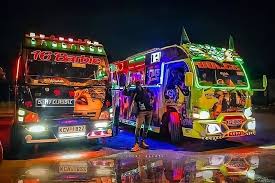
Loud music has become a hallmark of some modern PSVs — popularly known as “nganya” — which are popular among youth and are often fitted with powerful sound systems, flashing interior lights, digital screens, and other entertainment features.
Never Miss a Story: Join Our Newsletter