Kathmandu, September 9, 2025 – In a dramatic turn of events, Prime Minister K.P. Sharma Oli tendered his resignation on Tuesday following one of Nepal’s most intense youth-led uprisings in recent memory. The protests—predominantly driven by Gen Z activists—were sparked by deep-seated frustration over corruption, economic inequality, and youth unemployment, and were catalyzed by the government’s abrupt ban on major social media platforms.
Digital Suppression Meets Digital Resistance
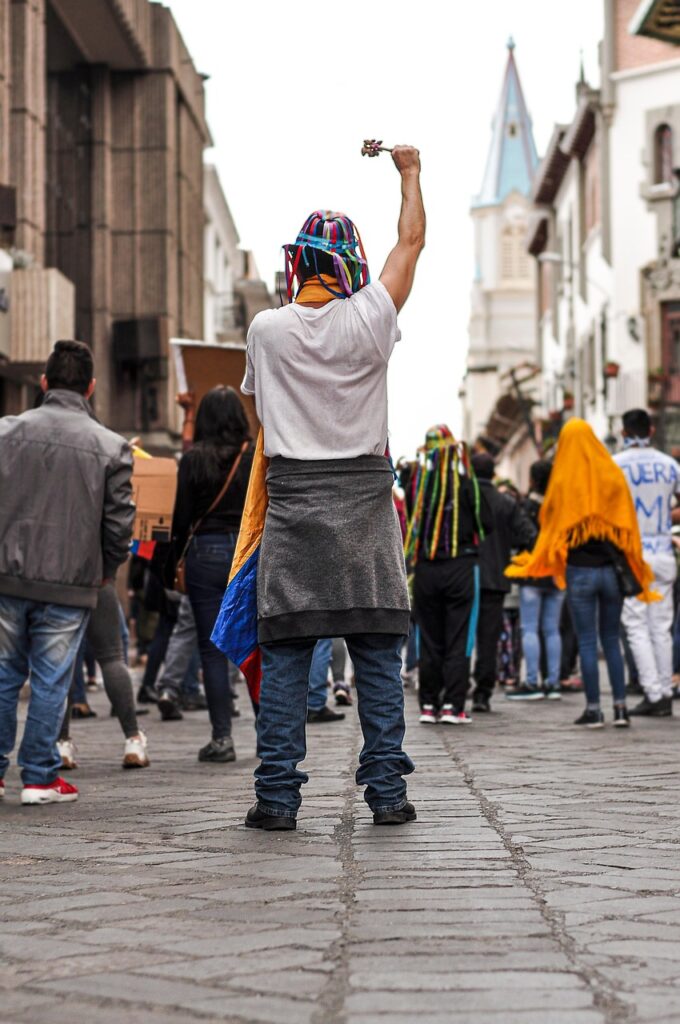
When the Oli government blocked platforms like Facebook, X, and YouTube—allegedly for failing to register with authorities—activists turned to apps still accessible in Nepal such as TikTok and Viber to organize mass demonstrations. Despite curfews and social media restrictions, thousands rallied nationwide, demanding systemic change.
Protests Escalate—19 Lives Lost
The demonstrations turned deadly when security forces clashed with protesters. At least 19 people were killed and scores injured, marking the worst political violence in Nepal in decades. Protesters set fire to government infrastructure, including the Singha Durbar government complex, parliament, and several political leaders’ homes.
Youth Disillusionment Meets Political Fallout
Nepal faces stark social and economic disparities: over 20 % of its 30 million population lives under the poverty line, and youth unemployment exceeded 22 % in 2022–23. Moreover, the income gap between the richest and poorest segments of society continues to widen.
Activists like “Sandip,” a Lalitpur-based influencer, highlighted how the protest was both spontaneous and widespread. Likewise, Gaurav Nepune, 34, emphasized that protesters sought a government free from corruption and foreign influence, particularly from India and China.
A Symbol of Change Emerges
Balendra Shah, a 35-year-old rapper-turned-mayor of Kathmandu, became a prominent symbol of hope for many protesters. Rejecting traditional party politics, Shah called Prime Minister Oli a “terrorist” insensitive to the losses endured by citizens, while urging his young supporters to remain calm and prepare to lead the nation.
Sudan Gurung, president of the NGO Hami Nepal, played a pivotal role in mobilizing protesters. Transitioning from humanitarian work to civic activism, Gurung and his organization utilized platforms like Instagram and Discord to coordinate peaceful demonstrations—fueling the viral “Nepo Kid” movement targeting nepotism and corruption.
Nation in Turmoil: Security, Travel, and Governance
The crisis extended beyond protests. Authorities shut down Tribhuvan International Airport, diverting multiple flights to India, including those from FlyDubai, IndiGo, and Thai Lion Air. IndiGo later suspended all operations in Nepal indefinitely.
In a move to quell further unrest, military and police leadership appealed for calm, hinting at possible intervention if violence continued. Oli assured the formation of an investigative committee to look into the shootings and promised compensation for victims’ families, though protests persisted even after his resignation.
What This Means for Nepal
Oli’s resignation signals more than a regime change—it marks a significant moment in Nepal’s political journey. With Gen Z leading the charge, the public has made it clear that transparency, accountability, and economic opportunity are non-negotiable. Figures like Shah and Gurung may very well shape Nepal’s next chapter.
Stay tuned as the nation seeks a new path forward—one defined by the voices of its youngest and most determined citizens.
Never Miss a Story: Join Our Newsletter