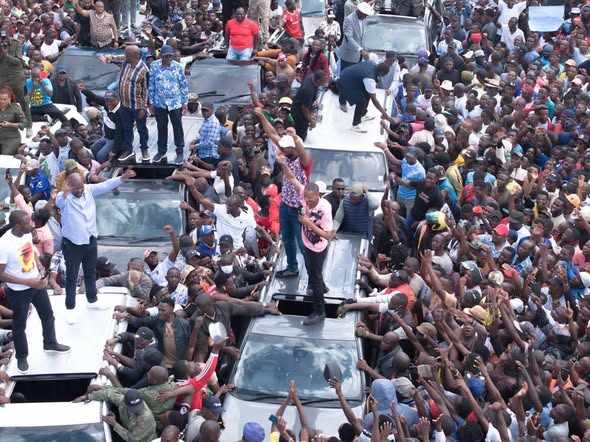
By any measure, Edwin Sifuna has become one of the most recognisable opposition voices in the country. As Senator for Nairobi City County, his messaging is sharp, legally grounded and politically confident.
But the real question is not whether Sifuna is talented.
It is whether there exists a credible coalition vehicle that could realistically carry him into State House — and whether an electorate fatigued by taxation pressure and corruption might be willing to take the risk on a candidate who is still visibly “in formation”.
This is an opinion analysis.
The uncomfortable truth: a party ticket alone will not take him to State House
Sifuna’s political roots sit firmly inside the Orange Democratic Movement (ODM). He has risen through its internal machinery and understands it better than most of his contemporaries.
Yet ODM, as a presidential launchpad, carries two structural limitations for him.
First, it remains historically and emotionally anchored around the leadership legacy of Raila Odinga. That legacy still commands loyalty, but it also shapes succession politics in ways that make generational transitions slow and tightly negotiated.
Second, ODM on its own — without a broader alliance — does not possess a winning national electoral map.
In short:
Sifuna may be influential within ODM, but ODM by itself is not the best coalition vehicle for a Sifuna presidency.
The coalition vehicle that suits Sifuna best
The most realistic platform for Sifuna is not a traditional party structure.
It is a reform-branded, urban–peri-urban–youth driven opposition coalition that draws from, but is not dominated by, any single legacy party.
Such a vehicle would have four defining features:
1. A negotiated umbrella, not a flagship party
Sifuna’s strongest political asset is that he is not heavily associated with old ethnic kingpin politics. That makes him better suited to an umbrella coalition that brings together:
- reform-minded legislators,
- younger opposition leaders,
- and technocratic policy voices
from multiple parties — including but not limited to ODM.
In Kenya’s real politics, this would mean a coalition similar in structure to previous grand alliances: a shared presidential vehicle built first through elite bargains, and later sold to voters as a reform alternative.
2. A strong urban and peri-urban mobilisation core
Sifuna’s natural base is not rural political patronage networks. It is:
- Nairobi
- large towns
- informal settlements
- young professionals
- organised civil society
This is where his tone, language and policy emphasis resonate most.
A coalition vehicle that deliberately builds around urban and peri-urban grievances — cost of living, taxation, jobs and corruption — would fit him far better than one built around regional power brokers alone.
3. A technocratic policy face for an economic protest moment
Kenya is drifting into a political phase where economic frustration is becoming more emotionally powerful than ethnic loyalty.
High taxation, shrinking household incomes and persistent corruption scandals have created a voter class that is not necessarily ideological — but deeply transactional in its anger.
A coalition that frames itself as:
“a competence and integrity rescue platform”
would give Sifuna a narrative advantage.
He speaks policy well. He speaks the Constitution well. He communicates institutional reform fluently. A coalition that elevates those strengths rather than hides them behind ethnic mobilisation would suit him strategically.
4. A senior political guarantor — not a competitor
This is the most sensitive part of Sifuna’s coalition future.
For him to become viable nationally, he would need at least one heavyweight political figure who:
- does not seek the presidency themselves,
- but is willing to guarantee elite buy-in,
- reassure financiers,
- and stabilise negotiations across regions.
Kenyan coalitions do not rise purely from grassroots energy. They rise when respected political brokers give the project credibility.
Without that guarantor, a Sifuna-led vehicle would struggle to convince regional elites to commit early.
Could a frustrated electorate still vote him in — even if he is not “fully ready”?
This is where the current political moment becomes interesting.
The government of William Ruto is increasingly being judged less on political messaging and more on lived economic pain. Taxation has become personal. Corruption has become exhausting. Household budgets are under daily strain.
In that environment, Kenyan voting behaviour can shift.
Not toward perfection — but toward protest.
Sifuna does not yet look like a fully assembled presidential machine.
But he does look like something increasingly attractive in protest politics:
a believable alternative to the status quo.
Why his “not-yet-ready” profile may actually help him
Paradoxically, Sifuna’s incompleteness may work in his favour.
He is not strongly associated with past administrations.
He is not linked to legacy corruption networks.
He is not burdened by long records of elite compromise.
For a voter who feels economically cornered, this matters.
When economic anger becomes dominant, voters begin to ask simpler questions:
- Who sounds honest?
- Who looks independent?
- Who seems less captured by political cartels?
Sifuna scores well on these symbolic tests.
But protest energy alone does not win Kenyan elections
There is a hard political ceiling to protest politics in Kenya.
Unless anger is translated into:
- polling station organisation,
- regional vote-delivery agreements,
- and coalition discipline,
it remains noise.
This is the gap Sifuna must still bridge.
He has momentum in the conversation space.
He does not yet command the logistics space.
Why the Obama comparison still matters — but only in one narrow sense
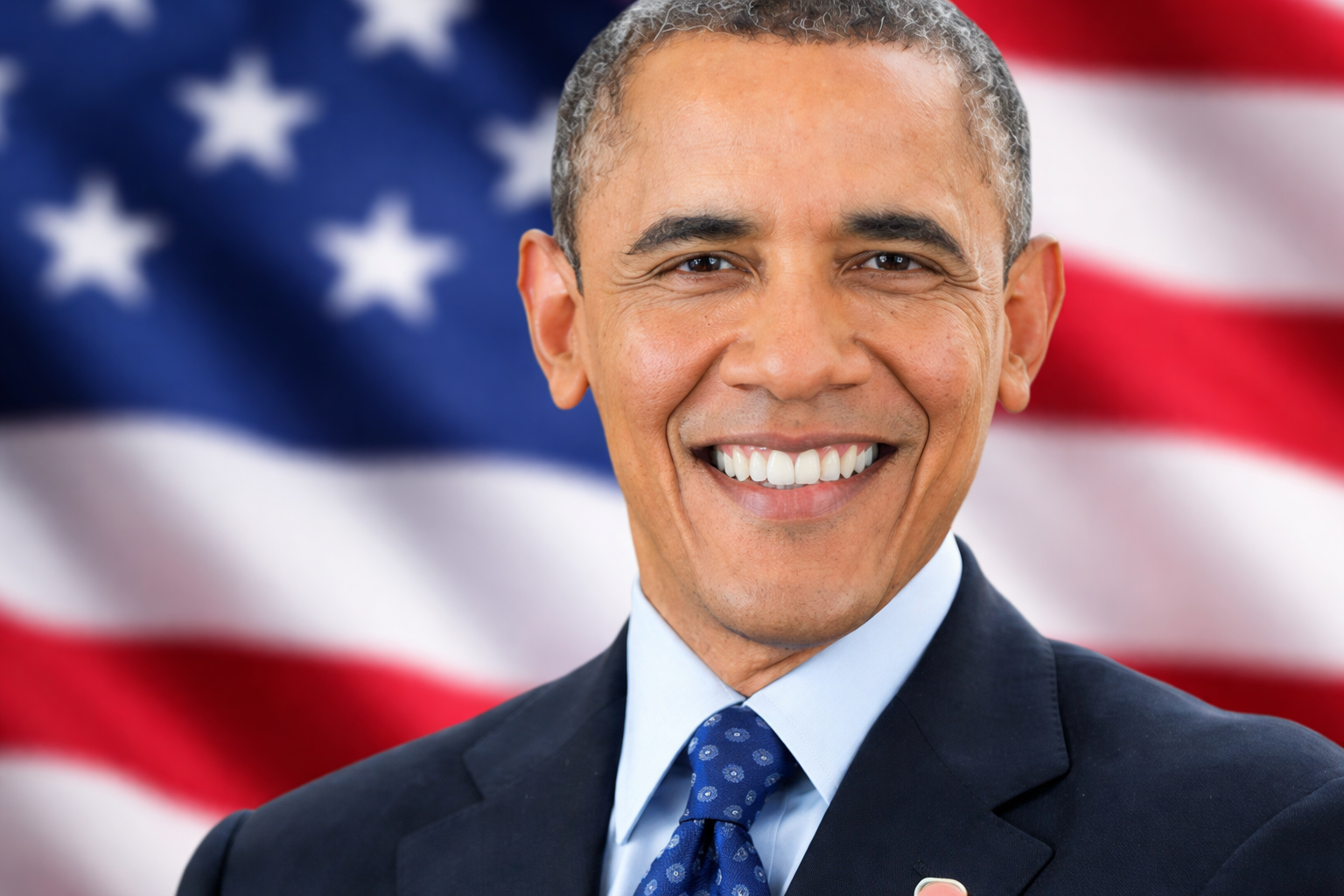
It is tempting to draw parallels with Barack Obama, who rose rapidly from the Senate to the presidency.
The real similarity is not institutional.
It is emotional.
Obama’s rise was powered by a voter mood that wanted to break with political inheritance. Sifuna’s potential lies in a Kenyan mood that increasingly wants to break with economic punishment and governance fatigue.
The difference is decisive, however:
In Kenya, protest candidates do not win alone.
They win only when protest energy is fused with elite coalition engineering.
Edwin Sifuna’s most viable route to State House is not through ODM alone.
It is through a deliberately constructed reform coalition that:
- centres urban and peri-urban economic frustration,
- speaks clearly on taxation and corruption,
- and is quietly stabilised by senior political guarantors.
Yes — Kenyans squeezed by taxes and exhausted by corruption could be swayed by his wave.
But that wave will only carry him to State House if it is placed on a disciplined coalition vehicle — not a single party ticket, and not a personality-driven movement.
At this moment, Sifuna looks less like an imminent presidential frontrunner — and more like a politician standing at the precise point where momentum must be converted into machinery.
In Kenya’s politics, history shows that this conversion — not brilliance — is what separates rising stars from presidents.
Never Miss a Story: Join Our Newsletter