
Yes, It Happens — But It’s Hidden
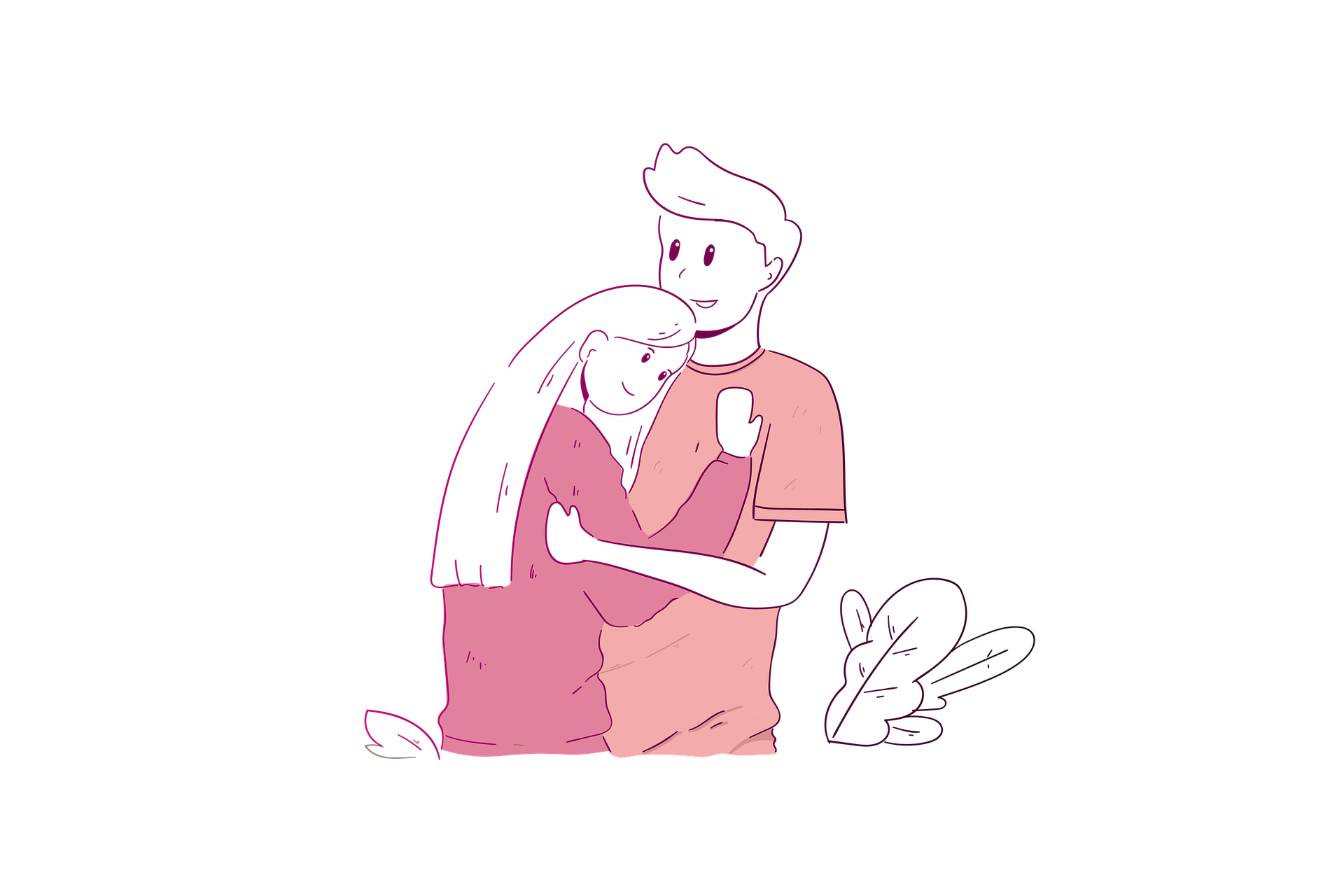
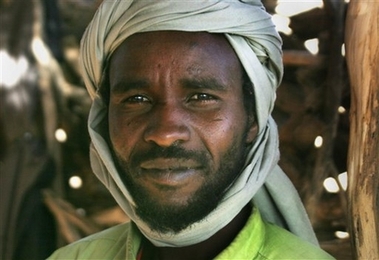
Domestic Violence Against Men in Kenya is a growing but largely hidden issue that continues to be misunderstood and underreported. While national conversations often center around the abuse of women and children — and rightly so — many men across the country are silently enduring physical, emotional, and psychological abuse in their own homes. In a society where masculinity is equated with strength and dominance, male victims of domestic violence are often dismissed, ridiculed, or ignored entirely. Yet their stories reveal a painful truth: abuse knows no gender. This article explores why men in Kenya suffer in silence and what can be done to support them.
Why Do Kenyan Men Suffer in Silence?
1. Cultural Masculinity Norms
Kenyan society, like many others, is deeply patriarchal. A man is expected to be strong, stoic, and dominant. Admitting that he is being abused — especially by a woman — is seen as a threat to his masculinity. Many fear being mocked or branded as “less of a man.”
“Unasema mwanamke anakupiga? Wewe ni mwanaume kweli?” (“You say a woman beats you? Are you even a real man?”)
This kind of ridicule silences many men, forcing them to endure abuse without support.
2. Lack of Legal and Social Support
Most domestic violence laws and shelters in Kenya are designed to protect women and children. Male victims often feel invisible within the legal system. Police officers may dismiss their complaints or advise them to “man up” and handle their issues at home.
Few safe spaces or counseling programs cater specifically to abused men, creating a vacuum in service delivery.
3. Fear of Losing Custody or Reputation
In cases involving children, men fear losing custody or access to their children if they report abuse. This fear is compounded by the likelihood that the justice system may assume they are the aggressors simply because of their gender.
Additionally, men often worry about damaging their public image or professional reputation, especially if they are community leaders, pastors, or business owners.
4. Emotional Manipulation and Economic Abuse
Abuse isn’t always physical. Some men report being:
- Constantly belittled by their spouses,
- Denied conjugal rights as a form of control,
- Financially manipulated, especially in relationships where the woman earns more.
Because society rarely views these experiences as “real abuse,” men feel confused and ashamed, unsure if what they’re going through even qualifies as domestic violence.
A Real-Life Glimpse
One case that drew national attention was that of a man in Nyeri who was physically abused by his wife. The story sparked national debate, but much of the coverage was mocking. Memes, jokes, and radio banter trivialized his suffering.
Instead of receiving empathy, the man became a source of entertainment, reinforcing the idea that men’s pain is not taken seriously in Kenya.
Where Do We Go from Here?
Raising Awareness
Domestic violence campaigns need to include male victims, addressing their unique challenges and emotional struggles. Media, civil society, and religious institutions have a role in shifting the narrative around gender-based violence.
Legal Reform and Gender-Inclusive Shelters
The Protection Against Domestic Violence Act (2015) should be better enforced with gender-neutral interpretations, and shelters or hotlines must cater to all genders.
Mental Health Support
We must normalize mental health services for men — providing therapy, support groups, and safe spaces where they can speak without shame or judgment.
Yes, Kenyan men do face domestic violence, but cultural expectations, social stigma, and systemic gaps keep them suffering in silence. It’s time to break the taboo and recognize that abuse has no gender. Real healing will begin when every victim’s voice is heard — and believed.
The silent suffering of male victims reveals a sobering reality: Domestic Violence Against Men in Kenya is real, yet social stigma and systemic neglect continue to keep it in the shadows. It is time for a cultural and institutional shift — one that recognizes abuse as a human problem, not just a women’s issue. Awareness, support systems, legal reforms, and a change in societal attitudes are essential if we are to create a just and compassionate environment for all victims, regardless of gender. By acknowledging the pain of men, we take a bold step toward true equality and healing in our communities.
Never Miss a Story: Join Our Newsletter