Kangundo Road has become one of Nairobi’s hottest property corridors, drawing a mix of investors, developers, and hopeful homeowners. Marketed as the next frontier for affordable land and rapid urban expansion, this semi-rural strip stretching from Ruai to Mwala in Machakos County has seen skyrocketing demand. But beneath the glossy brochures and promise of future highways lies a critical question: is this a real estate boom—or a speculative bubble waiting to burst?
The Allure of Kangundo Road
The appeal is easy to understand. Kangundo Road is strategically positioned just 25 to 40 kilometers from Nairobi’s Central Business District. It boasts easy connectivity via the Outering Road–Eastern Bypass loop, while the government has proposed further upgrades through the expansion of Kangundo Road into a dual carriageway.
For middle-class Kenyans priced out of Nairobi and Kiambu, Kangundo Road offers a dream: quarter-acre plots going for as low as KSh 350,000 to KSh 800,000. With flexible payment plans and a surge in saccos, land-buying companies, and chamas pushing group investments, real estate speculation on Kangundo Road has become a cultural phenomenon.
The Numbers Behind the Boom
According to data from the Kenya Bankers Association (2024), land prices in areas like Kamulu, Joska, and Malaa have appreciated by over 120% in the past six years. In contrast, other parts of Nairobi have witnessed stagnation or modest single-digit growth. This makes Kangundo Road the top-performing real estate sub-market outside the capital.
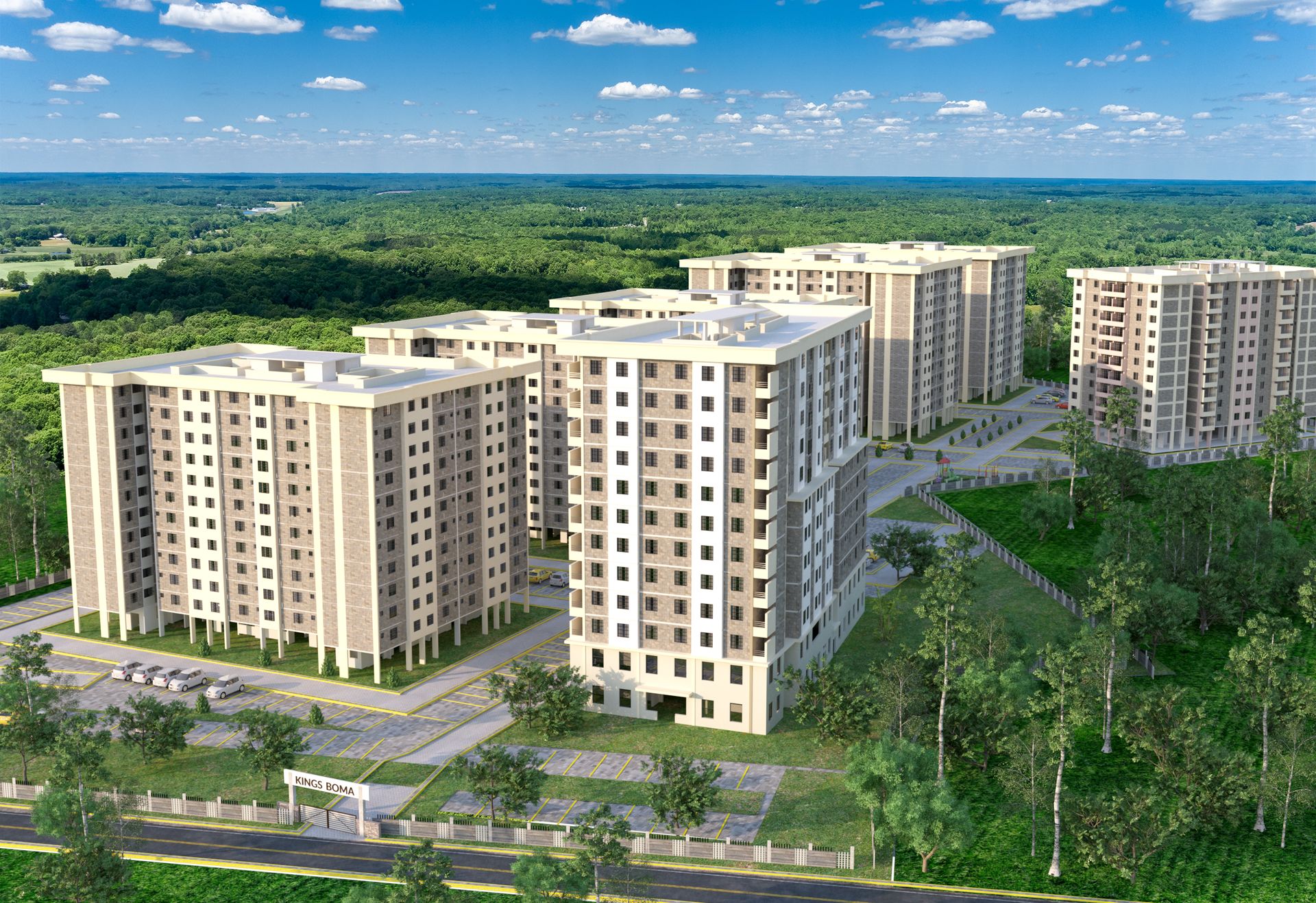
Several developers are also moving in. Budget gated communities, upcoming shopping centers, and even tech hubs have been announced. But in many cases, what exists is still only on paper—artists’ impressions rather than actual brick-and-mortar.
This speculative trend has led many to question whether there’s actual value creation or just hype-fueled land flipping.
Read Also: Airbnb and Marital Infidelity: A New Age Hideout or a Misunderstood Tool?
The Rise of Paper Wealth
In some cases, individuals who bought land five years ago are now selling it at four times the original price—without ever fencing it, servicing it, or building. These paper profits have drawn a new wave of speculators who see land not as a home but a high-yield financial instrument.
This is where the danger lies. The real estate speculation on Kangundo Road is largely fueled by hope: hope that a highway will be built, that water and sewer lines will follow, that demand will rise indefinitely. But if infrastructure projects stall—as they often do in Kenya—the perceived value may not materialize.
The 2008 Athi River housing boom offers a cautionary tale. Investors piled into off-plan apartments based on projected developments that took a decade to arrive. Many lost money; others are still waiting for occupancy certificates.
A Shaky Legal Landscape
Land in Kangundo Road is a mixed bag—some parcels have clean freehold or leasehold titles, while others are stuck in succession disputes or are simply agricultural land not yet converted for residential use. Buyers who don’t do due diligence risk getting duped.
According to the Ministry of Lands, over 40% of reported land fraud cases in Machakos County originate along Kangundo Road. The surge in buying has attracted unscrupulous sellers, fake title brokers, and phantom developers.
For the genuine investor or future homeowner, this is a legal minefield. Many only discover problems when they try to fence the land, build, or resell.
Infrastructure vs. Inertia
The entire Kangundo Road boom rests on anticipated development—roads, sewerage, water, and electricity. While some progress has been made, much remains in promise stage. Many plots lack even murram access roads. Boreholes serve entire communities due to lack of piped water. Power poles stop several kilometers short of some estates.
This lack of basic services could stunt long-term growth and make the land less attractive to serious developers. The risk is that thousands of people buy land with no intention or capacity to build, leading to ghost estates—a situation already seen in parts of Matuu and Kamulu.
Read Also: How to Apply for Kenya’s Affordable Housing Units: A Step-by-Step Guide
Who’s Actually Building?
A 2023 survey by the Architectural Association of Kenya found that only 30% of those who buy land along Kangundo Road begin construction within five years. The rest either hold it for speculation or face financial constraints.
This means demand is being driven by landowners, not home seekers. And when an entire market is motivated by resale value rather than use value, a bubble becomes a real possibility.
Can This Be Sustained?
Real estate booms need a solid economic backbone: employment centers, industrial growth, and population shifts. For Kangundo Road, there’s some movement—companies relocating from Nairobi due to cheaper land and rents, growing residential demand due to congestion in Ruai and Utawala, and youth returning to build in ancestral counties.
However, if infrastructure delays persist and policy inconsistencies continue (such as the back-and-forth on land regularization or title issuance), this momentum could fizzle.
Government intervention, while helpful in boosting confidence, can’t substitute for organic growth driven by genuine demand.
Caution or Opportunity?
For those with long-term vision and a tolerance for risk, Kangundo Road remains a promising investment. But buyers must approach with clarity:
- Confirm land use status and verify titles.
- Buy in areas where roads and utilities are already underway, not just promised.
- Avoid herd mentality and over-leveraging to buy land whose value depends entirely on future speculation.
Kenya’s property market is known for resilience, but not immunity. Speculation, if unchecked, can collapse under its own weight—as seen in parts of Dubai, Spain, and even Nairobi’s apartment market during the COVID slump.
Real estate speculation on Kangundo Road reflects both hope and hazard. It’s a story of ambitious infrastructure dreams, desperate home seekers, and opportunistic investors. While it may currently look like a boom, the sustainability of this growth depends on prudent policy, infrastructure delivery, and investor responsibility.
The question is not whether Kangundo Road will grow—it already is. The real question is: will it grow smartly, sustainably, and equitably? Or will it follow the path of so many bubbles before it—rising fast, then bursting with silence?
Never Miss a Story: Join Our Newsletter