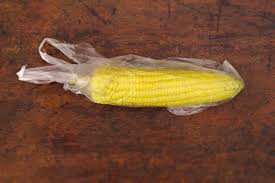
Across many towns, markets and highways in Kenya, a quiet change has taken place in how boiled maize (mahindi ya kuchemsha) is prepared and kept hot. More vendors are now using thick polythene sheets or plastic bags to cover maize, or to hold the maize while it sits in hot water, mainly to preserve heat and reduce fuel costs.
While the intention is practical and understandable, this method introduces a real and avoidable public-health risk.
Why vendors are turning to polythene
Rising charcoal, firewood and gas prices have forced many small traders to look for ways to keep food hot for longer without reheating. Polythene sheets are cheap, easy to find and simple to reuse. Once the maize is boiled, the plastic is used to trap heat and steam so that the food remains warm for several hours.
In busy roadside environments, this also makes serving faster and reduces the need to keep lighting the stove. From a business point of view, the practice makes sense. From a health point of view, it does not.
The real issue: most polythene is not made for boiling food
The majority of plastic sheets and bags used by street vendors are not food-grade. They are general packaging materials bought in open markets or reused from other products. They are not designed to come into direct contact with boiling water, hot steam or very hot food.
When ordinary plastic is exposed to high temperatures, it does not remain chemically stable. Even though it may look unchanged, its structure begins to soften and break down.
This matters because plastics are manufactured using various additives and processing chemicals. Under heat, some of these substances can move out of the plastic and into the surrounding water or directly into the maize. This process is known as chemical leaching.
Why heat and steam make the risk much higher
Plastic behaves very differently when it is cold compared to when it is heated. Hot water and steam significantly increase the movement of chemicals from plastic into food.
Boiled maize is usually prepared early and then kept hot for long periods. During this time, the maize remains in a moist and steamy environment. These conditions accelerate the transfer of unwanted substances from the polythene into the food.
In simple terms, the longer hot maize stays in contact with plastic, the greater the opportunity for contamination.
The Kenyan street-food context makes the problem worse
In formal food establishments, only certified food-contact materials are allowed to touch hot food. In informal vending, this control rarely exists.
Many of the polythene sheets used on the street were originally made for purposes such as industrial packaging, storage or transport. They were never intended to touch food, let alone boiling water.
Because there is no clear labelling or regulation at the point of sale, vendors themselves often cannot tell whether a plastic sheet is safe for food use. In practice, almost all of the plastics used in these settings should be treated as non-food materials.
Reusing the same plastic increases exposure
Another important concern is repeated use. The same polythene sheet is often heated, cooled and reheated many times in a single day.
Each heating cycle weakens the plastic structure. Over time, this speeds up its breakdown and increases the likelihood that small chemical residues and microscopic plastic particles are released into the food or water. Even when the sheet looks clean and strong, its safety has already declined.
This is not about bad taste or immediate illness
For the public, it is important to be clear about what this risk actually looks like.
Boiled maize that has been kept in polythene will usually taste normal. It rarely causes sudden stomach upset or obvious food poisoning. The concern is not short-term illness.
The real danger lies in long-term, repeated exposure to small amounts of substances that should not be present in food. When such exposure happens regularly — especially for people who eat roadside food frequently — it becomes a chronic public-health concern rather than an immediate one.
This is why the practice can continue unnoticed for years.
“We have eaten maize like this for a long time”
Many Kenyans will understandably say that this method has been used for years without visible problems. However, history shows that many environmental and food-related health risks only become clear after long periods of exposure.
Raising awareness is not about blaming vendors or discouraging people from buying street food. It is about recognising a preventable risk and correcting it early, before it becomes widespread and normalised.
The simple truth
Boiling maize while it is wrapped, covered or enclosed in polythene is unsafe.
The maize itself is not the problem. The problem is the direct contact between hot food, hot water or steam and non-food plastic.
Safer and realistic ways to keep maize hot
Keeping maize warm does not require plastic to touch the food. A well-covered metal sufuria retains heat effectively on its own. Additional insulation can be placed around the outside of the pot using a sack, thick cloth or insulated cover. Maize can also safely remain in hot water inside the pot until it is served.
These methods preserve heat, reduce fuel use and protect the food at the same time.
What consumers can do
Consumers also influence how food is handled. Choosing maize served directly from a covered pot, rather than maize that has been sitting inside a plastic bag or plastic-lined container, encourages safer practices.
A simple and respectful question such as:
“Hii mahindi ilikuwa imekaa ndani ya mfuko wa plastiki?”
can raise awareness without confronting the vendor.
A public-health message for Kenya’s street-food culture
Kenya’s street-food economy feeds millions of people every day and supports thousands of families. Protecting this sector also means protecting the way food is prepared and stored.
The growing use of polythene to boil or hold hot maize is driven by fuel costs, convenience and limited awareness — not bad intentions. Yet the health risk is real, and it is entirely avoidable.
Heat, non-food plastic and direct contact with food should never go together. With small and affordable changes, vendors can continue to sell safe, trusted boiled maize while protecting the health of the public they serve.
Never Miss a Story: Join Our Newsletter