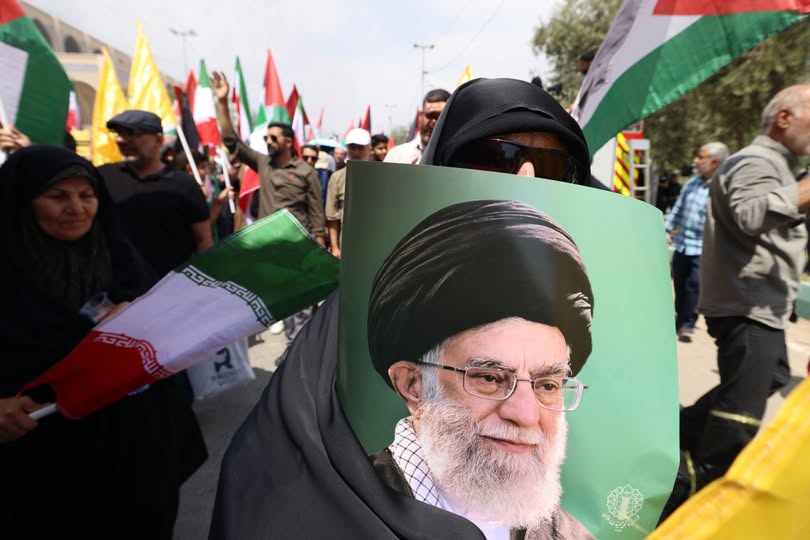
Iran Protests Intensify as Supreme Leader Khamenei Vows Not to Back Down
Jan 9/26 by Albert Simiyu
Iran is facing a new wave of nationwide protests as public anger over economic hardship and political repression spills onto the streets, prompting a forceful response from the country’s leadership and renewed international scrutiny.
The demonstrations, which began in late December 2025, were initially driven by frustration over soaring inflation, unemployment, and the sharp decline of the Iranian rial. They have since expanded into broader expressions of dissent against Iran’s ruling clerical system, with protesters openly challenging the authority of the Islamic Republic.
In a televised speech on January 9, 2026, Supreme Leader Ayatollah Ali Khamenei adopted a defiant tone, declaring that the government “will not back down” in the face of the unrest. He dismissed demonstrators as “vandals and saboteurs” and accused them of acting to serve foreign interests.
Khamenei also alleged that protesters were seeking to “please” U.S. President Donald Trump, whom he accused of having his “hands stained with the blood of Iranians,” reinforcing the long-standing narrative by Iranian authorities that domestic unrest is fueled by outside forces.
Crackdown and Internet Restrictions
As protests spread across multiple cities, Iranian authorities moved swiftly to contain them. Security forces were deployed in large numbers, and rights groups report widespread arrests. Iranian officials have warned that those involved in violence or attacks on public property could face severe punishment.
At the same time, the government sharply restricted internet access nationwide, limiting the flow of information and making it difficult for protesters to organize or for footage of the demonstrations to reach the outside world. Similar measures have been used during past periods of unrest to suppress mobilization and media coverage.
Despite these restrictions, videos circulated before the shutdown showed crowds chanting slogans against the leadership and, in some cases, setting fire to symbols associated with the state. Some chants referenced Iran’s pre-revolutionary past, reflecting the depth of frustration among segments of the population, though there is no clear evidence of a unified opposition leadership behind the protests.
A Familiar Pattern of Dissent
Human rights organizations say the crackdown has turned deadly in some instances, though exact casualty figures remain unclear due to limited access and the absence of official data. Authorities have not released comprehensive numbers on deaths or detentions.
The current unrest echoes previous protest movements, including the 2022–2023 demonstrations sparked by the death of Mahsa Amini, but analysts note that the underlying pressures are intensifying. Years of economic sanctions, government mismanagement, and political restrictions have left many Iranians increasingly disillusioned with the ruling establishment.
For Iran’s leadership, the protests represent another serious test of control. For protesters, they are a sign of deepening anger over living conditions and limited political freedoms. Whether the government’s hard-line approach will succeed in quelling dissent — or further inflame it — remains uncertain.
Karen Nyamu: Family, Relationships, Age, Tribe, Lifestyle, Net Worth & Full Biography
Jan 9/26 by Albert Simiyu
Karen Njeri Nyamu is a high-profile Kenyan lawyer, politician, entrepreneur, and social media personality, currently serving as a Nominated Senator in the Senate of Kenya under the United Democratic Alliance (UDA). She is well known for her outspoken public presence, legal career, and business interests.
Early Life & Family Background
Karen Nyamu was born on 1 January 1987 in Nairobi, Kenya, and grew up in the Eastlands area of the capital. She was raised in a family that valued education — her father reportedly worked as a high school principal, and her mother was an early childhood education teacher.
She is one of several siblings, though detailed public information on her extended family is limited.
Age, Tribe & Education
As of 2025, Karen Nyamu is 38 years old (born in 1987). She is of Kikuyu descent, one of Kenya’s largest and most influential ethnic groups.
Karen attended primary and secondary school in Nairobi and Embu before pursuing higher education in law. She graduated from the University of Nairobi with a Bachelor of Laws (LL.B) and was later admitted to the bar after attending the Kenya School of Law.
Legal Career & Professional Life
Before entering politics full-time, Nyamu established herself professionally as a lawyer and advocate, founding Njeri Nyamu & Co. Advocates, a Nairobi-based law firm specialising in conveyancing, corporate law, and civil litigation.
She has also served as a Director at Nairobi Water and Sewerage Company, contributing to governance reforms in a key public utility
Political Career & Public Service
Nyamu’s political journey has been active since 2017:
In 2017, she vied for the Nairobi Woman Representative seat on a Jubilee Party ticket but was unsuccessful.
She later served as a County Executive Committee (CEC) Member for Agriculture under the then-Governor of Nairobi.
In 2022, she was nominated to the Senate of Kenya under the UDA party, where she has been involved in legislative work and national oversight.
Her political style combines legislative work with active public engagement and frequent commentary on social issues.
Personal Life: Marital Status & Children
Marital Status
Karen Nyamu is not publicly married as of 2025. She has publicly spoken about her perspectives on marriage and relationships, including acknowledging that her experiences have shaped her views on the institution of marriage.
Partnerships & Relationships
Nyamu’s personal life has received significant public attention due to high-profile relationships:
She was involved in a widely covered relationship with Mugithi singer Samidoh (Samuel Muchoki), with whom she has two children.
She also has a daughter from a previous relationship with DJ Saint Kevin, making her a mother of three children in total.
In recent years, Nyamu has publicly stated she is in a new relationship with someone who prefers privacy, separate from her past relationships.
Her relationships, particularly with Samidoh, have occasionally played out in the public eye, including sensational media coverage and social media commentary..
Lifestyle & Public Image
Karen Nyamu is known for a lifestyle that combines politics, entrepreneurship, and high social visibility:
She frequently shares aspects of her life on social media, demonstrating her fashion sense, travels, and lifestyle choices.
Nyamu has occasionally courted controversy — such as being asked to leave the Senate chamber over dress code issues — illustrating how her bold public persona contributes to strong public reactions.
She also engages with issues affecting youth and women and uses her platform for advocacy on social media and public forums.
Business Ventures & Sources of Income
In addition to her legal and political careers, Nyamu has diversified her income through business interests:
She runs her law firm, Njeri Nyamu & Co. Advocates.
She has stakes in real estate and related ventures such as KN Luxury Properties and Karen Wine & Spirits, reflecting entrepreneurial activity beyond politics.
Her professional roles have also included directorship positions in public service organisations.
Net Worth & Financial Profile
Various assessments suggest that Karen Nyamu’s net worth is substantial and diversified. Estimates place her net worth in the range of ~KSh 200 million (about USD ~$1.5M), driven by her legal practice, political salary, business ventures, and investments in real estate and shares.
As a nominated senator, her monthly salary and allowances are also a significant source of income, with recent disclosures indicating earnings in the neighborhood of KSh ~1.2 million per month — though public reporting on this has been mixed.
Controversy & Public Scrutiny
Karen Nyamu’s profile as a politician and public figure has not been without controversy:
Her personal relationships have often sparked media attention and debate.
She defended her stance on relationships and polygamy publicly, citing Kenyan law permitting such unions.
She has been subject to memes, social commentary, and public debate around both her personal choices and her political conduct.
Despite this, she maintains a strong base of followers and continues to be an influential voice in Kenyan public life.
Summary of Key Facts
Full Name: Karen Njeri Nyamu
Date of Birth / Age: 1 January 1987 — 38 (2025)
Tribe: Kikuyu
Education: Bachelor of Laws, University of Nairobi; admitted to bar after Kenya School of Law
Profession: Lawyer, Politician, Entrepreneur
Current Role: Nominated Senator, United Democratic Alliance (UDA)
Marital Status: Not married; in a private relationship
Children: Three (two with Samidoh, one with DJ Saint Kevin)
Lifestyle: High-profile, socially visible, politically active
Net Worth: Estimated ~KSh 200M (~USD 1.5M+)
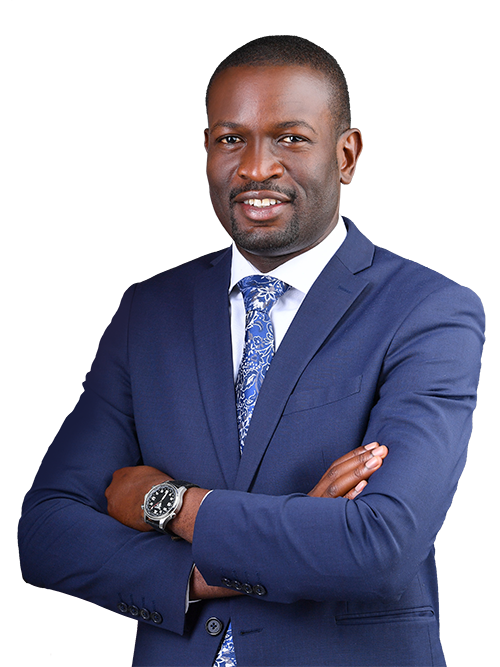
Edwin Sifuna: Family, Wife, Age, Tribe, Lifestyle, Net Worth & Full Biography
Jan 9/26 by Albert Simiyu
Edwin Watenya Sifuna (born 22 May 1982) is a prominent Kenyan lawyer and politician who currently serves as the Senator for Nairobi City County and Secretary-General of the Orange Democratic Movement (ODM). He is also the Deputy Minority Whip in the Senate of Kenya, known for his strong advocacy on governance, transparency, and social justice.
Early Life & Family Background
Edwin Sifuna was born on 22 May 1982 in Mumias, Kakamega County, in Western Kenya, into a close-knit family. His father served as a civil servant with the defunct Municipal Council, and his mother was a teacher at Moi Primary School in Bungoma before retiring. He grew up with two brothers and two sisters, and family remains a central part of his identity and values.
Age & Tribe
As of 2025, Edwin Sifuna is 43 years old. He is a proud member of the Luhya community (Bukusu sub-group) — one of Kenya’s largest ethnic groups in the Western region known for cultural resilience and political engagement.
Education & Early Career
Sifuna began his education at Kakamega Township Primary School and later attended Musingu High School for his secondary education. He went on to pursue legal studies at the University of Nairobi, where he earned his Bachelor of Laws (LL.B) degree in 2006. He then obtained a Postgraduate Diploma from the Kenya School of Law in 2007 and was admitted to the Roll of Advocates in 2008.
Before entering full-time politics, Sifuna worked as a lawyer, establishing his own firm, E. Sifuna & Associates Advocates, and serving in various legal leadership roles including active participation in the Law Society of Kenya (LSK) and driving internal reforms.
Political Career & Rise to Prominence
Sifuna’s entry into politics was driven by a desire to address inequality, promote justice, and uplift ordinary Kenyans. He began his political engagement in 2013 with the Coalition for Reforms & Democracy (CORD) as a Technical/Advisory Committee member and later served in the National Super Alliance (NASA) in a similar capacity.
In 2017, he sought the ODM ticket for the Kanduyi Parliamentary seat but was unsuccessful. Despite this setback, ODM directly nominated him to run for Nairobi Senator, where he narrowly lost to Johnson Sakaja. This raised his profile nationally.
In 2018, he was appointed Secretary-General of the Orange Democratic Movement (ODM), one of Kenya’s most influential political parties, a role that placed him at the heart of national politics at just 36 years old.
In the 2022 Kenyan General Election, Sifuna contested for the Nairobi Senatorial seat again and won decisively, securing 716,876 votes to represent the people of Nairobi County. He was subsequently appointed Deputy Minority Whip in the Senate, enhancing his influence on legislative affairs.
As Senator, he has been active on key issues including devolution, governance, service delivery, and transparency, and has sponsored and supported bills aimed at strengthening institutional accountability.
Personal Life: Wife & Children
Edwin Sifuna is married to Didi Wamukoya, a lawyer and environmental advocate. The couple met during their time at the University of Nairobi, where both were pursuing legal careers. Didi holds degrees in Law and Environmental Studies and was admitted to the bar in 2007.
The couple has one daughter together, whom Sifuna often speaks of with pride, emphasizing the importance of family values and support.
Despite his public profile, Sifuna keeps much of his personal family life private, preferring to focus public attention on his political work and advocacy.
Lifestyle & Public Image
Although a high-profile politician with national influence, Edwin Sifuna is often described as down-to-earth and focused on service rather than personal extravagance. Analysts suggest that he maintains a balanced lifestyle grounded in family and civic engagement, frequently advocating for issues that affect ordinary Kenyans, including youth empowerment, women’s representation, and equitable access to opportunities.
He enjoys sports, particularly football, and is known to support AFC Leopards and Chelsea Football Club, showing a personal side that resonates with many Kenyans.
Values & Advocacy
Raised in a Catholic background, Sifuna’s upbringing emphasized integrity, honesty, and service — values that have carried into his legal and political career. He is a strong advocate for women’s inclusion in politics, championing initiatives such as the “He for She” project implemented through the ODM Women League to support female aspirants.
He is also known for engaging young people in civic processes, including supporting voter registration drives and legal assistance for youth and women’s organizations.
Net Worth & Financial Profile
Estimating a politician’s net worth can vary by source and methodology, but public estimates place Edwin Sifuna’s net worth between approximately $100,000 and $1 million — reflecting earnings from his legal practice, political roles, and investments.
As a Kenyan Senator, his monthly salary before allowances is guided by the Salaries and Remuneration Commission, with legislators earning in the region of KSh 700,000+ per month.
Sifuna has also stated publicly that he rejected a proposed salary increase on principle, highlighting a leadership ethos that values service and fairness over personal gain.
Some reports also mention his ownership of real estate and land holdings, though these details are not comprehensively public and should be viewed as indicative not definitive.
Legacy & Public Influence
Today, Edwin Sifuna is seen as one of Kenya’s influential modern political leaders, respected for his legal expertise, eloquence in public discourse, and his vigorous defense of democratic principles. His rise from legal practice to national politics symbolizes a blend of intellectual strength, grassroots connection, and policy advocacy.
Many political analysts consider him a leader to watch, given his articulate engagement on national issues and his role within one of Kenya’s main political parties.
Summary of Key Facts
Full Name: Edwin Watenya Sifuna
Date of Birth / Age: 22 May 1982 — 43 years old (2025)
Tribe: Luhya (Bukusu community)
Education: LL.B (University of Nairobi); Postgraduate Diploma (Kenya School of Law)
Profession: Lawyer and Politician
Current Roles: Senator of Nairobi City County; ODM Secretary-General; Deputy Minority Whip
Wife: Didi Wamukoya
Children: One daughter
Lifestyle: Family-oriented, service-driven
Net Worth: $100,000–$1 million (estimated)
Values: Integrity, public service, youth and women’s empowerment
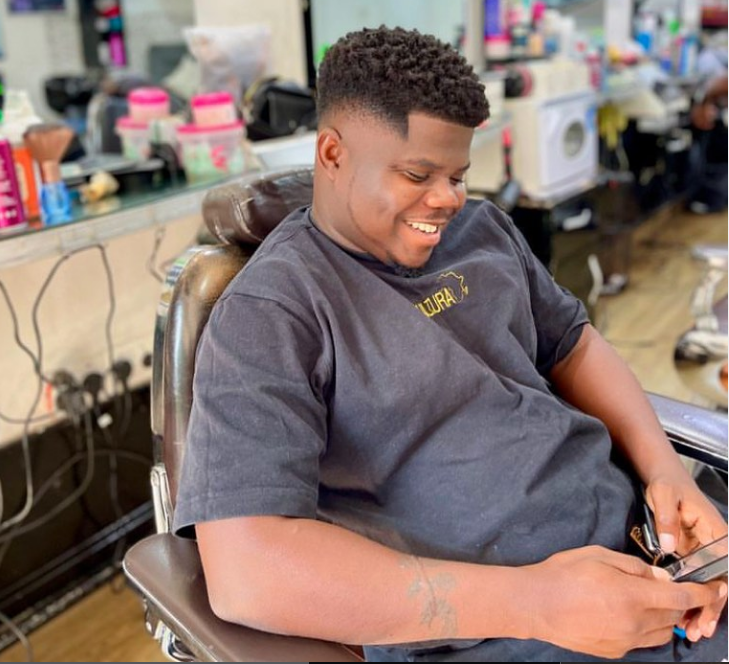
Wode Maya: Family, Wife, Age, Tribe, Lifestyle, Net Worth & Full Biography — A Deep Dive
Jan 9/26 by Albert Simiyu
Berthold Kobby Winkler Ackon, popularly known as Wode Maya, is a Ghanaian YouTube personality, travel and lifestyle vlogger, digital media influencer, entrepreneur, and cultural diplomat renowned for reshaping the narrative about Africa through digital storytelling and travel content.
Early Life & Family Background
Wode Maya was born on 3 March 1994 in Ahekofi, a village in Kofikrom, Western Region of Ghana. His birth name, Berthold Kobby Winkler Ackon, reflects Ghanaian heritage, and while specific details about his parents and siblings are not widely publicized, his upbringing in a modest Ghanaian household helped shape his work ethic and worldview.
As a youth, he demonstrated strong academic ambition and a curiosity about the world — qualities that later translated into his adventurous career. His early environment imbued him with the resilience and creativity that would define his media work.
Age: Born 3 March 1994, Wode Maya is 31 years old as of 2025.
Tribe/Nationality: He is Ghanaian, hailing from the Western Region of Ghana. His cultural identity is grounded in Ghanaian traditions and a broader Pan-African outlook that he promotes in his work.
Ethnicity: He is part of Ghana’s culturally rich and diverse ethnic tapestry, though specific tribal affiliation beyond nationality isn’t widely highlighted.
Education & Early Influences
Wode Maya’s academic journey began in Ghana and continued abroad when he earned a degree in Aeronautical Engineering from Shenyang Aerospace University in China. He also attended the Beijing Language and Culture University (BLCU), where he became fluent in Mandarin and immersed himself in Chinese culture.
It was during his time as a student in China that he began documenting his experiences on video — a practice that laid the groundwork for his future media career. His breakthrough came through sharing stories that challenged mainstream portrayals of Africa and African diaspora life abroad.
Career & Rise to Global Recognition
From Engineering to Digital Media
After completing his studies, Wode Maya initially worked in the field of aeronautical engineering but eventually chose to pursue content creation full-time.
He started his YouTube channel “WODEMAYA” in 2013, initially focusing on his life as an African in China and broader cultural experiences. Over time, his content evolved to showcase African cultures, travel stories, entrepreneurship, and positive narratives that counter negative stereotypes about Africa.
YouTube & Digital Influence
Today, Wode Maya’s channel is one of Africa’s most influential travel and lifestyle platforms on YouTube, with over 1.8 million subscribers and nearly 300 million views across his videos as of late 2025.
He has travelled extensively — to 30+ African countries — documenting stories of individuals, communities, entrepreneurs, and cultural icons that reflect Africa’s diversity and potential.
He has interviewed prominent figures including former Ghanaian Presidents John Kufuor and John Dramani Mahama, renowned Kenyan lawyer Prof. PLO Lumumba, and several Africa-based business leaders.
Africa to the World Project
One of Wode Maya’s flagship undertakings is the “Africa to the World” project, a movement aimed at changing negative perceptions about the continent and encouraging tourism, investment, and cultural pride.
Public Recognition & Diplomatic Role
In September 2025, Wode Maya was granted a diplomatic passport by the Government of Ghana in recognition of his role in promoting Ghanaian and African culture internationally — placing him among a select group of creatives acknowledged for cultural diplomacy.
Personal Life: Wife & Family
Marriage
Wode Maya is married to Miss Trudy (real name Getrude Awino Njeri Juma), a Kenyan YouTuber and digital creator. Miss Trudy’s career in content creation — focusing on travel and lifestyle — complements Wode Maya’s, and the couple often collaborate on projects, travel content, and digital storytelling.
The pair were married in September 2022, and their union has garnered significant attention across African media and social platforms.
Family & Personal Roots
Although there’s no widely available public record of children, Wode Maya’s content frequently shows his travels alongside his wife Miss Trudy, highlighting their shared journey both professionally and personally.
Wode Maya leads a lifestyle that blends travel, creativity, entrepreneurship, and cultural engagement:
He travels extensively across Africa and beyond to document stories of people, landscapes, and cultural heritage rarely seen in mainstream media.
He champions Pan-Africanism, economic empowerment, tourism, and education through his digital platform and public engagements.
His work places emphasis on authenticity, connection with local communities, and uplifting narratives that shift global perspectives on Africa.
Wode Maya also engages in philanthropic efforts, including donating to community projects such as transforming a dumpsite into a park and raising funds for children’s education.
Entrepreneurship & Other Ventures
Beyond YouTube, Wode Maya has expanded into entrepreneurship:
He launched a real estate venture — sometimes referred to as Charliemag Estate or Maya Homes — focusing on creative and community-centric developments in Accra, Ghana.
He owns properties in Ghana and Kenya, including spaces used for Airbnb rentals and creative collaboration, further diversifying his income streams alongside his digital media revenue.
These investments reflect his commitment to sustainable growth and community impact beyond content creation.
Net Worth & Earnings
Estimating a digital creator’s wealth is inherently approximate, but available analyses suggest:
Net worth:Estimated between $500,000 and $1.5 million, reflecting success from YouTube ad revenue, brand partnerships, sponsored content, entrepreneurial ventures, and real estate.
Monthly YouTube earnings: Estimated between $30,000 and $50,000, based on views and monetisation — though this can fluctuate with content and platform growth.
These figures position him among Africa’s top-earning digital creators and influential voices in online media.
Awards & Accolades
Wode Maya’s career has brought him recognition within and beyond Africa:
Online Creator of the Year (2022) at the Entertainment Achievement Awards for his contributions to digital media.
Invitations to cover major global forums such as the World Economic Forum (Davos) and Munich Security Conference (2023) — notable achievements for a travel/content creator.
His influence has helped broaden global understanding of African cultures, markets, and social dynamics.
Legacy & Impact
Wode Maya represents a new generation of African storytellers redefining how the continent is perceived globally. Through digital media, he has:
Challenged stereotypes and negative narratives about Africa.
Promoted travel, tourism, investment, and cultural appreciation across diverse African countries.
Inspired countless young Africans to pursue digital careers and entrepreneurial ventures.
His work continues to evolve, emphasizing cultural pride, economic empowerment, and community development — making him one of Africa’s most influential digital ambassadors.
Summary of Key Facts
Full Name: Berthold Kobby Winkler Ackon (Wode Maya)
Date of Birth / Age: 3 March 1994 — 31 years old (2025)
Nationality / Tribe: Ghanaian
Education: Aeronautical Engineering, Shenyang Aerospace University; language and cultural studies in China
Recognition: Diplomatic passport, creator awards, global forums
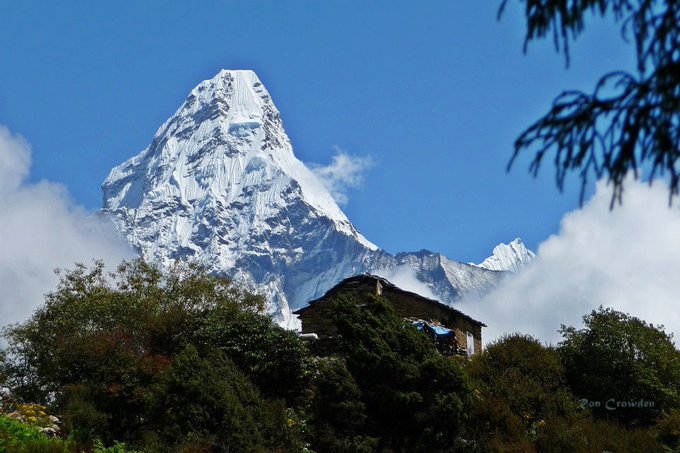
Is climbing Mount Everest a suicide mission in disguise?
Jan 8/26 by Albert Simiyu
Three climbers, on the week ending May, perished on Mt. Everest pushing the death toll to nine in the 2019 climbing season alone. At 8848 meters (29,029 ft), Mount Everest is undeniably the world’s highest mountain, and owing to its exclusive height, this landmark has for years remained a tempting target for hoards of mountaineers seeking to satisfy their appetite for a record-breaking adventure. But did you know that a hike to this sky-scraping peak is a handshake with death?
Nepal’s director of
the tourism department Mr.
Meera Acharyaconfirmed two of the deaths that occurred on
the Nepali side. Dhruba BistaaNepali climbing guide was picked up by a helicopter after falling
ill only to die at the base camp on Friday, May 25th.
The next day, Robin
Haynes Fisher also died as he descended from the
summit. The British climber succumbed to complications that were closely
related to altitude sickness at 28,215 feet.
On Friday morning,
56-year-old Kevin Hynes
from Ireland died in his tent on the Tibetan side of the Everest at 22,966 feet
or 7000 meters. According to the UK Press Association report, the father of two
was hiking with a group from a UK based company known as 360 Expeditions
Hynes had climbed
8300 meters on Wednesday, May 23rd but changed his mind and turned
back the next day in the safe company of experienced guide Dawa Sangee.
In
a statement of condolence, 360 expeditions said Hynes was “one
of the strongest and most experienced climbers on our team,”
Earlier
that week, a multitude of climbers was stuck in a queue to the peak somewhere
above Mt. Everest’s highest camp at 26,247 feet (8000 meters). As a result, an
American climber Donald Lynn Cash, 55, died on Wednesday, May 23rd.
Two
more Indian climbers, Nihal Bagwan,
27 and Kalpana Das, on Thursday, May 24th
succumbed to the harsh high altitude conditions and died on their way down from
the summit.
Earlier
on, on May 17th, a 28year old Indian climber only going the name Ravi
passed on in similar circumstances.
Quick facts about Mount Everest
Countries:
Nepal and China
Mountain
range: Himalayas
First
ascent: May 29th, 1953
Elevation:
8848 meters
Deaths:
over 300
Another
traffic jam victim Anjali Kulkarni
added to the list of casualties when she died while on her way down from the
peak. The vagaries of Mt Everest’s high altitude circumvented Anjali’s
over twenty-five years of climbing experience and brought her adventurous
career to an icing end.
Speaking
to CNN, her grief-stricken son Shantanu Kulkarni
said his mum had successfully scaled Mount Elbrus in Russia and the East
African Mount Kilimanjaro before. He was at a loss to explain why tragedy
struck at a time when she was only trying to take her mountain climbing
ventures to a new level.
Further
details revealed that Kulkarni, who
previously co-owned an advertising agency with her husband, had been training
to climb Mount Everest for a whole six years.
“They both retired to pursue their
dream of standing atop Mount Everest,” Shantanu said
According
to Pioneer Adventure Pvt. Ltd, Donald Lynn Cash
collapsed at an altitude of about 28,700 feet or 8770 meters. The company’s
statement read in part, “Despite our team’s best
efforts in providing the best guidance, sufficient oxygen supplies, and medical
support, they could not save his life.”
When
reached for a comment, the director general of Nepal’s Tourism Department, Mr.
Danduraj Ghimire rubbished claims that Cash
and Kulkarni deaths were caused by heavy traffic as
“baseless.”
He attributed the duo’s death to high altitude sickness insisting that it is
the main reason behind most other deaths witnessed as well.
That
same week, the search for a Seamus Lawless
a 39 year Trinity College Dublin professor was called off due to harsh high
altitude conditions and what the professor’s family called “a
treacherous impossible range of the search that would endanger another person’s
life.”
The
professor tripped and fell while descending the peak
There is no denying that many people lose their lives on Mt.Everest’s and the death toll for the year 2019 climbing season has been unusually high. In 2018, for example, only five climbers reportedly died while six deaths happened in both 2016 and 2017.
Why do people still take the risk to climb Mount Everest?
Image credit : twitter.com, @EverestToday
Each climbing season gathers news of successful
firsts, reports of mountain top gridlock and jaw dropping tales of tragedy on
the world’s tallest mountain. This notwithstanding, base camp is never in short
supply of climbers agitating to shake hands with death.
The question is, what spell does Mount
Everest cast on hikers to find it so alluring as to ignore all the risks and
clear signs of danger?
Most likely, each climber will have
their own opinion on this, but studies have shown that risk takers look at such
dangerous attempts in a very different way from those who avoid those
behaviors. Some hikers find themselves at base camp driven by an enduring dream
that inspires profound reverence and intense preparation.
It would have been an uphill task, for
example, to restrain Anjali Kulkarnifrom
taking the hike after her six years of preparation.
Speaking about the subject, respected
Everest blogger Alan Arnette said:
“It’s like a light to bugs that
attract people once they hear about it.”
The current urge to scale Mount Everest
began when over 150 years ago, British surveyors declared that the 29,029 ft peak was the world’s
tallest. Immediately every explorer
wanted to become the first to reach on top of it.
Hamilton College historian Maurice
Isserman
observed “From the moment it was identified as the highest mountain, it became an
object of fascination,”
By and large, the risk-taking behavior
is vast and more intricate than psychologists once imagined. When Clarkson
University psychologist Andreas
Wilke,
challenged some risk takers to evaluate their behaviors, he only realized that the
majority don’t even consider what they do as risky.
Interestingly, most of those who engage
in chilling activities like SCUBA diving and bungee jumping have bought
comprehensive car insurance.
Certainly, extreme risk takers do not
necessarily live on the edge all the time. It seems that they do what other
people perceive as dangerous because of a developed skill set that inspires
their confidence. Others simply find the benefits of taking the risk
outweighing the fears involved. To put it simply, the balance of rewards and
risks varies from one person to the other.
How many more people have perished on Mount Everest?
Since 1922 when the
first death was recorded, 300 or more people have died while scaling the summit
of Mount Everest. The only year that went in the record without a death on the
mountain is 1977, and this was the time that only two climbers got to the
summit.
The upper reach of
the mountain is in what mountaineers call a death zone. This a high
altitude (above 8000 m or 26000 ft) where the oxygen level ceases to be
sufficient for human consumption
The majority of
deaths are attributed mainly to the direct or indirect effects of the death
zone. You may directly lose your vital organ functions or indirectly suffer by
making poor decisions due to intense physical exhaustion and emotional stress.
Without
supplementary oxygen in this zone, one is unlikely to cope because the rate of
oxygen consumption is way higher than the intake. Therefore staying without an
artificial oxygen supply is courtship with death because most body functions
will deteriorate and result in loss of consciousness and eventual death.
Mount Everest’s peak
might have gobbled up many lives before, but the first recorded incident was in
1922 when seven porters perished in a furious avalanche
during a British Mount Everest expedition.
Babu Chiri Sherpa
set a new record by climbing the mountain ten times and in 1999 he executed a
superhuman feat by chilling at the top of Everest Mountain for 21hrs without
supplementary oxygen. He also scaled the
mountain to its summit twice in a fortnight and set the 16hr 56 minutes records
of climbing from base camp to the peak.
But as the saying
goes, too much of something is poisonous.
Eventually, Babu tripped and crashed into his death near camp two in
2001.
One of the most
tragic deaths occurred on May 11th, 1996, where eight climbers died
as they attempted to make history. During this climbing season, fifteen people
died turning 1996 into the worst single year in mountaineering history (till
then)
In the 2014/2015
climbing seasons, Everest tragedies claimed more than a dozen people. An
avalanche on April 18th, 2014 swept over the base camp and killed 16
Sherpas. The following year on April 25th,
2015, another avalanche that was triggered by a massive earthquake rammed
through the base camp, killing 19 people.
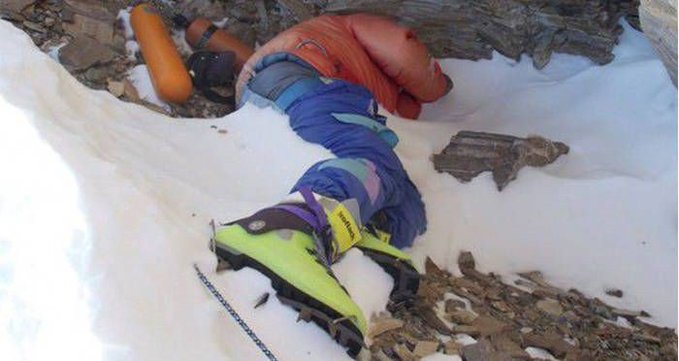
How many dead bodies are on Mount Everest?
Unfortunately, when
these tragedies happen, rarely are bodies brought down for honorable send-offs.
This is due to the dangers and difficulties that characterize the search
mission. It is therefore hard to draw an accurate account of the bodies that
are mummified on Mount Everest. In 1999 searchers looking for George Mallory’s
body near around the peak stumbled over several bodies buried in the snow,
Mallory’s body included. Earlier on October 24th, 1984 while seeking
to recover Hannelore Schmatz’s body, two experienced
Nepalese climbers perished never to be found.
Lilian Muli: Full Biography — Age, Family, Marital Status, Children, Tribe, Lifestyle & Net Worth
Jan 8/26 by Albert Simiyu
Lilian Muli (born 4 May 1982) is one of Kenya’s most accomplished broadcast journalists, television presenters, media personalities, and entrepreneurs, known for her elegant presence on screen, strong reporting skills, and diversified business interests. With over two decades in the media industry, she has become a household name in Kenya and beyond.
Early Life & Family Background
Lilian Muli was born on 4 May 1982 in Nairobi, Kenya. She is the second born and only daughter among three siblings, growing up in an environment that valued education and determination. Her father, Henry Muli, was a respected lawyer before he passed away, and her mother, Peninah Muli Mwende, lives in Bangkok, Thailand.
Raised in a Nairobi family rooted in Kenya’s cultural diversity, Lilian embodies a blend of traditional and modern influences that have shaped her worldview and career.
As of 2025, Lilian Muli is 43 years old, having been born in 1982.
She hails from the Akamba (Kamba) tribe, one of Kenya’s prominent ethnic groups known for their entrepreneurial spirit, rich traditions, and cultural heritage.
Education
Lilian’s academic journey began in Nairobi:
She attended Lavington Primary School before moving to Loreto Convent Msongari High School for her secondary education.
She then pursued a Bachelor of Arts degree in Communication and Journalism at Daystar University, focusing on media and broadcasting — a foundation that would launch her into a successful television career.
Later, she obtained a Master’s degree in Strategic Management from the University of Nairobi, showcasing her commitment to both media practice and organizational leadership.
Media Career & Rise to Prominence
Lilian began her media journey in 2005 at KTN (Kenya Television Network) as an intern in the production department. After multiple screen tests, she impressed editors with her delivery and was selected to present on air — a breakthrough that set the stage for her future success.
In December 2010, Lilian joined Citizen TV, part of Royal Media Services, where she became a senior news anchor and one of the network’s most recognizable faces. At Citizen TV, she has anchored prime time news and hosted several popular programmes, including:
Citizen Weekend
Friday Night News
SlimPossible (a lifestyle show)
Fashion Watch
One on One interviews
Her eloquence, confidence, and charismatic screen presence have kept audiences engaged for nearly 20 years. Kenyans
Personal Life: Marital Status & Children
Marriage & Relationships
Lilian Muli’s personal life has attracted significant public interest:
She was married to Moses Njuguna Kanene, a businessman, and they had a son named Joshua, born in 2010. Their marriage eventually ended in divorce after several years of marital challenges, including issues of abandonment and personal differences.
After her divorce, Lilian was in a relationship with Jared Nevaton Ombong’i, a football administrator and businessman, with whom she welcomed her second son, Liam, on 22 July 2018. Nevaton openly acknowledged his paternity, though they later separated.
As of 2025, Lilian is not publicly known to be married, focusing on her career, business, and raising her two sons.
Children
Lilian Muli is a proud mother of two sons:
Joshua – born in 2010 (from her marriage to Moses Kanene)
Liam Francis – born on 22 July 2018 (with Jared Nevaton)
She often shares moments of love and pride about her children on social media, celebrating their achievements and milestones.
Lifestyle & Personal Interests
Lilian’s lifestyle reflects her success as both a media personality and entrepreneur:
She lives in Nairobi and regularly shares glimpses of her fashion, travel, and everyday life with her followers, illustrating a blend of professional elegance and personal warmth.
Known for her distinctive style, Lilian’s fashion choices are often featured in lifestyle media, underlining her influence beyond newsrooms.
She also garners online attention for candid interactions on social topics, including comments on relationships, independence, and female empowerment.
Beyond journalism, Lilian Muli has built a diverse business portfolio:
La Modelle Beauty Parlour – An upscale salon in Westlands, Nairobi, offering services such as facials, waxing, massages, and barbering targeted at a fashionable clientele.
Manora Farm (Machakos County) – A family farm with commercial orchards and dairy farming, selling bananas, mangoes, oranges, and other produce.
Real Estate Investments – Properties in Nairobi and environs that reflect her savvy approach to asset building and long-term financial planning.
Her entrepreneurial ventures add to her media income, showcasing how leading personalities diversify their earnings.
Net Worth & Salary
Lilian Muli is considered among Kenya’s well-paid media professionals, with multiple income streams:
Her monthly salary as a senior news anchor at Citizen TV is estimated to range between KES 500,000 and KES 1,000,000, placing her among the top-earning journalists in the country.
Business ventures, endorsement deals, and her farm and real estate interests significantly supplement her earnings.
Her estimated net worth is widely reported between $400,000 and $800,000, though some sources suggest figures up to $5 million (the latter is less widely verified and likely includes asset estimations).
Her financial success reflects both media prominence and smart investment decisions.
Challenges, Public Scrutiny & Resilience
Lilian’s journey has not been without challenges:
Her marriage ended amid allegations of cruelty and desertion, which she openly discussed during the divorce process, highlighting the complexities of balancing public life with personal struggles.
Rumours and speculation about her relationships — including discussions around a partnership with Jared Nevaton — have circulated, but she has maintained focus on her two sons and career.
Her resilience through personal and professional ups and downs has endeared her to fans who see her as both relatable and inspiring.
Legacy & Influence
Lilian Muli’s influence extends beyond TV screens:
She is celebrated for breaking barriers as a female journalist in a competitive industry, setting a standard for professionalism and grace.
Her business achievements demonstrate how media personalities can successfully expand into entrepreneurship.
Many young women cite her story as motivation to pursue careers in media, business, and leadership.
Summary of Key Facts
Full Name: Lilian Muli
Date of Birth / Age: 4 May 1982 (43 years old in 2025)
Tribe: Akamba (Kamba)
Education: Daystar University (BA Communication & Journalism); University of Nairobi (Master’s in Strategic Management)
Career: Senior news anchor and TV host at Citizen TV; media personality and entrepreneur
Marital Status: Divorced from Moses Njuguna Kanene; not publicly married as of 2025
Children: Two sons — Joshua and Liam
Lifestyle: Nairobi-based, stylish, business-minded public figure
Net Worth: Estimated $400K–$800K+ (various sources)
Linus Kaikai: Full Biography — Age, Family, Wife, Children, Tribe, Lifestyle & Net Worth
Jan 8/26 by Albert Simiyu
Linus Joe Kaikai is one of Kenya’s most respected and influential journalists and media executives, known for his long and impactful career in broadcast journalism, editorial leadership, and media innovation. He currently serves as Director of Strategy and Innovation and Group Editorial Director at Citizen TV (Royal Media Services), and has played a central role in shaping public discourse through decades of reporting, moderation, and newsroom leadership.
Early Life & Family Background
Birth & Upbringing
Linus Kaikai was born on 2 December 1968 (or in some reports 1960 — discrepancies in sources exist, but the more frequently cited year is 1968) in Narok County, Kenya, an area renowned for its majestic landscapes and Maasai cultural heritage.
He grew up in a large family as one of at least ten children (four brothers and five sisters), where a strong sense of community, resilience, and cultural values was instilled early in life.
Linus Kaikai belongs to the Maasai tribe, one of Kenya’s most iconic Nilotic ethnic groups, known for their traditions, vibrant cultural identity, and community cohesion.
Parents
Very little is publicly known about his parents’ personal details (names and occupations), as Kaikai has traditionally kept his family background relatively private. What is clear is that his upbringing in Narok deeply influenced his worldview and appreciation for community voices and narratives in Kenya.
Education & Early Influences
Linus Kaikai’s early education began locally in his home county, where he embraced a curiosity about world events and communication. He later trained formally in media and journalism:
Diploma in Radio & TV Broadcasting — Kenya Institute of Mass Communication (KIMC)
Master’s degree in International Journalism — Masinde Muliro University of Science and Technology and University of Westminster (UK)
Bachelor of Laws (LLB) — University of Nairobi (his legal qualification was confirmed with his admission to the bar in November 2025, adding legal expertise to his journalistic skill set)
This unique combination of media and legal training gives Kaikai a rare, multidimensional understanding of free speech, media law, and the ethical responsibilities of journalism.
Career: A Journalism Lifelong Journey
Early Career at KTN
Kaikai’s journalism career began in the 1990s at Kenya Television Network (KTN), where his natural aptitude for reporting and presentation quickly became evident. He distinguished himself through firm editorial judgment and compelling storytelling.
His early work earned recognition, including the CNN African Television Journalist Award (1997) and the Environmental Journalist of the Year Award (1998) — accolades that cemented his reputation as a journalist of gravitas and integrity.
International Experience at SABC
In 1999, Kaikai joined the South African Broadcasting Corporation (SABC) and spent eight years working as a correspondent before rising to the position of Bureau Chief for East Africa. This period broadened his professional perspective and exposed him to international reporting standards and practices.
Return to Kenya: Editorial Leadership
After his time at SABC, Kaikai returned to Kenya and rejoined KTN as Managing Editor in charge of Quality and Product Development, and later moved on to NTV, where he served in senior editorial capacities.
Royal Media Services & Citizen TV
In 2018, he joined Royal Media Services (RMS) — one of East Africa’s largest media conglomerates — where he holds the influential position of Group Editorial Director and Director of Strategy & Innovation at Citizen TV, shaping editorial direction across multiple platforms and mentoring young media talent. Vocal
Professional Recognition
Kaikai has also served as Chairman of the Kenya Editors’ Guild (KEG), advocating for press freedom, ethical journalism, and professional standards within the industry.
He has moderated national presidential debates and interviewed global leaders, making him one of the most respected voices in Kenyan journalism.
Family Life: Wife & Children
Marriage
Linus Kaikai is married to Jacinta Mueni Kaikai (often referred to as Jace Mueni). The couple first met in 2005 and later tied the knot on 22 December 2012 in a Catholic ceremony at Nkoroi Catholic Church in Ongata Rongai, Kajiado County.
Jacinta Mueni is an accomplished professional in her own right, having worked as Group Production Manager at Ogilvy Kenya. She grew up in Kitui County — the daughter of a teacher — and pursued education at Loreto Girls’ High School (Limuru) and Kenyatta University.
Children
The Kaikai family includes three children:
Lenkai Kaikai (son)
Leon Kaikai (son)
Resiato Kaikai (daughter)
Their children have grown up with strong ties to both modern urban life and their Maasai heritage — for example, in August 2024, Lenkai was celebrated publicly for his cultural rite of passage into adulthood.
Despite public interest, the family generally maintains a low personal profile, preferring to keep their private moments away from the media spotlight.
Age & Personal Identity
As of 2025, Linus Kaikai is approximately 56 years old, having been born on 2 December 1968.
He is a practicing Christian, and his values reflect a blend of cultural grounding and professional discipline — traits that have defined his public persona and approach to journalism.
Lifestyle & Personal Interests
Linus Kaikai is known for a comfortable, well-established lifestyle befitting his longstanding career in one of Kenya’s top media houses:
Net Worth & Financial Profile
Linus Kaikai is considered one of Kenya’s high-earning media executives, with his income stemming from his senior editorial role, long tenure in leading media houses, and professional engagements:
Monthly salary as a senior media executive is estimated at KSh 800,000 to KSh 1.2 million.
Net worth estimates vary between KSh 70 million to KSh 100 million (approximately USD $600,000–900,000), based on his career earnings, investments, and assets.
While such figures are approximate and unofficial, they place him among the more financially established personalities in Kenyan journalism.
Professional Legacy & Influence
Linus Kaikai’s legacy in Kenyan media is built on:
Journalistic excellence, including award-winning reporting early in his career.
Editorial leadership across multiple major broadcasters in Kenya and the region.
Advocacy for press freedom, ethics, and journalistic integrity.
Mentorship of younger journalists, shaping newsroom culture and talent pipelines.
He is widely respected for his calm, analytical communication style, and his role in national debates and major interviews has placed him firmly among the top figures in East African journalism.
Summary: Key Facts About Linus Kaikai
Full Name: Linus Joe Kaikai
Date of Birth: 2 December 1968 (approx.)
Age (2025): ~56 years old
Tribe: Maasai
Profession: Journalist, Media Executive, Editorial Director
Education: Master’s in International Journalism; LLB
Wife: Jacinta Mueni Kaikai
Children: Three (two sons, one daughter)
Lifestyle: Comfortable family-oriented life in Rongai
Net Worth: Estimated KSh 70M–100M
Salary: Approx. KSh 800,000–1.2M monthly
Legacy: Award-winning journalist and media leader
Yvonne Okwara: Family, Husband, Age, Tribe, Lifestyle, Net Worth & Full Biography
Jan 7/26 by Albert Simiyu
Yvonne Okwara Buliba Matole is one of Kenya’s most respected and influential broadcast journalists, best known for her calm authority on screen, incisive analysis, and leadership in mainstream media. She is a prime-time news anchor and senior editor at Citizen TV, where she also hosts impactful segments and moderates national conversations.
Early Life & Family Background
Yvonne Okwara was born on 16 March 1983 in Nairobi, Kenya. She grew up in a supportive family that helped shape her strong sense of responsibility, compassion, and intellectual curiosity. Yvonne is the last born of three siblings, raised by her mother, Esther Ambale Sande; details about her father are not widely publicized.
A defining part of her early life was caring for her older brother, Albert Okwara, who lived with a disability (deaf-blind) and passed away in 2018. This experience profoundly influenced Yvonne’s empathy, advocacy for inclusivity, and understanding of societal challenges.
As of 2025, Yvonne Okwara is 42 years old (born 16 March 1983). She hails from the Luhya tribe, specifically linked to the Abanyala sub-tribe, an ethnic group from Western Kenya known for its rich cultural heritage.
Yvonne’s multicultural upbringing in urban Nairobi combined with her Western Kenyan roots has shaped her perspective and helped her connect with diverse audiences nationwide.
Education & Early Interests
Yvonne’s academic journey began at All Saints Cathedral Primary School and continued at Kianda High School, where she excelled early in her academics. She later joined Jomo Kenyatta University of Agriculture and Technology (JKUAT) and earned a Bachelor of Science in Microbiology, demonstrating her strong academic foundation and versatility.
Although her degree was in science, Yvonne’s interest in communication and media was apparent early — starting with her first professional foray into broadcasting at the age of 10, when she hosted a children’s show on Kenya Broadcasting Corporation (KBC).
She also later completed the Bloomberg/Africa Leadership Initiative Media Fellowship, enhancing her leadership and journalistic skills.
Career: From Child Host to Media Leader
Yvonne’s journey into professional media started modestly but quickly gained momentum:
Early Roles: Her first job was on KBC’s children’s variety shows, where she learned early lessons about audience engagement.
Radio and Voice Work: She transitioned to radio talk show production at QFM and provided voice-over work for television, honing her broadcast skills.
Nation Media Group: Yvonne further built her experience at the Nation Media Group, working with QFM, QTV, and roles behind and in front of the camera before moving into more prominent positions.
Rise at KTN: Her big break came with a key role at KTN, where she became a recognizable face and respected anchor, hosting shows and moderating debates on critical national issues.
Citizen TV Leadership: In 2018, she joined Citizen TV (Royal Media Services), where she anchors prime-time news, leads editorial research, and influences the station’s news strategy. Her segment The Explainer is widely praised for breaking down complex topics into accessible insights.
Throughout her career, Yvonne has moderated major national discussions and engaged with public figures, experts, and policymakers, making her voice a trusted one in Kenyan media.
Personal Life: Husband & Family
Yvonne Okwara’s husband is Dr. Andrew Matole Konde, a veterinary surgeon. The couple met under charming circumstances at his clinic after Yvonne took her sick pet for treatment — a meeting that eventually led to love and marriage in a private ceremony on 6 December 2014 at the Crown Plaza Hotel in Nairobi.
Although there is a significant age difference between them (her husband is approximately 16 years older), Yvonne has openly said it has never negatively affected their relationship, describing him as her “best friend and strongest supporter.”
Details about any children are not publicly confirmed; Yvonne has been private about this aspect of her family life.
Yvonne’s lifestyle reflects calm professionalism, integrity, and thoughtful success rather than flamboyant displays. She owns a beautiful countryside home often referred to as her “retirement house,” surrounded by serene gardens and natural landscapes — a space she shares as part of her personal life glimpses.
Despite her high profile, Yvonne maintains a private approach to her personal life, resisting public pressure around her family and personal choices, such as decisions around having children.
She has also been active in advocacy around inclusivity and mental health awareness, shaped in large part by her experiences caring for her disabled brother.
Her presence in media combines polish and purpose — earning her respect from colleagues and audiences alike.
Net Worth, Salary & Financial Success
Yvonne Okwara is considered one of the top earners in Kenyan media. Reports suggest her monthly salary ranges between KSh 600,000 and KSh 900,000 as a senior anchor and editor at Citizen TV, reflecting her experience and leadership role.
Estimates of her net worth vary depending on source, with some industry analysts placing it at around KES 40 million (approx. USD 300,000), while others suggest higher figures nearing KES 96 million (approximately USD 800,000) due to her extensive media influence, speaking engagements, and brand collaborations.
Her wealth primarily comes from her journalism career, event moderation, corporate partnerships, and media consulting.
Key Traits & Influence
Yvonne is widely seen as a role model for young journalists, especially women, combining academic rigor, media savvy, and ethical leadership. She is often invited to moderate corporate forums and national discussions, further amplifying her impact beyond television screens.
Her reputation is built on responsible journalism, integrity, and the ability to communicate complex issues with clarity and respect — qualities that have made her a trusted voice in Kenya’s media space.