
IShowSpeed’s Africa Tour: How Ethiopia’s Livestream Stacks Up Against Kenya and Other Nations

Post

IShowSpeed’s Africa Tour: How Ethiopia’s Livestream Stacks Up Against Kenya and Other Nations

IShowSpeed’s Africa Tour has taken the world by storm, turning the American streaming sensation Darren Jason Watkins Jr. — popularly known as IShowSpeed — into a household name across the continent. His ambitious “Speed Does Africa” livestream series broadcasts in real time from more than a dozen countries, giving fans an unfiltered, interactive experience of Africa’s bustling city streets, cultural landmarks, and unique local lifestyles.

What began as a cultural and travel-focused livestream has quickly become one of the most talked-about digital media events of 2026. Among all his stops, Ethiopia and Kenya have emerged as the most watched and discussed, achieving record-breaking online engagement that highlights both Speed’s global influence and the continent’s vibrant culture. Each leg of the tour, however, has offered a unique experience, leaving a lasting impact on fans locally and worldwide.

Read Also: IShowSpeed: Family, Wife, Age, Tribe, Lifestyle, and Net Worth

Ethiopia: Breaking Records and Making History

IShowSpeed’s livestream from Addis Ababa, Ethiopia recently overtook previous records from other tour stops, drawing an exceptionally high peak viewership. According to reports, the Ethiopia broadcast:

  • Reached over 270,000 concurrent viewers at its peak.
  • Helped Speed’s total subscribers climb to around 48.5 million during that session.
  • Delivered significant engagement in real time, with long streamer‑led interactions across culture and local environments.

The Ethiopia stream was notable not just for numbers, but also for the mix of cultural immersion and raw, unpredictable moments — from navigating chaotic crowds at the Merkato to participating in local food challenges.

This blend of high viewer engagement and authentic exploration helped Ethiopia briefly claim the top viewership spot on the tour, highlighting how deeply fans worldwide are tuning in to see local cultures and personalities through Speed’s lens.

Kenya: The Most Electrifying Stop on the Tour

Before Ethiopia, Kenya was widely seen as the high‑water mark of Speed’s tour — both in terms of local enthusiasm and digital impact:

  • His Nairobi livestream pulled in more than 200,000 concurrent viewers at peak live moments.
  • The run attracted over 360,000 new YouTube subscribers in a single day, pushing his channel past the 48 million subs milestone during the Kenya session.
  • Kenya’s livestreams had accumulated around 9 million views on YouTube, outpacing many other stops before Ethiopia’s peak burst.

Kenya also stood out because the visit was hugely interactive — with Speed exploring local landmarks, sampling culture, and engaging directly with fans in Nairobi and beyond, from playing sports with youth to riding camels in Uhuru Park.

Government officials even leveraged his presence for tourism promotion, with President William Ruto welcoming him and the tourism cabinet highlighting Kenya’s diverse attractions.

Many observers have noted that Kenya’s reception was as much about real‑world crowds and energy as it was about digital numbers — thousands of fans swarmed the streets, giving the livestream a truly organic, immersive feel.

How Other Countries Compare So Far

IShowSpeed’s African tour isn’t limited to Kenya and Ethiopia — the itinerary has spanned a wide range of nations, including South Africa, Angola, Botswana, Rwanda and more.

Across these stops:

  • South Africa drew large in‑person gatherings and vibrant cultural moments, including street games and food tours, contributing to strong viewer engagement.
  • Angola and Botswana provided a contrast of quieter, more lifestyle‑focused streams — from bustling markets to humorous interactions with local vendors — that still drew solid viewership, though not at the same peak as Kenya or Ethiopia.
  • Rwanda and other stops have similarly pulled dedicated fans, but without the sustained spikes seen in Kenya or during the Ethiopia stream.

While Kenya and Ethiopia have become the most visible highlights, the broader tour continues to amplify African destinations and cultures to global audiences — often with a mix of chaos, comedy, and curiosity that keeps viewers glued to their screens.

Read Also: Wode Maya: Family, Wife, Age, Tribe, Lifestyle, Net Worth & Full Biography — A Deep Dive

Why Kenya and Ethiopia Resonated Most

There are a few reasons why Kenya and Ethiopia have especially stood out so far:

1. Local Enthusiasm and Crowds

In Kenya, the streamer encountered huge real‑world crowds, transforming parts of Nairobi into impromptu fan zones and giving the livestream a festival‑like energy.

2. Cultural Depth

Both countries offer rich cultural backdrops — from Kenya’s national parks, markets, and sports culture to Ethiopia’s historic urban scenes and traditional food experiences — which translate well into compelling livestream storylines.

3. Subscriber Surges

While Ethiopia’s livestream achieved a slightly higher peak concurrent viewership, Kenya’s stop delivered massive subscriber growth and long‑term engagement spikes, helping define the tour’s digital reach.

What’s Next on the Tour?

As IShowSpeed’s Africa Tour continues to move across the continent, each stop adds a new layer to his digital footprint. While Ethiopia captured record-breaking live viewership and Kenya generated massive subscriber growth and local excitement, the tour as a whole showcases Africa to a global audience in a way few have achieved. With upcoming stops in Nigeria, Ghana, and Morocco, fans can expect even more unforgettable livestream moments — but Kenya and Ethiopia will remain the defining highlights of this groundbreaking tour.

M-Pesa Ratiba,

Understanding How M-Pesa Ratiba Works in Kenya

In today’s fast-paced world, managing finances efficiently is crucial. For millions of Kenyans, M-Pesa, Safaricom’s mobile money platform, is a lifeline for daily transactions. One of its lesser-known but highly convenient features is M-Pesa Ratiba, which allows users to schedule payments automatically.

What is M-Pesa Ratiba?

M-Pesa Ratiba is a service provided by Safaricom that enables users to set up automatic, scheduled payments for recurring bills or regular transfers. The word “ratiba” in Swahili means “schedule,” which reflects the purpose of the service: to help users plan their financial transactions in advance.

Instead of manually paying bills or sending money each month, M-Pesa Ratiba ensures that payments are made on time, avoiding late fees or service interruptions.

How M-Pesa Ratiba Works

Using M-Pesa Ratiba is straightforward and can be done directly from your mobile phone. Here’s how it generally works:

  1. Choose a Payment Option
    Users can schedule payments for various services, such as:
    • Utility bills (electricity, water, internet)
    • Loan repayments
    • School fees
    • Daily or weekly money transfers to family or friends
  2. Set the Schedule
    Once a service is selected, users define:
    • The amount to be paid
    • The frequency (daily, weekly, monthly)
    • The start date for the payments
  3. Confirm Your M-Pesa PIN
    To authorize the scheduled payment, the user confirms the transaction with their M-Pesa PIN. This ensures security and prevents unauthorized deductions.
  4. Automatic Payment Execution
    After setup, M-Pesa automatically executes the payment according to the schedule. The sender and recipient both receive a confirmation message each time the payment is made.

Benefits of Using M-Pesa Ratiba

  • Convenience: Set payments once and never worry about missing deadlines.
  • Time-Saving: No need to queue or manually pay bills every month.
  • Financial Discipline: Helps users manage recurring expenses more effectively.
  • Peace of Mind: Reduces the risk of service disconnection due to late payments.

Tips for Using M-Pesa Ratiba Safely

  1. Always ensure your M-Pesa account has enough balance before the scheduled payment date.
  2. Use strong, secure PINs and avoid sharing them with anyone.
  3. Regularly review your scheduled payments to confirm amounts and frequencies are correct.
  4. Cancel or adjust Ratiba schedules if your financial situation changes.

How to Cancel or Adjust M-Pesa Ratiba

If you need to cancel or change a scheduled payment, you can do so via the M-Pesa menu:

  • Dial *234# or use the M-Pesa app.
  • Go to ‘My Account’ → ‘Scheduled Payments’.
  • Select the payment you want to modify and follow the prompts to cancel or update it.

M-Pesa Ratiba is a game-changer for Kenyans who want to manage recurring expenses efficiently. By automating payments, it not only saves time but also reduces the stress of remembering deadlines. Whether for personal bills, school fees, or regular transfers, Ratiba ensures that your money gets where it’s supposed to—on time, every time.

Age Fraud in Kenya: Detection, Consequences & Legal Pathways

Falsifying one’s date of birth — whether on a birth certificate, national identity card, or other official document — is a serious legal issue in Kenya. While some individuals attempt this to delay retirement, secure employment, extend pensionable service, or access other benefits, Kenyan law treats such actions as fraud and forgery with real legal and financial consequences.

I. How Courts and Authorities Detect Age Fraud

Kenyan courts, investigators, human resource departments, and anti‑corruption agencies use a combination of documentary review, cross‑referencing government systems, and legal presumptions to uncover inconsistent or fraudulent age claims.

1. Documentary Cross‑Checking

The primary sources used to verify a person’s age include:

  • Birth certificates — regarded by law as the most credible evidence of age. A certified copy issued by the Registrar is presumed genuine under the law.
  • National identity cards — their date of birth entries are compared with birth certificates and official registers.
  • School records — e.g., KCPE, KCSE, or selection forms that contain a date of birth.
  • Medical or age assessment reports — professional assessments in some cases (e.g., where primary documents are absent).

Investigators often collate multiple data points to establish a timeline of documented age information, and inconsistencies trigger deeper scrutiny.

2. Official Registries

The National Registration Bureau and related government biometric databases can verify whether:

  • Multiple IDs exist for the same person with conflicting dates of birth.
  • A birth certificate was issued late in life (possibly to conceal earlier facts).
  • A person’s details across KRA, NSSF, NHIF databases and civil service records align.

For example, in a June 2025 High Court case, investigators found a public service pension record and bank account documentation showing two different IDs with conflicting birth years for the same person — indicating potential fraud.

3. Legal Standards of Proof in Court

Under Kenyan evidence law:

  • A birth certificate is presumed genuine if properly certified.
  • If authenticity is challenged, courts may compel production of registers to verify the entry.
  • Contradictory evidence (e.g., school records) may undermine a fraudulent document.

In criminal proceedings, the lack of credible supporting evidence beyond a contested birth certificate can lead judges to direct further investigation.

4. Employer and Pension Administrator Reviews

Human Resource departments, especially in the public service, routinely verify age when:

  • Processing retirement benefits
  • Determining pension entitlements
  • Responding to retirement disputes in courts

Government circulars and the courts require employers to rely on birth certificates, not solely on declarants’ self‑stated dates, to determine retirement age.

II. Real Kenyan Cases Where People Lost Benefits or Faced Prosecution

1. Kisii County Official Charged with Forgery and Fraud

In September 2025, an administrative officer in Kisii County Assembly was arrested and charged after investigators found that he:

  • Changed his birth year from 1967 to 1973 on his birth certificate.
  • Used the falsified document to obtain a national ID.
  • Aligned multiple government records (KRA PIN, NHIF, NSSF) to match the fake identity.
  • Submitted the forged documents during his employment application.

The Ethics and Anti‑Corruption Commission (EACC) referred the matter to the Office of the Director of Public Prosecutions, and the suspect faces multiple counts of forgery, fraudulently acquiring qualification, and fabricating false documents.

2. Pension Disputes Due to Birth Date Discrepancies

Courts have been increasingly involved in disputes over retirement age when records conflict:

  • In one Teaching Service Commission case, a veteran teacher claimed wrongful retirement by her employer, arguing her birth certificate showed she was not yet due for compulsory retirement. However, she had never supplied the birth certificate during her 39‑year service and had declared her birth year on earlier service records, undermining her claim.
  • Another case involved a public servant whose identity card and pension records reflected different birth years over time. He sought correction and reinstatement of benefits, illustrating how inconsistent records can trigger litigation and delay benefits.

These cases show how lack of consistent documentary evidence can lead to loss or delay of pension and retirement benefits even where there is no deliberate fraud — reinforcing the need for early and proper age documentation.

III. The Proper Legal Process for Correcting Age Records

Kenyan law allows for lawful correction of age records, but only through the proper procedures. Simply changing one document to match another — especially to delay retirement — is not lawful.

1. Birth Registration and Late Registration

Under the Births and Deaths Registration Act:

  • Every birth must be registered accurately.
  • If a birth was not registered at the time, an application for late registration may be made.
  • The applicant must supply credible primary evidence of actual birth date and parentage.

A late birth registration certificate becomes valid if issued properly based on early evidence, not to manipulate age for employment purposes.

2. Providing Supporting Documents

To correct or register age, applicants typically must present:

  • Primary evidence — earliest available hospital, clinic, or birth notification forms
  • Witness statements — parents or guardians
  • School admission records — KCPE/KCSE, selection forms
  • Affidavits — supporting but not replacing primary evidence

The Registrar can then issue a corrected birth certificate that reflects the closest reliable estimate of actual birth facts.

3. Notification to Employers

Once a corrected birth certificate is obtained:

  • The holder should notify all affected agencies (NSSF, NHIF, KRA, employer).
  • Provide certified copies of the new birth certificate.
  • Follow employer’s internal procedures for updating personal records.

4. Court Orders for Exceptional Corrections

In some cases where the Registrar refuses correction or where records are disputed:

  • Individuals may apply to the High Court for an order declaring the correct date of birth.
  • The court reviews all admissible evidence and can direct correction if satisfied.

This judicial route provides a legitimate resolution for genuine errors rather than backdating for advantage.

5. Consequences of Improper Changes

Unauthorized alterations or deceptive procurement of birth certificates and IDs:

  • Expose individuals to criminal prosecution for forgery/fraud
  • Can lead to loss of pension and back pay
  • May trigger employment termination and reputation damage

IV. Key Takeaways

  • Kenyan courts and authorities are vigilant about age fraud and compare multiple data sources to detect inconsistencies.
  • Birth certificates are presumed genuine, and disputes over age require credible evidence.
  • Individuals have lawful avenues for correcting age records, but these do not include fraudulent changes to avoid retirement.
  • Real cases show criminal charges and pension disputes can follow attempted falsification.

Kenya Approves Lenacapavir to Combat Pill Fatigue in HIV Prevention

Kenya’s Ministry of Health has taken a major step in HIV prevention by recommending the registration of Lenacapavir, a groundbreaking long-acting antiretroviral medicine.

The Pharmacy and Poisons Board has approved both the 300 mg tablet and 464 mg injectable solution forms of Lenacapavir for use as pre-exposure prophylaxis (PrEP). This follows global recognition of the drug, including recent approval in the UK under the commercial name Yeytuo by the Medicines and Healthcare Products Regulatory Agency (MHRA).

Lenacapavir offers adults and adolescents a twice-yearly injection, reducing the risk of HIV-1 infection and providing an alternative to daily oral medications. This innovation is particularly significant for individuals experiencing pill fatigue or challenges with long-term adherence to daily HIV prevention regimens.

Health Cabinet Secretary Hon. Aden Duale, EGH, noted that the recommendation comes after a comprehensive scientific evaluation of Lenacapavir’s quality, safety, and efficacy, conducted according to Kenyan law and international regulatory standards.

Kenya is now among the first African nations to recommend Lenacapavir for registration, reflecting the country’s commitment to innovative healthcare solutions and expanding access to cutting-edge technologies. The decision aligns with recent guidance from the World Health Organization and highlights Kenya’s growing capacity to ensure timely access to essential health interventions.

Lenacapavir works by targeting critical stages in the HIV lifecycle, preventing the virus from establishing itself in the body. Its long-acting formulation requires administration only twice per year, offering a practical and flexible solution for those who struggle with daily oral PrEP due to stigma, adherence challenges, or other obstacles.

Kenya has already made strides in rolling out daily oral PrEP across all 47 counties. However, long-acting injectable options like Lenacapavir address remaining barriers, broadening access to effective HIV prevention methods and ensuring that high-risk populations can maintain protection with fewer interruptions.

Preparations are underway to roll out Lenacapavir in priority areas through global partnerships, ensuring equitable and timely access to this innovative prevention tool.

The Ministry of Health continues to strengthen HIV prevention efforts, reduce new infections, and work toward the national goal of ending HIV as a public health threat—while maintaining the highest standards for safety, quality, and effectiveness of all health products introduced in Kenya.

Kenya to Roll Out First Locally Manufactured Kenyan Polio Vaccine by 2027

Kenya is set to achieve a historic milestone in healthcare with the rollout of its first locally manufactured Kenyan Polio Vaccine by 2027. Health Cabinet Secretary Aden Duale announced the plan on Monday after a strategic engagement with the Board and senior management of the Kenya BioVax Institute.

During the meeting, CS Duale reviewed progress on the vaccine manufacturing programme, describing it as a key pillar of Kenya’s universal health coverage (UHC) agenda. The initiative aims to ensure affordable and reliable vaccines are widely accessible, with the Kenyan Polio Vaccine leading the way.

“The session reviewed critical milestones, including the trial batch of Kenya’s first locally manufactured Kenyan Polio Vaccine, scheduled for release by the end of 2027,” CS Duale stated on his social media accounts.

The Health CS confirmed that the first phase of the manufacturing facility has been completed, fully funded by the government. The project is now in its second phase, focusing on systems integration and installation of advanced equipment, including fill-and-finish technology required for vaccine production.

Kenya has been transitioning from a vaccine consumer to a manufacturer, a shift accelerated by the COVID-19 pandemic and leading to the establishment of the Kenya BioVax Institute in 2021. The government aims to strengthen local vaccine production, starting with the Kenyan Polio Vaccine, which will be the first of its kind produced in the country.

CS Duale also highlighted Kenya’s attainment of World Health Organization (WHO) Maturity Level 3, a regulatory milestone achieved with support from the Pharmacy and Poisons Board and the National Quality Control Laboratory. This status allows for local pharmaceutical manufacturing and boosts global confidence in Kenya’s regulatory systems, positioning the country as a regional hub for vaccine production, including the Kenyan Polio Vaccine.

The Health CS credited strategic partnerships, including support from the World Bank through the Regional Health Emergency Preparedness, Response, and Resilience (HEPRRP) programme. This programme strengthens healthcare systems, expands pharmaceutical capacity, and improves national emergency preparedness.

During an interactive session with staff at the Institute, Duale emphasized transparency and accountability in public service, which he noted are vital for delivering people-centred healthcare.

Once fully operational, the Kenya BioVax Institute is expected to reduce Kenya’s reliance on imported vaccines, enhance health security, and support economic growth under the government’s Bottom-Up Economic Transformation Agenda (BETA). The first locally produced Kenyan Polio Vaccine will mark a significant step toward achieving these goals.

IShowSpeed

IShowSpeed: Family, Wife, Age, Tribe, Lifestyle, and Net Worth

IShowSpeed (born Darren Jason Watkins Jr. on January 21, 2005) is an American YouTuber, livestreamer, musician, and internet personality best known for his explosive energy, unfiltered reactions, and record-breaking global fanbase. Rising from humble beginnings in Ohio, Speed has grown into one of the most influential digital entertainers of his generation, commanding tens of millions of followers across platforms.

Early Life & Background

Darren Jason Watkins Jr. was born on January 21, 2005, in Cincinnati, Ohio, United States. He grew up in a modest, working-class environment and was primarily raised by his mother. From an early age, Speed displayed an outgoing personality, a love for video games, and a natural flair for entertaining others.

He began uploading videos to YouTube as a teenager, initially with little attention. His persistence, combined with a highly animated personality, eventually set him apart in the crowded gaming and streaming space.

Age & Identity

As of 2026, IShowSpeed is 20 years old.

  • Nationality: American
  • Ethnicity / Tribe: African-American
    • Unlike Kenya or other African countries, the U.S. does not use tribal identity in the same way. Speed identifies culturally as African-American, and no specific ancestral tribe has been publicly disclosed.
  • Religion: Christianity (as referenced in several livestreams)

Education

Speed attended high school in Cincinnati, Ohio, including Walnut Hills High School. However, as his online career gained momentum, he chose not to pursue college and instead committed fully to content creation and livestreaming, a decision that would soon pay off massively.

Career Journey

Early Content Creation

IShowSpeed launched his YouTube channel in 2016, initially focusing on NBA 2K gameplay videos. For several years, his content attracted minimal attention, and he uploaded consistently with little financial return.

Breakthrough & Viral Fame

Between 2021 and 2022, Speed’s loud, unpredictable, and emotional livestream reactions began going viral on platforms like TikTok, Twitter (X), and Instagram. Clips of his streams spread rapidly, turning him into a meme icon and a must-watch streamer almost overnight.

Global Stardom

By 2023–2026, IShowSpeed had evolved far beyond gaming:

  • IRL (In-Real-Life) livestreams across Europe, Asia, and Africa
  • Music releases, including viral tracks tied to football culture
  • Appearances at global sporting and entertainment events
  • Recognition as one of the most influential youth creators in the world

Today, he boasts over 45–50 million YouTube subscribers, placing him among the most followed individual creators globally.

Family & Personal Life

Parents

  • Father: Darren Watkins Sr.
  • Mother: Tiffany Graves (commonly referenced as his main parental support)

Speed occasionally mentions his parents during livestreams but generally keeps them out of the public spotlight to protect their privacy.

Siblings

He has a younger sister, Diamonté Watkins, who has appeared briefly in some of his content.

Marriage & Wife

  • Marital Status: Not married

As of 2026, IShowSpeed does not have a wife. Despite frequent online speculation and viral moments involving women during streams, there is no confirmed marriage or engagement.

Relationships & Dating History

Speed has had highly publicized online relationships, most notably with:

  • Ermony Renee (Dream) – a former girlfriend who appeared in multiple livestreams. Their relationship ended publicly and contentiously.

Other rumored relationships have circulated online, but Speed has not confirmed any long-term partner.

Children

There have been unverified rumors suggesting Speed may have a child. However:

  • He has never publicly confirmed having children
  • No credible evidence exists to support these claims

As such, any reports of IShowSpeed having a child should be treated as speculative.

Lifestyle & Interests

IShowSpeed lives a high-octane, luxury-driven lifestyle, shaped by global fame at a very young age.

Lifestyle Highlights

  • Resides primarily in Los Angeles, California
  • Frequently travels internationally for IRL livestream tours
  • Known for designer fashion, expensive tech setups, and luxury cars
  • Maintains round-the-clock engagement with fans through live content

Hobbies & Interests

  • Football (soccer) — an obsessive Cristiano Ronaldo fan
  • Gaming and reaction content
  • Music creation
  • Fitness and physical challenges
  • Online community engagement

Despite his wealth, Speed is also known for spending long hours streaming, often prioritizing content over rest — a key part of his brand.

Controversies & Public Image

Speed’s rise has not been without controversy. His career includes:

  • Temporary bans and suspensions due to inappropriate livestream behavior
  • A permanent ban from certain Riot Games titles
  • Public criticism for impulsive or offensive remarks in earlier years

However, he has since shown growth and greater self-awareness, with many fans and commentators noting increased maturity as he ages.

Income Sources

IShowSpeed earns money through multiple streams:

  • YouTube ad revenue
  • Livestream donations and Super Chats
  • Brand sponsorships
  • Merchandise sales
  • Music streaming revenue
  • Paid appearances and collaborations

IShowSpeed Net Worth

Estimating the net worth of digital creators is inherently difficult, but as of 2025–2026:

  • Estimated Net Worth: USD 10 million – USD 30 million
  • Conservative estimates place him around USD 15–20 million

His earnings continue to grow rapidly due to:

  • Massive global audience
  • High engagement rates
  • Youth appeal to advertisers
  • Diversification into music and live events

Achievements & Recognition

  • Multiple Streamer Awards & Streamy Awards nominations and wins
  • Recognized as one of the most influential creators of the 2020s
  • Regularly trends globally during livestreams
  • Invited to major sports, entertainment, and cultural events worldwide

Public Image & Influence

IShowSpeed represents a new era of media:

  • Unfiltered
  • Youth-driven
  • Community-powered

Loved by millions and criticized by some, he remains one of the most impactful internet personalities of his generation, redefining what it means to be famous in the digital age.

Summary of Key Facts

  • Full Name: Darren Jason Watkins Jr.
  • Date of Birth / Age: January 21, 2005 (20 years old as of 2026)
  • Nationality: American
  • Ethnicity: African-American
  • Profession: YouTuber, Streamer, Musician, Entertainer
  • Marital Status: Single
  • Children: None confirmed
  • Residence: Los Angeles, USA
  • Lifestyle: Luxury, travel-heavy, content-driven
  • Net Worth Estimate: USD 10–30 million

Why the World Is Talking About Greenland: Strategic Realities, Geopolitics, and a Small Island Caught in Big Power Rivalry

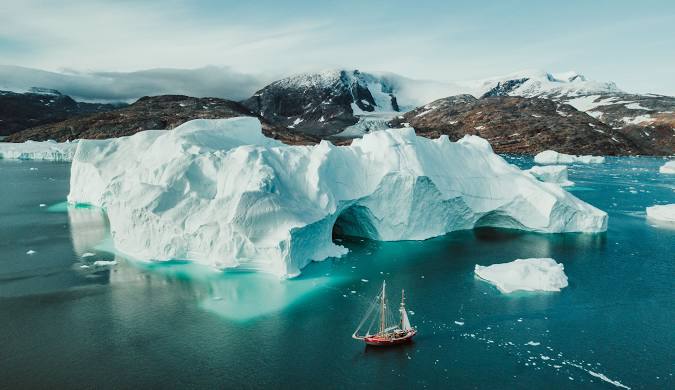
Greenland — an enormous, icy island with a population of about 56,000 people — has rarely been a topic of everyday conversation outside geography classes or Arctic explorers’ forums. Yet in early 2026, it became headline news around the world. That’s because high-profile political figures, especially in the United States, have once again stirred up talk about Greenland’s strategic value — so much so that some U.S. leaders have suggested the United States should own or control Greenland to prevent other powers like Russia or China from gaining influence there. These comments have alarmed Denmark (which has sovereignty over Greenland), rattled NATO allies, and brought into sharp focus how much the Arctic has become a zone of global competition.

To understand why Greenland matters today, we need to look at history, geography, economics, and geopolitics

What and Where Is Greenland?

Greenland is the largest island in the world that is not a continent, covering about 2.2 million square kilometers — roughly three times the size of France — yet most of it is covered in thick ice. Its people are predominantly Inuit, with modern towns like Nuuk serving as administrative and cultural hubs. Greenland is not a colony; it is an autonomous territory within the Kingdom of Denmark. Since 1979, and under a broadened self-government law in 2009, Greenland has managed much of its domestic policy, while Denmark retains authority over defense and foreign affairs.

This distinction — autonomous, not independent — is crucial. Greenlanders govern themselves in many respects, but the island is still part of Denmark, a sovereign and NATO-member nation. Any suggestion that the United States or another state could simply “take over” Greenland confronts these legal and political realities.

Why Greenland Has Strategic Importance

On its own, Greenland might seem remote and inhospitable. But its location makes it extraordinarily important for several intersecting reasons:

1. Geography and Security

Greenland sits between North America and Europe and anchors part of what is known as the GIUK Gap — the sea corridor between Greenland, Iceland, and the United Kingdom. Historically, this has been one of the key chokepoints for monitoring naval activity and early warning defense, especially during the Cold War when the U.S. and NATO sought to track Soviet submarines and aircraft.

Today, the U.S. maintains a significant military installation in Greenland — Pituffik Space Base (formerly known as Thule Air Base). This facility supports missile warning systems, space surveillance operations, and other defense infrastructure crucial to both U.S. and NATO security.

2. Climate Change and New Strategic Frontiers

Climate change has drastically altered the Arctic. Ice is melting faster than previously predicted, and this opens previously impassable waters to potential new shipping routes that could shorten maritime trade between Asia, Europe, and North America. The Arctic also holds vast natural resource potential — from crude oil and natural gas to rich deposits of rare earth minerals and other critical raw materials needed for modern technologies like smartphones, electric vehicles, and defense systems.

While strict environmental rules and harsh conditions make resource extraction challenging, the potential value of these materials — especially rare earth elements — is attracting global attention.

3. The Great-Power Competition

Greenland’s strategic weight isn’t just geographic — it’s situational. As tensions rise among major powers (especially between the United States, Russia, and China), control over crucial positions matters more. A foothold in Greenland means a stronger military position in the Arctic, better surveillance and missile warning capabilities, closer control over key northern sea lanes, and a more dominant presence in a region expected to grow in economic and strategic relevance.

The Controversy: U.S. Statements and Reactions

What thrust Greenland into headlines in 2026 were repeated statements from U.S. President Donald Trump and some senior U.S. officials suggesting that the United States must have more control over Greenland — even hinting at military options if diplomatic deals with Denmark failed. The justification offered was to prevent other powerful states (especially Russia and China) from gaining influence in the Arctic.

These comments have triggered an intense diplomatic backlash:

  • Greenlanders themselves have publicly rejected the idea of becoming part of the United States, emphasizing their right to self-determination and rejecting the notion that Greenland is for sale.
  • Denmark’s leaders have condemned talk of U.S. takeover as a violation of sovereignty and warned it could fracture long-standing alliances, including NATO. One Danish prime minister warned that a U.S. military assault on Greenland could effectively end the alliance that secured Western defense since World War II.
  • European allies, including France, Germany, and the UK, signed declarations affirming that decisions about Greenland’s future belong only to Denmark and Greenland — a clear diplomatic pushback against external interference.
  • A bipartisan group of former U.S. officials also wrote to Washington opposing military options, warning such an approach would damage U.S. credibility and alliances.

The strong multilateral rejection underscores not only Greenland’s agency but the fact that even friendly nations do not see territorial acquisition through force as acceptable — especially among allies.

A Long History of U.S.–Greenland Engagement

Although the 2025-26 rhetoric seems unprecedented, U.S. interest in Greenland isn’t new. The United States first seriously eyed the island in the 19th century and formally proposed buying it from Denmark in 1946, shortly after World War II, as part of early Cold War defense strategy. Denmark declined the offer but agreed to expanded military cooperation.

Since then, the U.S. military presence has been maintained, especially at Pituffik, but always under Danish sovereignty. During much of the Cold War and afterward, Greenland was not a flashpoint — partly because it was understood that Denmark and the U.S. shared defense interests, and partly because much of the Arctic remained cooperative.

What has changed in recent decades is the international context: greater Arctic competition, climate change transforming access, and a much more assertive posture from China and Russia in polar regions. The urgency some U.S. leaders attach to Greenland reflects these shifting global pressures, not purely accidental rhetoric.

Why This Matters for Global Politics

The Greenland controversy highlights several broader shifts in global affairs:

  • Sovereignty and Self-Determination: Greenland’s pushback reinforces that even small populations insist on defining their own future — a principle that matters in international law and moral legitimacy.
  • Alliances Under Strain: When a powerful ally openly suggests territorial claims against another ally’s land, it tests the strength of institutional frameworks like NATO and raises questions about the limits of alliance trust.
  • Strategic Competition: The Arctic is no longer a remote frontier. It’s a zone of emerging competition for naval access, resource potential, and geopolitical positioning — especially between the U.S., Russia, and China.
  • Norms of International Conduct: Discussion of annexation or force, even as rhetoric, pushes the boundaries of what might be considered acceptable behavior among states that have long championed international law and sovereignty principles.

The Future of Greenland: Choices and Challenges

Greenland itself faces complex choices. It has long nurtured aspirations for greater independence from Denmark — a path that would require careful negotiation on defense, economics, and international partnerships. Any shift toward full independence or new international alignment would transform Arctic geopolitics further but must be driven by Greenlanders themselves.

For now, Greenland remains a symbol of how climate change, geostrategic competition, and historical alliances intersect. Far from a peripheral outpost, it lies at the heart of debates about the future of global order — who decides territory, how alliances function, and what strategic priorities will shape the 21st-century Arctic.

Bottom Line

Greenland’s sudden spotlight is not a random news story; it’s a window into shifting geopolitical realities. As climate change opens the Arctic to new strategic, economic, and military considerations, powerful nations are recalibrating their ambitions. Greenland is uniquely positioned at that junction — geographically, politically, and symbolically.

And while some leaders may raise provocative proposals, the world is watching closely. The response from Greenlanders, Denmark, NATO allies, and global institutions underscores one thing: in modern geopolitics, territorial disputes do not occur in isolation — they occur in a world shaped by law, history, identity, and increasingly tense power competition.

How the U.S. Capture of Nicolás Maduro and Greenland Threats Reveal a New Era of Power Politics

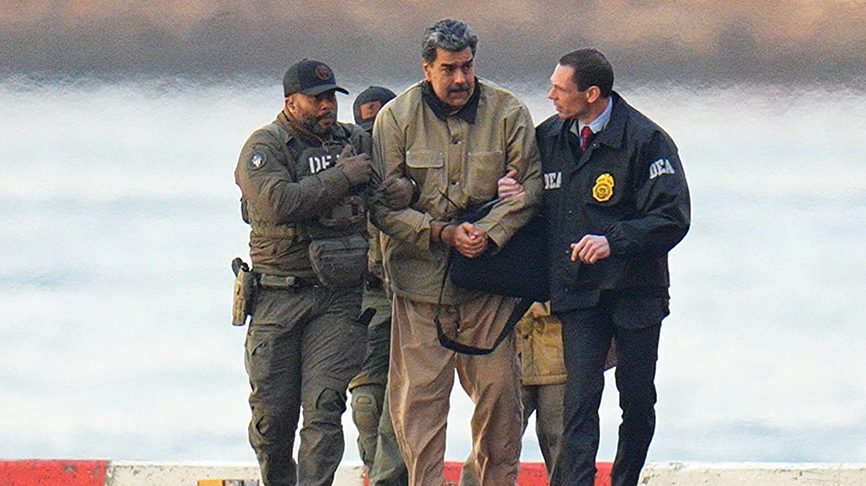
On a dark early morning in January 2026, explosions echoed across Caracas. U.S. military forces struck strategic military bases and governmental nodes, and by dawn, Venezuela’s president, Nicolás Maduro, and his wife had been seized and flown to New York to face U.S. federal charges. The event marked a shock to the world, not just because of its dramatic suddenness, but because it reflected a broader recalibration of international behaviour — one where old rules no longer seem to apply and great powers are openly asserting their interests with unprecedented boldness.

This moment — the audacious U.S. operation in Venezuela — has become a prism through which many analysts now read the state of global politics. From Greenland, where the U.S. president declared that Washington would acquire the Arctic territory “whether they like it or not,” to Eastern Europe, where Russia’s war on Ukraine grinds into its fourth year, this is an age defined by strategic competition, shifting norms, and revived power rivalries.

To understand what is unfolding — and why it matters — we must examine these developments not as isolated flashpoints, but as part of a broader international tectonic shift.

I. A Raid in Caracas: A Break with Post-Cold War Restraint

The U.S. military operation in Venezuela did not happen in a vacuum. It followed months of increasingly confrontational U.S. policy toward Caracas that blended anti-drug rhetoric with energy geopolitics and explicit regime-change goals. A multi-phase campaign that began in 2025 with naval deployments, sanctions and maritime interdictions targeting Venezuelan oil tankers culminated in the direct use of force. The objective, publicly framed in U.S. government statements, was to capture a leader accused of narcoterrorism and bring him to justice on U.S. soil.

Whether one agrees with the legality of this move, there is no doubt it sent shockwaves through capitals around the world. Critics — from South Africa’s foreign ministry to European Union officials — denounced the operation as a blatant violation of international law and a dangerous precedent for how powerful states may now treat sovereignty.

Even some U.S. allies, long comfortable with American global leadership, expressed discomfort. The United Nations’ human rights arm warned that the intervention undermined foundational principles of sovereignty and self-determination. What was once considered taboo — the direct military seizure of a sovereign government’s head of state — happened in broad daylight.

In some quarters, the raid was celebrated as a decisive blow against a regime long blamed for corruption, repression and economic collapse. In others, it was seen as reckless adventurism — a dangerous signal that might encourage similar actions by other powers.

II. Greenland: From Strategic Ally to Strategic Commodity

Barely days after Nicolás Maduro’s capture, the conversation shifted starkly northward when the U.S. president renewed his declaration that the United States would acquire Greenland, an autonomous territory of the Kingdom of Denmark. In what diplomats described as a stunning escalation, he argued that Greenland’s strategic position in the Arctic — with its proximity to Russia, China, and emerging shipping routes — made it essential for U.S. national security.

Despite firm rejection from Greenlandic and Danish leaders — who insist on self-determination and respect for international law — the U.S. posture has sharpened into something more than casual geopolitical interest. The president suggested that if diplomacy failed, other means might be necessary.

What links the Venezuela raid and the Greenland position is not geography but logic. In both, the dominant power is signalling that strategic imperatives outweigh established norms. Caracas was framed as a necessity to disrupt threats in the Western Hemisphere. Greenland is framed as a necessary bulwark against great-power rivals. Whether the U.S. is seriously preparing to invade an ally’s territory remains contested, but the rhetoric alone shifts the Overton window — how far it is considered acceptable for a powerful state to go in pursuit of its interests.

III. The Return of Power Politics

These developments are not merely the product of one administration’s personality or ideology. They reflect a broader transformation in global politics: the resurgence of classic power politics — the notion that states, especially powerful ones, will prioritize control of territory, resources, and strategic position, even at the expense of international norms.

Since the end of the Cold War, global governance institutions and norms — from the UN Charter to trade systems — functioned as constraints on raw ambition. They did not eliminate competition, but they created expectations that sovereignty would be respected and that direct military conquest was off the table. That assumption has weakened dramatically in the last decade.

Russia’s invasion of Ukraine in 2022 was the clearest sign that major powers were willing to use force to achieve territorial and strategic goals once more. What began as a “special military operation” quickly turned into full-scale war, inflicting enormous human suffering and destabilizing the European security architecture that had held since 1945. Despite widespread global condemnation and sanctions, Moscow has shown that even a major power is willing to sustain economic pain to pursue perceived security imperatives.

Meanwhile, China’s posture toward Taiwan, the South China Sea, and broader Indo-Pacific has grown increasingly assertive. Beijing has not launched an invasion, but its diplomatic, economic, and military pressure has steadily increased. Many analysts see China’s strategy as a long game — one that aims to reshape regional architecture and global influence without triggering direct confrontation. (Unlike the U.S. raid on Venezuela, there have been no credible public reports of Chinese military action against Taiwan as of 2026.)

When major powers no longer feel bound by the constraints of a “rules-based order,” each observer begins to look at every incident as a potential test case that might be repeated elsewhere.

IV. A World of Mixed Reactions and Fragmented Norms

The international reaction to these developments has been striking for its fragmentation. In Latin America, responses ranged from enthusiastic support — particularly from right-wing leaders who saw Maduro’s capture as liberation from authoritarian rule — to sharp criticism from countries like Brazil and Mexico, which warned that the precedent could destabilize the region. China and Belarus condemned the U.S. operation for violating sovereignty. Canada and Chile called for respect for international law even as they acknowledged the desire for democratic change in Venezuela.

Europe’s response to the Greenland question has been firm: Greenland is part of Denmark, a NATO member, and its sovereignty cannot be overridden by strategic demands. Danish leaders have warned that U.S. attempts to unilaterally acquire the territory could fracture the transatlantic alliance.

In short, the world’s reaction underscores what has now become obvious to many observers: international norms still exist, but power determines who follows them and under what circumstances.

V. Why These Shifts Matter

Some might dismiss the drama over Venezuela and Greenland as aberrations — eccentricities of one leader or one country. But they are part of a larger systemic shift that is already reshaping global relations:

  • Great-Power Competition Returns: After decades of optimism about globalization and international governance, the strategic rivalry among major powers has reasserted itself. Whether in Eastern Europe, the Arctic, or Latin America, powerful states are jockeying for position and advantage.
  • Norms Are Under Strain: The rules that have governed interstate conduct — especially the inviolability of sovereignty — are increasingly disputed or selectively applied. When powerful states violate these norms with impunity, it weakens their authority and invites others to challenge them in turn.
  • Regional and Middle Powers Are Forced to Adapt: Nations across Africa, Asia, and Latin America are recalibrating their policies in response. Some hedge between competing powers, others assert greater autonomy. None want to be drawn into great-power contests as pawns, but few can avoid being affected by them.
  • Multipolar Complexity Deepens: We do not live in a bipolar world like the Cold War, but in a multipolar one where the U.S., China, Russia, and rising regional powers compete simultaneously in different arenas. This complexity reduces predictability and raises the risk of miscalculation.

VI. Prognosis: Navigating an Unsettled World

So where is the world headed?

First, the era of unquestioned post-World War II restraint on territorial conquest appears to be ending. States are more willing to use force — or threaten it — to secure what they define as vital interests. That does not mean open global war; nuclear deterrence and economic interdependence still constrain full-scale conflict among great powers. But local wars with global implications are likely to increase.

Second, international institutions will remain relevant, but their power will depend on cooperation among major states. Where major powers clash or disregard norms, institutions like the United Nations will struggle to enforce compliance.

Third, regions will become increasingly strategic battlegrounds. Africa’s mineral wealth, the Arctic’s shipping and resources, the Indo-Pacific’s maritime routes — all are arenas where competition will intensify.

Finally, domestic politics will increasingly influence foreign policy. Leaders facing internal pressures may find external aggression or high-profile strategic moves attractive to bolster legitimacy, even if risky internationally.

The Price of Power in the 21st Century

The U.S. capture of Nicolás Maduro and the subsequent talk of acquiring Greenland are not anomalies; they are symptoms of a deeper shift in world politics. They remind us that great powers still act on the basis of strategic imperatives, and that when international norms conflict with perceived national interests, power often wins.

This is not the end of international order — but it may be the end of the comfortable belief that order is synonymous with law. Instead, we are entering a period where order is negotiated, contested, and often enforced by those with the ability to project force.

The question for the coming decades is not whether power matters — it always has. The question is whether the world can rebuild norms and institutions that restrain power without suppressing legitimate security concerns, and whether states large and small can navigate a world where sovereignty and strategy are constantly in tension.

Newsly KE
Privacy Overview

This website uses cookies so that we can provide you with the best user experience possible. Cookie information is stored in your browser and performs functions such as recognising you when you return to our website and helping our team to understand which sections of the website you find most interesting and useful. View our privacy policy and terms & conditions here.

×