KRA Nil Tax Return Filings Temporarily Halted to Enhance Compliance

Post
KRA Nil Tax Return Filings

KRA Nil Tax Return Filings Temporarily Halted to Enhance Compliance

The Kenya Revenue Authority (KRA) has temporarily suspended KRA Nil Tax Return Filings until the end of March, in a strategic move aimed at converting nil filers and non-filers into active taxpayers.

Deputy Commissioner Patience Njau confirmed the decision during a Friday press briefing, explaining that the suspension will give KRA time to validate taxpayer data and identify individuals who earn taxable income but continue to file nil returns.

Njau said the move will allow the authority to cross-check various data sources, including income tax records, withholding tax, electronic Tax Invoice Management System (eTIMS) data, and customs transactions, to ensure all taxpayers are properly captured.

“This year, our focus is different. We are intentionally targeting nil filers, non-filers, and zero payers with the aim of converting them into active taxpayers,” Njau said. “We have systems in place to monitor income earned through withholding tax, eTIMS, customs, and other channels.”

She added that nil returns will not be accepted during the validation period to minimise revenue leakages. “Between now and March 30, taxpayers will not be able to file their 2025 income tax returns until the verification process is completed,” she noted.

The announcement has raised concerns among some taxpayers about a potentially shortened filing window ahead of the June deadline. However, KRA clarified that the suspension is temporary and meant to strengthen compliance ahead of the main filing season.

The authority said the move comes amid growing concern that many Kenyans who earn taxable income continue to file nil returns to avoid paying taxes. KRA also pointed out that the tax burden has historically fallen heavily on salaried employees, while other income earners—such as those in rental and business sectors—remain largely untaxed.

According to KRA, out of approximately 22 million registered individuals with KRA PINs, only about 8 million actively pay taxes, and just 4 million do so consistently. This gap has significantly constrained the government’s ability to maximise revenue collection.

Starting January, KRA will also validate all declared income and expenses against its databases, including TIMS and eTIMS invoices, withholding tax records, and customs import data.

To support taxpayers with outstanding obligations, KRA announced the rollout of an Automated Payment Plan, which will allow eligible individuals to settle taxes, penalties, and interest through structured instalments. The initiative is intended to make compliance more manageable and reduce default rates.

In addition, KRA has introduced a WhatsApp chatbot to simplify tax filing and access to services. Commissioner General Humphrey Wattanga confirmed that the chatbot offers up to 15 services, including tax filing, and is available 24 hours a day.

Kenyans can access the service by saving the official KRA WhatsApp number +254 711 099 999 and sending either “Hi” or “Menu” to begin

The temporary halt on KRA Nil Tax Return Filings reflects the authority’s intensified effort to close loopholes and widen the tax base, ensuring more Kenyans contribute their fair share to national revenue.

Uganda’s 2026 election

Uganda’s Election 2026 Aftermath: Power Retained, Democracy Deferred, and the Question of Succession

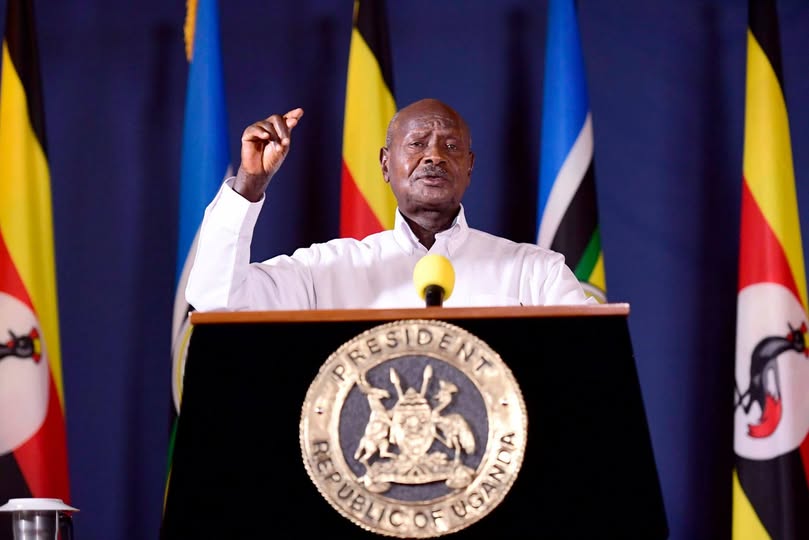
Uganda’s Election 2026 has delivered a result that few found surprising but many find troubling. President Yoweri Museveni’s victory has extended his rule to nearly 40 years, making him one of the world’s longest-serving leaders. Yet the real significance of this election lies less in who won than in what it revealed: a political system increasingly defined by control, militarization, and an unresolved succession that threatens to shape Uganda’s future more than any ballot.

As Museveni begins another term at the age of 81, the country confronts an uncomfortable reality. Uganda is no longer debating whether democracy is maturing; it is debating whether it is receding.

Read Also: Uganda Election 2026: Museveni vs Bobi Wine and the Battle for the Nation’s Future

An Election Under Siege

The election period was marked by widespread disruption. Internet and social media shutdowns were imposed as voting approached, limiting independent reporting and election monitoring. Security forces were deployed heavily in urban centers, particularly Kampala and opposition strongholds. According to official security statements, more than 2,000 opposition supporters were detained in the immediate aftermath of the vote, and dozens were reported killed during post-election crackdowns.

Opposition leader Robert Kyagulanyi, known as Bobi Wine, rejected the results outright, citing voter intimidation, ballot interference, and systemic bias within the Electoral Commission. His campaign faced arrests, blocked rallies, and constant surveillance. International observers, while cautious in their language, raised serious concerns about the lack of a level playing field.

Museveni’s National Resistance Movement (NRM) secured a commanding majority, officially winning over 70 percent of the vote. Yet turnout was notably low, especially among younger voters—an indication not of apathy, but of growing disbelief that elections can meaningfully alter political outcomes.

Uganda’s Election 2026: Electoral Democracy or Managed Rule?

Uganda’s political structure increasingly fits the description of an “electoral authoritarian” state: elections occur regularly, opposition parties exist, and democratic institutions are formally intact, but power remains tightly controlled.

Over the years, constitutional safeguards have been dismantled. Presidential term limits were removed in 2005. Age limits were scrapped in 2017 after violent scenes in Parliament. These changes were not incidental; they were decisive steps that entrenched Museveni’s continued rule.

The 2026 election followed this trajectory. The state’s security apparatus—particularly the military—played a central role in maintaining order, but also in shaping the political environment. Civil society groups and independent media operate under constant pressure, while courts rarely challenge executive authority on politically sensitive matters.

In this context, elections serve less as mechanisms for change and more as instruments of continuity.

The “Last Term” Claim: History Breeds Doubt

Museveni’s assertion that this could be his final term has been met with widespread skepticism. Similar signals have been sent before, only to be overtaken by constitutional amendments or political “necessities.”

There is no legal or institutional mechanism that obliges him to step down. Any transition will depend entirely on his personal decision and the calculations of the ruling elite. Factors such as health, internal party cohesion, and military loyalty will weigh far more heavily than public expectation.

For many Ugandans, the question is not whether Museveni intends to leave, but whether he intends to leave control.

The Succession Question and the Rise of Muhoozi

At the center of this uncertainty stands Gen. Muhoozi Kainerugaba, Museveni’s son and Uganda’s most powerful military figure. As Chief of Defence Forces, Muhoozi commands an institution that has become inseparable from politics.

His public statements, political signaling, and rapid rise through military ranks have fueled speculation that he is being positioned as a successor. Supporters within the NRM argue that he represents continuity and stability. Critics warn that his ascension would formalize dynastic rule and further militarize governance.

Muhoozi’s path to power, however, is not guaranteed. Uganda’s population is overwhelmingly young, urban frustrations are growing, and resentment toward long-standing elite dominance runs deep. While the military may secure elite transitions, it cannot easily manufacture popular legitimacy.

A Muhoozi presidency could therefore consolidate state power while simultaneously deepening political polarization.

Post-Museveni Uganda: Three Possible Futures

Uganda now stands before three plausible trajectories.

The first is managed continuity—Museveni eventually exits, but power remains within the NRM, possibly under Muhoozi or another loyalist. Governance changes little, and political space remains constrained.

The second is elite fragmentation, where unresolved succession battles within the ruling class trigger instability. This scenario poses risks not only for Uganda, but for regional security in East Africa.

The third is gradual democratic reawakening, driven by sustained civic pressure, youth mobilization, and institutional reform. While currently unlikely in the short term, this path reflects the aspirations of millions of Ugandans who feel locked out of political decision-making.

A Country Waiting for Its Future

Uganda’s Election 2026 has settled the immediate question of leadership but left the deeper questions unresolved. How long can stability be maintained without accountability? Can succession be managed without undermining legitimacy? And what happens when a system built around one man must finally operate without him?

Museveni’s legacy will ultimately be judged not by the length of his rule, but by whether Uganda emerges from it with stronger institutions—or a deeper democratic deficit.

For now, Uganda waits—its ballots counted, its future still undecided.

The Board of Peace: A New Force in International Diplomacy

What Is the Board of Peace?

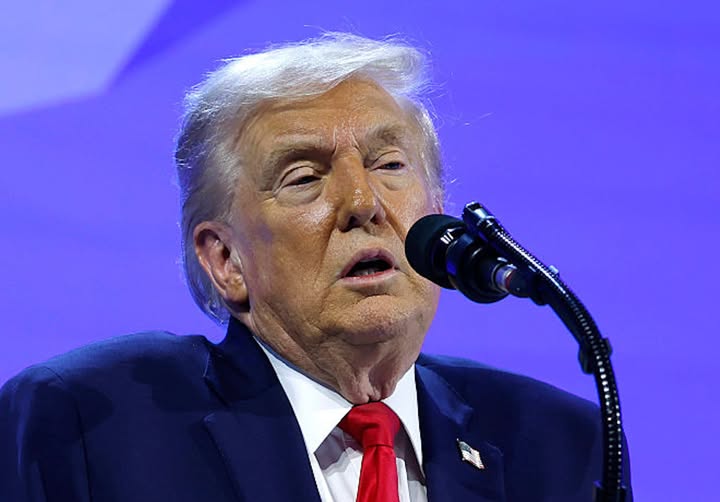
The Board of Peace is a newly established international organization created to promote peace, stability, and governance in regions affected by armed conflict, most notably the Gaza Strip after the 2025 Israel‑Hamas War. Officially chaired by U.S. President Donald Trump, it was first proposed in late 2025 and formally launched in January 2026 during the World Economic Forum in Davos, Switzerland.

According to its founding charter, the Board is “an international organization that seeks to promote stability, restore dependable and lawful governance, and secure enduring peace in areas affected or threatened by conflict.”

Its creation was endorsed by the United Nations Security Council in 2025 as part of a broader ceasefire framework to end hostilities in Gaza, giving it a specific role in the territory’s reconstruction and governance transition.

Origins and Development

The idea of the Board emerged in September 2025 as part of a 20‑point U.S. plan intended to bring stability to Gaza, where a ceasefire was reached after years of conflict. The United Nations Security Council adopted a resolution drafted by the U.S., which authorized the board as a transition mechanism for the territory.

In January 2026, Trump formally signed the charter at Davos, launching the Board of Peace in a high‑profile diplomatic event attended by representatives from dozens of countries.

How the Board Works

Leadership and Structure

  • Chairman: Donald J. Trump serves as the inaugural chairman. Under the board’s charter, the chairman has wide authority, including inviting members, approving decisions, and designating successors.
  • Executive Board: A smaller executive committee supports the Board’s mission. Members include U.S. Secretary of State Marco Rubio, Trump’s special envoy Steve Witkoff, Trump’s son‑in‑law Jared Kushner, former UK Prime Minister Tony Blair, World Bank President Ajay Banga, and others.

Membership Rules

Membership on the Board of Peace is by invitation only from the chairman. Most member states serve three‑year terms, but nations that contribute at least $1 billion during the first year earn permanent seats on the board.

This funding model represents one of the most expensive entry costs in international diplomacy, raising questions about equity and influence.

Mandate and Mission

Initial Focus: Gaza

The Board’s first task is tied to the Gaza Strip. Under the UN resolution that authorized it, the Board of Peace is expected to:

  • Support reconstruction of Gaza after heavy destruction.
  • Oversee a transitional technocratic government in Gaza, known as the National Committee for the Administration of Gaza (NCAG), headed by former Palestinian Authority official Ali Shaath.
  • Facilitate disarmament of militant groups and help deploy an International Stabilization Force (ISF) to assist security and governance reforms.

Beyond Gaza

While the Gaza mission is its immediate priority, the Board’s charter and mandate language are broader, allowing it to address peace and governance challenges in other conflict zones if members agree.

Who Has Joined — and Who Hasn’t?

The Board has secured participation from a mix of countries. Some Middle Eastern states such as Saudi Arabia, Qatar, the UAE, Egypt, and Turkey have agreed to join. Others from Latin America and beyond have also accepted invitations.

However, several traditional Western allies — including Spain, the U.K., Canada, and many European Union members — have declined or expressed hesitation, citing concerns over the organization’s structure, transparency, and potential to rival existing bodies like the United Nations.

Controversies and Criticisms

Relationship With the United Nations

Some critics worry the Board of Peace could undermine the U.N. system by establishing a parallel international body with fewer accountability mechanisms and a more centralized power structure.

Others point to the board’s expensive membership and leadership model — anchored around Trump’s control and the $1 billion permanent seat fee — as privileging wealthier nations and private influence over collaborative diplomacy.

Reactions From Global Actors

Reactions have varied widely:

  • Several Western nations have rejected or cooled on the initiative.
  • Some countries see participation as a way to gain influence in post‑conflict reconstruction and diplomacy.
  • Analysts warn that broadening the Board’s mandate beyond Gaza could increase geopolitical friction, especially if it begins to rival established international organizations.

Looking Ahead

The Board of Peace represents a major new experiment in international governance and peacebuilding. Its success will depend on whether it can help rebuild conflict‑affected areas like Gaza, secure broad international participation, and demonstrate credibility alongside or within the established international system.

While still in its early stages, the Board’s launch has already reshaped debates over how peace is managed globally in the 21st century

Board of Peace at a glance:

  • Founded: Announced January 2026 (proposed September 2025)
  • Chairman: Donald Trump
  • Mission: Promote peace, governance, and reconstruction in conflict zones
  • Initial Focus: Gaza post‑war governance and rebuilding
  • Controversy: Relationship with U.N., membership costs, governance model
Why the U.S. Dollar Still Runs the World

Why the U.S. Dollar Still Runs the World — and What It Would Take to Replace It

The U.S. dollar sits at the center of the global financial system. It is the currency most international trade is priced in, the primary reserve asset held by central banks, and the backbone of global lending and capital markets. Even transactions between countries with no direct economic ties to the United States often rely on the dollar as a neutral medium of exchange.

This position did not emerge by chance. The dollar’s rise reflects a combination of historical events, economic scale, institutional credibility, and financial infrastructure that developed over decades. Once established, these forces reinforced one another, making the dollar not just dominant, but deeply embedded in how global finance functions.

Yet the dollar’s role is increasingly questioned. Geopolitical tensions, the use of financial sanctions, rising U.S. debt, and the growing economic weight of countries outside the Western alliance have fueled discussion about alternatives. Initiatives associated with groups such as BRICS are often cited as signs of a possible shift away from a dollar-centered system.

To understand whether such a shift is truly underway, it is necessary to look beyond headlines. This article examines how the U.S. dollar became the world’s primary currency, what sustains its dominance, the nature of current challenges, and why replacing a global currency is far more complex than it appears.

What It Means to Be the World’s Dominant Currency

When people say the dollar is the world’s dominant or “global” currency, they are referring to several overlapping roles.

First, the dollar is the leading reserve currency. Central banks hold foreign currencies to stabilize their own exchange rates and to meet international payment needs. The dollar makes up the largest share of these reserves.

Second, it is the main trade currency. Key commodities such as oil, natural gas, and many agricultural products are priced and settled in dollars. This means that countries need dollars even when trading with partners other than the United States.

Third, the dollar dominates global finance. International loans, bonds, derivatives, and banking transactions are often denominated in dollars. Global investors treat U.S. Treasury securities as a benchmark “safe asset.”

These roles reinforce one another. Because the dollar is widely used, it is liquid and reliable. Because it is liquid and reliable, it is widely used.

How the Dollar Rose to Global Dominance

From the British Pound to the Dollar

Before the 20th century, the British pound sterling served as the world’s leading currency. Britain’s industrial strength, global trade network, and empire supported its role. Two world wars, however, severely weakened the British economy and financial system.

At the same time, the United States emerged as the world’s largest industrial power and creditor. By the end of World War II, it held the majority of the world’s gold reserves and had an intact economy.

The Bretton Woods System

In 1944, Allied nations met at Bretton Woods to design a new global monetary system. They agreed to peg their currencies to the U.S. dollar, while the dollar itself was convertible into gold at a fixed rate.

This arrangement made the dollar the anchor of the global system. International institutions such as the International Monetary Fund and the World Bank were built around it.

The End of the Gold Link — and Why the Dollar Survived

In 1971, the United States ended the dollar’s convertibility into gold. In theory, this should have undermined trust. Instead, the dollar remained dominant.

By then, global trade, finance, and reserves were already deeply dollarized. There was no alternative currency with the same scale, liquidity, and institutional backing. The system adapted, and the dollar retained its central role even without gold.

What Keeps the Dollar on Top Today

The Size and Depth of U.S. Financial Markets

The United States has the largest, most liquid capital markets in the world. Investors can buy and sell U.S. assets quickly, in large volumes, and with relatively low risk. No other country offers the same combination of scale and openness.

Trust in Institutions and the Rule of Law

Global investors trust that U.S. contracts will be enforced, property rights protected, and markets regulated in a predictable way. This legal and institutional credibility matters as much as economic size.

Network Effects

Once a currency becomes dominant, switching away from it is costly. Banks, corporations, and governments already have systems built around the dollar. Using a different currency often adds friction, risk, or expense.

The “Exorbitant Privilege”

Because global demand for dollars is high, the United States can borrow more cheaply than other countries. U.S. government debt is treated as a safe asset, allowing the U.S. to run large deficits with fewer immediate consequences than most nations would face.

The Strategic Power of the Dollar

Dollar dominance is not only an economic advantage. It is also a geopolitical tool.

Because many international transactions pass through U.S. banks or dollar-based systems, the United States can enforce financial sanctions with global reach. Access to the dollar system is often essential for international trade and finance.

This has made sanctions more effective — but it has also encouraged some countries to seek ways to reduce their exposure to U.S. financial power.

Challenges to Dollar Dominance

De-Dollarization Efforts

Some countries are actively trying to reduce their reliance on the dollar. This includes holding more reserves in other currencies, settling trade in local currencies, and building alternative payment systems.

These efforts are often driven by risk management rather than ideology. Reducing dollar dependence can lower vulnerability to sanctions, exchange-rate shocks, or U.S. policy changes.

The Rise of BRICS

The BRICS group — Brazil, Russia, India, China, and South Africa — is frequently cited as a potential challenger to the dollar-based system.

In practice, BRICS efforts focus on:

  • Increasing trade settlement in national currencies
  • Expanding development banks outside Western institutions
  • Exploring alternative payment mechanisms

Despite speculation, there is no fully developed BRICS currency, and significant political and economic differences remain among member states.

The Limits of Alternatives

The euro is widely used but lacks a single fiscal authority and unified bond market comparable to U.S. Treasuries.
China’s yuan is growing in use, but capital controls and limited convertibility reduce global trust.

No existing currency combines scale, liquidity, openness, and institutional credibility at the level required to replace the dollar globally.

Why Replacing a Global Currency Is So Hard

History shows that global currency shifts take decades, not years. The transition from the British pound to the dollar unfolded gradually and was shaped by war, debt, and structural change.

To replace the dollar, a challenger would need:

  • Large, open financial markets
  • Deep pools of safe assets
  • Legal and political stability
  • Broad international acceptance

Even countries dissatisfied with the current system often continue using the dollar because alternatives are less practical.

What the Future Is Likely to Look Like

Rather than a sudden collapse of dollar dominance, a more likely outcome is gradual diversification.

The global system may become more multipolar, with greater use of regional currencies and local-currency trade. The dollar could lose some share while remaining the single most important currency.

New technologies, including digital currencies and alternative payment networks, may change how money moves. But technology alone does not replace trust, institutions, or market depth.

The U.S. dollar’s dominance is not simply a reflection of American power, nor is it easily undone by political declarations or new alliances. It rests on decades of institutional development, market integration, and global reliance.

Challenges to the dollar are real and growing, but they are incremental rather than revolutionary. For now, the dollar remains the central pillar of the global financial system — not because it is perfect, but because no credible substitute yet exists.

Understanding this reality is essential for making sense of global trade, geopolitics, and the slow, uneven evolution of the international monetary order.


Omanyala vs IShowSpeed: Why Omanyala Was Right to Decline the IShowSpeed Challenge

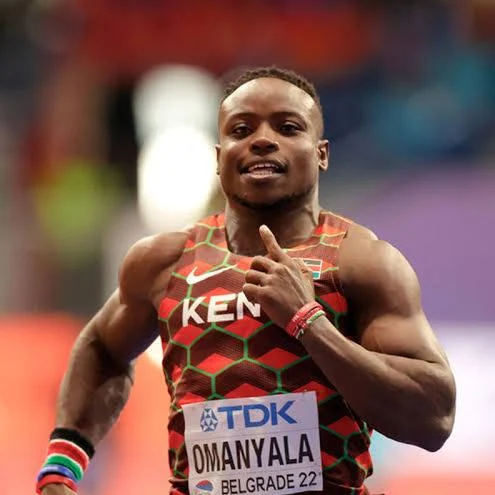
In a world where virality often outweighs value, Ferdinand Omanyala’s decision to decline a friendly race against internet sensation IShowSpeed has sparked heated debate. Some critics argue that the Kenyan sprint champion missed an easy opportunity for publicity. Others claim he was simply protecting his brand. But if we take a step back and view the situation through the lens of professional athletics, Omanyala’s refusal makes more sense than many people realize.

A Career Built on Discipline, Not Clicks

The first misunderstanding about this challenge is the assumption that it was “just for fun.” For Omanyala, there is nothing casual about sprinting. A world-class sprinter’s body is a carefully calibrated machine, tuned through months of structured training, strict recovery schedules, and meticulous planning.

An athlete like Omanyala does not wake up and decide to run at full speed for entertainment. Even a single sprint carries risk — not just of injury, but of disrupting a training cycle that is built around peak performance in major competitions. For elite athletes, a season is not a series of isolated races; it is a long-term plan. A minor muscle strain or a slight disruption in training can cost far more than a viral video ever could.

The Hidden Cost of “Just a Fun Race”

Some may say that Omanyala could have simply “taken it easy” or even let IShowSpeed win. But that ignores the real issue: the risk of normalization.

If Omanyala agreed to this challenge, he would be setting a precedent. The message would be clear: “I am available for any viral challenge, any time, for free.” In a world where attention is currency, that is a dangerous precedent for a professional athlete. It undermines the value of the sport, and it opens the door for exploitation by people who want content more than competition.

Athletes Aren’t Content Creators

Another important factor is the difference between sports and entertainment. IShowSpeed is a content creator — his career depends on trends, views, and social media engagement. Omanyala, however, is a professional athlete whose career depends on performance, discipline, and consistency.

To ask Omanyala to race for “streams and likes” is to ask him to convert years of hard work into a viral moment. That may sound harmless, but it is not. It is a request for him to commodify his talent without proper compensation or benefit.

Brand Value Is Not Just Money

Yes, the race could have increased Omanyala’s global exposure. But exposure alone is not value. Athletes must protect their brand from being reduced to entertainment.

Omanyala is not just a runner — he is a national icon, a role model, and a symbol of Kenyan athletic excellence. By declining the race, he was protecting the dignity of his sport and maintaining the integrity of his career.

Omanyala vs IShowSpeed: A Lesson in Professional Boundaries

The IShowSpeed challenge was a moment of entertainment. But Omanyala’s response was a reminder of something much deeper: professional boundaries matter.

When athletes are pressured to participate in viral challenges, they are not just being asked to run; they are being asked to risk their livelihood for a moment of internet fame. That is not a fair exchange.

In the end, Omanyala’s decision should not be viewed as arrogance or fear. It should be seen as a professional judgment call — a decision made by an athlete who understands the true cost of one careless sprint.

In a world obsessed with virality, it is refreshing to see someone prioritize discipline, professionalism, and long-term value over a fleeting moment of internet attention.

herbal remedies for arthritis

Herbal Remedies for Arthritis: Powerful Natural Combinations That Support Joint Health

Arthritis affects millions of people worldwide, causing joint pain, stiffness, inflammation, and reduced mobility. While conventional medicine plays an important role in treatment, many people are increasingly turning to herbal remedies for arthritis to support pain relief, reduce inflammation, and improve overall quality of life.

Herbal medicine does not claim to cure arthritis. Instead, it works by supporting the body’s natural healing processes, reducing inflammatory responses, improving circulation, and protecting joint tissue. When used responsibly and alongside medical care, certain herbal combinations can be especially beneficial.

This article explores powerful herbal combinations, explains how each ingredient works, and shows how they may help people living with arthritis manage symptoms more effectively.

Understanding Arthritis and Inflammation

At its core, arthritis is an inflammatory condition. Whether osteoarthritis or rheumatoid arthritis, the common challenges include:

  • Chronic inflammation
  • Joint degeneration
  • Pain signaling in nerves
  • Reduced circulation to joint tissues

Effective herbal remedies for arthritis typically target one or more of these underlying issues.

1. Turmeric, Black Pepper, and Ginger

Purpose: Inflammation control and pain relief

Turmeric

Turmeric contains curcumin, a compound widely studied for its anti-inflammatory and antioxidant effects. Curcumin helps block inflammatory pathways that contribute to joint swelling and stiffness. Many people with arthritis report reduced morning stiffness and improved mobility with consistent turmeric use.

Black Pepper

Black pepper contains piperine, which dramatically increases the absorption of curcumin in the body. Without black pepper, much of turmeric’s benefit is lost during digestion.

Ginger

Ginger reduces inflammatory compounds in the body and supports circulation. It also helps ease joint pain and stiffness while supporting digestion—an important benefit for individuals who use pain medication.

Why this combination works:
This is one of the most effective herbal remedies for arthritis because it combines inflammation reduction, pain control, and improved absorption.

2. Devil’s Claw, Willow Bark, and Boswellia

Purpose: Joint pain relief and improved mobility

Devil’s Claw

Traditionally used for joint and back pain, Devil’s Claw helps reduce pain intensity and supports joint movement. It is particularly helpful for osteoarthritis affecting the knees and hips.

Willow Bark

Willow bark contains salicin, a natural compound similar to aspirin. It provides gentle pain relief and reduces inflammation, especially when used consistently over time.

Boswellia (Frankincense)

Boswellia helps block inflammatory chemicals that damage cartilage. It also supports long-term joint flexibility and helps slow cartilage breakdown.

Why this combination works:
This blend focuses on pain relief, cartilage protection, and improved joint function, making it a popular herbal remedy for arthritis-related stiffness.

3. Moringa, Nettle Leaf, and Green Tea

Purpose: Nutritional support and antioxidant protection

Moringa

Moringa is rich in calcium, antioxidants, and essential nutrients that support bone and joint health. It helps reduce oxidative stress, which contributes to joint damage.

Nettle Leaf

Nettle leaf has been traditionally used for arthritis and rheumatic conditions. It helps reduce inflammation and supports mineral balance, especially iron and magnesium.

Green Tea

Green tea contains EGCG, a powerful antioxidant that may help slow cartilage degeneration and reduce inflammatory activity in joints.

Why this combination works:
This is a nutrient-focused herbal remedy for arthritis, supporting joint health from the inside while fighting inflammation at the cellular level.

4. Garlic, Cayenne Pepper, and Ginger

Purpose: Circulation and stiffness reduction

Garlic

Garlic supports immune balance and reduces inflammatory markers in the body. It also improves blood circulation, helping nutrients reach joint tissues.

Cayenne Pepper

Cayenne contains capsaicin, which reduces pain signals sent to the brain. It is commonly used both internally and topically for joint discomfort.

Ginger

Ginger enhances circulation and reduces stiffness, especially in cold conditions.

Why this combination works:
Poor circulation worsens arthritis symptoms. This warming blend improves blood flow and helps reduce stiffness and pain perception.

5. Ashwagandha, Turmeric, and Holy Basil

Purpose: Stress reduction and immune balance

Ashwagandha

Ashwagandha helps reduce stress hormones, which are known to worsen inflammation. It also supports muscle strength around affected joints.

Holy Basil (Tulsi)

Holy basil helps regulate immune responses and reduces inflammation, making it especially helpful for inflammatory arthritis.

Turmeric

Turmeric anchors this combination with its powerful anti-inflammatory effects.

Why this combination works:
Stress plays a major role in autoimmune and inflammatory arthritis. This blend supports the mind–body connection, making it a valuable herbal remedy for arthritis management.

Important Safety Considerations

  • Herbal remedies for arthritis may interact with medications
  • People with chronic conditions should consult a healthcare professional
  • Dosage, preparation, and quality of herbs matter greatly
  • Herbs should complement—not replace—medical treatment

A Supportive Path to Better Joint Health

Herbal remedies for arthritis offer a natural, supportive approach to managing joint pain, inflammation, and stiffness. When used responsibly, these herbal combinations can improve mobility, enhance comfort, and support long-term joint health.

The best results come from combining herbal support with:

  • Gentle exercise
  • Balanced nutrition
  • Stress management
  • Medical guidance

Arthritis is a long-term journey—but with the right tools, a better quality of life is achievable.

AFCON finals 2026: Senegal Claims Afcon Glory Amid Controversial Final Against Morocco

The AFCON finals 2026 delivered one of the most dramatic conclusions in the tournament’s history as Senegal edged hosts Morocco 1-0 in a controversy-filled showdown that will be debated for years to come. Played under intense pressure and watched by millions across the continent, the final combined high-quality football with raw emotion, disputed refereeing decisions, and moments of leadership that ultimately shaped the destiny of African champions..

Gueye Says Victory Was Fuelled By Injustice

Senegal’s match-winner Pape Gueye revealed that the team drew motivation from a deep sense of injustice following controversial refereeing decisions late in the match. Moments before Morocco were awarded a penalty after a VAR review, Senegal believed they should have been given a goal of their own, a decision that left players and officials furious.

According to Gueye, those moments hardened Senegal’s resolve. He explained that the feeling of being wronged only strengthened their belief that they had to finish the job on the pitch.

Protests, Walk-Off And Chaotic Scenes in The AFCON finals 2026

Tensions boiled over after the penalty award, with several Senegal players briefly walking off the pitch in protest, bringing play to a halt. The delay sparked chaotic scenes in the stadium as emotions spilled over from the field into the stands, forcing officials and security personnel to intervene.

Calm was eventually restored following intervention from senior players, including captain Sadio Mané, who urged his teammates to return and see out the match.

Mendy’s Save Keeps Senegal Alive

Morocco’s Brahim Díaz stepped up to take the spot-kick, but his effort was weak and comfortably saved by Édouard Mendy. The crucial stop preserved Senegal’s hopes and proved to be a turning point, allowing the match to push into extra time with momentum firmly on Senegal’s side.

Extra-Time Strike Seals Historic Triumph

Just four minutes into extra time, Gueye delivered the decisive moment, scoring the goal that secured Senegal’s second Africa Cup of Nations title. The strike marked a historic milestone, as it was Senegal’s first goal ever scored in an AFCON final despite multiple appearances on the grand stage.

Coach Admits Emotional Error

Senegal head coach Pape Thiaw later admitted that instructing players to walk off the pitch was an emotional reaction made in the heat of the moment. While acknowledging the mistake, he emphasized that controversial refereeing decisions are part of football and praised his players for regaining focus and composure.

Triumph Born From Adversity

As the dust settles on the AFCON finals 2026, Senegal’s triumph stands as a powerful reminder that championships are often forged in adversity. Fuelled by controversy, sustained by composure, and sealed by a moment of brilliance, the Lions of Teranga emerged stronger from chaos. While questions over officiating and match control will continue to spark debate, Senegal’s ability to stay focused under extreme pressure has etched their name permanently into AFCON finals 2026 history.

Uganda Election 2026: Museveni vs Bobi Wine and the Battle for the Nation’s Future

As the Uganda election 2026 approaches, the country stands at a historic crossroads. Few elections in Uganda politics have carried such symbolic weight or drawn as much global attention. At the heart of this contest is a familiar face and an insurgent challenger: Yoweri Museveni, the veteran strongman who has ruled Uganda for four decades, and Bobi Wine, the pop-star-turned-politician whose rise has reshaped the Uganda opposition movement.

This is more than a routine Uganda presidential election. It is a referendum on longevity, legitimacy, and whether a peaceful transition of power is still possible under a system many critics say has hardened into authoritarianism. From youth unemployment in Uganda to concerns over whether the vote will be free and fair, the stakes could not be higher.

Uganda’s Political Landscape Going Into the 2026 Election

The Uganda election 2026 unfolds in a country where politics has long been dominated by a single party and a single man. The NRM party has governed since 1986, shaping institutions, security forces, and the economy in its image. For many Ugandans, Yoweri Museveni Uganda is not just a president—it is the political era they were born into.

Uganda’s population is overwhelmingly young. More than 75% of citizens are under the age of 30, making the youth vote in Africa especially decisive here. Yet this demographic reality clashes with a leadership class rooted in liberation-era politics. This generational tension is one of the defining features of Uganda politics analysis ahead of the vote.

Yoweri Museveni and the Legacy of Strongman Leadership

Once celebrated as part of a new wave of reformist leaders, Museveni’s image has evolved into that of an archetypal African strongman leader. Through constitutional changes that removed term and age limits, Museveni positioned himself as Uganda’s indispensable leader.

Supporters argue that his long rule has delivered stability in a volatile region of East Africa politics. They credit him with avoiding the civil wars and state collapse seen elsewhere. Critics, however, describe Uganda democracy under Museveni as increasingly hollow, pointing to restrictions on media, civil society, and political competition.

In the Museveni vs Bobi Wine election, the president presents himself as the guardian of continuity—warning that abrupt change could undo decades of progress. This message resonates with older voters and rural communities who remember the chaos of the past.

Bobi Wine and the Rise of a Youth-Driven Opposition

Bobi Wine’s political journey is unlike any other in modern Ugandan history. Born Robert Kyagulanyi, he rose from the ghettos of Kampala to become one of the country’s most influential musicians before entering politics. His transformation from entertainer to statesman has redefined what leadership looks like in Uganda.

As leader of the National Unity Platform (NUP), Bobi Wine has become the face of political change in Uganda. His appeal lies in his authenticity and ability to articulate everyday frustrations: unemployment, corruption, police brutality, and economic exclusion. For many young voters, he embodies the hope of governance reforms in Uganda.

Yet his campaign has faced relentless pressure. Reports of disrupted rallies and arrests have fueled debates about the role of security forces in Uganda elections. These challenges have only strengthened his narrative that the system is stacked against genuine competition.

Is the Uganda Election Free and Fair?

One of the most searched questions online remains: Is Uganda election free and fair? Past polls have been marred by allegations of vote rigging, intimidation, and restricted observation. Ahead of 2026, Uganda election human rights concerns dominate reports from international observers and civil society groups.

Opposition supporters point to the opposition crackdown in Uganda, citing arrests, surveillance, and selective enforcement of public order laws. The government, meanwhile, insists that strict measures are necessary to maintain peace and prevent violence.

Concerns over the electoral commission independence Uganda continue to cast a shadow over the process. Trust in institutions is fragile, and credibility may matter as much as the final numbers.

Technology, Internet Shutdowns, and Electoral Transparency

In recent years, internet shutdowns during Uganda elections have become a major flashpoint. Critics argue that cutting access prevents citizens from sharing results, documenting irregularities, and participating freely in civic discourse.

The opposition’s embrace of digital tools and grassroots monitoring reflects a broader trend in elections in East Africa, where technology has become both a weapon and a shield. Whether connectivity will remain intact during the Uganda election 2026 could significantly shape public confidence in the outcome.

Economic Pressures and the Youth Vote

Beyond politics, the economy looms large. Uganda youth unemployment politics has emerged as a central campaign theme. While macroeconomic indicators show gradual improvement, job creation has lagged behind population growth.

For young Ugandans, the election is not just about leadership style but survival. Rising costs, limited opportunities, and entrenched corruption feed into broader debates about authoritarianism vs democracy in Africa. The youth vote increasingly sees political reform as inseparable from economic justice.

Uganda in the African Context

The Uganda election BBC analysis and similar international coverage frame the vote within a continental struggle between entrenched incumbents and reformist challengers. From West Africa to Southern Africa, citizens are questioning whether liberation-era leaders can still speak to modern realities.

Uganda’s experience mirrors a broader African dilemma: how to balance stability with accountability, and order with openness. The outcome of the Uganda presidential election will resonate far beyond Kampala.

What Happens After the Vote?

Regardless of who wins, the aftermath may be just as consequential as polling day. Peaceful acceptance of results would mark a significant milestone in democracy in Africa. Disputed outcomes, however, could deepen divisions and reinforce cynicism among voters.

For Bobi Wine and the Uganda opposition movement, even defeat could further entrench NUP as a long-term political force. For Museveni and the NRM party, another victory would extend an already extraordinary tenure—but also intensify questions about succession and legitimacy.

Uganda Election 2026 and the Question of the Future

The Uganda election 2026 is ultimately a contest between two visions of the nation. Yoweri Museveni Uganda represents continuity, control, and the promise of stability under familiar hands. Bobi Wine election campaign symbolizes disruption, generational change, and the demand for a new social contract.

As ballots are cast, Ugandans are not just choosing a president—they are deciding how much longer the past should define the future. Whether the outcome reinforces the status quo or accelerates political change in Uganda, one truth is clear: the era of unquestioned power is fading, and the voices calling for reform are only growing louder.

In that sense, the Uganda election 2026 may be remembered not only for who won, but for how boldly a nation confronted its own destiny.

Newsly KE
Privacy Overview

This website uses cookies so that we can provide you with the best user experience possible. Cookie information is stored in your browser and performs functions such as recognising you when you return to our website and helping our team to understand which sections of the website you find most interesting and useful. View our privacy policy and terms & conditions here.

×