
Boiling Maize in Polythene: A Silent Street-Food Health Risk Growing in Kenya

Post

Boiling Maize in Polythene: A Silent Street-Food Health Risk Growing in Kenya

Across many towns, markets and highways in Kenya, a quiet change has taken place in how boiled maize (mahindi ya kuchemsha) is prepared and kept hot. More vendors are now using thick polythene sheets or plastic bags to cover maize, or to hold the maize while it sits in hot water, mainly to preserve heat and reduce fuel costs.

While the intention is practical and understandable, this method introduces a real and avoidable public-health risk.

Why vendors are turning to polythene

Rising charcoal, firewood and gas prices have forced many small traders to look for ways to keep food hot for longer without reheating. Polythene sheets are cheap, easy to find and simple to reuse. Once the maize is boiled, the plastic is used to trap heat and steam so that the food remains warm for several hours.

In busy roadside environments, this also makes serving faster and reduces the need to keep lighting the stove. From a business point of view, the practice makes sense. From a health point of view, it does not.

The real issue: most polythene is not made for boiling food

The majority of plastic sheets and bags used by street vendors are not food-grade. They are general packaging materials bought in open markets or reused from other products. They are not designed to come into direct contact with boiling water, hot steam or very hot food.

When ordinary plastic is exposed to high temperatures, it does not remain chemically stable. Even though it may look unchanged, its structure begins to soften and break down.

This matters because plastics are manufactured using various additives and processing chemicals. Under heat, some of these substances can move out of the plastic and into the surrounding water or directly into the maize. This process is known as chemical leaching.

Why heat and steam make the risk much higher

Plastic behaves very differently when it is cold compared to when it is heated. Hot water and steam significantly increase the movement of chemicals from plastic into food.

Boiled maize is usually prepared early and then kept hot for long periods. During this time, the maize remains in a moist and steamy environment. These conditions accelerate the transfer of unwanted substances from the polythene into the food.

In simple terms, the longer hot maize stays in contact with plastic, the greater the opportunity for contamination.

The Kenyan street-food context makes the problem worse

In formal food establishments, only certified food-contact materials are allowed to touch hot food. In informal vending, this control rarely exists.

Many of the polythene sheets used on the street were originally made for purposes such as industrial packaging, storage or transport. They were never intended to touch food, let alone boiling water.

Because there is no clear labelling or regulation at the point of sale, vendors themselves often cannot tell whether a plastic sheet is safe for food use. In practice, almost all of the plastics used in these settings should be treated as non-food materials.

Reusing the same plastic increases exposure

Another important concern is repeated use. The same polythene sheet is often heated, cooled and reheated many times in a single day.

Each heating cycle weakens the plastic structure. Over time, this speeds up its breakdown and increases the likelihood that small chemical residues and microscopic plastic particles are released into the food or water. Even when the sheet looks clean and strong, its safety has already declined.

This is not about bad taste or immediate illness

For the public, it is important to be clear about what this risk actually looks like.

Boiled maize that has been kept in polythene will usually taste normal. It rarely causes sudden stomach upset or obvious food poisoning. The concern is not short-term illness.

The real danger lies in long-term, repeated exposure to small amounts of substances that should not be present in food. When such exposure happens regularly — especially for people who eat roadside food frequently — it becomes a chronic public-health concern rather than an immediate one.

This is why the practice can continue unnoticed for years.

“We have eaten maize like this for a long time”

Many Kenyans will understandably say that this method has been used for years without visible problems. However, history shows that many environmental and food-related health risks only become clear after long periods of exposure.

Raising awareness is not about blaming vendors or discouraging people from buying street food. It is about recognising a preventable risk and correcting it early, before it becomes widespread and normalised.

The simple truth

Boiling maize while it is wrapped, covered or enclosed in polythene is unsafe.

The maize itself is not the problem. The problem is the direct contact between hot food, hot water or steam and non-food plastic.

Safer and realistic ways to keep maize hot

Keeping maize warm does not require plastic to touch the food. A well-covered metal sufuria retains heat effectively on its own. Additional insulation can be placed around the outside of the pot using a sack, thick cloth or insulated cover. Maize can also safely remain in hot water inside the pot until it is served.

These methods preserve heat, reduce fuel use and protect the food at the same time.

What consumers can do

Consumers also influence how food is handled. Choosing maize served directly from a covered pot, rather than maize that has been sitting inside a plastic bag or plastic-lined container, encourages safer practices.

A simple and respectful question such as:

“Hii mahindi ilikuwa imekaa ndani ya mfuko wa plastiki?”

can raise awareness without confronting the vendor.

A public-health message for Kenya’s street-food culture

Kenya’s street-food economy feeds millions of people every day and supports thousands of families. Protecting this sector also means protecting the way food is prepared and stored.

The growing use of polythene to boil or hold hot maize is driven by fuel costs, convenience and limited awareness — not bad intentions. Yet the health risk is real, and it is entirely avoidable.

Heat, non-food plastic and direct contact with food should never go together. With small and affordable changes, vendors can continue to sell safe, trusted boiled maize while protecting the health of the public they serve.


Midlife Weight Gain in Men: A Global Deep Dive into Causes, Consequences, and Practical Solutions

As men enter their late 30s and 40s, many notice an unwelcome change: despite little or no obvious change in diet or lifestyle, their waistlines inch outward year by year. Traditional markers of “weight gain” — larger portion sizes or reduced activity — often aren’t dramatically different. Yet the mirror and bathroom scale tell a different story. This gradual, stubborn accumulation of fat, especially around the belly, is not unique to any one country or culture — it’s a global phenomenon known as midlife weight gain in men.

A Worldwide Trend with Measurable Impact

Midlife weight gain in men is not merely anecdotal. Globally, obesity rates among middle‑aged men have been rising for decades:

  • According to the World Health Organization (WHO), the prevalence of obesity has nearly tripled since 1975. In 2016, more than 1.9 billion adults were overweight, of which over 650 million were obese — and this includes a significant proportion of men aged 35–54.
  • A 2020 analysis in The Lancet reported that men’s average body mass index (BMI) has been increasing worldwide across continents — in North America, Europe, Asia, and sub‑Saharan Africa — suggesting a truly global pattern.
  • In the United States, data from the Centers for Disease Control and Prevention (CDC) show that more than 40% of men aged 40–59 are obese (BMI ≥30), and another large percentage are overweight (BMI 25–29.9).

These numbers reflect shifts in physiology, lifestyle, work patterns, food environments, and stress — factors that intersect in midlife to make weight gain almost predictable.

Biology Behind the Weight Gain

Weight gain in midlife is not purely a matter of choice. As men age, several biological processes contribute:

  • Hormonal shifts: Testosterone — a hormone central to muscle maintenance and fat metabolism — gradually declines beginning in men’s early 30s. Lower testosterone is associated with decreased muscle mass and increased fat storage, particularly visceral fat around the abdomen.
  • Sarcopenia: This age‑related loss of muscle begins as early as age 30 and accelerates after age 40. Since muscle burns more calories than fat even at rest, its decline lowers the body’s overall energy needs.

Dr. Michael Jensen, a professor of medicine at the Mayo Clinic, emphasizes that “changes in body composition with age — decreased muscle and increased fat — occur independently of weight change. What looks like weight gain is often a shift in how energy is stored and used.”

Metabolism Misunderstood

A common myth is that metabolism “crashes” after 40. In reality, metabolism adjusts. Men burn fewer calories not because the metabolic processes fail, but because they have less muscle and often move less during the day. For example:

  • A man who was active in his 20s — walking or standing frequently — may by his 40s spend more of the day seated at a desk or in traffic.
  • Even if he exercises regularly, long periods of sedentary time reduce total daily energy expenditure.

When caloric intake remains the same as in younger years, this creates a persistent energy surplus that slowly leads to fat gain.

Modern Lifestyles Amplify the Issue

Across cities worldwide, patterns of work and movement have shifted:

  • Urbanization has increased sedentary time. In places like Nairobi, New York, London, and Mumbai, long commutes, office work, and screen time dominate the day.
  • According to global behavioral surveys, many men sit for 8–10 hours or more daily — often with only short bursts of intentional exercise.

Even regular gym sessions can’t fully offset the impact of prolonged sitting. As Dr. James Levine, an endocrinologist and movement scientist, puts it, “We evolved to move throughout the day. Sitting for extended periods is a recent behavior that our bodies weren’t designed for.”

Dietary Shifts and Energy Imbalance

Worldwide, food environments have transformed faster than people’s eating habits:

  • Increased access to highly‑processed foods, sugary drinks, and calorie‑dense meals is a global trend, seen in both developed and emerging economies.
  • Portion sizes have grown significantly. A 2018 study in Appetite found that average meal portions in urban settings were 30–50% larger today than they were two decades ago.

Men often consume more calories than their daily energy needs require, particularly when diets retain the norms of their younger, more active years.

Stress, Sleep, and Hormonal Flux

Midlife often coincides with intensified responsibilities — career demands, financial pressures, caregiving, and social roles. Chronic stress raises cortisol, a hormone linked to increased hunger and abdominal fat storage. Compounding this, poor sleep — common in midlife — disrupts appetite hormones, making calorie control harder.

According to research published in Sleep Health, adults sleeping fewer than six hours per night are significantly more likely to gain weight than those sleeping seven to nine hours.

Central Fat: More Than a Cosmetic Issue

Midlife weight gain in men often presents as central adiposity — fat around the belly. This pattern is not merely aesthetic; visceral fat is metabolically active and strongly associated with:

  • Elevated blood glucose
  • Dyslipidemia (abnormal cholesterol)
  • Hypertension
  • Increased risk of type 2 diabetes and cardiovascular disease

The New England Journal of Medicine reports that men with higher waist circumference have a markedly greater risk of metabolic syndrome, independent of BMI.

Effective, Realistic Strategies

Given the complex causes, what actually works?

1. Preserve Muscle Through Strength Training

Resistance exercise is critical. Studies show that strength training increases muscle mass, improves insulin sensitivity, and raises resting energy expenditure. Aiming for 2–3 sessions per week can be transformative.

2. Reduce Sedentary Time

Simple changes — standing meetings, short walks during breaks, and reducing prolonged sitting — cumulatively increase daily energy use.

3. Adjust Diet to Current Needs

Moderating caloric intake by focusing on protein and whole foods — lean meat, legumes, eggs, fish, dairy — while reducing processed, fried, and sugary foods aligns intake with today’s energy needs.

4. Prioritize Sleep

Better sleep improves hormonal balance and appetite regulation. Adults are encouraged to aim for 7–9 hours per night.

5. Moderate Alcohol

Alcohol contributes empty calories and disrupts sleep and metabolism. Reducing intake can meaningfully affect weight and health.

A Shift in Perspective

Midlife weight gain in men is not a failure of discipline. It is a predictable outcome of physiological changes interacting with modern life. Understanding this removes blame and opens the door to informed action.

Men who adjust habits to align with their changing bodies — through strength training, daily movement, thoughtful eating, and better sleep — can maintain metabolic health and vitality well into later years.

Weight gain in midlife is not inevitable, but it is explainable, manageable, and reversible when addressed with strategy rather than frustration.

Where to Buy Affordable eBooks in Kenya (Self-Help, Christian & Personal Growth Books)

Finding quality, affordable eBooks in Kenya is still a challenge for many readers — especially when most international platforms price their books in dollars and make local payments difficult.

That is exactly why Newsly eBooks Kenya was created.

👉 Visit the store here:
https://e-books.newsly.co.ke/Home

Newsly eBooks Kenya is a local digital bookstore designed specifically for Kenyan readers who want easy access to meaningful, practical and inspiring books at affordable prices.

Why buying eBooks in Kenya is still difficult

Many Kenyan readers face common problems such as:

  • Expensive international platforms
  • Limited local content
  • Complicated payment methods
  • Books that do not address African or Kenyan realities

As a result, people who want to grow emotionally, spiritually or professionally often struggle to find content that truly speaks to them.

Introducing Newsly eBooks Kenya

Newsly eBooks Kenya is an online platform where you can:

  • Browse affordable digital books
  • Purchase instantly
  • Read on your phone, tablet or laptop
  • Support local and faith-based writers

Explore the full collection here:
👉 https://e-books.newsly.co.ke/Home

The store focuses on practical and life-changing topics that many readers in Kenya are actively searching for today.

What type of eBooks can you find on Newsly eBooks Kenya?

The platform offers a growing collection of books in areas that matter most to everyday life.

1. Self-help and personal development eBooks in Kenya

If you are looking for practical guidance on:

  • decision making
  • personal growth
  • emotional resilience
  • life purpose

you will find titles such as:

  • Decision Making
  • Life Will Give You What You Ask of It
  • Mind Empowerment
  • Transitions

These books are written to be simple, relatable and actionable for readers in Kenya and beyond.

2. Christian and faith-based eBooks

Newsly eBooks Kenya also serves readers looking for spiritual encouragement and Christian growth materials.

Popular themes include:

  • healing and restoration
  • God’s comfort in difficult seasons
  • leadership and discipleship
  • personal faith journeys

Some featured titles include:

  • God’s Comfort for Your Soul
  • Restored
  • Rahab: From Harlot to Heroine
  • Grooming the Next Generation into Spiritual Leadership

If you are searching for Christian eBooks in Kenya, this platform offers a convenient local alternative.

3. Relationship, marriage and emotional wellness books

Modern relationships come with real challenges, and many readers are actively searching for guidance on:

  • dating
  • marriage preparation
  • emotional pain and healing
  • divorce and family challenges

On Newsly eBooks Kenya, you can find books such as:

  • Practical Tips for Dating and Falling in Love
  • Singles and Blooming for Marriage
  • Impacts of Divorce
  • Emotional Pain
  • The Pain No One Sees

These titles focus on real-life experiences that many people in Kenya quietly go through.

4. Inspirational and thought-provoking reads

If you enjoy reflective and motivational content, the store also offers books such as:

  • Overcoming Fear
  • I Know It All
  • Life Coaching Manual
  • The Hidden Struggles of the Disabled

They are designed to spark reflection, courage and personal change.

Why choose Newsly eBooks Kenya instead of international platforms?

Here is what makes Newsly eBooks Kenya different:

✅ Affordable local pricing

Most books are priced in Kenyan shillings, making them accessible to more readers.

✅ Relevant content

The topics are carefully selected to address emotional, spiritual and personal challenges that many people in Kenya actually face.

✅ Simple online access

You can browse and buy directly from the website without complicated processes.

✅ Support for local digital publishing

By purchasing from the platform, you help grow local authors and digital publishing in Kenya.

Who should use Newsly eBooks Kenya?

This platform is ideal for:

  • students and young professionals
  • church leaders and ministry teams
  • couples and singles preparing for marriage
  • anyone seeking emotional healing and growth
  • readers searching for Christian and inspirational eBooks in Kenya

How to buy eBooks in Kenya from Newsly eBooks Kenya

Getting started is simple.

  1. Visit the store
    👉 https://e-books.newsly.co.ke/Home
  2. Browse the available eBooks
  3. Add your preferred book to cart
  4. Complete your purchase and start reading

If you are searching for a reliable place to buy eBooks in Kenya, especially in the areas of self-help, Christian growth, relationships and personal development, Newsly eBooks Kenya is a platform worth exploring.

👉 Start browsing today:
https://e-books.newsly.co.ke/Home

Affordable. Local. Practical.
Your next life-changing book could be just one click away.

The Doomsday Clock: Humanity’s Symbolic Warning

The Doomsday Clock is one of the most striking symbols of global risk and humanity’s vulnerability. Created in 1947 by the Bulletin of the Atomic Scientists, the clock is not a literal timepiece but a metaphorical measure of how close the world is to catastrophic destruction, often represented as “midnight.”

Origins and Purpose

The clock was introduced shortly after World War II, following the atomic bombings of Hiroshima and Nagasaki. The scientists behind it wanted a way to communicate the danger of nuclear weapons to the public. Over the decades, the Doomsday Clock has evolved to reflect other existential threats, including climate change, emerging technologies, and global political instability.

How the Clock Works

The Doomsday Clock is expressed in “minutes to midnight.” Midnight represents the moment of global catastrophe.

  • Closer to midnight = greater danger to humanity
  • Further from midnight = safer conditions

The Bulletin of the Atomic Scientists annually assesses international events — like nuclear tests, political conflicts, environmental disasters, and technological risks — to decide whether to move the clock closer to or further from midnight.

Notable Moments in History

  • 1947: The clock was set at 7 minutes to midnight, reflecting early nuclear fears.
  • 1953: Moved to 2 minutes to midnight after the U.S. and USSR tested hydrogen bombs.
  • 1991: Reset to 17 minutes to midnight after the Cold War ended and nuclear arms reduction treaties were signed.
  • 2020: Set to 100 seconds to midnight due to nuclear threats, climate change, and disruptive technologies.
  • 2023: Remained at 90 seconds to midnight, signaling ongoing geopolitical and environmental risks.

Why It Matters

While symbolic, the Doomsday Clock raises public awareness about global threats. Governments, organizations, and citizens use it as a reminder that cooperation, diplomacy, and responsible technological development are crucial for survival. The clock is not a prediction but a warning — a call to action for humanity to reduce risk.

Modern Threats Highlighted by the Clock

  1. Nuclear Weapons: Tensions between global powers remain a primary concern.
  2. Climate Change: Environmental degradation and global warming threaten societies worldwide.
  3. Technological Risks: Advances in artificial intelligence, cyberwarfare, and biotechnology have introduced new potential hazards.
  4. Political Instability: Conflicts, broken treaties, and rising authoritarianism can escalate global risks.

The Doomsday Clock remains a powerful reminder that human choices have consequences. Each year, it prompts reflection: Are we doing enough to prevent catastrophic events? As the clock ticks closer to midnight, its message becomes increasingly urgent — the future of humanity depends on informed action, collaboration, and responsibility.

Iran attack on Israel today

Iran attack on Israel today Update — Tensions Persist as Regional Conflict Remains Unresolved

The ongoing standoff between Iran and Israel continues to attract global attention, with diplomats, militaries, and regional actors all watching closely. Although large-scale combat has not resumed in early 2026, diplomatic and military indicators show that both sides remain on high alert.

Recent reports suggest that if the U.S. were to launch direct strikes on Iran, allied groups like Yemen’s Houthis could target Israeli and U.S. naval assets in retaliation. Israel’s defense forces are reportedly preparing for such contingencies while nuclear talks between Iran and the United States are scheduled to begin in Muscat, Oman.

Israel attacks Iran today — Strategic Military Balance and Preparedness

Although there have been no widely verified reports confirming new Israeli strikes on Iran in early 2026, the memory of past combat remains fresh. During the June 2025 confrontation, Israel launched extensive air operations against Iran’s nuclear and missile infrastructure as part of Operation Rising Lion, achieving tactical control of Iranian airspace and degrading much of Iran’s missile defenses.

Iran, for its part, retains a substantial arsenal of ballistic missiles, including medium- and long-range systems capable of reaching deep into the region — a factor that continues to shape military planning on both sides.

Iran News — Diplomacy, Military Posture, and Missile Concerns

Despite diplomatic overtures, Iran’s leadership has reiterated firm red lines regarding its nuclear program, missile capabilities, and regional alliances. Senior Iranian officials have stated they will not retreat on these core issues even as negotiations begin with the United States.

Meanwhile, Iran’s foreign minister has traveled to Oman for nuclear negotiations with Washington, a sign that leaders on both sides see value in dialogue amidst continued tension.

Israel-Iran latest news today — Regional and International Dynamics

The wider geopolitical context also includes efforts by Turkey and other regional powers to prevent a full-scale conflict between the U.S. and Iran. Turkish leaders have publicly advocated for diplomacy, emphasizing the dangers of escalating military tensions.

At the same time, there are warnings from Israeli intelligence that regional militant groups may escalate if conflict spills beyond the Persian Gulf, adding another layer of complexity to the situation.

Iran Israel War Today — From Past Conflict to Current Status

The direct Iran–Israel war of June 2025 saw intense exchanges of missile and drone strikes, with Iranian missiles targeting Israeli cities and Israel’s defenses responding with high interception rates. Civilian injuries and infrastructure damage occurred during those engagements, and the economic impacts were significant for both nations.

Although a ceasefire was reached, both militaries remain postured and capable, and political leaders on both sides have maintained public rhetoric that underscores unresolved strategic rivalry.

Iran and Israel War LIVE Today — Ongoing Developments

For those following live updates, international news channels and liveblogs from outlets like Al Jazeera continue to provide evolving details on negotiations, military advisories, and diplomatic negotiations that could influence future conflict dynamics. Many such platforms provide real-time monitoring of developments that could affect the wider Middle East.

Iran Israel War Videos — Coverage and Context

Video reporting from reputable broadcasters often includes discussions of past hostilities, military briefings, and expert analysis on what future confrontations could look like. These clips help explain the strategic balance and the potential implications of renewed conflict between Iran and Israel.

Iran Israel news Al Jazeera — Broad Coverage of Regional Tensions

Major international outlets like Al Jazeera have been continuously updating world audiences on the Iran–Israel standoff, offering both historical context and breaking developments as diplomatic efforts unfold. Their coverage often includes live blogs, expert interviews, and analysis of how negotiations with the U.S. might shape the next phase of relations.

While active large-scale combat between Iran and Israel is not confirmed today, the situation remains volatile, shaped by:

  • Ongoing diplomatic negotiations with global powers.
  • Continued military preparedness on both sides.
  • Potential involvement of allied groups like the Houthis.

Observers worldwide continue to monitor developments, understanding that the Iran–Israel rivalry remains one of the most consequential geopolitical flashpoints in the Middle East.

Kenya Pipeline Company (KPC) Initial Public Offer (IPO) – Now Open

The Kenya Pipeline Company (KPC) IPO is officially open, marking a major milestone in Kenya’s capital markets.
This offer gives investors a unique opportunity to own a stake in a strategically important national infrastructure company that plays a central role in the transportation and storage of petroleum products in Kenya and across the region.

How to Buy KPC Shares – Step-by-Step Guide

The KPC IPO offers two simple and convenient application channels to suit different investor needs:

  • USSD application – ideal for individual investors using mobile phones
  • Online portal – available to all categories of investors

Two Easy Ways to Apply

1. USSD Application (For Individual Investors Only)

Dial:

*483*816#
from your registered Kenyan mobile number.

This option:

  • Is quick and easy to use on your phone
  • Supports integrated M-Pesa payment
  • Is available only to individual investors
  • Requires a valid CDS account number

2. Online Portal Application

Apply online via:

https://kpcipo.e-offer.app
from any internet-enabled device.

This option:

  • Provides a full and user-friendly application interface
  • Supports multiple payment options
  • Is available to all investor categories
  • Requires a valid CDS account number

Essential Requirements

Before applying through either channel, ensure you have the following:

1. A valid CDS account
This is your securities account in Kenya. If you do not have one, contact your stockbroker or investment bank immediately to open it before the offer closes.

2. Sufficient funds
Make sure your M-Pesa wallet, bank account, or brokerage account has enough funds to cover your intended investment.
Calculate the total cost by multiplying the number of shares by the offer price and include a small allowance for transaction charges.

3. A registered mobile number

  • For USSD applications, the mobile number must be active and registered in the investor’s name.
  • For online applications, a valid mobile number is required to receive SMS updates and payment confirmations.

Offer Details

  • Offer price: KES 9.00 per share
  • Minimum investment: 100 shares
    (Total minimum investment: KES 900)

Investors may apply for more than the minimum number of shares, depending on their preferred investment amount.

Place Your Application

Log in to your chosen platform, select “Kenya Pipeline IPO”, and enter the number of shares you wish to purchase.
Ensure your CDS account number is ready.

Make Payment

Payment is integrated into the digital application process. You may pay using:

  • M-Pesa or other mobile money services
  • Bank transfer or EFT (commonly used for larger investments)
  • Funds already held in your brokerage account

Allocation and Listing

Share allocation
After the offer closes on February 19, 2026, shares will be allocated.
If the IPO is oversubscribed, you may receive fewer shares than applied for, and any excess funds will be refunded.

Listing and trading
KPC will be listed on the Nairobi Securities Exchange (NSE) on March 9, 2026.
Once listed, your shares will appear in your CDS account and you may choose to hold them for potential dividends or trade them at the prevailing market price.

Key Dates

  • Offer opens: Monday, January 19, 2026
  • Offer closes: Thursday, February 19, 2026
  • NSE listing date: Monday, March 9, 2026

Support and Enquiries

For more information or assistance with the application process, contact:

Faida Investment Bank
Email: info@fib.co.ke
Telephone: +254-20-7606026-35

Ron Kenoly: Family, Wife, Age, Lifestyle, Net Worth & Full Biography

Ron Kenoly, widely regarded as one of the most influential contemporary gospel artists and worship leaders of his generation, devoted his life to spreading the message of faith, hope, and praise through music. Known globally for his uplifting worship albums and energetic live performances, Kenoly’s contributions shaped modern church worship and inspired millions of believers worldwide. This biography provides a comprehensive overview of his family, personal life, career, lifestyle, net worth, and enduring legacy, highlighting the life of a man whose music and ministry left an indelible mark on the world of gospel music.

Full Name:

Ron Kenoly

Date of Birth / Age:

Ron Kenoly was born around 1944–1945, making him 81 years old at the time of his passing in February 2026.

Family : Parents ans Siblings

Ron Kenoly was born in the United States. While details about his parents and siblings are limited publicly, it is known that he grew up in a family that nurtured his love for music and worship. His family background influenced his spiritual path and his lifelong dedication to gospel music.

Family and Personal Life

Ron Kenoly was a devoted family man. He was married and had children, though he intentionally kept his family life private, choosing to protect their identities from the public eye. Throughout his career, Kenoly often emphasized the importance of balancing ministry with family responsibilities, teaching that faith begins at home.

Despite his global travels and demanding schedule as a worship leader, he made it a priority to nurture his family relationships. His personal life reflected the same values he promoted in his music — love, faith, and service. Friends and colleagues remember him not only as a gifted musician but also as a man who valued his role as a husband and father above all else.

Lifestyle:

Kenoly lived a life devoted to worship and music. Known for his joyful and energetic persona, he travelled extensively to minister in churches, conferences, and concerts around the world. He prioritized a lifestyle centered on spirituality, generosity, and mentorship of upcoming worship leaders.

Net Worth:

Although exact figures are not publicly confirmed, Ron Kenoly’s decades-long career as a gospel singer, worship leader, and recording artist allowed him to amass a considerable net worth. His wealth primarily came from album sales, live concerts, global ministry tours, and publishing of worship resources. Estimates suggest his net worth was several million dollars, reflecting both his musical influence and ministry work.

Career & Achievements:

Ron Kenoly became one of the most influential gospel music leaders in the world. He rose to international fame through his uplifting praise and worship albums, including:

  • Ancient of Days
  • Lift Him Up
  • Jesus Is Alive
  • Revive Us Again

He pioneered contemporary worship music, combining powerful vocals with choir-led arrangements that encouraged participatory worship. His live concerts often drew thousands of attendees, and his music continues to be sung in churches globally.

Kenoly also focused on training and mentoring worship leaders, spreading his message that worship is more than music — it’s a lifestyle and spiritual connection.

Death:

Ron Kenoly passed away on February 3, 2026, at the age of 81. His death was confirmed by his longtime music director, Bruno Miranda, on social media. Tributes poured in from gospel artists, church leaders, and fans worldwide, celebrating his legacy in music and worship.

Legacy:

Kenoly’s impact on contemporary worship music is unparalleled. His songs remain timeless classics, inspiring worshipers and shaping the style of modern gospel music across continents. Churches and ministries continue to honor his life and ministry through performances of his music, workshops, and tribute events.

Kenya Navy Receives UAV Drones Donated by Denmark to Boost Maritime Security

The Kenya Defence Forces (KDF) have taken a significant step toward modernising their maritime surveillance and operational capabilities after the Kenya Navy received unmanned aerial vehicle (UAV) drones donated by the Government of Denmark. The handover took place following the successful completion of a specialised training programme for Kenya Navy personnel at the Kenya Naval Training College in Mtongwe, Mombasa.

The donation ceremony, held on Monday, February 2, was officiated by Brigadier Mohamed Shemote, Commander of the Kenya Navy Fleet. It marked the culmination of an intensive training course delivered by UPTEKO Drones Company in collaboration with the Danish Military under a longstanding Kenya–Denmark defence cooperation framework.

Training for Modern Defence Challenges

During the programme, Kenya Navy officers received both theoretical instruction and practical skills in UAV operations — including flight planning, sensor deployment, aerial data collection and analysis, maintenance and safety procedures. This capacity building is part of Kenya’s broader defence modernisation agenda, aimed at equipping its forces to address evolving security challenges in the maritime domain.

Brigadier Shemote emphasized that the newly acquired drones would significantly enhance the navy’s maritime surveillance, reconnaissance, search and rescue operations, and force protection capabilities. He also expressed appreciation to the Danish Government for its continued support in strengthening Kenya’s maritime security infrastructure.

The Danish Defence Attaché to Kenya, Colonel Lasse Sand, said the donation and training initiative marked an important milestone in bilateral defence relations, expanding cooperation from traditional surface operations to aerial capacity building. Queensland noted the growing importance of modern drone technology in addressing security threats while improving operational efficiency.

Part of Larger Regional Defence Upgrades

The UAV donation from Denmark comes amid a wider effort by Kenya to modernise its defence capabilities. Earlier initiatives have included acquisition of air defence systems from international partners and expansion of key military bases, such as the ongoing expansion of the Kenya Navy Base at Manda Bay with U.S. support.

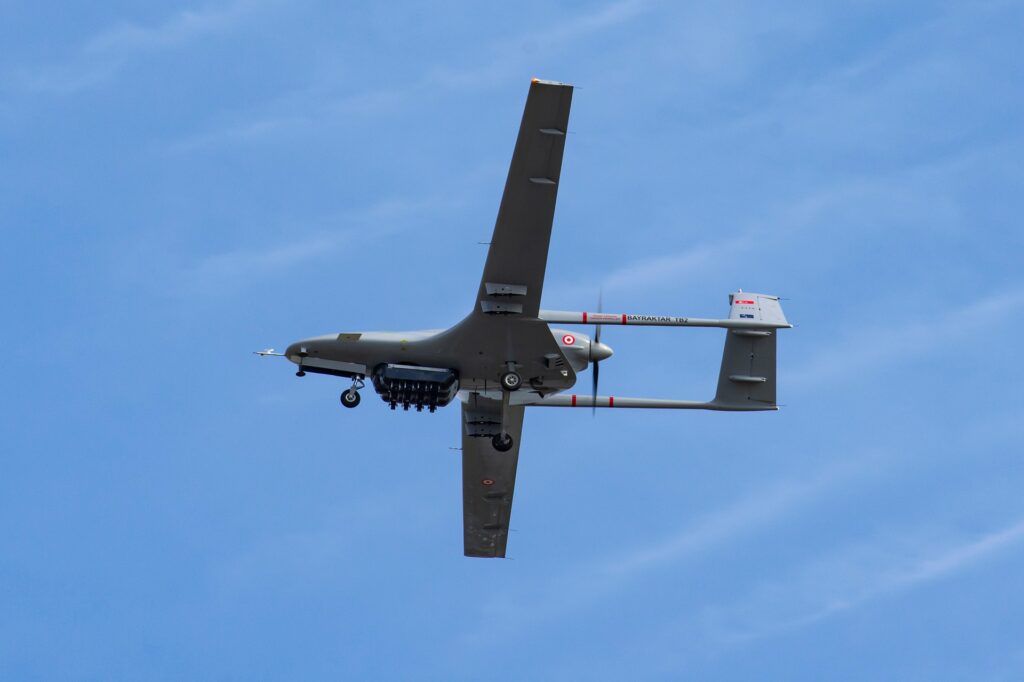
In addition to drones from partners like Denmark and potential acquisitions from Türkiye, which would include advanced Bayraktar TB2 UAVs for broader national defence purposes, Kenya’s investment in unmanned systems reflects a strategic push to strengthen its aerial and maritime domain awareness.

Why This Matters

The donation of drones from Denmark is a timely advancement given the complex security environment in the region. Improved maritime surveillance and rapid reconnaissance capabilities will help Kenya respond more effectively to threats ranging from piracy and illegal fishing to terrorism and cross-border crime in the Indian Ocean and Gulf of Aden.

The focus on modern unmanned systems also mirrors global military trends, where drones play critical roles — from reconnaissance to search and rescue. At the same time, concerns about how UAVs and similar technologies are used elsewhere, including in conflicts involving Africans in the Russia Ukraine War and other global theatres, continue to shape international debate about ethical use, training, and export controls of autonomous military systems.

Newsly KE
Privacy Overview

This website uses cookies so that we can provide you with the best user experience possible. Cookie information is stored in your browser and performs functions such as recognising you when you return to our website and helping our team to understand which sections of the website you find most interesting and useful. View our privacy policy and terms & conditions here.

×