How to Put Money in the Average Kenyan’s Pocket: A Blueprint for Transformative Governance

Post

How to Put Money in the Average Kenyan’s Pocket: A Blueprint for Transformative Governance

Kenya is a country of extraordinary potential, yet millions of its citizens struggle with low incomes, high living costs, and limited opportunities. Former President Uhuru Kenyatta once estimated that the country loses roughly Ksh 2 billion every single day to inefficiencies, mismanagement, and corruption—amounting to nearly Ksh 700 billion per year.

Imagine what could happen if an incoming government plugged these leaks and strategically reinvested the money into the lives of ordinary Kenyans. The goal isn’t just better services—it’s directly putting money into the pockets of everyday citizens, raising their living standards, and creating a cycle of economic empowerment.

This blueprint shows how this is possible, practical, and replicable, drawing lessons from countries that have already succeeded.

1. Fully Funded Public Education: From Pre-Primary to University

Education is the most effective way to improve a citizen’s long-term earning potential, yet most Kenyan families spend a fortune just to ensure their children can learn. Fully funded public education would eliminate school fees, examination costs, and informal contributions, freeing significant household income.

The Math for Kenya

  • Current education spending: ~Ksh 700 billion per year.
  • Potential funds recovered from anti-corruption measures: ~Ksh 700 billion per year.
  • Total potential investment in education: ~Ksh 1.4 trillion per year.
  • Number of learners (pre-primary, primary, and secondary): ~18 million.

Per-learner benefit: Ksh1.4 trillion÷18 million learners≈Ksh77,800 per learner per yearKsh 1.4 \text{ trillion} ÷ 18 \text{ million learners} ≈ Ksh 77,800 \text{ per learner per year}Ksh1.4 trillion÷18 million learners≈Ksh77,800 per learner per year

Impact on a typical family:

  • For a household with 3 school-going children:

77,800×3≈Ksh233,400savedannually77,800 × 3 ≈ Ksh 233,400 saved annually77,800×3≈Ksh233,400savedannually

  • This money could now be spent on better housing, nutrition, healthcare, or small business investment, directly improving the family’s quality of life.

International Examples:

  • Finland and Sweden provide free education at all levels, from pre-primary through university. Both countries combine high-quality education with equality of access, resulting in strong economies and high citizen well-being.
  • These nations have also minimized corruption in education funding through digital administration, teacher accountability, and transparent procurement, showing Kenya that free, quality education is practical and achievable.

Practical Implementation for Kenya:

  • Digitize all school admissions, teacher payrolls, and procurement processes to prevent ghost schools, inflated contracts, and misallocation of funds.
  • Partner with ICT companies to create a national education management system, tracking every shilling from the treasury to the classroom.
  • Ensure curricula include vocational and life skills training alongside traditional academics, maximizing each student’s future earning potential.

2. Youth Empowerment: Monetizing Talent Beyond Academics

Not all Kenyan youths excel academically—but the nation is rich in sports, music, arts, and entrepreneurial talent. Currently, many of these youths remain unemployed or underemployed, wasting potential that could benefit both themselves and the country.

Government Interventions:

  1. Sports and Arts Infrastructure:
    • Build county-level stadiums, music and cultural centers, and training academies.
    • Offer stipends or prize incentives for performance, turning talent into income.
    • Examples: South Korea invested in sports infrastructure and creative arts academies, producing globally competitive athletes and musicians who contribute to the economy.
  2. Talent Monetization Programs:
    • Establish county and national competitions with corporate sponsorships.
    • Create mentorship and revenue-sharing programs for talented youth in music, digital content creation, and sports.
    • Provide platforms for youths to showcase their talent locally and internationally.
  3. Skill-Based Education and Microfinance:
    • Vocational training for trades like carpentry, ICT, mechanics, and tailoring.
    • Combine with microloans and grants for youth to start small businesses or freelance services.

Impact:

  • Youth generate income legally and productively, reducing unemployment and informal sector dependency.
  • Society benefits from a vibrant creative and sports economy, increasing national pride and international recognition.

3. Digitization and Anti-Corruption: Unlocking Trillions

Corruption drains resources that could otherwise fund education, healthcare, and youth programs. Fully digital government functions create transparency, traceability, and accountability.

Practical Measures:

  1. E-Procurement:
    • All tenders and payments processed digitally with open records.
    • Eliminates ghost suppliers, inflated contracts, and kickbacks.
  2. Digital Treasury and Citizen Payments:
    • Automate salaries and subsidies to prevent ghost employees and misappropriated funds.
    • Disburse social programs and emergency relief directly through mobile money platforms.
  3. Auditability and Open Data:
    • Mandatory government open-data portals, updated in real time.
    • Citizens can track spending, report inconsistencies, and hold officials accountable.

Global Models:

  • Estonia has fully digitized government services, dramatically reducing corruption and administrative costs.
  • South Korea leverages technology for transparent government procurement and public sector efficiency.
  • These examples show that digital governance in Kenya is not only possible but could recover Ksh 700 billion annually, doubling the resources available for transformative programs.

4. Additional Measures to Boost Disposable Income

While education, youth empowerment, and anti-corruption are foundational, other interventions can immediately improve living standards:

  1. Affordable Healthcare:
    • Subsidized or free healthcare reduces household expenses.
    • Digitized health insurance ensures funds reach actual patients.
  2. Support for Smallholder Farmers:
    • Subsidies for seeds, fertilizers, and tools.
    • Guaranteed buy-back programs to stabilize income and reduce market risk.
  3. Infrastructure Investment:
    • Reliable transport, electricity, and internet lower business and living costs.
    • Encourages informal sector growth and self-employment.
  4. Tax Incentives for Low-Income Earners:
    • Reduce VAT on essentials like food, electricity, and water.
    • Rebates for small businesses encourage growth and job creation.

5. Why This Is Practical and Achievable

  • Kenya already has strong mobile money infrastructure and a growing ICT sector.
  • International examples from Finland, Sweden, Estonia, and South Korea show that transparency, digital governance, and fully funded public programs work.
  • Politically, this approach signals a shift from corruption-focused governance to citizen-centered policy, directly putting money in the pockets of ordinary Kenyans.

Potential Household Impact:

  • Families could save up to Ksh 140,000 per child annually in education costs alone.
  • Youth empowerment programs could generate supplementary income, particularly in counties with strong sports and creative industries.
  • Combined with subsidized healthcare, agricultural support, and tax incentives, the average household could see hundreds of thousands of shillings freed annually—a transformative boost to disposable income.

Improving the living standards of ordinary Kenyans requires bold, practical policies:

  • Plugging corruption through digitization.
  • Fully funding public education from pre-primary to university.
  • Empowering youth to monetize their talents.
  • Investing in healthcare, agriculture, infrastructure, and tax relief.

This blueprint is not just aspirational—it is actionable and evidence-backed. By reclaiming lost resources and strategically reinvesting in citizens, Kenya can create a generation of educated, productive, and financially empowered individuals.

The result: real money in the pockets of everyday Kenyans, a stronger economy, and a government that genuinely serves its people.


Is Kenya Becoming a Regional Business Hub Again? New Data Suggest a Major Shift

For much of the past decade, Kenya — and especially Nairobi — has been regarded as East Africa’s commercial nerve centre. Recent investment, trade and startup data now suggest that this position is not only stabilising, but strengthening again — pointing to a renewed case for Kenya as a regional business hub.

Instead of broad optimism, the emerging shift is being driven by measurable changes in investment flows, growth outlooks, trade access and the scale of Nairobi’s contribution to the national economy.

Investment momentum is rising again

One of the clearest signals of Kenya’s renewed regional pull is the rebound in investment facilitation and deal pipelines.

Recent government and industry tracking shows that:

  • Investment deals facilitated into Kenya rose from about USD 881 million in 2024 to roughly USD 1.78 billion in 2025, more than doubling within one year.
  • The facilitated projects were associated with nearly 39,000 direct jobs, mainly in manufacturing, renewable energy, communications and agribusiness.
  • For early 2026, Kenya is targeting about USD 2 billion (≈ KSh 258 billion) worth of new investment commitments through global and regional investor engagements.

This scale of activity reflects more than domestic demand. Most of the new projects are structured to serve multiple East and Central African markets, reinforcing Kenya’s positioning as a regional operating base rather than only a local market.

A stronger macro outlook is supporting business decisions

Read Also: Where to Buy Affordable eBooks in Kenya (Self-Help, Christian & Personal Growth Books)

Kenya’s improving macro outlook is also influencing boardroom decisions.

Current economic forecasts for 2026 point to:

  • GDP growth of about 5.0%, up from roughly 4.9% in 2025, supported by easing inflation and recovering private-sector credit.
  • A gradual improvement in lending conditions for businesses, particularly in trade, construction and services.

For multinational firms and regional companies choosing a headquarters location, a predictable growth path matters as much as headline market size. The improving outlook reduces risk for firms using Kenya as a launch pad into neighbouring economies.

Nairobi remains the centre of gravity

The renewed hub narrative is anchored in Nairobi’s structural dominance.

Today:

  • Nairobi generates approximately 27.5% of Kenya’s total GDP, making it one of the most economically concentrated cities in Africa relative to national output.
  • The city hosts regional headquarters for banks, logistics firms, development agencies, technology companies and multinational service providers.

This concentration allows companies operating in Uganda, Rwanda, Tanzania, Ethiopia and South Sudan to manage finance, legal, technology and logistics functions from a single base — a defining feature of a regional business hub.

Trade access is quietly expanding Kenya’s reach

Kenya’s access to regional and global markets has expanded significantly through trade arrangements.

Through the African Continental Free Trade Area and bilateral trade partnerships with major economies such as the EU, the UK and the UAE, Kenya now enjoys preferential or structured access to markets representing about 46% of global GDP.

For manufacturers and service exporters, this means Kenya is no longer only competing within East Africa. Firms locating operations in Nairobi can now serve continental and extra-continental markets under more predictable trade rules — an important incentive for companies seeking a single regional base.

Startups and technology investment are reinforcing hub status

The technology ecosystem continues to act as one of Kenya’s strongest regional magnets.

Between 2019 and 2024:

  • Kenyan startups raised more than USD 638 million in venture and growth funding.
  • The largest share of funding went into fintech, agritech, climate technology and enterprise software — sectors that naturally scale across borders.

What makes this significant for Kenya’s regional business hub ambitions is that many of these startups now design products for multi-country expansion from day one, often operating first in Kenya and then rapidly entering Uganda, Rwanda, Tanzania and Nigeria.

This cross-border scaling culture is steadily transforming Nairobi from a local innovation centre into a regional product and services laboratory.

Logistics still matter — and they are improving

Kenya’s hub status is also supported by its physical trade infrastructure.

The Port of Mombasa, the Northern Corridor and the Standard Gauge Railway continue to serve as the main gateways for land-locked neighbours. While efficiency challenges remain, incremental upgrades in port handling, digital cargo tracking and inland freight movement are reducing delays and uncertainty for regional traders.

For regional distributors and manufacturers, this logistical advantage remains one of Kenya’s strongest competitive edges.

Where the challenges still hold Kenya back

Despite the improving data, Kenya is not yet an uncontested regional business hub.

Key constraints remain:

  • High operating and energy costs for manufacturers
  • Regulatory complexity and slow approvals in some sectors
  • Congestion in urban transport and freight corridors
  • Skills shortages in advanced digital and engineering roles

According to assessments by institutions such as the World Bank, improving port efficiency, regulatory transparency and skills development will be critical if Kenya is to convert rising interest into long-term regional dominance.

What the shift means for businesses and ordinary Kenyans

For businesses, the data increasingly support Nairobi as a credible base for:

  • regional headquarters,
  • shared service centres,
  • export-oriented manufacturing,
  • and technology operations serving multiple African markets.

For ordinary Kenyans, the implications are practical:

  • stronger job creation in services, logistics and technology,
  • higher demand for skilled labour,
  • and deeper competition between local firms and regional or multinational players.

If managed well, the growth of Kenya as a regional business hub can widen employment opportunities and strengthen local supply chains. If reforms slow, however, rising investor interest may not translate into broad-based economic benefits.

The bigger picture

Taken together — rising investment volumes, improving growth projections, expanding trade access, a deepening startup ecosystem and Nairobi’s dominant economic role — the evidence increasingly points in one direction.

Kenya is not merely recovering lost momentum.

It is steadily rebuilding the foundations required to function again as a regional business hub, with Nairobi firmly positioned as the operational heart of that shift.

Edwin Sifuna Breaks Silence After ODM Secretary General Removal

Nairobi Senator Edwin Sifuna has publicly responded after being removed from his post as Secretary General of the Orange Democratic Movement (ODM). Shortly after the party’s National Executive Committee (NEC) voted to relieve him of his duties at a meeting in Mombasa on 11 February 2026, Sifuna took to social media to thank supporters and announce he would address the press about recent events.

Sifuna’s Reaction and Response

In his message, Sifuna said he has been “overwhelmed” by the messages of support he has received and confirmed plans to speak to the media to address public concerns following his ouster.

His removal came during a tense NEC session chaired by party leader Oburu Oginga that saw Sifuna replaced by Busia Woman Representative Catherine Omanyo as acting Secretary General, pending the election of a permanent successor.

Internal Party Tensions and Reactions

The decision has ignited reactions both within ODM and from broader political circles:

  • Several party figures, including Raila Odinga’s children, have commented on the leadership change.
  • Other leaders, such as MP Babu Owino, have described the move in strong political terms, underscoring deep divisions within the party ranks.
  • Mixed reactions continue to pour in from supporters and critics alike as debates about internal democracy and direction intensify.

What Happens Next

Sifuna’s statements and the broader political fallout suggest the leadership change is far from settled, with ongoing discussion about procedure, party unity, and future strategy ahead of the 2027 general elections.

NSSF Directs Employers to Implement New Contribution Rates of up to KSh 12,960 from February 2026

The National Social Security Fund (NSSF) has instructed all employers to begin applying the new Year 4 contribution rates under the NSSF Act, Cap 258, with effect from February 2026.

In a public notice issued by NSSF Managing Trustee and Chief Executive Officer David Koross, the Fund confirmed that the Year 3 contribution rates expired on 31 January 2026 and that the revised deductions must now be implemented immediately. Employers are required to remit the contributions by the 9th day of the following month.

Under the new framework, the maximum monthly NSSF contribution per employee has increased to KSh 12,960, up from KSh 6,480 in Year 3, as the Fund continues the phased implementation of the NSSF Act.

How the new NSSF contributions are calculated

The NSSF contribution structure remains based on a two-tier system linked to an employee’s monthly earnings.

Tier I applies to the lower earnings limit of KSh 9,000. Contributions are charged at 6 per cent, with the employee contributing KSh 540 and the employer matching the amount with KSh 540, making a total Tier I contribution of KSh 1,080.

Tier II applies to earnings up to the upper limit of KSh 108,000. Contributions are calculated at 6 per cent of the difference between the upper and lower limits, which is KSh 99,000. This results in a Tier II contribution of KSh 5,940 from the employee and KSh 5,940 from the employer, giving a total Tier II contribution of KSh 11,880.

Maximum contribution from February 2026

From February 2026, the maximum total monthly contribution per employee therefore stands at KSh 12,960, shared equally between the employee and the employer at KSh 6,480 each.

Employees earning KSh 108,000 or more per month will contribute the full amount, while those earning below the upper limit will have their contributions calculated proportionately within the tiered structure.

Employers are legally required to match employee contributions and remit the combined amount to the Fund by the stipulated deadline. Failure to comply attracts penalties and interest in accordance with the NSSF Act.

NSSF declares 17% interest for members

During its 8th Annual General Meeting held on 6 February 2026, NSSF also announced a 17 per cent net interest rate for members for the 2024/2025 financial year. The interest applies to members’ accumulated contributions and is credited annually.

Impact of the Year 4 increase

The Year 4 adjustment represents a major milestone in the full operationalisation of the NSSF Act, which was enacted in 2013 and has faced prolonged legal and implementation challenges.

The higher contribution levels are expected to significantly increase the pool of funds available for investment, supporting improved returns and enhanced retirement benefits for members. However, the changes will also reduce employees’ monthly take-home pay and raise payroll costs for employers.

CA Issues Fresh Warning on Unapproved Mobile Phones in Kenya

The Communications Authority of Kenya (CA) has cautioned Kenyans against buying or using mobile phones that have not been officially approved for use in the country.

In a notice issued on Tuesday, February 10, the regulator expressed concern over the increasing number of non-type-approved mobile devices entering the Kenyan market.

According to the Authority, all mobile phones sold and operated in Kenya must undergo a mandatory type-approval process to confirm that they meet national and international standards on safety, health requirements and electromagnetic compatibility.

CA warned that devices which bypass this approval process may expose users to potential health risks, poor device performance and harmful interference with communication networks.

“Through market surveillance, the Authority has noted an influx of non-type-approved mobile phones, which pose safety and health risks to users,” the regulator stated.

The Authority further advised members of the public to avoid purchasing the listed non-type-approved phone brands, adding that traders are strictly prohibited from selling such devices.

CA warned that vendors found dealing in unapproved phones will face enforcement action, while consumers were urged to exercise caution when buying mobile devices from electronics shops.

Kenyans were advised to only purchase mobile phones from licensed telecommunications equipment vendors listed on the Authority’s official website.

The regulator also encouraged buyers to confirm whether a device has been type-approved by checking the official list of approved equipment published by CA.

Alternatively, consumers can verify a phone’s authenticity by dialling *#06# to obtain the device’s 15-digit IMEI number and sending it via SMS to 1555 for verification.

The directive forms part of the government’s broader campaign to curb the sale of counterfeit and potentially unsafe products in the local market and to protect consumers from substandard goods.

According to a report by the Communications Authority, between 30 per cent and 40 per cent of mobile phones currently in use in Kenya are counterfeit — meaning up to four in every ten devices in the country may be fake.

Gates Foundation Rejects Viral Claims of Mosquito Releases from Nairobi Lab

The Gates Foundation has dismissed as false and misleading claims circulating on social media alleging that it operates a laboratory in Nairobi and releases mosquitoes into the city.

In a statement issued on Monday, February 9, the foundation said it was aware of the viral reports and firmly rejected the allegations.

“The Gates Foundation does not release mosquitoes, operate laboratories that do so, or run vector-control activities in Nairobi or anywhere else,” the organisation said.

The foundation clarified that malaria prevention and control activities in Kenya are led by the government, with the foundation only supporting government-defined priorities.

It added that its support is provided openly and responsibly through established partnerships with public health institutions, researchers and other stakeholders.

The statement followed a wave of online posts claiming that genetically modified mosquitoes had been released from a Nairobi-based laboratory linked to the foundation. The posts further alleged that the insects were biting residents and causing harm, especially to children and the elderly.

While dismissing these claims, the foundation explained that it supports research efforts aimed at eliminating malaria through advanced scientific approaches, including gene drive technology.

According to the foundation, gene drive is part of a broader group of genetically based vector control tools that scientists are exploring to help reduce the spread of malaria. The technology works by altering the genes of malaria-carrying mosquitoes so that they are either unable to transmit the disease or their populations decline over time. The approach is designed to target only malaria-transmitting mosquito species, without affecting other insects.

The Gates Foundation said it supports this research because malaria continues to claim nearly 600,000 lives every year, the majority of them African children. Although existing interventions such as bed nets and medicines have saved millions of lives, the foundation noted that these tools alone are not sufficient to fully eliminate the disease.

It also stressed that local communities and key stakeholders are normally involved in decision-making around new public health interventions. The foundation said it works closely with African institutions to ensure strong community engagement when researching genetically modified vector control tools, including gene drive.

The foundation further revealed that research it has funded has previously conducted experimental releases of male mosquitoes in Burkina Faso since 2019. However, the Burkina Faso government suspended the project in August 2025 over safety and environmental concerns.

In Kenya, the Kenya Medical Research Institute (KEMRI), working in partnership with Imperial College London, has plans to introduce genetically modified mosquitoes as part of efforts to reduce malaria-transmitting mosquito populations.

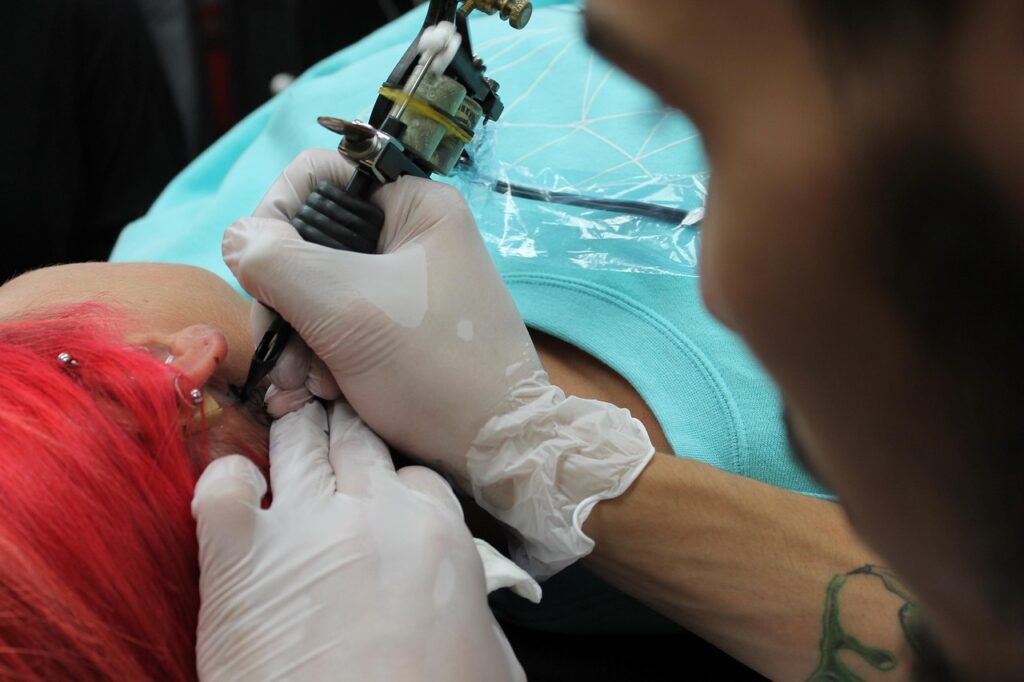
Body Piercings: A Growing Fashion Trend or a Potential Health Risk?

Body piercings have long been part of cultural and spiritual traditions in various societies around the world. In many communities, piercings were historically used as rites of passage, religious symbols, or markers of social status. Over time, however, the practice has evolved — especially among young people — into a popular form of fashion and personal expression.

Today, body piercings are not limited to traditional sites like earlobes and noses. They now include more varied and intimate parts of the body, reflecting a broader trend among youth who see piercings as a way to express individuality, creativity, and confidence. For many young people interviewed, getting a piercing isn’t about health concerns — it’s about making a personal style statement and feeling more confident in their identity.

However, the surge in popularity of body piercings has also raised important safety questions. Professionals in the piercing and health industries stress that precautions shouldn’t be ignored in the rush to follow trends. One experienced piercer, Peter Muchachi, highlights that hygiene is the biggest concern in the piercing process. He emphasizes that studios should ensure all tools and equipment are properly sterilized and that clients receive clear guidance on how to minimise risks.

Health experts warn that getting piercings in unregulated or informal settings — such as home procedures or street-side stalls — can expose people to serious health problems. These risks include infections, excessive bleeding, and delayed healing, especially when procedures are done without proper hygiene and professional training. In some cases, complications can become serious enough to require medical treatment.

Professionals also point out that aftercare is just as important as the piercing itself. Even if the initial piercing is performed correctly, failure to follow proper cleaning and care instructions can lead to complications. Some areas of the body are more delicate than others and may need extra care or medical attention if pierced.

To minimise risks, health professionals recommend that young people seek services from licensed and trained piercers, ensure studios maintain high hygiene standards, and follow aftercare guidelines closely. By prioritizing professional procedures and good hygiene, individuals can enjoy the fashion and self‑expression benefits of body piercing while lowering the chance of avoidable health problems.

How to Make Uji Power in Kenya: A Step-by-Step Guide

Uji Power is a wholesome, nutrient-packed Kenyan porridge that has become increasingly popular for its rich flavor, creamy texture, and energy-boosting qualities. Loved by both children and adults, it’s a versatile meal perfect for breakfast or as a revitalizing drink anytime.

What is Uji Power?

Uji Power is more than just porridge — it’s a combination of nutritious local grains, legumes, and root vegetables. Traditionally, it’s made from a mix of finger millet (wimbi), sorghum (mtama), maize, soybeans, and peanuts. What makes it unique is the addition of boiled and blended root vegetables like arrow roots (nduma), sweet potatoes, and cassava, which give the porridge its thick and creamy consistency.

Ingredients

IngredientQuantity / NotesPurpose
Arrow roots (Nduma)2–3 medium, boiled and blendedAdds natural thickness and creaminess
Sweet potatoes2 medium, boiled and blendedEnhances sweetness and texture
Cassava1–2 medium, boiled and blendedThickening agent, adds smooth consistency
Finger millet (Wimbi)½ cupMain flour ingredient, rich in nutrients
Sorghum (Mtama)½ cupAdds flavor and fiber
Maize flour½ cupAdds body and texture
Soybeans¼ cup, roastedProtein source
Peanuts (Groundnuts)¼ cup, roastedAdds flavor and healthy fats
Amaranth seeds (optional)2 tbspNutrient boost
WaterAs neededFor blending and cooking
Milk½–1 cup (optional)For creaminess
Sugar / HoneyTo tasteSweetener
SaltPinchEnhances flavor

Tip: Boiled root vegetables must be blended first and added to the flour mixture to achieve the signature thick consistency of Uji Power.

Step-by-Step Preparation

Step 1: Prepare the Root Base

  1. Wash, peel, and cut the arrow roots, sweet potatoes, and cassava into chunks.
  2. Boil them until fully cooked and soft.
  3. Allow them to cool slightly, then blend into a smooth paste.

Step 2: Make the Flour Mix

  1. Roast finger millet, sorghum, maize, soybeans, and peanuts separately to enhance flavor.
  2. Grind them into a fine flour using a local mill or blender.

Step 3: Combine and Cook

  1. In a bowl, mix a few tablespoons of the flour blend with cold water to form a smooth paste.
  2. Add the blended root paste from Step 1 and stir well.
  3. Pour the mixture into a saucepan with more water and cook on medium heat, stirring continuously until it thickens.
  4. Add milk, sugar or honey, and a pinch of salt to taste.
  5. Simmer for a few more minutes, then serve hot.

Why This Method Works

The addition of boiled and blended root vegetables ensures a rich, creamy, and naturally thick porridge. This method gives Uji Power its distinctive consistency, making it more filling and nutritious than porridge made with flour alone.

Uji Power is a perfect blend of tradition, taste, and nutrition — a healthy choice for families, athletes, or anyone seeking a hearty Kenyan meal.

Newsly KE
Privacy Overview

This website uses cookies so that we can provide you with the best user experience possible. Cookie information is stored in your browser and performs functions such as recognising you when you return to our website and helping our team to understand which sections of the website you find most interesting and useful. View our privacy policy and terms & conditions here.

×