
M-Pesa Addiction: How Mobile Loans and Instant Cash Apps Are Quietly Wrecking Families

Post
M-Pesa addiction

M-Pesa Addiction: How Mobile Loans and Instant Cash Apps Are Quietly Wrecking Families

In Kenya’s fast-paced digital economy, M-Pesa addiction is emerging as a silent threat to household stability. What started as a financial lifeline has, for many families, turned into a cycle of debt, secrecy, and emotional strain. As mobile loan apps continue to promise “quick fixes,” thousands of Kenyans are falling into an unseen trap—borrowing to survive, then borrowing more to repay.

The Rise of Digital Lending Culture in Kenya

M-Pesa’s convenience revolutionized the Kenyan financial ecosystem. However, its integration with third-party mobile loan platforms like Fuliza, Tala, Branch, and Okash has created an ecosystem of instant borrowing—one that’s hard to resist.

According to data from the Central Bank of Kenya (CBK), over 7 million Kenyans rely on mobile loans monthly, with Fuliza alone disbursing KSh 701.5 billion in 2023. Many of these users are low- to middle-income earners from Nairobi, Kisumu, Eldoret, and Machakos.

What’s more troubling is that nearly 1 in 3 borrowers take a second loan within 48 hours to repay the first—evidence of a growing cycle of digital debt.

The Hidden Toll of M-Pesa Addiction on Families

Emotional Strain in Marriages

Spouses are discovering that financial infidelity has gone digital. Partners take loans without informing each other, often lying about recurring deductions from shared M-Pesa accounts. This secrecy leads to arguments, mistrust, and in some cases—divorce.

“I only realized my husband had taken multiple mobile loans when we couldn’t buy food for our kids. Every time I sent him money through M-Pesa, it disappeared in seconds,” says Miriam, a mother of three from Thika.

Financial Erosion of Households

For families already living paycheck to paycheck, M-Pesa addiction creates a dangerous spiral:

  • Small loans (KSh 500 – KSh 2,000) pile up
  • Interest and daily penalties accumulate
  • Automatic deductions leave households cashless even after receiving salaries or business income

Even boda boda riders and small traders in Gikomba and Kawangware report using over 30% of daily earnings to repay multiple loans accessed through M-Pesa.

Read Also: Can CBK Challenge M‑Pesa? Inside Kenya’s New Fast Payment System

Why Kenyans Are Hooked on Mobile Loans

Several factors are feeding this addiction:

  • Speed & Accessibility: Loans approved in under 2 minutes, 24/7.
  • No Paperwork: No collateral, no face-to-face meetings.
  • Socioeconomic Pressure: Urban inflation, school fees, emergencies.
  • Normalisation: Borrowing through M-Pesa has become so common, many see it as budgeting—rather than debt.

These apps use psychological hooks—such as instant approvals, gamified reminders, and loan limit upgrades—to keep users coming back.

From Borrowing to Breakdown: Real-Life Examples

In Nairobi’s Umoja estate, a man reportedly took his life in 2024 after defaulting on a KSh 15,000 loan. His wife revealed that loan sharks had begun sending humiliating messages to all his contacts, a tactic some unregulated lenders use to pressure repayment.

In Kisumu, a 22-year-old university student shared that he defaulted on one app and was blacklisted on all others. His CRB (Credit Reference Bureau) record now blocks him from formal employment and bank credit.

M-Pesa’s Role and Safaricom’s Response

While M-Pesa itself is not a loan service, it powers Fuliza (an overdraft facility) and enables integration with multiple fintech lenders. Safaricom has introduced user tools like:

  • SMS alerts on Fuliza usage
  • Loan limit caps
  • Data consent requests for third-party apps

Still, critics argue that Safaricom and other telcos should do more to flag dangerous borrowing patterns or offer voluntary spending controls.

What Experts Are Saying

Financial experts and psychologists warn that M-Pesa addiction is not just economic—it’s behavioral.

“It mimics gambling addiction. The brain begins to associate borrowing with survival and reward,” explains Dr. Lydia Achieng, a clinical psychologist in Nairobi.

Economist David Ndii adds that without tighter regulation and public education, digital debt could become Kenya’s next social crisis.

What Can Be Done to Curb the Crisis?

1. Public Awareness Campaigns

Government and NGOs should launch digital literacy drives, warning about the risks of over-borrowing and how to identify predatory lenders.

2. Stronger Fintech Regulation

The CBK’s Digital Credit Providers regulations (2022) are a step forward but need stricter enforcement—especially regarding data privacy, interest caps, and ethical collection practices.

3. Financial Counseling

Workplaces and churches can introduce confidential financial therapy programs for families battling digital debt.

4. App Transparency

Loan apps must clearly show:

  • Effective interest rates (APR)
  • Penalties
  • Credit reporting impact

Time to Rethink M-Pesa and Mobile Credit Culture

M-Pesa addiction in Kenya is no longer just a private issue—it’s a national conversation we must have. The convenience of instant loans has come at a cost, and that cost is being paid by broken families, stressed-out workers, and impoverished communities.

As we digitize our economy, we must also digitize our responsibility—with smarter borrowing, better regulations, and stronger emotional support systems.


Govt Developing Mobile App to Monitor Civil Servants


Public Service Cabinet Secretary Geoffrey Ruku has unveiled plans for a mobile application designed to track civil servants’ attendance and activities. The app will record when staff clock in and out, their locations (e.g., workstation, workshop, leave), and even monitor types of leave like maternity or paternity leave

Why now?


The move comes after CS Ruku conducted unscheduled visits to government offices—like in Nyeri and Samburu—and found absenteeism and lateness issues. He emphasized that civil servants must be responsible and punctual, likening their accountability to that expected of the President

Read Also: How to Link Your WhatsApp to Your Google Business Profile

Mandatory adoption & consequences:


All civil servants will be required to install the app, and those who are consistently late or absent may be classified and prosecuted as “ghost workers”—a crime punishable by fines or imprisonment

Government’s goal


CS Ruku stated this initiative aligns with the Kenya Kwanza administration’s manifesto to improve efficiency and service delivery across public institutions

Analysis & Context

  1. Digital oversight: This app adds a tech-driven layer of accountability, extending beyond traditional manual attendance registers to active mobile monitoring of work presence—potentially reducing ghost workers and boosting service delivery.
  2. Privacy considerations: While efficiency goals are clear, the app’s real-time tracking of locations and activities raises legitimate privacy concerns. Details on data handling, server security, and access controls are yet to be disclosed.
  3. Enforcement & compliance: With the app mandated, public-sector unions and individual civil servants may raise objections based on privacy, data security, and potential misuse for surveillance. The law enforcement angle—using fines and jail time—signals a strict approach.
  4. Technical readiness: Kenya has made strides in e-governance (e.g., e-Citizen, iTax), but a nationwide mobile tracking application is a sizable leap. Success hinges on smartphone access among civil servants, coverage in rural areas, and app reliability.

Read Also: How Mobile Money Changed the Way Kenyans Save and Spend

Bottom Line

The proposed mobile application represents a major step toward digitizing public service oversight in Kenya. It could significantly curb absenteeism and boost government accountability—but balancing efficiency with privacy rights and digital infrastructure will be crucial. Keep an eye on upcoming details about deployment timelines, data policy, and stakeholder engagement.

Iranian Officials Claim Israel Wields Jinns and Talismans in Warfare

In the aftermath of a 12-day war between Iran and Israel, an extraordinary narrative has emerged from within Iran’s political and religious establishment: some officials now claim that Israel is deploying supernatural forces—specifically jinns and Jewish talismans—as part of its warfare arsenal.

This claim, while sounding fantastical, has been echoed not only on social media but also by political advisors, senior clerics, and security figures, giving it unusual prominence within Iran’s public discourse.

The controversy intensified when Abdullah Ganji, an advisor to the mayor of Tehran, posted on X (formerly Twitter) that papers inscribed with Hebrew talismans had been found on the streets of the Iranian capital following the conflict. Though no photographic evidence accompanied his post, the claim rapidly spread across social media, triggering heated debate.

The narrative further gained traction when images began circulating of what appeared to be a Star of David carved into a dirt field near the city of Khomein. While some interpreted this as evidence of Israeli occult infiltration, Iran’s state-run Hamshahri newspaper later clarified that the markings were remnants of a previous Revolutionary Guard military exercise.

Read Also: UN: Gangs Now Control 90% of Haiti’s Capital, Triggering Record Displacement and Security Collapse

Despite the debunking, more dramatic stories followed. A social media figure known as “Sheikh Mojtaba” claimed that a war martyr, Rezvanpour, was discovered with a talisman bearing Jewish symbols in his clothing—suggesting that Israeli forces had used mystical tracking to locate and kill him.

In Tehran, residents reported eerie calls to prayer being broadcast at abnormal hours from newly erected minarets, amplifying a city-wide sense of mystical unease.

Adding to the mystique, the popular Instagram page “Dezh” alleged that from the second week of the war onward, mysterious papers and unidentified symbols were being found scattered throughout Tehran and its outskirts. According to the page, Iran’s intelligence agencies responded by summoning seasoned incantation writers—not only to rule out their involvement in crafting the talismans but also to enlist their expertise in decoding and neutralizing them.

This fusion of spiritual lore and national security concern isn’t new in Iran’s political rhetoric. Supreme Leader Ayatollah Ali Khamenei has often invoked supernatural elements in his speeches. As early as 2011, Khamenei referred to battling “Satan, jinns, and humans,” urging Iranians to draw on their divine reserves. A year later, he declared that Iran’s enemies included “jinns and humans” collaborating together.

In 2014, he expanded this view: “Human and genie Satans help each other. One of the mistakes is relying only on visible, material factors while ignoring the unseen.” By 2020, Khamenei directly linked these metaphysical forces to global espionage, stating that “genie enemies and human enemies” were cooperating through foreign intelligence networks.

Some within Iran’s religious elite have attempted to rationalize these claims. Ahmad Abedi, a seminary professor and interpreter of Khamenei’s views, acknowledged the existence of jinns in Islamic theology but stressed their limited power. However, he alleged that individuals with “weak faith” are more vulnerable to “Satan and genie inspirations” and accused Jews—and particularly Zionists—of engaging deeply in supernatural practices, including through espionage agencies like Mossad.

This theme of mystical warfare found earlier political expression during Mahmoud Ahmadinejad’s presidency. In the wake of the disputed 2009 elections, hardline cleric Ayatollah Mohammad Taqi Mesbah Yazdi claimed that Ahmadinejad had fallen under a magical influence. That era saw the judiciary arrest multiple individuals accused of “fortune-telling” and “genie-catching.”

Read Also: Aftermath of Israeli Strike on Iran: CNN Footage Reveals Civilian Impact and Regional Escalation

Since 2021, however, supernatural suspicions have been increasingly directed toward Israel. Revolutionary Guard-affiliated writer Mohammad Bagheri accused Israel of systematically using “magic, talismans, genie devils, and Kabbalah teachings” in intelligence operations. His novel, From Pemba to Mariana, explores this blend of conventional espionage and spiritual warfare.

In 2024, Mojtaba Azizi, the Friday prayer leader in Varamin, went further, alleging that both the CIA and Mossad utilize jinns. He even suggested that the Islamic Republic should consider countering with “believer jinns,” adding that mystical warfare could work both ways.

Following the assassination of Hezbollah’s Hassan Nasrallah, professor Mostafa Karimi echoed this view, stating, “Israel has a serious history of subjugating jinns,” and that top Israeli rabbis possess arcane knowledge. Quranic scholar Saeed Shams reinforced this perspective, arguing that “Jews are more committed than others in talisman work and genie subjugation,” though he emphasized that the power of Islamic prayer could nullify their efforts.

One of the most prominent voices amplifying this narrative is Ali Akbar Raeefipour, head of the conspiracy-prone Masaf Institute. He claimed that Israel’s Mossad may have an entire supernatural warfare division—possibly titled the “General Directorate of Jinns”—and accused the agency of using mind-reading jinns during past conflicts, including the 2006 Lebanon war.

Not all voices within Iran support this supernatural turn in national security discourse. Seminary professor Mohammad Taqi Fazel Meybodi dismissed the trend as dangerous superstition. “Some people promote these ideas to distance society from scientific realities and spread irrationality,” he warned.

Read Also: America’s Relentless Wars vs. China’s Strategic Restraint: A Deep Dive into Two Diverging Global Powers

Public reaction has been a mixture of ridicule and reflection. Writer Ali Bozorgian mocked the theory, quipping, “You wake up and realize the Jinns of Karaj have been defeated by the Jinns of Tel Aviv.” Others on social media questioned the practicality of blaming espionage on jinns when real-world issues—such as the deportation of Afghan migrants or the execution of border smugglers—persist.

As Iran’s leadership oscillates between political theology and public paranoia, the line between religious myth and national strategy appears increasingly blurred.

Meru University

Meru University Opens 36 Academic & Administrative Positions

Meru University of Science and Technology (MUST), located along Meru–Maua Road in Meru County, has announced 36 job vacancies across a wide array of academic and administrative roles as part of its drive to boost excellence in science, technology, and innovation

Academic Roles

  • Senior Lecturers (6) — Grades 13: Engineering (Mechanical, Civil, Mechatronics), Nursing, Biosystems
  • Lecturers (4) — Grade 12: Disciplines include Nursing, Clinical Medicine, Telecommunications, English & Literature
  • Tutorial Fellows (6) — Grade 11: Covering Mechanical, Civil & Mechatronics Engineering; Hospitality & Tourism; Medical‑Surgical Nursing; Midwifery; Public Health
  • Clinical Instructors (2) — Grade 10: Nursing & Midwifery

Administrative & Technical Roles

  • Deputy Finance Officer (1) Grade 14
  • Deputy Registrars (Exams & Admissions) (2) Grade 14
  • Senior Librarian (1) Grade 13
  • Chief Communications Officer (1) Grade 12
  • ICT & Technical Staff
    • Software Developer (ICT Officer I) (1)
    • IT Security Officer (ICT Officer I) (1)
    • Database Administrator (ICT Officer II) (1)
    • Webmaster/Content Developer/Instructional Designer (ICT Officer II) (1 each)
    • ICT Technicians (3)
  • Other Roles: Clinical Officer I, Farm Manager, Administrative Assistants (3)

How to Apply

  • Deadline: Tuesday, July 29, 2025, at 5:00 p.m.
  • Application Portal: Apply online via the university’s recruitment portal at recruitment.must.ac.ke
  • No Fees: The process is free; no charges at any stage – application, shortlisting, interviews, or appointment. MUST encourages applications from women, minority, and marginalized groups

Read Also: World Bank Internship Opportunities Open in Ministry of Water’s New Funding Drive

Why This Matters

MUST is boosting its faculty and support structure across a spectrum of fields — from engineering and health sciences to ICT and communications — in line with its mission to advance science, technology, and innovation in Kenya

About Must

Founded in the 1960s and fully chartered in 2013, the public university operates main and satellite campuses in Meru and Hart Towers, with a learning centre at Marimba. It supports eight schools ranging from Pure & Applied Sciences to Business, Building, Computing, Health, Education, Agriculture, and Nursing

If you’re an experienced academic, dedicated instructor, tech-savvy ICT professional, or a strong administrator looking to contribute to a leading Kenyan university, don’t miss out on this opportunity. Be sure to apply promptly and follow all instructions on the portal.

FDA approval of injectable lenacapavir

FDA Approval of Injectable Lenacapavir Marks Major Milestone in HIV Prevention

The FDA approval of injectable lenacapavir in June 2025—marketed as Yeztugo—has been hailed as a transformative moment in HIV prevention. This twice-yearly, long-acting injectable PrEP (pre-exposure prophylaxis) offers near-complete protection, reshaping public health strategies globally.

What Is Lenacapavir?

  • Lenacapavir is a first-in-class HIV‑1 capsid inhibitor developed by Gilead Sciences. It disrupts critical viral functions, offering robust preventive efficacy when used as PrEP.
  • Administered via injection twice yearly, lenacapavir eliminates the burden of daily oral pills, benefiting those facing adherence challenges, stigma, or limited access to healthcare.

Clinical Trial Results

  • In the Phase 3 PURPOSE 1 and PURPOSE 2 studies, lenacapavir showed ≥99.9% effectiveness, with zero new infections in women and nearly complete protection in men and gender‑diverse groups.

Global Health Impact

  • Recognized as Science magazine’s 2024 Breakthrough of the Year, the injectable presents a major leap in HIV prevention efforts.
  • WHO has quickly recommended lenacapavir at the IAS 2025 conference, citing it as “the closest option to an HIV vaccine.” It complements existing PrEP methods, including daily pills and the dapivirine ring.
  • Gilead and partners aim to license generics for ~120 low-income nations, potentially supplying 2 million users over three years once WHO prequalification is complete.

Read Also: Female Cancer Deaths 2024 Kenya: Cancer Tops Causes as Pneumonia Affects Men

Accessibility, Costs & Challenges

  • The list price in the U.S. exceeds $28,000 per year, with assistance programs expected to alleviate financial burden.
  • Experts emphasize affordability as a key facilitator of uptake: “It’s going to be hard… with the finances… That’s going to be the biggest problem to getting this drug going.”

What’s Next?

  • WHO guidelines for lenacapavir roll-out were introduced July 14, 2025, advocating integration into national HIV prevention programs with simplified rapid testing.
  • Global collaborations—Global Fund, PEPFAR, CIFF, and Gilead—aim to accelerate access and generic production for low‑ and middle‑income countries.

Why It Matters

  • User-Friendly Prevention: Two injections per year could dramatically improve adherence over daily pills.
  • High Efficacy: Phase 3 trials confirm nearly 100% protection.
  • Equity Potential: Generic licensing and public health guidelines could bring global PrEP coverage to new heights—if affordability and distribution challenges are addressed.

Read Also: Fake Medicines in Africa: A Silent Epidemic Killing Over 100,000 People Annually

Female Cancer Deaths 2024 Kenya: Cancer Tops Causes as Pneumonia Affects Men

According to the Kenya Vital Statistics Report 2024, female cancer deaths in 2024 in Kenya were the leading cause of death among women. A total of 4,498 out of 50,926 registered female deaths were attributed to cancer—making it the top killer for women last year

In contrast, men’s mortality in 2024 was dominated by respiratory illness. Pneumonia claimed 5,244 out of 62,451 male deaths—the highest figure for males

Read Also: Can Couples Choose Their Baby’s Sex?

Key Figures by Gender

GenderPrimary Cause of DeathNumber of DeathsTotal Registered Deaths
FemalesCancer4,49850,926
MalesPneumonia5,24462,451

Why This Matters

  1. Health-Imbalance Indicator: The data highlights stark gender disparities in cause‑of‑death profiles—cancer for women, pneumonia for men.
  2. Public Health Planning: This signals a need for enhanced women’s cancer screening and care initiatives.
  3. Urgent Government Action: Gender-sensitive allocation of healthcare resources is crucial to lower these mortality rates.

Read Also: Fake Medicines in Africa: A Silent Epidemic Killing Over 100,000 People Annually

Sukari Nguru

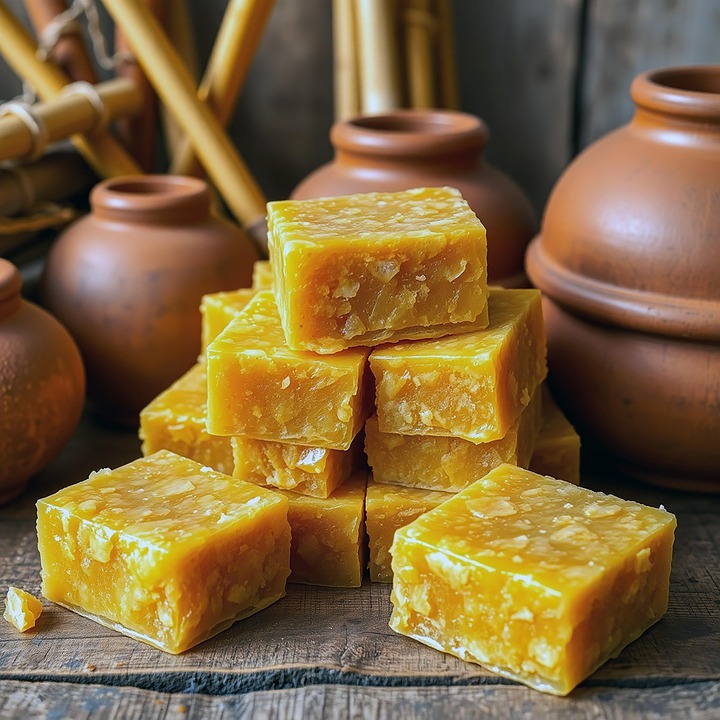
Is Sukari Nguru ( Jaggery) Healthy for You? The Truth About Kenya’s Traditional Sweetener

Sukari Nguru, Kenya’s traditional unrefined sugar, is a staple in many rural and urban households. Found in open-air markets across Nairobi, Kisumu, Mombasa, and Machakos, this coarse, golden-brown sweetener is often considered a healthier alternative to processed white sugar. But is that true—especially for those managing conditions like diabetes?

This article explores everything you need to know about Sukari Nguru: its nutritional profile, health benefits, risks for diabetics, and how it compares to other sweeteners.

What Is Sukari Nguru?

Sukari Nguru is jaggery—a type of unrefined sugar made by boiling sugarcane juice until it thickens and solidifies into blocks or cones. In Kenya, it’s often sold in local dukas or markets as rugged, brown chunks. It is less processed than table sugar, meaning it retains trace minerals and plant compounds found in raw sugarcane.

Nutritional Profile of Sukari Nguru

While Sukari Nguru is still sugar, it contains small amounts of micronutrients that refined white sugar lacks.

Table: Approximate Nutritional Content per 10g (2 teaspoons)

NutrientAmount in Sukari NguruAmount in White Sugar
Calories38 kcal39 kcal
Iron0.3 mg0
Potassium13 mg1 mg
Magnesium4 mg0
Calcium8 mg0
AntioxidantsPresentNone
FiberTraceNone

These nutrients help explain why Sukari Nguru is often recommended in traditional diets for children, pregnant women, and recovering patients—but only in moderation.

Read Also: Whatever Happened to Good Bread? A Kenyan Nostalgia Explained

Health Benefits of Sukari Nguru

1. Natural Source of Iron

Sukari Nguru is traditionally given to women after childbirth and children with low energy levels. That’s because it contains iron, which helps prevent or combat iron-deficiency anemia—a common issue in many Kenyan households.

2. Aids Digestion

In rural Kenyan homes, Sukari Nguru is often chewed after meals. This folk practice has scientific support: it stimulates the release of digestive enzymes, easing the movement of food through the intestines.

3. Detoxification

Sukari Nguru helps in flushing out toxins from the liver and purifying the blood. It is also believed to reduce acidity in the body, especially when taken with warm water in the morning.

4. Energy Booster

Unlike refined sugar, which gives an instant energy spike followed by a crash, Sukari Nguru provides a slower, more stable energy release. This makes it a better choice for those engaged in physical labor, such as farmers or school children walking long distances.

5. Respiratory Health

In traditional Kenyan herbal medicine, Sukari Nguru is used in home remedies to:

  • Soothe coughs and sore throats
  • Ease asthma symptoms
  • Clear mucus from the lungs

A common remedy involves mixing grated ginger, warm water, and Sukari Nguru to relieve respiratory congestion.

⚠️ Can Diabetics Use Sukari Nguru?

❌ Short Answer: No, it’s not recommended.

Many people believe that because Sukari Nguru is “natural,” it is safe for diabetics. Unfortunately, that is a dangerous misconception.

Here’s Why:

  • Sukari Nguru is mostly sucrose, which breaks down into glucose and fructose in the body.
  • It has a high glycemic index (GI) of 84, which causes blood sugar levels to spike quickly.
  • It contains calories similar to white sugar, with only trace minerals that do not offset its glycemic impact.

Conclusion: For diabetics or people with insulin resistance, Sukari Nguru is just as risky as white sugar.

Safer Sweeteners for Diabetics

SweetenerGI LevelSafe for Diabetics?Notes
Stevia0YesNatural, zero-calorie
Erythritol0–1YesSugar alcohol with minimal side effects
Monk Fruit0YesNatural and sweet, but costly in Kenya
Sukari Nguru84NoHigh glycemic impact

Cultural Uses in Kenya

In many Kenyan communities, Sukari Nguru isn’t just a sweetener—it holds cultural and culinary value:

  • Added to githeri, beans (madondo), or porridge (uji) for taste and energy.
  • Used in traditional ceremonies like naming or initiation, where it’s shared as a symbol of joy and vitality.
  • Prepared into chews and candy for children, especially in Western Kenya.

Who Should Consume Sukari Nguru?

✅ Good For:

  • Children who need a quick source of energy (but in moderation)
  • Women post-childbirth, to replenish iron and support healing
  • Manual laborers, like boda-boda riders or farmers
  • Athletes and school-going teens, especially before long activity sessions

❌ Avoid or Limit If You:

  • Have diabetes or pre-diabetes
  • Are overweight or trying to manage your weight
  • Suffer from tooth decay or poor dental health
  • Have fatty liver disease or high cholesterol

Read Also: Is the Maasai Diet Healthy? Understanding Animal Fat Consumption in Traditional Communities

How Much Sukari Nguru Is Safe?

Just because it’s “natural” doesn’t mean you can take it freely. The World Health Organization (WHO) recommends:

  • Less than 10% of your daily calories from added sugar.
  • For an average adult, that’s about 6–9 teaspoons (25–37g) of total sugar per day—including Sukari Nguru.

➤ Safe Weekly Serving (General Public, not Diabetics):

  • 1–2 teaspoons a day, 3–4 days a week is a moderate and safe use.

Where to Buy Sukari Nguru in Kenya

You can find it at:

  • Local markets in Kariobangi, Gikomba, Muthurwa, and Kisumu’s Kibuye market
  • Agricultural co-ops and agro-vets
  • Local brands like Mumias Sukari Nguru or Butali Traditional Sweetener (check labeling for authenticity)

Ensure it’s free from impurities like sand or mold.

Tips to Include Sukari Nguru in a Healthy Diet

  • Grate it into your morning porridge
  • Melt a small chunk in warm water with lemon and ginger for a cleansing drink
  • Use as a natural cough syrup ingredient
  • Substitute in place of white sugar in local pastries like chapati or mandazi (in small quantities)

Why Sukari Nguru Still Matters in Kenya

In Kenya, where lifestyle diseases like diabetes and obesity are on the rise, Sukari Nguru offers a more wholesome alternative to processed sugar, but only when used wisely. It’s rich in minerals, offers slow-release energy, and serves a special role in traditional diets and remedies.

However, it’s not a free pass. People with diabetes or blood sugar problems should avoid it just as they avoid refined sugar. The key lies in moderation, awareness, and knowing your health condition.

So the next time you pass by a local kiosk or open-air market in Nairobi or Eldoret, and you see that brown, rugged block of Sukari Nguru—know it’s more than just candy. It’s a cultural, medicinal, and nutritional symbol of balance—when used with wisdom.

Why Motorists May Soon Pay Rironi-Mau Summit Highway Toll

Motorists using the busy Rironi-Mau Summit Highway could soon begin paying toll fees, following new developments in Kenya’s road infrastructure financing model. The government is finalizing plans that would introduce toll charges along the 232-kilometre stretch, aiming to recoup construction and maintenance costs via a public-private partnership (PPP).

A Strategic Shift in Road Funding

The proposal to introduce the Rironi-Mau Summit Highway toll comes amid Kenya’s shift towards PPPs to fund large-scale infrastructure projects. With ballooning public debt, the state is increasingly turning to private sector investment to finance and operate key highways. The Rironi-Mau Summit route—vital for connecting Nairobi to the Rift Valley and western Kenya—is among the busiest in the country, carrying thousands of trucks and private vehicles daily.

The road is currently undergoing upgrades to dual carriageway standards, with the Kenya National Highways Authority (KeNHA) working with Rift Valley Highway Ltd—a consortium of Vinci Highways SAS, Meridian Infrastructure Africa Fund, and Vinci Concessions SAS.

How the Toll Will Work

Once the new highway is complete, the Rironi-Mau Summit Highway toll will be introduced to recover the project’s investment. Motorists are expected to pay variable tolls depending on the vehicle type, distance traveled, and the technology used for toll collection. Options such as electronic tags and manual payments at toll booths are being considered.

Similar toll systems are already in place on the Nairobi Expressway, operated under a PPP model. The success of that project has emboldened the government to roll out similar models on other strategic corridors.

Read Also: Kenya-Israel Defence Deal: Nairobi Set to Receive SPYDER Missile System

Economic Implications for Road Users

While the toll could enhance road quality and reduce travel time, it will also raise transportation costs for commuters and cargo transporters. The Kenya Transporters Association has expressed concern over the cumulative burden of fuel prices, levies, and now, tolls. Small businesses that rely on affordable transport may also feel the pinch once the Rironi-Mau Summit Highway toll is implemented.

However, the government argues that improved road safety, reduced vehicle wear and tear, and faster journey times will deliver long-term savings for users.

What Lies Ahead

Construction on the Rironi-Mai Mahiu-Naivasha-Nakuru-Mau Summit section is ongoing, with completion expected by 2026. Once operational, it will be one of the longest tolled highways in East Africa. Stakeholder consultations are still underway to finalize the toll rates and collection mechanisms.

Transport Cabinet Secretary Kipchumba Murkomen has emphasized that tolls are necessary for sustainability, as they relieve pressure on taxpayers while attracting global investment in infrastructure.

A New Era for the Rironi-Mau Summit Highway

The planned introduction of the Rironi-Mau Summit Highway toll marks a pivotal moment in how Kenya manages and funds its critical transport corridors. While motorists will bear a new cost, the project promises modern infrastructure, reduced congestion, and more efficient trade movement across Kenya’s heartland. As tolling becomes the new normal, how Kenyans adapt will shape the future of national road networks.

Newsly KE
Privacy Overview

This website uses cookies so that we can provide you with the best user experience possible. Cookie information is stored in your browser and performs functions such as recognising you when you return to our website and helping our team to understand which sections of the website you find most interesting and useful. View our privacy policy and terms & conditions here.

×