
The Deep Benefits of Comfrey Leaves: A Healing Herb Worth Knowing

Post

The Deep Benefits of Comfrey Leaves: A Healing Herb Worth Knowing

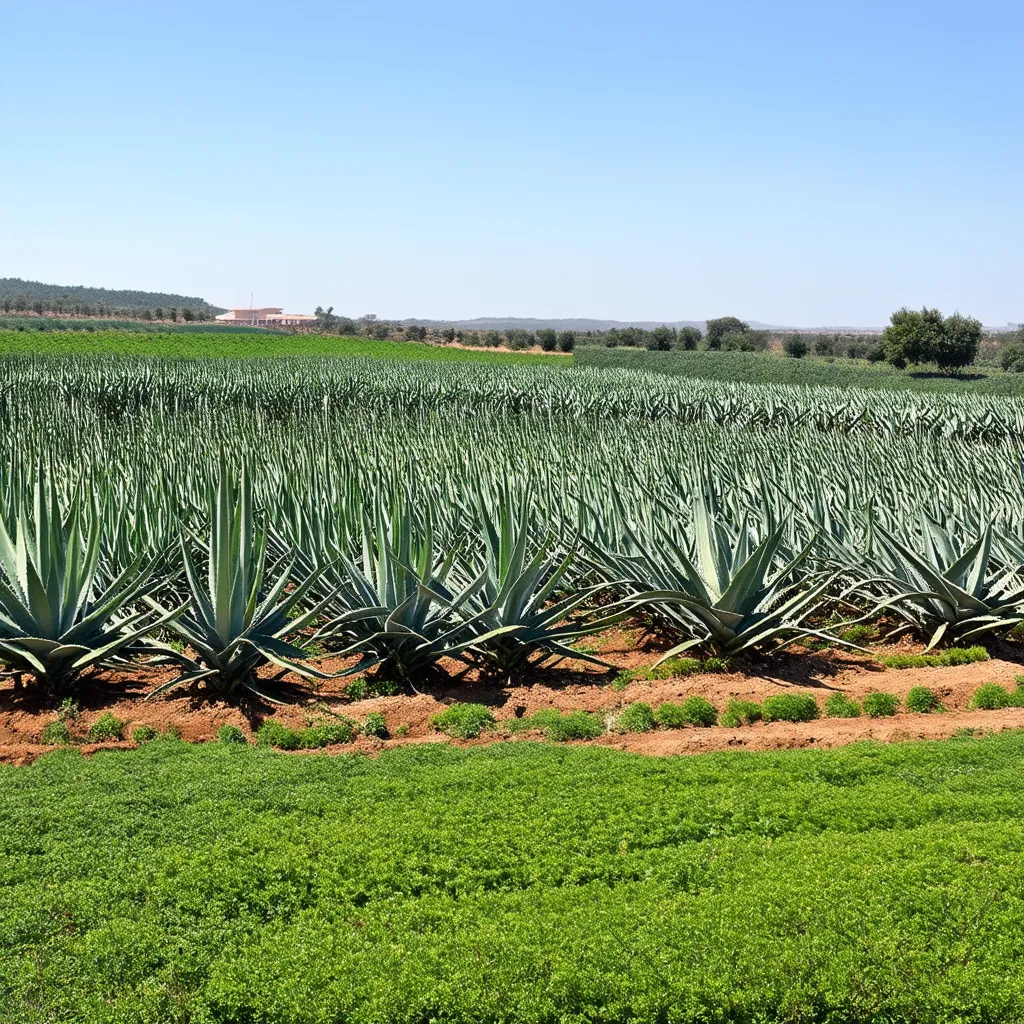
Comfrey (Symphytum officinale), often called “knitbone” or “bone-set,” is a perennial herb with a long history of medicinal use. Its leaves are rich in bioactive compounds, including allantoin, rosmarinic acid, tannins, and mucilage, which contribute to its powerful healing, anti-inflammatory, and cell-regenerative properties.

Let’s explore the deep and multifaceted benefits of comfrey leaves, especially for those interested in natural remedies and herbal wellness.

1. Accelerates Wound Healing and Tissue Repair

Comfrey leaves contain allantoin, a compound known to stimulate the growth of new cells and accelerate skin regeneration. This makes comfrey especially beneficial for:

  • Minor cuts, scrapes, and bruises
  • Post-surgical incisions (externally only)
  • Bed sores and skin ulcers
  • Inflammatory skin conditions like eczema or psoriasis

How it works:
Allantoin promotes the proliferation of fibroblasts, which are essential for wound repair, while the mucilage soothes irritation.

⚠️ Note: Comfrey should only be used externally on broken skin for short durations and not on deep, open wounds.

2. Potent Anti-inflammatory Effects

Comfrey’s rosmarinic acid and other polyphenols possess strong anti-inflammatory properties, which can help manage:

  • Joint pain
  • Swollen muscles
  • Back pain
  • Tendonitis
  • Bursitis

When applied as a comfrey leaf poultice or salve, users often report rapid relief from inflammation and pain, sometimes within hours.

Read Also: Rickets Prevention Kenya: How to Identify & Prevent It in Children

3. Supports Bone, Muscle & Joint Recovery

Historically nicknamed “knitbone”, comfrey has been used to support fracture healing and ligament repair. The synergy of allantoin, calcium, and tannins appears to enhance tissue bonding and regeneration.

Helpful for:

  • Sprains and strains
  • Bruised or fractured bones (used externally)
  • Arthritic joint pain
  • Sports injuries

Comfrey ointments are widely used among herbalists for post-trauma musculoskeletal recovery.

4. Soothes Skin Irritations and Burns

The mucilage in comfrey leaves forms a slippery, gel-like layer that protects and moisturizes the skin. This makes it helpful in treating:

  • Minor burns
  • Sunburn
  • Rashes and dermatitis
  • Diaper rash

Its cooling and hydrating nature relieves itching and redness, and speeds up recovery from minor skin trauma.

5. Relief from Gout and Arthritis (Topical Use)

Comfrey’s anti-inflammatory and circulatory benefits also extend to conditions like:

  • Gout: It reduces localized swelling and pain.
  • Osteoarthritis: Regular use of comfrey leaf compresses has been shown to improve joint mobility.

A 2004 study in Phytotherapy Research found that topical comfrey cream significantly reduced osteoarthritis pain and stiffness in the knee within a few weeks.

6. Helps Varicose Veins and Hemorrhoids (Topical Use)

Thanks to its astringent tannins, comfrey helps tone blood vessels and improve capillary integrity. When applied as a compress or balm, it can assist in relieving:

  • Varicose veins
  • Hemorrhoidal swelling
  • Tired, heavy legs due to poor circulation

It may also help prevent minor venous ulcers when used consistently with compression and elevation.

7. Rich in Nutrients and Bioactives

Comfrey leaves contain a wealth of nutrients including:

  • Allantoin (tissue regeneration)
  • Rosmarinic acid (anti-inflammatory)
  • Tannins (astringent and antibacterial)
  • Calcium, potassium, phosphorus (mineral support)

These compounds act synergistically to provide broad healing potential, especially when combined with other herbs like calendula or arnica in formulations.

⚠️ Important Cautions and Usage Guidelines

Comfrey contains pyrrolizidine alkaloids (PAs), which may be toxic to the liver when taken internally or used excessively over large areas. Because of this, most modern herbalists recommend:

External use only — in the form of poultices, creams, salves, or compresses
Avoid internal use (drinking comfrey tea, etc.) unless under trained supervision
Do not use on deep or puncture wounds (may seal the skin before deeper tissue heals)
Limit use in pregnancy or breastfeeding

Always consult a qualified herbalist or naturopath before using comfrey extensively.

How to Use Comfrey Leaves Safely

Fresh Poultice:

  • Crush or blend fresh comfrey leaves into a paste
  • Wrap in clean cloth and apply to injury
  • Leave on for 30–60 minutes, then rinse

Comfrey Salve:

  • Infuse dried comfrey leaves in olive oil for 2–4 weeks
  • Strain and mix with beeswax to create a healing balm

Herbal Compress:

  • Steep dried comfrey leaves in hot water for 10 minutes
  • Soak a cloth and apply as a warm compress

Read Also: Is Honey Good for Gout and Arthritis? A Natural Approach to Pain Relief

💬 Final Thoughts

Comfrey leaves are a gift from nature—a healing powerhouse revered for centuries. Whether you’re dealing with a nagging muscle ache, minor burn, or sore joint, topical comfrey can offer fast, natural relief when used correctly. However, respect for its potency is vital; while its benefits are many, its internal risks must not be overlooked.

Use it wisely, and let this timeless herb help your body do what it was made to do—heal.

Rickets Prevention Kenya: How to Identify & Prevent It in Children

Rickets is a childhood bone disorder caused by vitamin D deficiency, leading to soft, weak, or misshapen bones—commonly bowlegs—in growing children In Kenya, where sun exposure is ample but dietary sources may be limited, rickets prevention Kenya is critical.

What is Rickets?

  • A bone-development disorder in children resulting in weak, malformed bones.
  • Symptoms include bowing of legs, delayed growth, large forehead, “rachitic rosary” on ribs, muscle weakness, and bone pain

Signs to Watch For in Kenyan Children

  • Visible bone deformities: bowed legs or thick wrists/ankles.
  • Cranial abnormalities: soft skull areas (craniotabes), enlarged forehead or rib joints.
  • Growth delays: short stature compared to peers.
  • Dental delays and fragility, increased fractures

Who Is at Risk in Kenya?

  • Exclusively breastfed infants without supplementation.
  • Children with limited sun exposure—indoor lifestyles, urban living, or sun-avoiding cultural practices.
  • Diets low in calcium-vitamin D foods.
  • Children with darker skin needing more UV exposure for vitamin D synthesis

Rickets Prevention Kenya: Key Strategies

  1. Sunlight Exposure
    Encourage safe daily outdoor time (10–30 minutes), choosing early morning or late afternoon to avoid sunburn.
  2. Balanced Diet Rich in Vitamin D & Calcium
    Include:
    • Fortified milk or cereals (often accessible in urban Kenya).
    • Egg yolks, fish (like tilapia or sardines).
    • Local fortified products (orange juice, maize flour).
  3. Vitamin D Supplementation
    The Kenyan Ministry of Health recommends vitamin D drops for exclusively breastfed infants and continued supplementation until a vitamin‑D‑rich diet is established
  4. Routine Screening & Doctor Visits
    Monitor growth and development; consult paediatricians if signs appear. Diagnosis uses blood tests and X-rays, with treatment through supplements or, if severe, surgery

Read Also: FDA Approval of Injectable Lenacapavir Marks Major Milestone in HIV Prevention

When to Seek Medical Attention

If a child shows:

  • Curved legs instead of straightening by 18 months
  • Frequent bone pain or fractures from minor falls
  • Rachitic rosary (prominent rib joints)
  • Delayed motor milestones or weakness

Early detection prevents long-term disability.

Summary Table

Prevention StepRecommendation in Kenya
Sunlight10–30 min outdoor daily, early/late sun
DietFortified foods, egg yolks, local fish
SupplementsVitamin D for breastfed infants until diet sufficient
MonitoringGrowth checks, look for bone deformities, consult doctor

Rickets Prevention Kenya: Public Health Call

Parents, caregivers, and healthcare providers across Kenya should prioritize early detection and prevention strategies to protect children’s skeletal health. Community outreach, vitamin campaigns, and school health programs are effective ways to ensure rickets prevention Kenya becomes a national standard.

Your Next Steps

  • Ensure your child gets daily sun and nutrient-rich food.
  • If you suspect rickets, visit a nearby clinic for screening.
  • Advocate for community awareness and fortified foods.

By promoting rickets prevention Kenya practices, we help our children grow strong and healthy. Let’s light up their future—by shining light on their bones!

Is honey good for gout and arthritis?

Is Honey Good for Gout and Arthritis? A Natural Approach to Pain Relief

As more people turn to natural remedies for joint health, questions like “Is honey good for gout and arthritis?” are becoming increasingly common—especially among those exploring diet-based approaches to chronic pain. In Kenya and beyond, natural foods like garlic, cabbage, tomatoes, and honey are gaining popularity for their medicinal value. But what really happens when you combine these everyday ingredients?

This article dives into the science and cultural wisdom behind this combination, with a focus on how natural honey interacts with gout and arthritis conditions.

Raw Garlic: Nature’s Inflammation Fighter

If you’re consuming a raw garlic clove every morning, you’re already on the right track. Garlic contains allicin, a sulfur compound known to reduce inflammation and improve blood circulation. Studies show that garlic helps lower inflammatory markers in conditions like rheumatoid arthritis and osteoarthritis.

For gout, garlic may also support kidney function and reduce the risk of uric acid buildup—though indirectly. It won’t lower uric acid by itself, but it plays a supportive role in an overall anti-inflammatory diet.

Read Also: FDA Approval of Injectable Lenacapavir Marks Major Milestone in HIV Prevention

Raw Cabbage: Cooling, Cleansing, and Gut-Friendly

Cabbage is a powerhouse of vitamin C, glutamine, and dietary fiber. These elements are essential in fighting joint inflammation and supporting immune function. In traditional medicine, cabbage is even used externally as a compress for swollen joints.

More importantly, cabbage may act as a natural diuretic, helping your body eliminate excess uric acid—a key trigger in gout. When eaten raw, cabbage retains its nutrients and enhances gut health, which in turn supports metabolic balance.

The Tomato Question: Friend or Foe?

Tomatoes are loaded with lycopene, an antioxidant that helps reduce inflammation in arthritic joints. They also support skin health and tissue repair thanks to their high vitamin C content.

But when it comes to gout, tomatoes are a bit controversial. Some people report flare-ups after eating them, possibly due to their solanine content (found in all nightshade vegetables) or because they might slightly raise uric acid levels. While tomatoes are healthy for most, gout sufferers should monitor their individual response closely.

Is Honey Good for Gout and Arthritis?

Now to the heart of the matter—is honey good for gout and arthritis? The answer depends on how much you consume and your specific health condition.

✅ For Arthritis:

Honey, especially raw and unprocessed, contains antioxidants like flavonoids and phenolic acids. These compounds help:

  • Reduce joint inflammation
  • Support the immune system
  • Improve tissue healing

So yes, honey is good for arthritis, especially when combined with anti-inflammatory foods like cabbage or garlic.

⚠️ For Gout:

This is where things get complicated. Honey is high in fructose, a natural sugar that can increase uric acid production in the liver. While a small amount may not trigger problems, excessive intake of honey—or any high-fructose food—can lead to gout flare-ups.

If you have gout, it’s safest to:

  • Limit honey to 1 teaspoon or less per serving
  • Avoid during active flare-ups
  • Choose raw honey, not processed brands
  • Monitor your body’s response

Tips for Safe Use

Here’s how to make your natural routine more gout- and arthritis-friendly:

IngredientBenefitsCaution
GarlicReduces inflammation in jointsUse fresh, not powdered
CabbageDetoxifies and reduces uric acidBest eaten raw or lightly steamed
TomatoGood for arthritisMonitor for gout sensitivity
HoneySoothes joints, supports immunityLimit intake; avoid during gout flare-ups

You can sweeten raw cabbage with a teaspoon of raw honey for taste and healing, but make sure the rest of your diet is low in sugar and purines.

A Sample Natural Anti-Gout/Arthritis Blend

Here’s a simple blend you can prepare at home:

Ingredients:

  • 1 raw garlic clove (crushed)
  • 3 raw cabbage leaves (chopped)
  • ½ raw tomato (optional if no flare-ups)
  • 1 tsp raw honey
  • ½ lemon (juiced)
  • ½ cup water

Method: Blend or mix together and consume in the morning. Drink plenty of water afterward.

This mix is loaded with anti-inflammatory and alkalizing compounds that support joint health and uric acid balance.

Final Word: Choose Wisely, Monitor Closely

So, is honey good for gout and arthritis? The short answer is:

  • Yes for arthritis, in moderation
  • ⚠️ Maybe for gout, depending on your body’s response

Natural foods like garlic, cabbage, and honey are powerful allies when used wisely. The key is balance and observation. Watch how your body reacts and always consult your doctor if you have recurring flare-ups or are on medication.

Read Also: Female Cancer Deaths 2024 Kenya: Cancer Tops Causes as Pneumonia Affects Men

Why Pastor’s Children Go Astray: A Closer Look at the Hidden Struggles Behind the Pulpit

From the outside, it often seems like pastors’ families live close to heaven — grounded in scripture, prayerful, and secure. But statistics and testimonies reveal a different, more troubling reality: many pastors’ children drift away from the faith, rebel against church culture, or struggle with identity issues. This begs the question — why do pastor’s children go astray, despite being raised in highly religious environments?

This article explores the sociological, psychological, and spiritual factors behind this trend, offering both explanation and hope.

The Myth of Immunity: Faith by Proximity Isn’t Faith by Ownership

One of the biggest misconceptions in Christian communities is that proximity to faith automatically produces personal conviction. But growing up in a pastor’s home does not guarantee a personal relationship with God. Many pastors’ children are exposed to theology, scripture, and church programs, but they may never truly internalize these truths.

A 2019 Barna Research Group study found that 42% of pastors’ children in the U.S. stopped attending church after high school, citing reasons such as hypocrisy, emotional pressure, and burnout. Similar patterns have been observed in African and Kenyan church contexts, though official statistics are scarce due to the sensitive nature of the subject.

Read Also: Why Don’t We See Instant Miracles Like in Bible Times?

The Weight of Expectations: “Perfect Child Syndrome”

Pastors’ children often bear the burden of unrealistic expectations — from the church, the community, and even their own parents. They’re expected to be model Christians, morally upright, always available to serve, and immune to failure. This creates what psychologists call “performance-based identity,” where a child’s sense of worth is tied to their behavior rather than their character or journey.

“People didn’t see me as a child,” says Angela, a 24-year-old daughter of a Nairobi pastor. “They saw me as an extension of the pulpit.”

This persistent pressure often leads to emotional suppression, identity crises, and secret rebellion.

The Strain of Ministry Neglect: When the Church Becomes the “Other Parent”

Ministry is demanding, and many pastors are caught in the whirlwind of preaching schedules, counseling sessions, crisis management, and community events. While noble, this constant busyness sometimes comes at the cost of quality family time. According to the Fuller Institute, over 80% of pastors report that ministry has negatively affected their family life.

When pastors become emotionally or physically absent, their children may feel overlooked, leading to resentment. In such cases, the church unintentionally becomes a competitor for the pastor’s affection.

The Pain of Hypocrisy: Seeing the Behind-the-Scenes Church

Children of pastors have a backstage pass to both the beauty and the brokenness of church life. They often witness internal conflicts, gossip, and political maneuvering within leadership. When they see discrepancies between what is preached and what is practiced, especially by influential adults, they can become disillusioned with faith altogether.

In one African-based case study, a teenage son of a bishop described feeling “betrayed by the church” after watching elders curse each other during a leadership dispute while still leading Sunday service.

This kind of moral inconsistency is spiritually jarring for young, impressionable minds.

Discipline or Legalism? Walking the Thin Line

Well-meaning pastoral parents often adopt rigid rules in a bid to protect their children from the world. However, when these rules are enforced without emotional support or explanation, they turn into legalism — harsh codes that promote fear rather than faith.

Such strict, punitive religious environments can lead children to associate God with control and punishment instead of love and grace. When they finally gain independence — often in university or adulthood — they swing in the opposite direction, chasing freedom at all costs.

Identity and Belonging: The Silent Battle

Being a pastor’s child comes with complex identity issues. Many struggle to answer: Am I a believer because I truly love God, or because I’m expected to be one? Others feel isolated from peers, especially when denied normal childhood experiences in the name of spiritual purity.

This leads to what therapists call “identity foreclosure” — prematurely committing to an identity imposed by others without personal exploration. Later in life, these unresolved issues can manifest as rebellion or total disengagement from the faith.

Can the Trend Be Reversed?

Yes — but it requires intentional effort from both church communities and pastoral families. Here are some evidence-based and practical interventions:

  • Emotional Availability: Pastors must make room for non-ministry time with their children. Presence matters more than pulpit success.
  • Safe Spaces for Doubt: Children need permission to ask questions and wrestle with faith without judgment.
  • Personal Discipleship: Instead of assuming exposure equals salvation, pastors must disciple their own children in love and truth — not just church routines.
  • Mentorship: Assigning older, trustworthy mentors outside the family can help PKs process struggles more openly.
  • Church Sensitivity: Church leaders and members must stop holding PKs to unfair standards. They are children — not assistant pastors.

Why Pastor’s Children Go Astray — And Why It Doesn’t Have to Be That Way

The question of why pastor’s children go astray touches the core of how we understand faith, family, and ministry. It’s not just about rebellion — it’s about identity, authenticity, and love. While the pressures of public ministry are real, they don’t have to result in the spiritual loss of an entire generation.

By shifting from expectation to empathy, from performance to presence, and from pressure to genuine discipleship, churches and families can raise pastor’s children who not only stay — but thrive — in their faith.

SACCOs vs Money Market Funds: Which Investment Option Makes Sense in 2025 and Beyond?

As more Kenyans seek alternatives to traditional banking in a bid to grow their wealth, SACCOs and Money Market Funds (MMFs) have emerged as two of the most accessible and trusted options. But how do they differ—and which one is better suited for your financial goals in 2025 and beyond?

To gain deeper insight, Newsly.co.ke spoke to Maxwell Ochieng, a financial advisor with over eight years of experience investing in banks, SACCOs, and MMFs. His comparative analysis sheds light on the key features, benefits, and risks of each option.

Understanding the Investment Models

SACCOs (Savings and Credit Cooperative Organizations) are member-owned institutions where individuals pool their savings to offer each other credit at favorable rates. In contrast, MMFs are collective investment schemes—commonly known as unit trusts—that invest in short-term, low-risk instruments like Treasury bills, commercial paper, and fixed deposits.

According to Ochieng, MMFs generally offer annual net returns of 8–11%, depending on the fund manager and prevailing market conditions. These earnings are calculated daily and compounded monthly. SACCOs, on the other hand, provide dividends and interest on deposits—often ranging between 8–10% annually, subject to performance and management policy.

Read Also: Boniface Mwangi & Agather Atuhaire Sue Tanzanian Government, Demand Ksh 129 Million Compensation

Liquidity: How Fast Can You Access Your Funds?

When it comes to liquidity, MMFs are the clear winners. Most allow withdrawals within 24 to 72 hours, making them ideal for short-term goals and emergencies.

SACCOs typically encourage long-term saving, with limited or conditional withdrawals. Members are often required to maintain a savings history of three to five years before becoming eligible for loans.

“If you’re building wealth over time, SACCOs are ideal. But if you need quick access to your money, MMFs offer a high-liquidity solution,” Ochieng explains.

Loan Access: SACCOs Take the Lead

A major benefit of SACCO membership is the ability to borrow. Members can access loans at interest rates as low as 8% per annum after meeting the minimum saving period. MMFs, by contrast, are purely investment vehicles and do not provide credit facilities.

Ochieng adds that SACCOs also allow members to buy out existing loans from commercial banks, enabling them to repay at SACCO rates, which are typically more favorable.

“With SACCOs, you’re more than just a saver—you’re a shareholder. You earn dividends and can influence how your money is managed,” he notes.

Regulatory Oversight and Risk Profile

MMFs in Kenya are regulated by the Capital Markets Authority (CMA) and managed by licensed fund managers, making them generally low-risk—though not risk-free.

SACCOs fall under the supervision of SASRA (SACCO Societies Regulatory Authority). While many are well-governed, the risk level can vary. Experts advise investors to research a SACCO’s reputation and financial health before joining.

“Avoid SACCOs with poor governance or a history of mismanagement,” Ochieng cautions.

Fees and Charges

MMFs usually carry small management fees, which slightly reduce the net return but are transparent and relatively low.

SACCOs may charge membership fees, monthly maintenance fees, and loan processing charges. Despite this, SACCO loan processing costs are generally lower than those of commercial banks.

If you’re looking to borrow, SACCOs remain a better option than banks—particularly if you have a good savings record and a clear repayment plan.

Strategic Advice: Diversify Your Portfolio

You don’t necessarily have to pick one over the other. According to Ochieng, savvy investors should diversify by putting some funds in MMFs for short-term liquidity and some in SACCOs for long-term growth and credit access.

“The Kenyan shilling has been relatively stable against the dollar over the last eight months. This makes it an opportune time to explore MMFs,” he says.

“Ultimately, financial security comes from building a balanced portfolio—one that spans multiple investment avenues and aligns with your risk tolerance and goals.”

The Bottom Line

Both SACCOs and Money Market Funds offer significant benefits—but they serve different purposes. If you’re looking for liquidity and daily interest accumulation, MMFs are your go-to. If your focus is long-term wealth-building and loan access, SACCOs offer unmatched value, especially in Kenya’s evolving economic landscape.

Whichever path you choose, ensure your investment strategy is informed, diversified, and aligned with your future needs.

Read Also: Govt Developing Mobile App to Monitor Civil Servants

Boniface Mwangi & Agather Atuhaire Sue Tanzanian Government, Demand Ksh 129 Million Compensation

Kenyan photojournalist and activist Boniface Mwangi and Ugandan human rights lawyer Agather Atuhaire have filed a petition at the East African Court of Justice (EACJ) in Arusha, accusing the Tanzanian government of serious human rights violations. The pair is seeking at least US $1 million each (approx. KES 129 million), a public apology, psychological rehabilitation, and far-reaching institutional reforms

Background

  • In May 2025, Mwangi and Atuhaire traveled to Dar es Salaam to observe the treason trial of opposition figure Tundu Lissu
  • Between 19 and 23 May, they were allegedly abducted from their hotel, held at the Immigration Department and Central Police Station, then transferred to an undisclosed location .
  • They claim to have been blindfolded, severely beaten, and subjected to sexual torture, including being suspended upside down, assaulted with wooden planks, and in Atuhaire’s case, smeared with excrement

Allegations & Aftermath

  • Both activists were eventually deported by road, with Mwangi dumped at a Kenyan border (Ukunda) and Atuhaire at Mutukula on the Uganda–Tanzania boundary
  • Photographs show Mwangi recovering in Nairobi, wearing foot braces and using crutches—evidence of serious physical trauma

Read Also: Govt Developing Mobile App to Monitor Civil Servants

Legal Claims & Support

  • The court filing targets not only Tanzania’s government but also petitions the governments of Kenya and Uganda, along with the Office of the East African Community Secretary‑General, for their alleged failure to protect the activists or enforce diplomatic safeguards
  • The suit is backed by seven civil society groups, including the Kenya Human Rights Commission and East Africa Law Society

💬 Activists Speak Out

  • Mwangi described their experience as “evil” and “meant to silence us,” yet emphasized their refusal to be silenced, stating:
    “We are going to court not only to fight for justice, but to show the world what happened to us in the dark.”
  • David Sigano, CEO of East Africa Law Society, underscored that “no citizen should be tortured, disappeared, or deported simply for observing a court trial”—a violation of regional values and legal treaties
  • Pan African Lawyers Union CEO Donald Deya added that this case is “not just about two individuals” but about “defending the soul of East Africa—the principles of human dignity, regional integration, and the rule of law”

Broader Implications

  • Advocates see this move as a bold stand against growing repression in Tanzania, ahead of upcoming elections
  • The filing invokes numerous legal frameworks, including the EAC Treaty, African Charter on Human and Peoples’ Rights, and various international instruments

Next Steps

  • The application seeks:
    • A public apology from Tanzania, Kenya, and Uganda;
    • KES 129 million (US$1 million) in compensation per activist;
    • Psychosocial support and rehabilitation;
    • Institutional and legal reforms to deter future abuses;
    • And a special EAC Heads of State summit on governance and regional justice

This case represents a watershed moment for East African human rights law—challenging not just perpetrators but also states and regional bodies for failures in accountability and protection. The EACJ’s judgment could influence how political dissent and state repression are treated across the region.

Read Also: How City Life Is Reshaping Traditional Marriage Expectations in Kenya

Blockchain Voting in Kenya: Can It End Electoral Rigging and Restore Trust?

The Call for a Transparent Future

In the wake of every general election in Kenya, familiar scenes unfold—allegations of rigging, disputed results, post-election violence, and deep public mistrust in the electoral process. From seasoned voters to first-time Gen Z participants, there is a growing demand for transparent, tamper-proof systems that can guarantee the integrity of the vote. Among the solutions being proposed is the adoption of blockchain voting in Kenya.

But what exactly is blockchain voting? Why are countries like Estonia and Switzerland ahead while Kenya remains cautious? And can blockchain truly restore the electoral confidence that Kenyan voters—especially the youth—have been demanding?

What Is Blockchain Voting and How Does It Work?

Blockchain voting is a system that leverages blockchain technology, a decentralized and immutable digital ledger, to record votes securely. Each vote becomes a block on a chain—time-stamped, encrypted, and visible to authorized parties but tamper-proof and irreversible.

Key features include:

  • Transparency: Every vote is recorded and verifiable.
  • Security: Votes cannot be altered once cast.
  • Accessibility: Remote voting is possible via verified digital IDs.
  • Auditability: Results can be independently verified without altering the system.

These features are exactly what Kenyan voters demand—especially in light of the recurring claims of election rigging and “server errors” that erode faith in traditional voting methods.

Read Also: Why Motorists May Soon Pay Rironi-Mau Summit Highway Toll

Why Is There So Much Mistrust in Kenyan Elections?

Kenya has a long history of electoral controversies, some of which have led to widespread unrest and violence. From the 2007/2008 post-election crisis to the highly contested 2017 polls, several factors have fueled public suspicion:

  • Opaque tallying and result transmission systems
  • Politically compromised electoral bodies
  • Inadequate voter education
  • Technological manipulation (claims of hacked servers or ghost voters)

The Gen Z electorate, many of whom have grown up with digital platforms and decentralized systems like cryptocurrency, are questioning why Kenya still relies on centralized electoral processes vulnerable to interference.

Their demand is simple: “We want a system that no one can manipulate.”

Why Has Kenya Not Adopted Blockchain Voting Yet?

Despite the growing interest, the adoption of blockchain voting in Kenya has been slow due to several key challenges:

1. Legal and Constitutional Barriers

Kenya’s election laws are built around manual and biometric voting, and any change requires constitutional amendments and policy reforms. The law currently does not recognize remote or decentralized voting systems for general elections.

2. Digital Divide and Infrastructure Gaps

Although smartphone penetration is high in urban areas, many rural regions lack stable internet, electricity, and digital literacy, all essential for a blockchain voting system.

3. Cybersecurity and Data Privacy Concerns

Implementing blockchain requires robust digital ID systems, secure voter authentication, and protection from cyber threats. Kenya has suffered data leaks in the past, making voters wary of digitizing such sensitive processes without safeguards.

4. Institutional Resistance

The Independent Electoral and Boundaries Commission (IEBC) and political stakeholders may resist radical changes due to lack of understanding, fear of losing influence, or concerns about oversight.

5. Cost and Complexity

Setting up a blockchain electoral infrastructure—from secure ID issuance to remote voting apps and verification nodes—requires significant investment, technical training, and public awareness.

What Are Other Countries Doing With Blockchain Voting?

CountryBlockchain Voting UseStatus
EstoniaSecure digital ID, e-voting (not blockchain)Fully digital voting, blockchain in public records
SwitzerlandZug city pilot with blockchainLocal referendums only
USAVoatz app for overseas votersLimited to some states
IndiaPrototype for migrant votersStill in development
RussiaPilot for local elections in MoscowSecurity concerns
JapanLocal social project votes (Tsukuba)One-off pilot

These cases show that blockchain voting is technically feasible—but not without obstacles. Countries are still testing it in controlled, small-scale environments.

Could Blockchain Voting Work in Kenya?

Yes, with careful implementation.

Blockchain voting is not a silver bullet, but it can address many of the challenges Kenya faces in restoring public confidence in elections. Here’s how:

Trust and Transparency

Voters can track their vote anonymously, ensuring it was counted without revealing identity.

Decentralization

No single server or party controls the process—making hacking or manipulation far more difficult.

Youth Engagement

Digital-savvy Gen Z voters are more likely to participate if the system aligns with their values of transparency, accountability, and innovation.

Read Also: Kenya-Israel Defence Deal: Nairobi Set to Receive SPYDER Missile System

What Needs to Happen First?

  1. Legal Reforms: Parliament must initiate laws that support digital voting and blockchain use.
  2. Infrastructure Investment: Internet access, digital IDs (Huduma Namba), and mobile devices must be equitably available.
  3. Public Education: Voter training to demystify blockchain and ensure informed participation.
  4. Pilot Programs: Begin with diaspora or county-level elections before scaling nationally.
  5. Independent Oversight: Transparent, non-partisan tech audits to validate systems.

A Voice from the Youth

“We’re tired of systems that let people decide who won behind closed doors. Blockchain is open for all to see. That’s what we need now.” — Joy, 23, Nairobi-based voter and software developer.

The youth are not apathetic—they’re frustrated. Kenya’s electoral future may hinge on embracing technology that empowers voters, not just politicians.

Is Kenya Ready for Blockchain Voting?

The technology exists. The mistrust is real. The demand for change is growing louder, especially from Kenya’s largest voting bloc—the youth.

While challenges remain, a carefully designed blockchain voting system in Kenya could help solve the very problem that has haunted our elections for decades: lack of trust. With political goodwill, legal reforms, and public awareness, Kenya could become a continental pioneer in transparent elections powered by technology.

The Rise of ‘No Degree, No Problem’ Movement in Kenya’s Job Market

In a country where university degrees were once considered the golden ticket to success, a new narrative is taking shape: “No degree, no problem.” Across Kenya, from Nairobi to Nakuru, Mombasa to Eldoret, a wave of young entrepreneurs, digital creators, and skilled freelancers are building thriving careers—without stepping foot in a lecture hall.

This “No degree, no problem” movement in Kenya is redefining what it means to succeed, challenging deep-seated assumptions about education and opportunity.

Degrees Still Matter—But They’re Not Everything

While formal education remains crucial for certain professions—like medicine, law, or engineering—the digital revolution has lowered the barrier to entry in many high-income sectors. Graphic design, web development, digital marketing, e-commerce, and video production are all booming fields that reward skill over certification.

A 2024 report by the Kenya National Bureau of Statistics (KNBS) shows that over 45% of youth-owned businesses are run by individuals without university qualifications, with most citing online tutorials, YouTube, or short courses as their main source of training.

Meet Kenya’s Self-Taught Trailblazers

1. Brian Omondi – Web Developer, Nairobi

Brian, 24, dropped out of high school in Form 3 due to financial hardship. He discovered coding through free platforms like FreeCodeCamp and YouTube. Today, he runs a freelance business that services clients in the US, UK, and South Africa.
“I never went to university, but I build systems for people who did,” he jokes.

2. Judy Wanjiku – TikTok Strategist, Nakuru

After finishing Form 4, Judy couldn’t afford college. She began creating comedic and informative videos on TikTok during COVID-19. Within a year, she built a 200k+ following and now charges brands up to KSh 50,000 per campaign.

3. Kevin and Mercy – Online Fashion Store, Kisumu

This couple started a thrift business through Instagram. With no business degree, they learned inventory management, digital ads, and delivery logistics through trial and error. Their page now does monthly sales of KSh 300,000+.

These are just a few faces in a growing movement that proves “no degree, no problem” in Kenya is more than a hashtag—it’s a reality.

Read Also: Meru University Opens 36 Academic & Administrative Positions

Why the Shift? What’s Driving This Movement

✅ 1. Internet Access & Free Learning Resources

From YouTube tutorials to Coursera and Udemy, thousands of Kenyan youth are using the internet to gain in-demand skills—at little or no cost.

✅ 2. University Disillusionment

Some feel that universities don’t teach practical, job-ready skills. Others are discouraged by unemployment rates among degree holders, which stood at 27.6% in 2023 (KNBS data).

✅ 3. Cost of Education

With rising tuition fees and limited HELB loans, many simply can’t afford a degree. For them, skill-based careers offer a faster, cheaper way to financial freedom.

What Employers and Recruiters Are Saying

While some employers still insist on papers, a growing number now prioritize portfolios over transcripts—especially in tech and creative fields.

“If you can design a professional website, I don’t care whether you learned it at MIT or in a cyber café,” says Mercy Njoroge, a Nairobi-based digital agency owner.

Even giants like Google and Microsoft have launched apprenticeship and certification programs that don’t require university degrees—a trend Kenyan firms are beginning to adopt.

The Risks and Challenges

Despite the growing momentum, there are challenges:

  • Limited recognition: Some industries still demand academic proof.
  • Sustainability: Not all self-taught ventures succeed long-term without structure or mentorship.
  • Lack of safety nets: No alumni network, no university career services, and few formal protections.

Still, for many, the risk is worth the reward.

The Way Forward: Building Kenya’s Future on Skills, Not Just Papers

Kenya’s economy is increasingly skill-based. With a tech-savvy population and rising mobile connectivity, we’re entering an age where talent can outshine titles.

Government and private institutions can support this by:

  • Offering more TVET and digital skills programs
  • Promoting skills-based hiring in public service
  • Recognizing and investing in informal education pathways

The “No degree, no problem” movement in Kenya is not a rebellion—it’s an evolution. It represents resilience, creativity, and the urgent need to redefine what success looks like in a 21st-century Africa.

As more young people build careers from their phones, cameras, and laptops, Kenya must adapt its education, labor, and entrepreneurship ecosystems to reflect this new reality. Because clearly, the future belongs to those who can learn, unlearn, and deliver—degree or not.

Newsly KE
Privacy Overview

This website uses cookies so that we can provide you with the best user experience possible. Cookie information is stored in your browser and performs functions such as recognising you when you return to our website and helping our team to understand which sections of the website you find most interesting and useful. View our privacy policy and terms & conditions here.

×