
Kenyans Now Required to Disclose All Social Media Accounts for U.S. Visa Applications

Post

Kenyans Now Required to Disclose All Social Media Accounts for U.S. Visa Applications

In a significant policy shift, the United States Embassy in Nairobi has introduced a mandatory requirement for all Kenyan visa applicants to disclose every social media account they have used over the past five years. The move, officially confirmed on July 25, 2025, has stirred widespread discussion, raising questions around privacy, transparency, and digital footprint accountability in international travel.

The new U.S. visa social media requirement targets applicants across all visa categories—tourist, student, business, exchange, and immigrant visas—marking a new era of heightened digital scrutiny in global mobility.

What the Policy Entails

According to the U.S. Embassy, applicants must now list every social media platform they have used in the past five years on the visa application form (DS-160 for non-immigrant visas or DS-260 for immigrant visas). This includes common platforms such as Facebook, Instagram, Twitter (X), LinkedIn, TikTok, and any other lesser-known or region-specific services like Threads, Snapchat, or Telegram, provided they were used publicly or semi-publicly.

Importantly, the policy is not limited to merely listing accounts. Applicants must include:

  • Usernames and handles
  • Email addresses linked to those platforms
  • Phone numbers used to register or log in to those accounts

Embassy officials clarified that passwords are not required, and consular staff will not attempt to log in to applicants’ profiles. However, for some categories—especially students (F and M visas) and exchange visitors (J visas)—applicants may be asked to set their profiles to public temporarily for verification purposes.

National Security or Surveillance?

The U.S. government defends the policy as part of its broader counterterrorism and immigration fraud prevention strategy. A spokesperson at the U.S. Embassy noted that social media screening offers consular officers a powerful tool to assess the “authenticity, intent, and credibility” of applicants.

This aligns with an expanded set of vetting procedures first introduced in 2019 but now enforced more rigorously under current administrative policies. Given the rise of digital radicalization and online misinformation, embassy staff argue that screening public posts, affiliations, and behavioral patterns online helps mitigate risks associated with visa fraud or illegal immigration.

Critics, however, view the move as a breach of digital privacy. Some immigration lawyers have described it as a “soft surveillance strategy”, warning that subjective interpretation of posts, likes, or even comments can lead to unfair profiling.

Read Also: Blockchain Voting in Kenya: Can It End Electoral Rigging and Restore Trust?

Implications for Kenyan Applicants

For thousands of Kenyans seeking to study, visit, or work in the U.S., this means a new layer of preparation—one that goes beyond paperwork and interviews.

Applicants will now need to:

  • Compile a list of all platforms used since 2020
  • Ensure consistency between the information in the visa application and online profiles
  • Remove or clarify questionable content, including politically charged comments, controversial jokes, or misleading location data
  • Be ready to explain online activity if flagged during the vetting process

Failure to disclose a known account—or submitting inaccurate usernames—may result in visa denial or even permanent ineligibility for entry into the U.S.

Statement from the U.S. Embassy

In an official statement, the U.S. Embassy in Nairobi said:

“As part of enhanced screening measures, visa applicants must now provide their social media identifiers for the past five years. This is a global policy in effect for all applicants and helps strengthen our efforts to protect national security and promote lawful migration.”

The embassy emphasized that the information will be handled confidentially and used solely for security screening.

Preparing for the U.S. Visa Social Media Requirement: A Checklist

For those planning to apply for a U.S. visa, here is a practical checklist to guide compliance:

StepAction Required
Social Media HistoryList all platforms and usernames used in the last five years
Account DetailsProvide emails and phone numbers linked to those accounts
Profile SettingsMake student visa profiles public if requested
Content ReviewDelete or archive controversial or false content
Consistency CheckEnsure application info matches online presence
Legal Support (Optional)Consult a visa consultant or immigration lawyer

Reactions from Kenyans

Reactions on social media and news platforms in Kenya have been mixed. Some users say the rule is understandable given rising global security threats. Others fear it may disproportionately affect younger applicants, who tend to post more actively on social media and may have posted questionable content out of youthful ignorance.

“I deleted my old Twitter because I know I said some wild things in college,” joked Paul Otieno, a Nairobi-based student applying to a U.S. graduate program. “Now, I’m basically ghosting every app just to be safe.”

Meanwhile, travel agents and immigration experts are urging applicants to take the requirement seriously and plan applications earlier, as delays may occur due to additional verification steps.

Global Trend or Kenya-Specific?

While this directive is now being emphasized in Kenya, it is part of a global policy applied to nearly all U.S. visa applicants across the world. The Trump-era rule began taking shape in 2017 and became formally embedded in visa protocol by 2019. However, enforcement in Africa—particularly in Kenya—has only intensified in 2025 due to growing concerns over student visa violations and digital misinformation campaigns.

The new U.S. visa social media requirement marks a major shift in how visa applicants must prepare for travel to the United States. For Kenyans, it introduces a need for digital transparency and self-awareness in the application process.

While concerns over privacy are valid, applicants can mitigate risks by maintaining clean, honest, and consistent social media profiles—and by ensuring every detail provided aligns with their public online identity. In today’s world, your social media footprint is not just personal—it’s geopolitical.
Hulk Hogan WWE legacy

Why Hulk Hogan Deserves Respect Even Though WWE Is Scripted

A Legend Passes On, But the Debate Lives

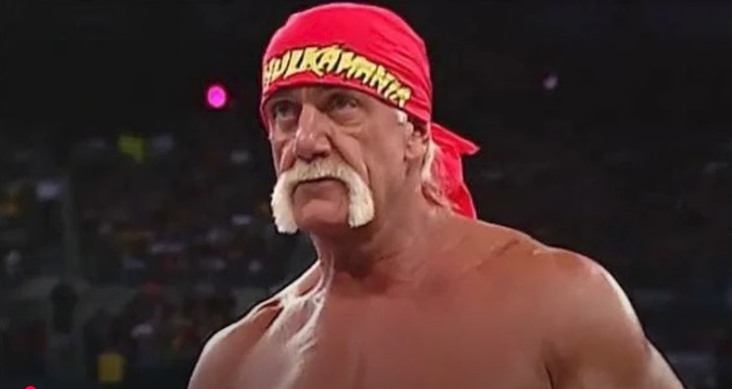
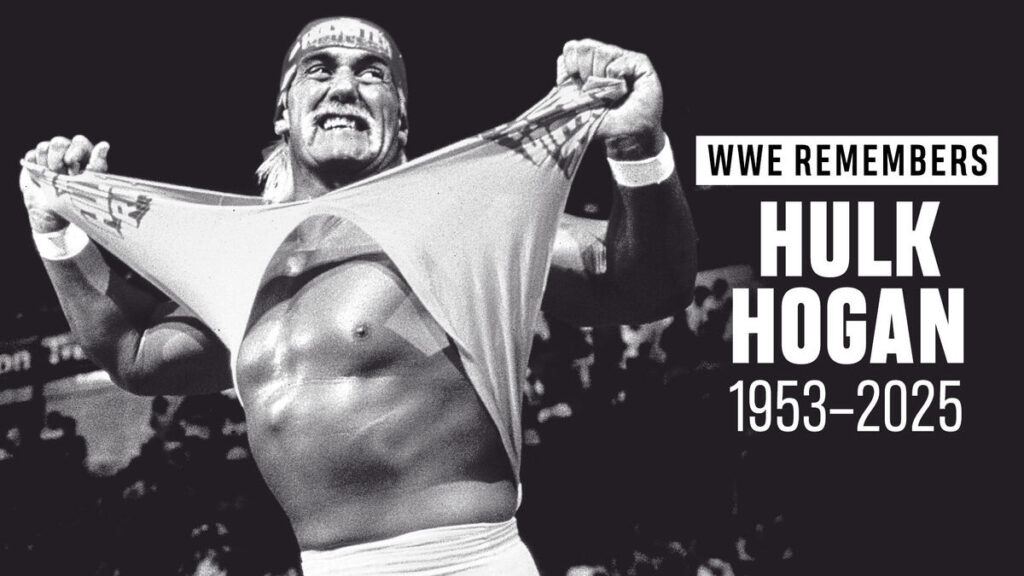
The world is mourning the death of Hulk Hogan, born Terry Bollea, the man who helped define professional wrestling as we know it. Despite WWE being scripted entertainment, Hogan’s influence was anything but fake. His death at age 71 in Clearwater, Florida, has reignited debates globally — especially across wrestling-loving nations like Kenya and Nigeria — on why a man known for acting in a ring is receiving so much honor.

So, what made Hulk Hogan’s WWE legacy matter so much?

WWE: Scripted but Not Fake

Professional wrestling, especially WWE, is pre-determined, but that doesn’t mean it’s fake in the way people often suggest. Wrestlers like Hogan train, fall, get injured, and perform live, sometimes several times a week. The bumps, hits, and slams are very real, and the physical toll is immense.

Hogan performed for over four decades, even when suffering from chronic back pain, multiple surgeries, and a hip replacement. He may have known who would win a match — but he still had to land flat on the mat in front of tens of thousands of fans.

Charisma Beyond the Ring

In the 1980s and early 1990s, Hulk Hogan became a global household name, especially in countries like Kenya and Nigeria, where American pop culture found a massive audience via VHS tapes, satellite TV, and cable.

Hogan’s character — the strong, morally upright “Real American” who always defeated evil — connected with fans across Africa. His iconic theme song, handlebar mustache, and “Hulkamania” shirts became symbols of heroism for a generation of boys who had never even stepped inside a wrestling ring.

In Nairobi, Lagos, and beyond, Hulk Hogan wasn’t just a performer — he was a role model.

Read Also:Wrestling Icon Hulk Hogan Dies at 71 in Clearwater, Florida

He Built the WWE Empire

Wrestling in the late ’70s was a fragmented business until Vince McMahon gambled everything on a new star: Hulk Hogan. The result? Hogan became the face of WrestleMania, the event that would eventually be broadcast across the world. WrestleMania III, where Hogan body-slammed the 520-pound André the Giant, had over 90,000 in attendance and millions watching at home.

In Kenya, local clubs and bars would gather to watch VHS replays of the event. In Nigeria, radio stations would report wrestling results like football scores. Hogan was not just entertaining; he was economically essential to the WWE’s global growth.

More Than Just Muscles: A Storyteller

What set Hogan apart wasn’t just his physique — it was his ability to connect emotionally. He would rally the crowd, stare into the camera, and deliver dramatic monologues like a soap opera hero.

His stories were about justice, loyalty, and the fight between good and evil. In many ways, Hogan was a modern griot, using performance to pass down values — even in a scripted format.

The African Perspective: Why His Legacy Matters

In both Kenya and Nigeria, pro wrestling has never been seen as “just a show.” For many families, watching Hogan fight The Iron Sheik or Rowdy Roddy Piper on NTV or Galaxy TV was a family event.

Children saw him as a hero who always did the right thing — a rare commodity in a world full of corruption and moral ambiguity. He inspired many young men to believe in strength, discipline, and courage. In schools and playgrounds across Nairobi and Lagos, “Hulkamania” chants echoed long after the screen went dark.

From the Ring to Global Pop Culture

Hogan also succeeded outside the ring. He starred in Hollywood films, launched reality shows like Hogan Knows Best, and remained a central figure in American pop culture.

He even influenced fashion and language, with catchphrases like “Whatcha gonna do, brother?” becoming recognizable around the globe.

Why the Credit Is Deserved

Despite the scripted nature of WWE, Hogan deserves the global respect he’s receiving for several key reasons:

  • He redefined the industry and gave it mainstream legitimacy.
  • He was physically committed to a dangerous craft for decades.
  • He inspired millions across continents through charisma and storytelling.
  • He helped export American entertainment culture to Africa and the rest of the world.

Hulk Hogan’s WWE Legacy Lives On

Whether you’re in Nairobi, Lagos, or Clearwater, one thing is clear: Hulk Hogan’s WWE legacy is undeniable. His passing may have closed a chapter in wrestling history, but his influence will live on in every child who once tied a bandana, flexed their muscles, and shouted “Hulkamania is running wild!”

The ring may have been scripted, but the respect Hogan earned was very real.

Hulk Hogan Dies at 71

Wrestling Icon Hulk Hogan Dies at 71 in Clearwater, Florida

Clearwater, FL – July 24, 2025 – Terry Gene Bollea, better known as Hulk Hogan, has died at 71 following a cardiac arrest at his Clearwater Beach home. First responders from Clearwater Fire & Rescue were called at 9:51 a.m. local time, and Hogan was transported to Morton Plant Hospital, where he was pronounced dead at 11:17 a.m.

Career Highlights & Cultural Impact

  • 1980s revolution – Hogan burst into the spotlight in 1984 by defeating the Iron Sheik and quickly became WWE’s biggest draw. His unforgettable WrestleMania III moment against Andre the Giant drew 33 million viewers
  • Crossover success – Beyond the ring, he appeared in Rocky III (1982), Hogan Knows Best, No Holds Barred, and Mr. Nanny .
  • WCW and nWo – In the 1990s, Hogan’s heel turn in WCW as the face of the nWo cemented his legacy .
  • WWE Hall of Fame – Inducted twice: solo in 2005 and with nWo in 2020 .

Circumstances of Death

Hogan recently underwent neck surgery and had been recovering well, according to his wife, Sky Daily. Despite appearing in good spirits, he unexpectedly collapsed at home . Authorities confirmed that there were no signs of foul play

Reactions & Tributes

  • WWE: “One of pop culture’s most recognizable figures … extends its condolences to Hogan’s family, friends, and fans.”
  • Ric Flair & family: Ric Flair, along with daughter Charlotte, fondly remembered Hogan’s unwavering friendship
  • Vince McMahon & The Undertaker: Praised Hogan as “the greatest WWE superstar of ALL TIME.”
  • Donald Trump: Called him a “MAGA all the way” friend and “electric” speaker at the GOP convention

Read Also: R. Kelly’s 31-Year Sentence: A Deep Dive into the Music Icon’s Fall from Grace

Legacy & Survivors

Hogan is survived by his wife Sky Daily, and children Brooke and Nick Hogan. He was previously married to Linda Hogan (1983–2009) and Jennifer McDaniel (2010–2021)

Why This Matters to Clearwater & Beyond

  • Local hero – Clearwater Beach was Hogan’s home in his later years; his death marks a significant moment for the community.
  • Global wrestling influence – Hogan helped transform professional wrestling into mainstream entertainment, setting the foundation for today’s billion-dollar industry
  • Cultural resonance – His persona—bold, charismatic, patriotic—defined 1980s pop culture.

What Comes Next?

  • Police investigation – Clearwater detectives are conducting a standard death investigation; no signs of foul play have been reported
  • Healthcare note – This underscores the risks associated with cardiac events during post-surgery recovery.

Kasneb Anti-Corruption Course: A Game-Changer in Kenya’s Fight Against Graft

The newly launched Kasneb Anti-Corruption Course is a timely and transformative step in Kenya’s ongoing battle against corruption. Developed by the Kenya Accountants and Secretaries National Examination Board (Kasneb), the course is designed to equip professionals with the knowledge and practical tools needed to identify, prevent, and combat graft in both the public and private sectors. As the country grapples with rising concerns about accountability and ethics in governance, this course provides a structured approach to building integrity-driven institutions.

Understanding the Kasneb Anti-Corruption Course

Kasneb, in collaboration with the Ethics and Anti-Corruption Commission (EACC) and the Institute of Certified Secretaries (ICS), unveiled a specialized training program named the Certificate in Anti-Corruption and Ethics. This new professional qualification targets individuals in governance, compliance, accounting, audit, and company secretarial roles—fields often at the forefront of ethical decision-making.

The course is comprehensive, covering both theoretical and practical aspects of anti-corruption measures. Key learning areas include:

  • Principles of ethics and integrity
  • Governance structures and frameworks
  • Investigative techniques for fraud detection
  • Corporate compliance systems
  • Whistleblower protections
  • Case studies on anti-graft initiatives

Read Also: M-PESA App Now Supports PayPal Withdrawals in Bid to Serve Kenya’s Remote Workforce

Why the Course Matters

1. Closing the Integrity Gap in Professionalism

For years, Kenya has faced scandals implicating certified professionals in unethical dealings. By embedding ethics training into formal certification, the Kasneb Anti-Corruption Course redefines professionalism—not just as technical competence but as moral accountability. According to Kasneb’s leadership, the initiative ensures that certified officers not only possess skills but also uphold national values.

2. Supporting National Development Goals

Corruption significantly hampers service delivery, investor confidence, and economic growth. The new Kasneb course supports Kenya’s Vision 2030 by contributing to institutional reforms and improved governance. Professionals trained through this program are expected to create ripple effects within their organizations, promoting a culture of transparency and accountability.

3. Building Capacity for Compliance Officers and Auditors

In a compliance-driven world, demand is growing for officers who can identify red flags before they escalate into full-blown scandals. The Kasneb Anti-Corruption Course meets this need by building capacity for internal auditors, ethics officers, and compliance managers. It creates a bridge between technical audit processes and ethical decision-making frameworks.

Strategic Collaboration for a Corruption-Free Kenya

This course is a product of strategic partnerships. Kasneb teamed up with the EACC and ICS—two institutions already embedded in the national anti-graft agenda. This collaboration ensures the course aligns with Kenya’s legal, policy, and enforcement frameworks on corruption. Students are trained to not only recognize violations but also understand the relevant legal channels and institutional mechanisms for redress.

Moreover, the course is expected to be reviewed periodically to adapt to evolving trends in financial crime, governance models, and digital fraud—a reflection of its dynamic and responsive design.

Who Should Enroll?

The Kasneb Anti-Corruption Course is open to a wide range of professionals, including:

  • Accountants and auditors
  • Company secretaries
  • Risk and compliance officers
  • Government officers in regulatory agencies
  • Legal and ethics professionals

Fresh graduates in governance-related disciplines are also encouraged to enroll to build ethical foundations early in their careers.

A Step Toward Institutional Integrity

The introduction of this course is more than an academic milestone—it is a moral call to action. Kenya’s institutions have, for long, suffered under the weight of unethical behavior disguised under titles and qualifications. The Kasneb Anti-Corruption Course breaks this cycle by restoring integrity to the heart of certification. It empowers professionals to act not just in accordance with policies, but with conscience.

With corruption still one of the greatest threats to national progress, innovative solutions like the Kasneb Anti-Corruption Course are a welcome development. By aligning technical education with ethical training, Kasneb is helping nurture a new generation of professionals who are not only competent but principled. In the long run, such initiatives will strengthen Kenya’s institutional frameworks and foster a business environment where honesty and transparency are not just ideals, but everyday practice.

Read Also : Infinix HOT 60 Pro+ Launches in Kenya with World’s Slimmest 3D-Curved Screen Phone

M-PESA App Now Supports PayPal Withdrawals in Bid to Serve Kenya’s Remote Workforce

In a significant move to cement its dominance in Kenya’s digital finance ecosystem, Safaricom has integrated PayPal withdrawals directly into the M-PESA super app, a strategic feature aimed squarely at the nation’s rapidly growing population of freelancers and remote workers. In short, the M-PESA App Now Supports PayPal Withdrawals

The new functionality, launched as a mini app within M-PESA, marks a departure from the previously cumbersome process of transferring funds from PayPal to M-PESA. Previously, users had to navigate a third-party web portal riddled with delays and login loops. Now, with just a few taps on their smartphone, Kenyan users can withdraw PayPal funds seamlessly—without ever leaving the M-PESA environment.

“This is about removing friction and giving our users—especially digital workers—the tools they need to thrive in the global economy,” said Peter Ndegwa, CEO of Safaricom, at the product launch.

A Win for Kenya’s Freelance Economy

Kenya has emerged as one of Africa’s leading hubs for online work. Thousands of Kenyans earn a living through remote gigs ranging from software development and transcription to digital marketing and customer service. For many, PayPal is the default payment gateway for international clients, making this integration more than just a convenience—it’s a productivity booster.

Safaricom’s move is also a direct response to shifting user behavior and increasing competition in the international payments space. With platforms like Wise and Payoneer gaining popularity for offering better FX rates and lower fees, embedding PayPal into the M-PESA app positions Safaricom to retain market share by offering immediacy, familiarity, and ecosystem advantages.

Read Also: Infinix HOT 60 Pro+ Launches in Kenya with World’s Slimmest 3D-Curved Screen Phone

Complementing—but Not Replacing—Equity Bank’s Dominance

Although Equity Bank remains the dominant player for large PayPal withdrawals (up to $10,000 per transaction), Safaricom’s app-based approach caters to a different demographic: those who move smaller amounts regularly and value convenience over volume.

Unlike the bank-based process, this feature offers a bank-free withdrawal pathway, empowering users who may not have traditional bank accounts but still rely on international income streams.

M-PESA’s Rising Economic Influence

The PayPal integration comes at a time when M-PESA is becoming more central to Safaricom’s financial backbone. The telco’s latest financial statements (for the year ending March 2025) show:

MetricValue
Mobile Money RevenueKES 161.1 billion ($1.25B)
Avg. Chargeable Transactions/User37.92 per month
One-Month Active M-PESA Users35.82 million
Avg. Revenue per M-PESA UserKES 395.22 ($3.06)
M-PESA Agents~299,000 (up 14.1% YoY)
App Downloads13.7 million
Active App Users4.7 million
2024 M-PESA App Transaction VolumeKES 2.3 trillion ($17.83B)

These numbers underscore the growing dependence on mobile money in Kenya—not just for local transactions but increasingly for cross-border trade and freelance income.

The app now supports balances of up to KES 500,000 ($3,875), with single transactions capped at KES 250,000 ($1,938). The same KES 500,000 limit applies to daily cumulative transactions.

Strategic Ecosystem Lock-In

By embedding PayPal directly into the M-PESA app, Safaricom is following a broader platform strategy—transforming M-PESA from a wallet into a financial operating system. This helps the company deepen user engagement, increase retention, and diversify revenue streams beyond traditional airtime and SMS.

In the competitive and dynamic world of fintech, this move may give Safaricom an edge not just locally, but potentially across the wider East African region where M-PESA is expanding.

For Kenya’s remote workers and digital freelancers, this integration is a welcome update that simplifies how they access international income. For Safaricom, it’s a calculated step to secure its leadership in the mobile money space by aligning with evolving user needs.

As the digital economy grows, the fusion of global platforms like PayPal with local giants like M-PESA may well be the formula that drives Africa’s financial inclusion forward. What is your take on the fact that M-PESA App Now Supports PayPal Withdrawals?

Why a U.S. General’s Kaliningrad Threat to Russia Is So Significant

What Did General Donahue Say?

In mid‑July 2025, General Christopher Donahue, commander of U.S. Army Europe & Africa, stated that NATO now possesses the capability to “neutralize Kaliningrad from the ground in a timeframe faster than we’ve ever been able to do”
He emphasized the implementation of a new “Eastern Flank Deterrence Line” strategy, bolstered by advanced AI-powered intelligence systems such as the Maven Smart System

The Strategic Importance of Kaliningrad

Kaliningrad is a heavily militarized Russian exclave, situated between NATO members Poland and Lithuania, isolated from mainland Russia, and covering about 75 km across
It hosts advanced Anti‑Access/Area‑Denial (A2/AD) systems, such as S‑400 surface‑to‑air missiles, Iskander short‑range missiles, and electronic surveillance capabilities, meant to deter NATO maneuvers in the Baltic and block the Suwałki Gap corridor

Why the Threat Resonates

🔹 NATO Encirclement

Kaliningrad is ringed by NATO member states, making it vulnerable despite formidable defenses

🔹 The Suwałki Gap Chokepoint

The narrow corridor between Poland and Lithuania—known as the Suwałki Gap—connects Kaliningrad to Belarus and the rest of Russia. Control over this corridor is critical: seizing it would isolate Kaliningrad and sever Russian access to the Baltics

🔹 A2/AD Neutralization

Despite Kaliningrad’s air-defense bubble, Donahue claims NATO has developed plans to dismantle these systems swiftly via ground-based operations and improved integrated command systems

Russia’s Stark Response

Russian officials reacted forcefully. Leonid Slutsky, head of the Duma’s foreign affairs committee, warned that any attack on Kaliningrad would be considered an attack on Russia itself—and could trigger retaliatory action under Russia’s nuclear doctrine

Russian media also framed the statement as a possible prelude to Western aggression, with implications of triggering World War III rhetoric

What Makes This Statement So Significant?

  • Escalation of military rhetoric: A top U.S. general explicitly discussing plans to “erase” a Russian oblast marks a major escalation in NATO messaging.
  • Implications for deterrence and doctrine: NATO’s stated readiness to neutralize A2/AD zones signals enhanced deterrence posture.
  • Geopolitical flashpoint: Kaliningrad—and the Suwałki Gap—represent critical junctures in NATO-Russia confrontation.
  • Risks of nuclear escalation: Russia’s framing of any incursion as nuclear‑doctrine‑triggering raises the stakes dramatically

What Analysts Say

Experts suggest Donahue’s remarks are designed to underline NATO’s evolving operational readiness and signal that Kaliningrad is no longer off‑limits, even though doing so constitutes a major escalation in rhetoric and risks. It underscores NATO’s efforts to integrate ground, AI, and intelligence systems to challenge Russia’s strategic denial zones effectively.

Bottom Line

The publicity surrounding General Donahue’s comments isn’t just saber-rattling—it reflects a new level of military readiness and technological integration by NATO. Because Kaliningrad is one of Russia’s key strongholds in Europe, the threat of such swift neutralization sends a strong deterrent message.

Still, with Russian officials warning of nuclear retaliation and global implications, the statement underscores the high-stakes tension surrounding the Baltic region as NATO and Russia continue to posture.

Infinix HOT 60 Pro+ Kenya

Infinix HOT 60 Pro+ Launches in Kenya with World’s Slimmest 3D-Curved Screen Phone

A New Benchmark in Smartphone Design

Infinix has officially launched the HOT 60 Pro+ in Kenya, making a bold statement in smartphone innovation. The device boasts the world’s slimmest 3D curved screen, measuring only 5.95mm thick and weighing just 155 grams. With its premium design and top-tier performance, the Infinix HOT 60 Pro+ Kenya release sets a new bar for style, substance, and affordability.

The unveiling, which took place in Nairobi, reflects Infinix’s growing commitment to delivering flagship-level features at mid-range prices for African markets.

Unmatched Display and Design

At the core of the HOT 60 Pro+ is a 6.78-inch 1.5K curved AMOLED display with a 144Hz refresh rate and peak brightness of 4,500 nits. This makes it ideal for outdoor viewing and smooth scrolling. The 3D curvature is not just aesthetic—it enhances grip, visibility, and overall user experience.

  • Ultra-thin frame: Aerospace-grade aluminum with reinforced corners
  • Front protection: Corning Gorilla Glass 7i
  • Back panel: TitanGrid Nanofiber material
  • Durability rating: IP65 water and dust resistance

The result is a sleek yet rugged phone that turns heads while standing up to everyday usage.

Power and Performance

The Infinix HOT 60 Pro+ is powered by MediaTek’s new Helio G200 chipset, optimized for gaming and multitasking. Coupled with up to 8GB physical RAM and an additional 8GB of virtual RAM, users get seamless app switching and improved AI responsiveness.

To prevent overheating, the device features an 11-layer thermal cooling system—a first in this segment.

Read Also: How Fuel Prices Are Calculated in Kenya: The Hidden Formula Behind the Pump Price

Key Performance Highlights:

  • Chipset: MediaTek Helio G200
  • RAM/Storage: Up to 8GB+8GB RAM / 256GB ROM
  • Cooling: Advanced thermal regulation for gaming and multitasking

Battery Built to Last

Despite its slim profile, the HOT 60 Pro+ packs a 5,160 mAh battery with an industry-leading 810 Wh/L energy density. It supports 45W fast charging, taking the battery from 0 to 50% in just 23 minutes and fully charging in under an hour.

Even more impressive is its longevity—Infinix claims the battery retains 80% capacity after 1,800 charge cycles, translating to nearly 5 years of daily use.

Next-Level Camera System

The HOT 60 Pro+ features a 50MP Sony IMX882 sensor with optical image stabilization (OIS), full-pixel autofocus, and 2x lossless zoom. It’s designed for low-light photography and delivers crisp detail across various shooting scenarios.

On the front, a 13MP selfie camera supports AI enhancement for sharp, expressive portraits. Photography lovers will appreciate the AI RAW processing, vogue filters, and professional image editing features packed into the default camera app.

Software and Smart Features

The device runs XOS 15.1.1, based on Android 15, with a smooth, ad-free user interface. The UI is TÜV-certified to maintain fluency for up to 60 months—another major leap in user experience for mid-range smartphones.

The HOT 60 Pro+ also features a dedicated AI Smart Key that activates:

  • Folax AI Assistant
  • NFC Touch Transfer
  • Ultra Link Free Calling

These AI features aim to make daily tasks faster and more intuitive.

Read Also: Govt Developing Mobile App to Monitor Civil Servants

Pricing and Availability in Kenya

The Infinix HOT 60 series is now available for pre-order across Kenya through official Infinix retailers and select online stores. Customers can pre-order between July 21–31 with a Ksh 3,000 deposit, which secures a free Infinix XWatch N4 Pro (worth Ksh 5,500).

Official Prices:

ModelRAM/StoragePrice (Ksh)
HOT 60i6+6GB / 128GB12,799
HOT 60i8+8GB / 256GB15,199
HOT 60 Pro8+8GB / 128GB18,999
HOT 60 Pro+8+8GB / 128GB21,999
HOT 60 Pro+8+8GB / 256GB24,999

Retailers such as Silkroom Kenya are offering the HOT 60 Pro+ (8+128GB) at Ksh 26,000, which is consistent with the official launch pricing.

Why It Matters for Kenya’s Tech Market

With this launch, Infinix is addressing the growing demand for stylish, powerful phones among Kenya’s youthful population. The HOT 60 Pro+ is a direct answer to consumers who want high-end performance without spending flagship prices.

From content creators and mobile gamers to professionals and students, the Infinix HOT 60 Pro+ fits diverse lifestyles while delivering global-first design elements.

The Infinix HOT 60 Pro+ Kenya launch is more than just a smartphone drop—it’s a milestone for innovation in Africa’s mid-range phone segment. With its ultra-slim design, flagship features, and affordable pricing, it firmly positions itself as the best-value smartphone of 2025 so far.

If you’re looking to upgrade your mobile experience, the HOT 60 Pro+ might just be your smartest move this year.

How Fuel Prices Are Calculated in Kenya: The Hidden Formula Behind the Pump Price

Why Fuel Prices in Kenya Keep Changing

If you’ve ever wondered how fuel prices are calculated in Kenya, you’re not alone. Every month, motorists brace themselves for new prices, set like clockwork by the Energy and Petroleum Regulatory Authority (EPRA). These adjustments can be confusing and sometimes controversial—but there’s a clear formula behind the scenes. This article explains everything from landing costs to levies and forex rates, helping you understand what drives fuel costs in Kenya.

EPRA and the Fuel Price Review Cycle

The process of fuel price determination in Kenya is governed by EPRA, a state regulatory body mandated to ensure fair pricing.

  • Review dates: Every 14th day of the month
  • New prices effective from: 15th of every month
  • Data analyzed: Fuel cargo deliveries between the 10th of the previous month and the 9th of the current month

This routine ensures that the fuel prices you pay at the pump reflect international trends, forex fluctuations, and domestic logistics.

Key Factors Behind How Fuel Prices Are Calculated in Kenya

Understanding how fuel prices are calculated in Kenya requires breaking down several interlinked components:

1. International Crude and Refined Product Prices

Kenya imports refined petroleum products. The international cost of refined fuels like petrol and diesel, usually priced in U.S. dollars, is the starting point of the pricing formula.

2. Foreign Exchange (Forex) Rate

Since fuel is purchased in USD, the KES/USD exchange rate plays a huge role. A weaker Kenyan shilling automatically raises the landed cost of fuel.

For instance, a depreciation of the shilling from KSh 150 to KSh 160 against the dollar can result in a KSh 4-5 increase per litre.

3. Freight and Insurance

Shipping costs from oil-producing countries to the port of Mombasa add to the overall expense, along with marine insurance premiums.

4. Port and Inland Handling Costs

After fuel lands in Kenya, it goes through pipeline transfers, storage, and loading for distribution. These handling and storage costs are factored into the final price.

5. Taxes and Government Levies

This is arguably the most controversial part of fuel pricing in Kenya. As of July 2025, here are some of the major levies:

LevyAmount (KSh/litre)
Petroleum Development Levy5.40
Road Maintenance Levy18.00
Excise Duty~21.95 (petrol)
VAT (16%)Based on base price
Railway Development Levy0.50
Anti-Adulteration Levy18.00 (diesel)
Import Declaration Fee2% of CIF value

Taxes and levies account for over 40% of the pump price in some cases.

6. Retailer and Marketer Margins

EPRA sets fixed margins for fuel distributors and retailers to prevent overpricing. These margins are typically modest and do not fluctuate month to month.

Recent Fuel Price Changes in Kenya (July 2025)

As of the July 15–August 14 pricing period, EPRA adjusted prices upward due to rising international prices and a weakening shilling:

  • Petrol: KSh 186.31/litre (+KSh 8.99)
  • Diesel: KSh 171.58/litre (+KSh 8.67)
  • Kerosene: KSh 156.58/litre (+KSh 9.65)

This spike came from a 6.8% increase in international product prices and a 4% weakening of the Kenyan shilling.

Why Kenya’s Fuel Prices Are Higher Than Neighbours

Many Kenyans compare pump prices with neighboring countries like Uganda or Tanzania. However, Kenya’s prices are higher due to:

  • Multiple taxes and levies
  • Longer logistics chains (pipeline, road, depots)
  • Higher import costs due to forex volatility
  • Lack of strategic oil reserves, which could buffer global shocks

According to EPRA, the tax component alone contributes over KSh 70 per litre of petrol.

Read Also: Female Cancer Deaths 2024 Kenya: Cancer Tops Causes as Pneumonia Affects Men

Solutions to High Fuel Prices

If Kenya is to stabilize or reduce fuel prices, experts suggest:

  • Reducing fuel levies
  • Strengthening the shilling through better forex policies
  • Investing in local refining or strategic storage
  • Negotiating better freight contracts and logistics efficiencies

A public conversation is also needed on whether fuel should be a source of government revenue or treated as an essential commodity.

Know What You’re Paying For

Understanding how fuel prices are calculated in Kenya helps you decode why pump prices rise or fall. While international markets and forex rates play a major role, the biggest burden often comes from domestic taxes and logistics. As the public calls for transparency and relief, knowing the breakdown empowers you to participate in informed discussions on energy policy.

Newsly KE
Privacy Overview

This website uses cookies so that we can provide you with the best user experience possible. Cookie information is stored in your browser and performs functions such as recognising you when you return to our website and helping our team to understand which sections of the website you find most interesting and useful. View our privacy policy and terms & conditions here.

×