Three Things You Should Know About Mosquitoes

Post
Three Things You Should Know About Mosquitoes

Three Things You Should Know About Mosquitoes

They may be tiny, but mosquitoes are among the deadliest creatures on earth, responsible for the transmission of diseases like malaria, dengue, chikungunya, and Zika. While many Kenyans are familiar with the nuisance of mosquito bites, few know the complex biology and behavior behind these pests.

Here are three important facts that everyone in Kenya—and beyond—should know about mosquitoes, as highlighted by entomologists and public health experts.

1. Not All Mosquitoes Are the Same

There are more than 3,000 species of mosquitoes worldwide, but only a handful are responsible for spreading diseases in humans. In Kenya, the most dangerous are:

  • Anopheles: These mosquitoes transmit malaria, a disease that still kills thousands in Kenya every year.
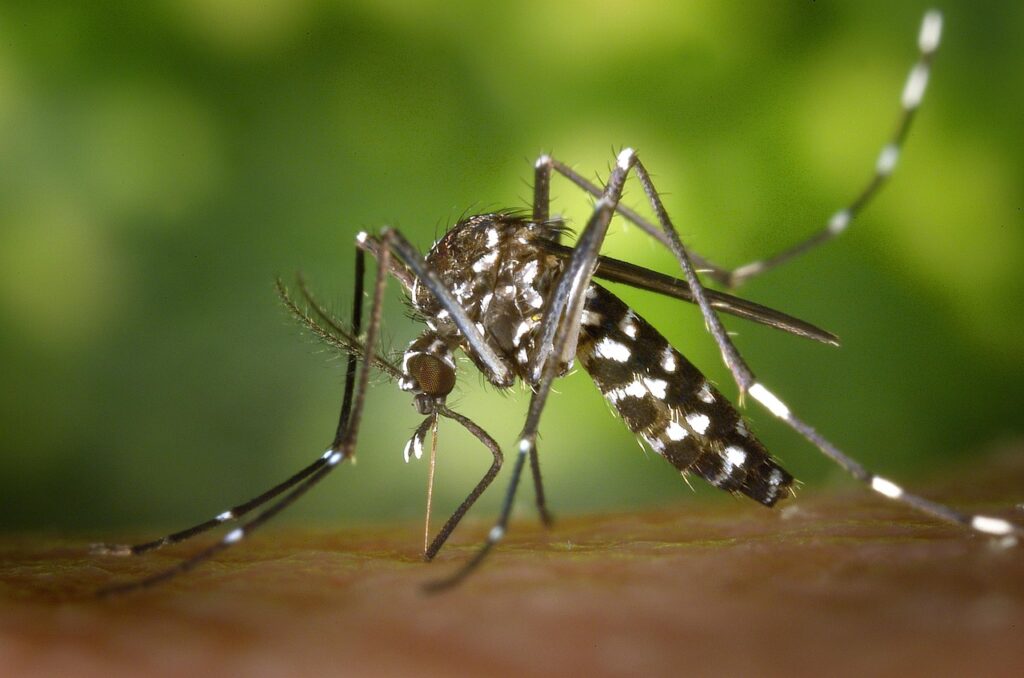
  • Aedes: Known for spreading dengue, Zika, and chikungunya, Aedes mosquitoes are recognizable by their black-and-white striped bodies. They are also aggressive daytime biters.
  • Culex: This species mostly causes nuisance bites and can carry diseases like West Nile virus in other parts of the world, though it’s not a major transmitter in Kenya.

Interestingly, not all mosquitoes bite. Only female mosquitoes feed on blood, which they need for egg production. Males feed on nectar and other plant juices.

Read Also: Nairobi’s Global Rise: United Nations to Establish Three New Offices in Kenya by 2026

2. Mosquitoes Are Attracted by Specific Human Cues

Ever wondered why mosquitoes seem to prefer some people over others? Research shows that mosquitoes are drawn to carbon dioxide, body heat, sweat, and even body odor. Some people naturally emit more of these cues, making them more attractive to mosquitoes.

Wearing dark clothing, sweating, or standing near stagnant water can significantly increase your chances of getting bitten. This is why mosquito prevention strategies often include:

3. Some Mosquitoes Don’t Bite—And May Even Help

Not all mosquitoes are villains. One lesser-known species, Toxorhynchites, also called the “elephant mosquito,” does not feed on blood at all. Instead, the larvae of this species prey on other mosquito larvae, making them a potential natural weapon in mosquito control efforts.

These beneficial mosquitoes offer insight into biological control methods that don’t rely on insecticides. Scientists are increasingly exploring non-chemical solutions to reduce mosquito populations while protecting ecosystems and human health.

Knowledge Is Protection

Understanding mosquito behavior and biology is a crucial step in protecting yourself and your family from vector-borne diseases. With climate change, urbanization, and poor drainage systems creating ideal breeding grounds, the mosquito threat is not going away anytime soon.

Kenya’s Ministry of Health continues to emphasize public awareness, environmental hygiene, and use of integrated vector control strategies as key components in the fight against malaria and other mosquito-borne illnesses.

So the next time you hear the faint buzz of a mosquito in your ear, remember—there’s a lot more going on than just an annoying itch.


Nine in Ten Supermarket Foods in Kenya Unhealthy, Ministry of Health Reveals

The Kenyan Ministry of Health, referencing the 2025 Kenya Market Assessment Report by the Access to Nutrition Initiative (ATNI), has issued a stark warning: approximately 90% of packaged foods sold in supermarkets contain unhealthy levels of sugar, salt, or fat .

Key Findings

  • Out of roughly 746 packaged food and beverage products assessed—covering everything from soft drinks, rice, pasta, snacks, and sauces to dairy products and instant coffee—only about 10% met the nutritional standards established by the Kenya Nutrient Profiling Model .
  • Just 33% of products passed the Health Star Rating system’s minimum threshold for “healthy” status .
  • Over half of the sampled items fell below acceptable health guidelines, yet many are marketed as “healthy” or kid-friendly .

Health Implications

The proliferation of ultraprocessed foods is accelerating Kenya’s rise in non-communicable diseases such as obesity, diabetes, hypertension, and heart ailments—largely driven by unhealthy dietary shifts . Notably, adult obesity in Kenya has nearly tripled since 2000, with 45% of women and 19% of men now overweight or obese . Meanwhile, 79% of Kenyans cannot afford a healthy diet, perpetuating micronutrient deficiencies alongside overnutrition .

Read Also: The Powerful Benefits of Garlic for a 50-Year-Old: A Natural Ally for Healthy Aging

Government Response

Principal Secretary Mary Muthoni said the findings have sparked plans to enforce new nutrition regulations. These will include:

  • Strict nutrient limits for fat, sugar, and sodium across 21 categories of processed foods sold in Kenya .
  • Mandatory front-of-pack warning labels—like color-coded or warning icons—to clearly identify unhealthy foods and help consumers make informed choices .
  • Stronger oversight of misleading advertising, especially marketing unhealthy food and drinks to children .

Why This Matters

With supermarkets offering a growing share of food purchases—rising alongside urbanisation and expanding middle-class lifestyles—buying processed foods has increased average body mass index and weakened dietary quality among Kenyans . This nutrition transition is widely recognized as a critical public health threat.

What’s Coming

  • Kenya’s Kenya Nutrient Profiling Model (KNPM) launched in June, underpins these new regulations and guides warning label criteria .
  • Other countries such as Chile, Peru, Mexico, Brazil, and Uruguay have already implemented front-of-pack warning label systems with measurable success; Kenya aims to follow suit to reverse trends in diet-related diseases .

Read Also: The Deep Benefits of Comfrey Leaves: A Healing Herb Worth Knowing

The findings offer a critical wake‑up call: the vast majority of supermarket‑shelf foods in Kenya are nutritionally poor. With obesity and chronic diseases rising sharply, the country’s push for mandatory labeling and stricter nutrient limits marks a pivotal shift toward better food transparency—putting more power in the hands of Kenyan consumers and urging manufacturers toward healthier

When Firstborns Marry Lastborns: Family Roles Collide in Marriage

When firstborns marry lastborns, it’s not just a union of two people—it’s the marriage of order and whimsy, structure and spontaneity, discipline and drama. And as any therapist—or observant mother-in-law—will tell you, birth order might not be destiny, but it definitely writes part of the script.

Let’s put it plainly: this is not just opposites attract. This is commanders-in-chief tying the knot with the chief of “vibes and inshallah.” So, how does that play out over time, in the silent wars over toothpaste caps, parenting methods, or whose turn it is to cook on Sunday?

Let’s find out.

The Psychology Behind the Birth Order Love Story

Alfred Adler, the Austrian psychotherapist who gave the world birth order theory, argued that family position influences personality. His ideas, while debated, have held water in both pop psychology and couples counseling circles.

  • Firstborns tend to be responsible, goal-oriented, and often carry a parental instinct—especially in large families.
  • Lastborns, on the other hand, are typically more social, impulsive, fun-loving, and less inclined to follow rules.

So what happens when these two cross paths romantically? Often: fireworks. Not just the romantic kind—think metaphorical grenades over laundry routines or impulse buys.

Why This Combo Can Work Beautifully

In many ways, a firstborn–lastborn marriage is the perfect complement:

The firstborn provides stability, a plan, and a grounded sense of responsibility.
The lastborn injects fun, creativity, and emotional warmth into the relationship.

In Nairobi’s newlywed apartments and leafy suburbs alike, it’s a dynamic playing out daily: a firstborn husband meticulously tracking household expenses on Excel, while his lastborn wife shops online with reckless confidence. And yet, somehow, they balance each other out.

“I used to plan every minute of my day,” says David, a firstborn banker married to a lastborn event planner. “Then I met Fiona, and now I actually laugh at memes. On weekdays!”

That’s the charm: the firstborn becomes less uptight, and the lastborn learns how to adult.

When the Magic Turns Mayhem

But let’s not sugarcoat it.

This pairing isn’t all complimentary champagne and synchronized Sunday brunches. Sometimes, it’s a stubborn meeting of extremes:

  • The firstborn partner may get tired of always feeling like the “parent” in the relationship.
  • The lastborn may chafe under what they perceive as controlling behavior.

A firstborn wife may feel overburdened by responsibility and start resenting her spouse’s “hakuna matata” attitude. Conversely, the lastborn husband may feel like nothing he does is ever “right,” especially if he grew up getting away with everything but now faces scrutiny under firstborn eyes.

And then there’s conflict resolution styles: firstborns want to talk, schedule, and fix. Lastborns want to walk away, nap, and hope it goes away. Welcome to round one

What Marriage Therapists Say

“Birth order differences can be a strength or a liability depending on how conscious the couple is of their dynamics,” says Lilian W., a Nairobi-based marriage counselor. “If the firstborn keeps trying to ‘fix’ the lastborn or parent them, that leads to resentment. But if both partners acknowledge their tendencies, they can build a powerful team.”

She adds that emotional maturity overrides birth order—if both partners have self-awareness, they can grow out of their childhood roles.

Interestingly, she says this pairing is among the most common in her client base—and when it works, it really works.

And Then… Comes Parenting

If you think marriage was an arena, wait until they become parents.

The firstborn wants to raise a little Rhodes Scholar: structure, curfews, balanced meals, zero screen time.
The lastborn just wants to make the child happy. Ice cream at 10 am? Why not? YOLO.

This can cause friction, especially when discipline and routines become part of the parenting puzzle.

But again—if they find middle ground—their children get the best of both worlds: boundaries with joy, and freedom with accountability. It’s not chaos. It’s a creative, flexible system wrapped in love.

Real-Life Marriages, Real-Time Lessons

Many high-functioning firstborn-lastborn couples say the secret lies in understanding and humor.

“Sometimes I just laugh at his carefree approach,” says Carol, a firstborn teacher married to the youngest of seven siblings. “But other times, I hand him the grocery budget and ask, ‘Can you adult for just one day?’ And he tries. That’s what counts.”

Another couple, Moses and Sheila, describe it as a powerful counterbalance.

“She’s the fire, I’m the anchor,” says Moses. “She reminds me not to take life too seriously. I remind her that electricity bills don’t pay themselves.

Verdict: Can It Work?

Absolutely. But like any powerful chemistry, it needs intentional handling.

Firstborns must resist the urge to micromanage. Lastborns must rise to the occasion—and not expect to be indulged forever. The dance between discipline and delight can lead to a dynamic, growth-filled, and genuinely joyful marriage.

At the end of the day, the union of a firstborn and a lastborn is not about who’s right or wrong. It’s about learning new rhythms. After all, what’s marriage if not the long, sometimes bumpy, but often hilarious process of unlearning and relearning?

If you’re a firstborn married to a lastborn, you’re not crazy. You’re just writing one of the most fascinating love stories birth order theory forgot to warn you about.

And yes, you’ll probably be the one to remember the anniversary. But your lastborn spouse will throw a party you’ll never forget.

Stephen Munyakho

Stephen Munyakho Returns to Kenya After Nearly 14 Years in Saudi Custody

Stephen “Stevo” Munyakho, a Kenyan national who was sentenced to death in Saudi Arabia, is set to arrive back in Kenya tonight after spending nearly 14 years behind bars. His release, confirmed on July 22, marks the end of a long and emotionally charged ordeal involving death row, diyya negotiations, and high‑level diplomatic intervention.

Homecoming Confirmed

According to the Office of the Prime Cabinet Secretary, Munyakho is scheduled to land at Jomo Kenyatta International Airport (JKIA) from Jeddah around 11 pm tonight, Monday, July 28, 2025 . Originally slated to return on July 23, his departure was postponed before being rescheduled for today

From Manslaughter to Death Sentence

Munyakho, who was working in Saudi Arabia as a warehouse manager in 2011, was initially convicted of manslaughter following a fatal fight with a coworker. He received a five-year jail term, but upon appeal, the charges were escalated to murder, carrying a death sentence by sword under Saudi law

A Path to Freedom: Diyya and Diplomacy

The man’s execution was avoided after the deceased’s family accepted diyya—a traditional Islamic form of blood compensation. The total settlement amounted to approximately Ksh 129–130 million (about $1 million), facilitated by contributions from the Muslim World League, Kenyan religious organizations, and public donations

Diplomatic efforts were crucial: Prime Cabinet Secretary Musalia Mudavadi formally intervened with Saudi authorities, while President William Ruto reportedly communicated directly with Crown Prince Mohammed bin Salman to delay the execution and open dialogue. Ministry of Foreign Affairs Principal Secretary Korir Sing’oei led the coordination efforts alongside the Bring Back Stevo campaign

Faith and Advocacy

The campaign to secure Munyakho’s release captured national attention. His mother, veteran journalist Dorothy Kweyu, led public appeals and mobilized support for years . Civil society groups including the Supreme Council of Kenya Muslims (SUPKEM) and the Kenya Conference of Catholic Bishops played critical roles in rallying financial and emotional support from all corners of Kenya

Timeline Summary

DateEvent
April 2011Alleged incident and initial manslaughter conviction
Subsequent YearsManslaughter upgraded to murder; sentenced to death
July 22, 2025Release confirmed after diyya payment and legal settlement
July 28, 2025Scheduled arrival at JKIA at ~11 pm

What This Means

Munyakho’s return is not simply a personal victory—it stands as a testament to the power of solidarity, religious diplomacy, and earnest government advocacy. His freedom underscores the effectiveness of combining legal provisions like diyya (recognized under Islamic law) with measured foreign policy and humanitarian appeals.

As his pan-African story continues into its next chapter, Munyakho’s release brings relief to many while reinforcing Kenya’s commitment to protecting the rights and dignity of its citizens abroad.

The Powerful Benefits of Garlic for a 50-Year-Old: A Natural Ally for Healthy Aging

Turning 50 is a significant milestone — a stage of life marked by wisdom, experience, and often, a deeper focus on health and wellness. As the body ages, it becomes more vulnerable to lifestyle diseases, immune decline, and metabolic shifts. One of the most powerful and natural ways to support your body through this transition is by incorporating garlic into your diet. Revered for centuries in traditional medicine, garlic offers a wide array of therapeutic benefits, especially for individuals in their 50s and beyond.

This article explores the key benefits of garlic to a 50-year-old, highlighting its impact on heart health, immunity, brain function, and more.

Heart Health: Garlic as a Natural Cardiovascular Protector

Cardiovascular disease is one of the leading health concerns for people over 50. Fortunately, garlic contains allicin, a bioactive compound known to help:

  • Lower blood pressure
  • Reduce LDL (bad) cholesterol
  • Improve overall circulation

Studies have shown that regular consumption of garlic can significantly reduce systolic and diastolic blood pressure levels, particularly in people with existing hypertension. Additionally, garlic helps prevent the hardening of arteries (atherosclerosis), making it a heart-healthy staple.

Tip: For best results, crush raw garlic and let it sit for 10 minutes before consuming. This activates allicin.

Immunity Booster: Defend Your Body Naturally

With age, the immune system becomes less responsive. Garlic enhances the body’s defense mechanisms through its antiviral, antifungal, and antibacterial properties. It stimulates white blood cell activity, helping the body ward off infections more effectively.

A 50-year-old who regularly consumes garlic may experience fewer colds, faster recovery from infections, and better resistance to seasonal illnesses.

Brain Health and Memory Support

Cognitive decline is another common concern past midlife. Garlic combats brain aging through its antioxidant and anti-inflammatory effects, which help protect brain cells from oxidative damage. These protective mechanisms may reduce the risk of neurodegenerative conditions like Alzheimer’s and dementia.

Garlic also improves circulation to the brain, enhancing memory and concentration — crucial for maintaining mental sharpness in your 50s and beyond.

Anti-Cancer Potential

Several epidemiological studies suggest that garlic may reduce the risk of developing certain cancers, including colorectal, prostate, stomach, and esophageal cancers. The sulfur-containing compounds in garlic help neutralize carcinogens, inhibit tumor growth, and enhance the DNA repair process.

For those in their 50s — a time when cancer screening becomes more common — garlic offers natural protective support without the side effects of synthetic drugs.

Read Also: The Deep Benefits of Comfrey Leaves: A Healing Herb Worth Knowing

Stronger Bones and Joint Health

Bone density tends to decline with age, increasing the risk of fractures and conditions like osteoporosis. Garlic contains compounds that help maintain bone health, including:

  • Zinc and manganese for bone formation
  • Selenium for inflammation reduction
  • Vitamin B6 for calcium absorption

For post-menopausal women, in particular, studies show that garlic can help reduce bone loss by supporting estrogen levels.

Improved Digestive Function

Digestion becomes less efficient as we age, often leading to bloating, gas, and indigestion. Garlic stimulates the production of digestive enzymes, enhances gut microbiota, and helps cleanse the digestive tract of harmful bacteria.

For a 50-year-old, garlic offers relief from age-related gastrointestinal discomfort while improving nutrient absorption and gut health.

Natural Anti-Inflammatory

Low-grade inflammation is a silent contributor to many age-related conditions including arthritis, heart disease, and diabetes. Garlic helps reduce inflammation by inhibiting inflammatory enzymes and cytokines in the body.

People who suffer from joint pain or arthritis may find regular garlic consumption helpful in alleviating symptoms naturally.

Blood Sugar Control and Diabetes Management

Type 2 diabetes risk increases with age due to declining insulin sensitivity. Garlic has been shown to improve insulin sensitivity and help regulate blood glucose levels, making it an effective supplement for diabetes prevention and management.

Incorporating garlic into meals can help a 50-year-old maintain stable energy levels and reduce the risk of diabetic complications.

Detoxification and Liver Support

As the body accumulates environmental toxins over the decades, liver support becomes increasingly important. Garlic helps boost the production of liver detox enzymes, particularly glutathione, which helps eliminate heavy metals and metabolic waste from the body.

For individuals exposed to chemicals, alcohol, or processed foods, garlic acts as a gentle but powerful liver tonic.

How to Use Garlic for Maximum Benefits

  • Raw: Best for therapeutic effect. Crush or chop and let it sit 10 minutes before eating to activate allicin.
  • Cooked: Gentler on the stomach, still effective for general wellness.
  • Aged garlic extract: Available in capsules, ideal for those who dislike the taste or smell.
  • Daily dose: 1–2 raw cloves or 300–600 mg garlic extract is recommended for most adults.

Note: Always consult a healthcare provider before using garlic supplements, especially if you’re on blood thinners, diabetes medication, or preparing for surgery.

Table: Summary of Benefits of Garlic to a 50-Year-Old

Health AreaGarlic’s Effect
Heart HealthLowers blood pressure, reduces LDL cholesterol
ImmunityFights infections, boosts white blood cell activity
Brain FunctionPrevents cognitive decline, improves circulation
Cancer ProtectionNeutralizes carcinogens, supports DNA repair
Bone HealthReduces bone loss, supports calcium absorption
DigestionEnhances enzyme production, improves gut flora
InflammationReduces joint pain, lowers inflammatory markers
Blood SugarImproves insulin sensitivity, stabilizes glucose
Liver DetoxPromotes detox enzyme activity, protects the liver

The benefits of garlic to a 50-year-old are too significant to ignore. From protecting the heart and brain to strengthening bones and boosting immunity, garlic is truly a superfood that supports healthy aging in natural and effective ways. By incorporating garlic into your daily routine — whether raw, cooked, or as a supplement — you can tap into centuries-old wisdom and modern science for a healthier, more resilient life.

Nairobi’s Global Rise: United Nations to Establish Three New Offices in Kenya by 2026

As Kenya marks a new chapter in its diplomatic and development trajectory, Nairobi is rapidly emerging as a global United Nations hub, solidifying its stature alongside cities like Geneva and Vienna. By 2026, three additional major United Nations offices will be fully operational in Nairobi, cementing its role as a central pillar in multilateralism and international cooperation.

A Growing UN Footprint in Nairobi

Currently home to the United Nations Environment Programme (UNEP) and UN-Habitat, Nairobi is already a unique global city. It is the only African city to host global UN headquarters, a status it has held since 1978. Now, under sweeping UN@80 decentralization reforms, the city is set to welcome three more global agencies:

  • UNICEF (United Nations Children’s Fund)
  • UNFPA (United Nations Population Fund)
  • UN Women (United Nations Entity for Gender Equality and the Empowerment of Women)

These additions are part of a long-term strategy to increase operational efficiency, promote regional equity, and shift more development coordination closer to where it matters most—on the ground.

Read Also: Read Also: M-PESA App Now Supports PayPal Withdrawals in Bid to Serve Kenya’s Remote Workforce

Why Nairobi?

Kenya’s capital is not just politically stable and strategically located; it is also a proven host for international diplomacy. The Gigiri complex, home to the United Nations Office at Nairobi (UNON), has grown into one of the most efficient UN campuses globally.

The Kenyan government has played a vital role in this transformation. Through strategic lobbying and continuous investment in diplomatic infrastructure, it has ensured that Nairobi is not only a viable but an ideal candidate for expanded global operations.

In fact, the UN has credited Kenya for offering world-class facilities, operational security, and regional influence necessary to support large-scale international missions.

Infrastructure Upgrade: A $340 Million Expansion at UNON

To accommodate the growing number of agencies and staff, a massive infrastructure expansion is already underway at the Gigiri-based UN complex. Budgeted between $265 million and $340 million, the project is scheduled to begin in mid-2025 and span five years, concluding around 2030.

Key components of the upgrade include:

  • A new Assembly Hall with seating capacity for over 9,000 delegates
  • 24 state-of-the-art conference and breakout rooms
  • A media and communications center, press briefing facilities, and hybrid meeting studios
  • A visitor center and exhibition space to enhance public engagement
  • Compliance with universal accessibility and net-zero energy standards

These upgrades will enable Nairobi to host high-level conferences, international negotiations, and global development forums.

Economic and Diplomatic Impact

The addition of these global UN agencies is expected to significantly boost Nairobi’s diplomatic economy. Currently, about 6,500 UN staff and their 11,000 dependents live and work in Nairobi. With the expansion, this number could rise dramatically, bringing with it:

  • Increased demand for high-end and secure housing
  • More diplomatic schools and healthcare facilities
  • Greater traffic in international business tourism
  • Stronger positioning of Nairobi as a conference tourism destination

Furthermore, the UNFPA is already planning to relocate up to 25% of its global staff to Nairobi in the coming year. These positions include not just administrative roles, but also high-level technical, research, and programmatic staff.

A Symbolic and Strategic Win for Africa

The decision to expand United Nations offices in Nairobi is more than just a logistical move. It symbolizes a shift in global diplomacy, where African cities are no longer just field offices for development projects—they are becoming decision-making centers.

By positioning Nairobi as a central operational city for multiple UN agencies, the international community is recognizing Africa’s increasing importance in shaping global policies, especially in health, education, gender equity, and sustainable development.

What This Means for Kenyans

For Kenyan professionals, NGOs, and policymakers, the expansion means greater access to global employment opportunities, closer engagement with multilateral institutions, and a stronger voice in global conversations.

Additionally, Nairobi’s growing UN presence is expected to:

  • Stimulate job creation in the hospitality, logistics, and construction sectors
  • Deepen Kenya’s involvement in global development programs
  • Offer new platforms for research, innovation, and youth participation

With three more United Nations offices set to open by 2026 and a state-of-the-art conference center on the way, Nairobi is well on its path to becoming one of the most influential diplomatic capitals in the world. As global dynamics shift, Kenya’s bold positioning of its capital city as a center for international cooperation and policy-making is proving visionary.

The world is coming to Nairobi—not for symbolic presence, but for real decision-making. And that is something both Kenya and Africa can be proud of.

Parenting in the Age of Social Media

Parenting in the Age of Social Media: How Digital Platforms Are Shaping Kenyan Families

A New Kind of Parenting Challenge

Parenting in the Age of Social Media is unlike anything previous generations faced. In Kenya’s urban centers like Nairobi, Kiambu, and Nakuru, mothers and fathers are now navigating an entirely new dimension of raising children — one shaped by Instagram reels, WhatsApp parenting groups, TikTok dances, and Facebook parenting hacks.

What began as simple content sharing has evolved into a powerful force that influences discipline, expectations, identity, and even children’s mental health. The question Kenyan parents must now ask themselves is: Are we in control of the message, or are we being shaped by the medium?

The Double-Edged Sword of Parenting Apps and Pages

Social media offers real-time access to information, advice, and community — something previous generations lacked. Kenyan parenting pages such as Pregnant & Nursing Mums KE, Kenya Parents Support Group, and influencer-led platforms like Shiku Mwihaki’s Parenting Tribe on Instagram now boast hundreds of thousands of followers.

Benefits include:

  • Instant advice from doctors, nutritionists, and fellow parents
  • Product recommendations (though not always vetted)
  • Solidarity through shared experiences like colic, tantrums, or teen rebellion

But with it comes the pressure of comparison. Seeing other parents’ curated, filtered lives can make ordinary Kenyan parents feel like they’re not doing enough — even if their children are thriving.

Read Also: Tea App: The Controversial, Women‑Only Platform Dividing the Internet

Discipline Under the Spotlight

The age-old saying “spare the rod, spoil the child” has faced public scrutiny in the digital era. On TikTok and YouTube, viral clips of children being disciplined can quickly ignite nationwide debates.

In Kenya, where traditional disciplinary methods are often physical or verbal, many parents now fear being “exposed” or misunderstood if they correct their children in public or post about parenting struggles.

A real shift:

  • More Nairobi parents are attending online parenting webinars on alternative discipline.
  • Pastors, teachers, and psychologists now use Facebook Live and Zoom to discuss emotional intelligence and respectful parenting techniques.
  • The Kenya Film Classification Board (KFCB) has even cautioned influencers against exposing minors to harmful digital content.

The Rise of the “Influencer Child”

In Nairobi’s affluent estates and even middle-income communities, children as young as six have social media profiles run by their parents. From baby fashion hauls to choreographed family skits, “family content” has become both entertainment and income.

But at what cost?

Key concerns include:

  • Digital consent: Can a child truly agree to be monetized?
  • Cyberbullying: Kids are vulnerable to online mockery and trolling.
  • Overexposure: Every milestone, tantrum, or embarrassing moment is potentially online forever.

In June 2025, a Kenyan child influencer’s school reportedly barred filming on school grounds, citing disruption and mental health concerns — igniting fresh debate on child privacy rights in digital spaces.

Mental Health Impacts for Parents and Children

Social media has contributed to the normalization of parental anxiety. Kenyan parents now fear that every choice — from diaper brands to school selection — could be judged online.

On the other side, Kenyan teens are facing:

  • Body image issues from constant exposure to filtered lives
  • Addiction to likes and validation
  • Digital escapism that disconnects them from family realities

Organizations like Chiromo Mental Health Hospital and SemaBOX Africa have launched social media awareness campaigns targeting both parents and teens. They’re promoting “digital detox Sundays” and family offline hours to restore emotional balance.

The Urban-Rural Divide

While Nairobi parents are grappling with Instagram aesthetics and viral challenges, parents in rural counties like Bungoma, Turkana, and Kitui face a different reality — lack of internet access or digital literacy.

This divide means:

  • Urban children are more exposed to global trends — both positive and harmful
  • Rural parenting remains more rooted in oral tradition and communal upbringing
  • There’s growing concern that the digital parenting model may increase inequality between Kenyan children

Efforts are underway by NGOs to bridge this digital parenting gap, such as offering training for rural parents on media literacy and responsible screen time.

Navigating the Future of Parenting in Kenya

Kenyan parents today must become digital role models, not just digital gatekeepers. It’s no longer enough to install parental control apps — we must instill values that guide children in how they use and interpret social media.

Practical tips:

  • Delay device ownership until a child demonstrates responsibility
  • Co-view content with children and discuss it critically
  • Follow local expert accounts, such as psychologists and child advocates based in Kenya
  • Share your own digital struggles, modeling healthy online habits

The digital world is not going away. But intentional parenting can turn social media from a threat into a tool.

A Kenyan Parent’s New Frontier

Parenting in the Age of Social Media has created a parallel universe where likes, shares, and viral trends shape how we see ourselves — and our children. For the Kenyan parent in Nairobi, Mombasa, or Eldoret, this era demands more awareness, more balance, and more love — both online and offline.

If we raise children to navigate both physical and digital spaces with confidence and integrity, we will have done our job well — even in the most unpredictable age of all.

Tea App: The Controversial, Women‑Only Platform Dividing the Internet

In 2025, the Tea app exploded in popularity. Not designed to help women find matches, but to help them avoid bad ones, Tea gives women a platform to review their dates anonymously—prompting cheers from many women and alarm from many men.

How It Works

  • Women-only access: Only cisgender women can use Tea to share experiences or rate men they’ve encountered.
  • Anonymous “Yelp-style” reviews: Users leave red-flag or green-flag warnings based on behaviors like dishonesty, abuse, or cheating
  • Safety tools: Built-in reverse-image (catfish) search, criminal-record lookups, and personal verification via selfie/ID uploads
  • “Tea Party” group chats: Community feeds for women to discuss encounters, share warnings, and support one another

Founded in 2023 by tech entrepreneur Sean Cook, inspired by his mother’s troubling experiences with online dating, Tea aims to provide women early warnings about potentially harmful individuals .

Read Also: Kasneb Anti-Corruption Course: A Game-Changer in Kenya’s Fight Against Graft

Why It’s Controversial

Safety vs. Privacy

Many women applaud the app as a community-based guardrail, helping them navigate unsafe dating landscapes where traditional platforms fall short . That said, some men—and legal critics—warn the platform risks becoming “digital vigilantism” with potential misuse and false accusations

Privacy advocates highlight that profiles can be created without consent, no search or notification features exist for men mentioned, and reported names or images can lead to doxxing risk

Defamation and Moderation Gaps

Users don’t always distinguish between opinion and factual claim. One Redditer noted that the app may straddle the line between safe caution and potential libelous content. While US app protections shield providers, users themselves may face legal exposure if false statements are defamatory

Data Breach Fallout

On July 25, 2025, Tea confirmed a major breach: roughly 72,000 images were exposed—including around 13,000 verification selfies/ID photos and 59,000 images from user posts or messages uploaded before February 2024. Initial reports emerged from 404 Media and 4chan. Tea asserts it has worked with security experts and now uses stronger protocols. The breach triggered heightened concern about women’s privacy in using the app, especially given its anonymous and verification-based nature

Ethical Debate: Is Tea Good or Harmful?

Supporters SayCritics Say
Fills safety gaps in the dating ecosystemEnables crowd-driven defamation
Empowers women to share red flagsViolates privacy of men and fosters unverifiable rumors
Built-in tech tools aid identificationAbsent notice or recourse for those named
Acts as an informal “whisper network”Encourages toxic dating culture over institutional reform

Read Also: M-PESA App Now Supports PayPal Withdrawals in Bid to Serve Kenya’s Remote Workforce

Critics argue that real protection comes through legal systems, better regulation of dating apps, and cultural change—not digital rumor mills. Moreover, safety requires accountability on both sides, not just more labels

Key Takeaways

  • Tea is not a dating app—it’s safety-advice, women-only, peer-reviewed, and anonymous.
  • Its mission is rooted in empowering caution, but its model raises serious privacy, legal, and ethical questions—especially after the breach.
  • The ongoing debate centers on whether its crowd-sourced safety data outweighs the risks of defamation, misinformation, and digital exposure.

Tea represents a shift in online dating: ethically minded, women-focused, and decentralized. Yet the data breach, lack of oversight, and concerns around defamation cast a long shadow. Whether Tea evolves into a tool of empowerment or a cautionary tale depends on stricter moderation, stronger privacy controls, and efforts to mediate harm responsibly.

Newsly KE
Privacy Overview

This website uses cookies so that we can provide you with the best user experience possible. Cookie information is stored in your browser and performs functions such as recognising you when you return to our website and helping our team to understand which sections of the website you find most interesting and useful. View our privacy policy and terms & conditions here.

×