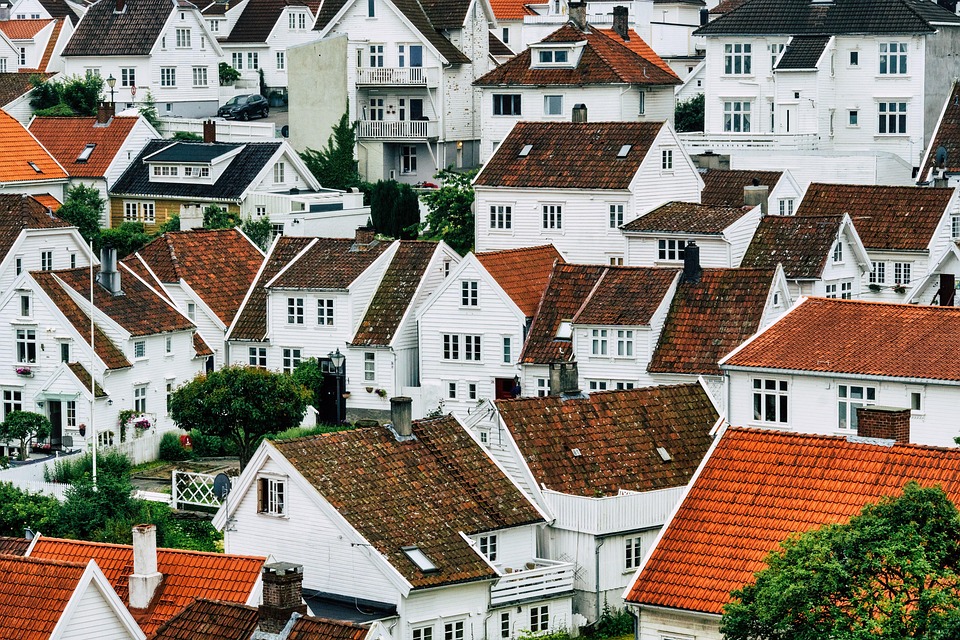
Rethinking Space with Modern House Plans for Kenyan Families

Post

Rethinking Space with Modern House Plans for Kenyan Families

Building a home is one of the most important investments for Kenyan families today. Whether in the bustling city of Nairobi or the serene landscapes of Kitale or Nyeri, the success of any home project begins with a plan — quite literally. The demand for modern house plans for Kenyan families is growing, and more people are asking: what works best in urban versus rural settings? From space optimization to natural lighting, from compound size to cost efficiency, there’s a sharp contrast in needs that your house plan must address.

Understanding the Family Dynamic

Kenyan families often have multi-generational setups. This means house plans need to accommodate not only nuclear families but also grandparents, visiting relatives, and even household staff. Urban planning focuses more on privacy and compact space due to limited plots, while rural setups emphasize openness and expansion potential.

Urban House Plans: Built for Space Efficiency

In urban areas like Nairobi, Mombasa, Kisumu, and Nakuru, land is expensive and often sold in eighth-acre or quarter-acre plots. This calls for vertical planning:

1. Maisonettes and Apartments

  • These are popular because they maximize limited land space by going upwards.
  • A standard 3-bedroom maisonette in Nairobi’s satellite towns (like Ruaka or Syokimau) requires as little as 40×80 plot size.
  • Open-plan living and kitchen areas are preferred for creating an illusion of space.
  • Parking, perimeter fencing, and rooftop solar integration are common additions.

2. Security and Modern Utility Considerations

  • Urban homes must include provisions for CCTV wiring, electric fencing, and smart home automation (lights, locks, alarms).
  • Water tanks, borehole access, and waste management systems must be factored into the plan due to municipal limitations.

3. Ventilation and Natural Lighting

  • Urban homes need carefully planned windows and skylights due to closely built surroundings.
  • Designs must comply with zoning regulations and approvals from NEMA and county governments.

Rural House Plans: Space, Comfort, and Flexibility

For rural settings, house plans can be more expansive and customized without the pressure of land scarcity. Counties like Trans Nzoia, Meru, Kericho, and parts of Western Kenya offer larger plots affordably — often a half-acre or more.

1. Bungalows and Courtyard Homes

  • These are common in rural areas, offering large verandahs, detached kitchens, and external bathrooms for visitors or hired help.
  • Inner courtyards allow for privacy while maintaining connection between rooms.

2. Outdoor Amenities

  • Gardens, livestock sheds, and even greenhouses can be integrated into plans.
  • Rainwater harvesting and septic tank systems are usually a must in these areas.
  • Space for future expansion (e.g., rental units or additional family houses) is often considered from the outset.

3. Local Climate Considerations

  • In hot, dry areas like Kajiado or Garissa, wide eaves and high ceilings help with heat regulation.
  • Cold highland areas may require fireplace designs or insulation in walls and floors.

Cost Comparison: Urban vs. Rural Builds

Feature/ItemUrban Home (Nairobi)Rural Home (Kitale)
Plot Size40×80 feet (0.074 acre)Half acre or more
Construction Cost per m²Ksh 45,000 – 60,000Ksh 35,000 – 50,000
Common DesignMaisonette or ApartmentBungalow / Courtyard
Time to Build6–8 months4–6 months
Permits & Regulation ComplexityHigh (Zoning, NEMA, Nairobi County)Moderate to Low

Matching Lifestyle to Layout

Urban living requires proximity to schools, hospitals, jobs, and transport hubs — making compact, modern plans more practical. Rural living allows for a slower pace, larger family engagement, and future development — meaning flexibility and comfort trump space-saving design.

Modern Kenyan families are also blending the two: building retirement homes in rural areas while living in compact apartments in the city. This duality has led to an increase in hybrid designs that can be adapted to both contexts with minor changes

Why the Right Plan Matters

Whether you’re building in the heart of Nairobi or the rolling hills of Nyandarua, choosing the right modern house plans for Kenyan families is more than an architectural decision — it’s a reflection of lifestyle, values, and long-term aspirations. Smart planning today means fewer regrets tomorrow. Understand your needs, consult local professionals, and invest in a design that works for your unique family and location.

Is Kylian Mbappé the Highest Paid Athlete in the World? A Look at 2025’s Top Sports Earners

Kylian Mbappé recently stunned the world with reports of his daily earnings—estimated at over KSh 91 million per day. With such astronomical figures, many ask: Is Mbappé the highest paid athlete in 2025? This article explores the world of elite sports salaries, comparing Mbappé’s income with other top earners across football, basketball, boxing, baseball, and American football.

Kylian Mbappé’s Massive Earnings

In 2025, Mbappé is said to be earning around $90 million annually from his contract and endorsements. That’s over:

  • $7.5 million per month
  • $1.73 million per week
  • $246,000 per day
    (Roughly KSh 91 million daily at current exchange rates)

This puts him among the highest-paid footballers in the world, especially after mega-offers from clubs like Al-Hilal and his subsequent move to Real Madrid.

Who Is the Highest Paid Athlete in 2025?

According to the latest Forbes 2025 Highest-Paid Athletes list, Cristiano Ronaldo takes the crown again:

RankAthleteSportTotal Earnings
1Cristiano RonaldoFootball$275 million
2Stephen CurryBasketball$156 million
3Tyson FuryBoxing$146 million
4Dak PrescottAmerican Football$137 million
5Lionel MessiFootball$135 million
6LeBron JamesBasketball$133.8 million
7Juan SotoBaseball$114 million
8Karim BenzemaFootball$104 million
9Shohei OhtaniBaseball$102.5 million
10Kevin DurantBasketball$101.4 million

(Source: Forbes 2025 Athlete Rankings)

Per-Day Comparisons

Let’s break it down by daily earnings:

AthleteAnnual IncomeDaily Earnings (USD)Daily in KSh (Approx.)
Cristiano Ronaldo$275 million$753,424KSh 111 million
Stephen Curry$156 million$427,397KSh 63 million
Tyson Fury$146 million$400,000KSh 59 million
Kylian Mbappé$90 million$246,575KSh 91 million

Ronaldo is the only athlete consistently earning more per day than Mbappé, especially due to lucrative sponsorships and commercial deals, including partnerships in Saudi Arabia.

Why Are Some Athletes Paid More?

Several factors influence athlete salaries:

  1. Commercial Value – Ronaldo and Messi have global brands.
  2. Contract Type – Some athletes get massive signing bonuses or profit shares.
  3. Media Rights – Sports like American football and baseball benefit from billion-dollar TV deals.
  4. Sponsorships – Players like LeBron James and Curry earn millions from Nike and Under Armour.

Mbappé’s earnings are driven largely by club salary, image rights, and personal brand—especially after Saudi clubs entered the transfer market aggressively in recent years.

Is Mbappé Set to Overtake Ronaldo?

With age on his side (Mbappé is just 26), marketing appeal, and performance consistency, he is poised to dominate athlete income rankings in the near future. However, he currently lags behind Cristiano Ronaldo, Stephen Curry, and Tyson Fury in total earnings.

While Kylian Mbappé may earn KSh 91 million per day, he is not the highest paid athlete in 2025. That title still belongs to Cristiano Ronaldo, whose total earnings dwarf all others. Still, Mbappé’s rise signals a shift in power—where youth, brand value, and smart contracts are redefining wealth in sports.

Has Russia Discovered a Cancer Vaccine in 2025? Here’s What You Need to Know

A Bold Claim That Shook the Medical World

In mid-2025, Russia made global headlines with a bold announcement: it had developed a personalized mRNA-based cancer vaccine and was preparing for clinical rollout by the end of the year. But has Russia really discovered a cancer vaccine—or are we witnessing a premature celebration?

This article breaks down what has been developed, how it works, the skepticism it faces, and what it means for global cancer care, including in regions like Kenya and Africa at large.

The Cancer Vaccine: What Russia Claims to Have Developed

The vaccine is being developed by the Gamaleya National Research Center, the same institute that created the Sputnik V COVID-19 vaccine.

Key Features:

  • Personalized mRNA Technology: Like modern COVID-19 vaccines, it uses mRNA to instruct the body’s immune system to attack cancer cells.
  • AI-Driven Personalization: Artificial intelligence analyzes a patient’s tumor genetics and designs a unique mRNA strand in hours.
  • Not Preventive, But Therapeutic: This vaccine is meant to treat existing cancers, not prevent cancer from occurring.

Read Also: A Guide to Jubilee Health Cover Plans, Payments & How to Apply Online

When Will It Be Available?

Estimated Timeline:

  • Clinical Trials: Phase 1 trials began in June 2025.
  • Rollout: The vaccine could be administered to real patients in Russia by October 2025, depending on regulatory approvals.
  • Cost: Initially estimated at around 300,000 rubles per patient (≈ KSh 560,000), though the Russian government plans to offer it free of charge to citizens.

What Cancer Types Does It Target?

So far, Russia has not disclosed specific cancer types being targeted. However, mRNA-based therapy is most promising for:

  • Melanoma (skin cancer)
  • Non-small cell lung cancer
  • Pancreatic cancer
  • Colorectal cancer

This lack of specificity has added to the global skepticism.

Global Scientific Reaction: Caution and Skepticism

While the medical potential is enormous, many researchers remain skeptical about the Russian vaccine due to:

  • Lack of peer-reviewed data
  • No transparency in clinical results
  • Absence of international collaboration
  • Overlapping claims with past announcements (e.g., Sputnik V released before full trials)

According to international health analysts, “Until results are published in peer-reviewed journals, the vaccine must be considered experimental.”

Trials and Safety Concerns

The Phase 1 clinical trial—named Enteromix—has enrolled 48 volunteers in Russia. It is still too early to evaluate:

  • Long-term immune response
  • Side effects or adverse reactions
  • Cross-cancer applicability

Researchers across Europe and North America have urged caution, emphasizing that no vaccine to date can “cure all cancers.”

What This Means for Kenya and African Healthcare Systems

If the Russian cancer vaccine proves effective and safe, it could:

  • Revolutionize cancer care in developing countries like Kenya
  • Offer affordable or government-subsidized alternatives to chemotherapy
  • Open doors for East African medical research collaboration

However, Kenya’s health institutions would need:

  • Access to transparent data
  • WHO or international health approval
  • Infrastructure to handle mRNA vaccine logistics (cold chain, AI processing, etc.)

Read Also: The Powerful Benefits of Garlic for a 50-Year-Old: A Natural Ally for Healthy Aging

Quick Facts Table

QuestionAnswer
Has Russia discovered a working cancer vaccine?❌ Not yet – still in clinical trials
What type of vaccine is it?Personalized mRNA-based therapeutic
Who developed it?Gamaleya National Research Center
When will it be available?Projected rollout by October 2025 (Russia only)
Is it free to patients?✅ Planned for free distribution in Russia
Is it globally available?❌ Not yet – no export plan confirmed
Are results published?❌ No – limited peer-reviewed data as of August 2025

A Hopeful Step, But Not a Cure Yet

To answer the main question: Has Russia discovered a cancer vaccine?
Not yet. Russia has developed a promising, personalized mRNA-based cancer treatment currently in early clinical trials. The claim is bold, the science is exciting—but proof is still pending.

For now, the world watches closely, waiting for data, safety trials, and independent validation before declaring victory over cancer.

how Al-Hilal can afford Mbappé

How Clubs Like Al-Hilal Can Afford to Pay Stars Like Mbappé: The Billion-Dollar Power Behind Saudi Footbal

The Football World’s Billion-Dollar Shock

In 2025, the football world was stunned when Al-Hilal, a Saudi Arabian club, signed Kylian Mbappé for a record-breaking salary reportedly exceeding €230 million per year (approx. KSh 33 billion). The question on everyone’s mind—from Nairobi to London to Madrid—was this: How can a Saudi club afford to pay that much?

This article explores the financial muscle behind Al-Hilal and similar Saudi clubs, revealing a strategic plan that goes far beyond football

1. The Public Investment Fund (PIF): The Financial Giant Behind Al-Hilal

At the heart of Saudi football’s financial transformation is the Public Investment Fund (PIF)—Saudi Arabia’s sovereign wealth fund with assets exceeding $700 billion.

  • In 2023, PIF took ownership of four major clubs: Al-Hilal, Al-Nassr, Al-Ahli, and Al-Ittihad.
  • These clubs now receive direct state-backed investments.
  • PIF is the same fund behind global deals like Newcastle United (UK), NEOM, and LIV Golf.

Through the PIF, Saudi Arabia has created an economic model where football is used as a national branding tool, not just a sport.

2. Vision 2030: Football as a Strategic National Project

Vision 2030 is Saudi Arabia’s long-term strategy to reduce dependency on oil and boost sectors like tourism, entertainment, and sports.

Under this plan:

  • Football is used to project soft power globally.
  • Hosting mega-events like the 2034 FIFA World Cup is a top priority.
  • Signing global icons like Mbappé, Ronaldo, and Neymar brings attention to Saudi Arabia as a modern, vibrant destination.

In short, players like Mbappé are part of a national investment strategy, not just football signings.

3. Unlimited Sponsorship from State-Owned Companies

Unlike European clubs bound by UEFA Financial Fair Play (FFP), Saudi clubs like Al-Hilal can access unlimited funding from state-owned corporations, including:

  • Saudi Aramco – World’s most valuable oil company.
  • STC (Saudi Telecom Company) – A top sponsor in the Saudi Pro League.
  • Riyadh Air and NEOM – Brands created to support tourism and global identity.

These sponsors inject hundreds of millions of dollars into clubs, making it easy to fund astronomical wages.

4. Oil Wealth and Economic Diversification

Saudi Arabia is one of the richest countries in the world, thanks to massive oil reserves. Now, that wealth is being used to:

  • Diversify its economy through sports investment
  • Showcase national pride and compete with the West
  • Develop domestic sports infrastructure and build regional influence

When Al-Hilal pays Mbappé over KSh 2.7 billion per month, it’s not just for goals—it’s for global visibility.

5. No Financial Fair Play (FFP) Rules = More Freedom to Spend

European clubs like Manchester United or PSG must comply with UEFA’s Financial Fair Play rules, which limit overspending.

But Saudi clubs don’t fall under these restrictions, giving them:

  • Unlimited wage offers
  • Massive transfer fees without sanctions
  • The ability to outbid top European giants

This gives Al-Hilal an edge when targeting players like Mbappé.

6. Building a Sports and Tourism Empire

Saudi Arabia isn’t just spending—it’s building.

  • New stadiums, training centers, and media platforms are in development.
  • The Saudi Pro League is being globally televised, attracting millions of viewers.
  • Sports tourism is set to become a multi-billion-dollar sector, targeting fans from Africa, Europe, and Asia.

For fans in Kenya and across East Africa, this means more visibility for Arab leagues—and potential regional partnerships.

Table: Key Financial Factors Behind Al-Hilal’s Power

FactorDescription
Public Investment Fund (PIF)Funds Al-Hilal with sovereign wealth assets
Vision 2030Government plan using football for global influence
Oil RevenueFunds massive player salaries and stadium projects
State-Owned SponsorsSTC, Aramco, NEOM fund deals and visibility
No FFP RestrictionsAllows spending beyond UEFA club rules
Sports Infrastructure GrowthInvestment in training, media, and fan experience

What This Means for Africa and Kenya

Kenyan players, agents, and clubs are watching closely. With the Saudi Pro League offering:

  • High wages
  • Professional facilities
  • Massive visibility

…we may see more East African players head to Saudi Arabia in the near future.

Meanwhile, Kenyan fans can now watch Mbappé not just in Champions League highlights, but in regional broadcasts of the Saudi Pro League.

Football as a National Strategy

The ability of Al-Hilal to sign players like Kylian Mbappé for over KSh 33 billion per year is not a fluke—it’s a well-funded, long-term strategic plan backed by state wealth, oil revenues, and soft power diplomacy.

In the 2025 football economy, the game is bigger than just goals—it’s about influence, identity, and investment. And Saudi Arabia is playing to win.

Highest-Paid Footballers in 2025

Top 10 Highest-Paid Footballers in 2025: Who’s Making the Most Money This Season?

The Money Behind the Beautiful Game

As global demand for elite football continues to soar, so do the paychecks of its brightest stars. From eye-watering wages to multimillion-dollar endorsement deals, the world’s top players are more than just athletes—they are global brands. In this report, we take a close look at the highest-paid footballers in 2025, examining their club contracts, off-field earnings, and the business empires they’ve built.

This ranking reflects total earnings (salary + endorsements) from May 2024 to May 2025.

1. Kylian Mbappé – €230 Million (Saudi Pro League / Al-Hilal)

Mbappé shocked the world in 2024 by signing with Al-Hilal in Saudi Arabia. His annual salary tops €180 million, with the rest coming from endorsements with brands like Nike and Hublot. As the highest-paid footballer in 2025, his earnings represent a seismic shift in football’s financial landscape.

2. Cristiano Ronaldo – €200 Million (Al-Nassr, Saudi Arabia)

Still a marketing juggernaut at 40, Ronaldo’s Saudi contract remains one of the most lucrative. Despite being in the twilight of his playing career, his brand endorsements (Nike, Herbalife, CR7) generate over €60 million annually.

3. Lionel Messi – €135 Million (Inter Miami, USA)

Messi continues to shine in the MLS, with huge paychecks from Apple TV revenue sharing, Adidas, and equity in Inter Miami. His income from football and commercial ventures makes him one of the richest football players in 2025.

4. Erling Haaland – €130 Million (Manchester City, UK)

With record-breaking goal stats and global appeal, Haaland earns over €50 million in endorsements alone. His salary with Man City was renegotiated after the 2024 Champions League win, pushing him higher on this year’s top football salaries 2025 list.

5. Neymar Jr. – €112 Million (Al-Hilal, Saudi Arabia)

Though injury-plagued, Neymar’s Saudi contract and brand partnerships (Puma, Red Bull) keep him among the top earners in football 2025. Off-field ventures, including his NFT and fashion line, supplement his club salary.

6. Karim Benzema – €106 Million (Al-Ittihad, Saudi Arabia)

The 2022 Ballon d’Or winner remains a top-paid figure in the Saudi league. His image rights and advertising deals keep him among the highest-paid footballers in 2025 even as he nears the end of his career.

7. Mohamed Salah – €95 Million (Liverpool FC, UK)

Salah continues to be a marketing asset for brands targeting Middle Eastern and African markets. His Liverpool salary is boosted by endorsement deals with Adidas, Pepsi, and Vodafone Egypt.

8. Robert Lewandowski – €78 Million (Barcelona, Spain)

Lewandowski remains a key figure in La Liga and commands high wages at Barcelona. His Polish and European sponsorships (Huawei, T-Mobile, Gillette) keep his earnings high.

9. Kevin De Bruyne – €70 Million (Manchester City, UK)

De Bruyne’s creative midfield dominance translates to consistent club wages and solid endorsement partnerships with Nike, EA Sports, and Belgian brands. His renewed contract in 2025 includes performance-linked bonuses.

10. Vinícius Jr. – €68 Million (Real Madrid, Spain)

As Real Madrid’s golden boy and a face of the next generation, Vinícius commands significant earnings from Nike, Red Bull, and Beats. His star power in South America and Europe ensures commercial success.

Comparison Table: Top 10 Highest-Paid Footballers in 2025

RankPlayerClubSalary (€ Million)Endorsements (€ Million)Total (€ Million)
1Kylian MbappéAl-Hilal (Saudi Arabia)18050230
2Cristiano RonaldoAl-Nassr (Saudi Arabia)14060200
3Lionel MessiInter Miami (USA)8550135
4Erling HaalandMan City (UK)8050130
5Neymar Jr.Al-Hilal (Saudi Arabia)7042112
6Karim BenzemaAl-Ittihad (Saudi Arabia)8026106
7Mohamed SalahLiverpool FC (UK)603595
8Robert LewandowskiBarcelona (Spain)502878
9Kevin De BruyneMan City (UK)452570
10Vinícius Jr.Real Madrid (Spain)402868

Africa’s Viewpoint: What This Means for Young Kenyan Footballers

For aspiring footballers in Kenya and other African nations, the staggering incomes of these athletes are both inspiring and eye-opening. The path to becoming one of the highest-paid footballers in 2025 is not easy—but it starts with talent development, discipline, and international exposure. With more African players breaking into top leagues, the dream is slowly becoming more attainable.

Clubs in Kenya such as Gor Mahia, Tusker, and AFC Leopards are starting to invest more in youth systems—indicating a growing ambition to produce homegrown talent that could one day join this elite global list.

The Riches of Football Keep Growing

The top football salaries in 2025 highlight how football has evolved into a multi-billion-euro ecosystem where players aren’t just stars on the pitch—they’re global influencers and businessmen. While Saudi Arabia and the United States are disrupting the traditional European dominance in wages, the commercial pull of elite footballers continues to reshape the game globally.

As we look ahead, younger players like Jude Bellingham, Gavi, and Endrick could soon join the ranks of the highest-paid footballers in the world. One thing’s for sure: the stakes—and salaries—are only getting bigger.

Why Are Kenyan University Graduates Still Unemployed? Employers Speak Out

Kenya’s universities churn out over 80,000 graduates annually, yet a growing number of degree holders remain jobless — or trapped in unrelated, low-paying gigs. From the streets of Nairobi to county towns like Eldoret and Kisumu, stories abound of graduates turned hawkers, Uber drivers, or online hustlers.

Why are thousands of young Kenyans who followed the traditional “study hard, get a degree, and get a job” path still locked out of formal employment? The answer, according to employers, experts, and jobseekers, lies in a trio of challenges: skills mismatch, course saturation, and TVET stigma.

The Reality Check: A Degree, But No Job

In a 2024 survey by the Federation of Kenya Employers (FKE), only 28% of employers said they were satisfied with the skills of recent university graduates.

“We’re seeing applicants who hold papers but lack practical problem-solving, teamwork, or digital skills,” said an HR director at a major insurance firm in Nairobi.

Even in sectors like banking, law, and journalism — once considered prestigious — entry-level jobs are rare and competitive. Many companies now prioritize multi-skilled, adaptable employees, often picking diploma or certificate holders with hands-on experience over theory-rich graduates.

Read Also: How KNEC’s New Training Centre Is Transforming National Exams in Kenya

Skills Mismatch: What Employers Want vs. What Students Learn

Employers consistently cite a disconnect between university curricula and real-world industry demands. While students emerge with academic knowledge, they often lack:

  • Digital literacy tools (e.g., Excel, Canva, data analytics)
  • Workplace etiquette and communication
  • Entrepreneurial mindset
  • Hands-on industry exposure

Ironically, many students spend four years writing research papers but graduate without ever handling industry-standard tools or doing practical internships.

“Our universities are teaching for exams, not for impact,” notes Professor Muriithi, a curriculum development expert at the University of Nairobi.

Oversupply in Arts and Business Courses

For years, courses like Business Administration, Communication, Criminology, and Sociology have drawn high student enrolment — partly due to low entry requirements and perceived prestige. However, the job market is oversaturated with such graduates.

In 2023, the Commission for University Education (CUE) reported that over 60% of undergraduates were enrolled in arts and business disciplines, while fewer than 10% were pursuing science, technology, or vocational-based courses.

“There are too many graduates chasing too few opportunities. We can’t absorb everyone with a BCom or BA in Sociology,” admits a recruitment manager at a Nairobi-based logistics firm.

The TVET Alternative: Gaining Ground Slowly

While university degrees remain the gold standard in many Kenyan households, Technical and Vocational Education and Training (TVET) colleges are quietly producing graduates with better job prospects.

Plumbers, electricians, solar technicians, welders, and ICT specialists from institutions like Kabete Polytechnic or Kenya School of TVET are in growing demand — both locally and abroad.

The 2025 National Manpower Survey shows that TVET graduates have a 63% higher job placement rate within the first year compared to university degree holders.

Yet stigma remains. Many parents still see TVET as a fallback for KCSE “failures,” rather than a viable career path.

“If I told my parents I want to do plumbing after scoring a B, they’d think I’m mad,” says Brian Otieno, a 19-year-old student from Kisumu.

Employers Want More Than Just Degrees

In the digital age, employers are increasingly hiring based on skills, portfolios, and character traits — not just academic transcripts.

A representative from an international NGO noted:

“We hired a diploma holder who taught themselves video editing and data analysis on YouTube — and they outperformed two degree interns.”

Platforms like LinkedIn, Upwork, and even TikTok now reward talent and creativity over traditional qualifications. Some recruiters even review online content and digital presence before calling for interviews.

Time for Mindset Shift — For Universities and Graduates

It’s clear that the old formula of university = guaranteed job no longer holds. To reverse the trend of graduate unemployment, stakeholders must act:

  • Universities must update curricula to include digital, entrepreneurial, and soft skills.
  • Internships must be mandatory, structured, and closely linked with industries.
  • Career guidance must be revamped to highlight viable non-degree career paths.
  • Parents and students must challenge the degree obsession, and embrace diverse routes to success.

Degree or Skill — What Really Counts?

Kenya doesn’t have a job shortage — it has a skills mismatch problem. Graduates who can’t code, communicate, think critically, or adapt will struggle — even with impressive papers.

The new economy rewards those who can do, not just those who can explain. Whether through university, TVET, or self-taught skills, the future belongs to problem solvers, not just certificate holders.

Are Our Names Dying? Why Gen Z Is Ditching African Names for Foreign Ones

In Kenya’s rapidly evolving identity landscape, names have become more than personal labels — they are reflections of aspiration, rebellion, cultural affiliation, and sometimes, denial. As Generation Z — born roughly between 1997 and 2012 — comes of age, a silent cultural shift is underway. Many young Kenyans are abandoning traditional African names in favor of Western-sounding alternatives, raising concerns about cultural erosion, social belonging, and the future of indigenous identity.

💬 “Just Call Me Jayden”

At a university in Nairobi, 22-year-old Kevin Omondi insists on being called Jayden. “It just sounds cooler. Omondi makes people ask where I’m from. Jayden is clean, neutral — and global,” he shrugs.

He is not alone. A stroll through social media handles reveals a flood of Gen Z Kenyans branding themselves as Ashley, Trevor, Zayne, or Vanessa — even when their ID cards bear names like Wanjiku, Kiprotich, or Atieno.

This naming shift is not merely stylistic. It reflects deeper tensions: between local and global identity, tradition and modernity, pride and perceived embarrassment

Disappearing Identity?

Historically, African names carried meaning — often derived from birth order, seasons, nature, clan roles, or spiritual beliefs. For instance:

  • Makau (Kamba) means War-time
  • Nyambura (Kikuyu) is tied to the rainy season
  • Wanyonyi (Bukusu) Weeds

But today, these names are often buried under layers of colonial hangovers, social pressure, and a media environment that champions Eurocentric standards.

Dr. Grace Mugambi, a linguist at Kenyatta University, observes:

“When names lose their prestige, identity follows. The abandonment of African names by youth is a cultural alarm bell.”

The Globalization Effect

One of the major drivers of this shift is globalization. Gen Z is growing up in a world where:

  • Job recruiters prefer ‘pronounceable’ names.
  • YouTubers and TikTokers with foreign-sounding names dominate follower counts.
  • Western pop culture paints “African” as exotic or backward.

An HR manager in Nairobi, speaking off the record, admitted:

“Some resumes with names like Achieng or Barasa are unfairly stereotyped, especially when applying to international organizations. It shouldn’t happen — but it does.”

As a result, young people preempt the bias — anglicizing their names or using abbreviations to blend in.

Shame, Class, and Name Policing

For some, African names signal rural roots, tribal identity, or poverty. In an era where polished English, curated Instagram feeds, and accent mimicry are seen as success markers, traditional names feel like a burden.

This internalized bias starts early. Many Gen Z children grow up being told to use their “Christian name” in school while their ethnic name remains buried in the birth certificate.

“My parents gave me a Kikuyu name, but teachers always pronounced it wrong or laughed. I eventually dropped it,” shares Michelle Njeri (now just “Michelle” online).

The result? A generation that views indigenous names as either irrelevant, embarrassing, or optional.

But There’s a Counter-Movement

Interestingly, even as African names fade in urban spaces, a growing Afrocentric revival is emerging among some circles of Gen Z.

In fashion, music, and literature, there’s a renewed embrace of African culture. Some youths are reclaiming their identity by reverting to their full names or proudly using traditional monikers in digital spaces.

Platforms like TikTok feature creators with names like Biko Kimani, Shantel Wairimu, and Lwanda Ochieng, showcasing African culture unapologetically.

Initiatives such as the #SayMyName campaign also challenge people to pronounce and respect ethnic names without anglicizing them.

What Names Really Carry

Names are not just convenient tags. They encode history, values, family legacies, and community belonging. Losing them means disconnecting from ancestral memory.

For example:

  • Auma among the Luo signifies “one born with the back first.”
  • Kipchirchir among the Kalenjin indicates one born quickly, in the early morning.
  • Wafula (Bukusu/Luhya) refers to one born during the rainy season.

These are not arbitrary. They’re cultural timestamps, testimonies of who we are and where we come from.

So, Are Our Names Dying?

Not entirely — but they are under siege. The pull of global conformity is strong, but so is the pushback from cultural guardians, creatives, and educators.

To preserve African identity in a modern world, the naming system must evolve without erasure. Young people can still be global citizens — fluent in tech, art, and commerce — without shedding their roots.

Educators and parents have a critical role to play in normalizing ethnic names, teaching their meanings, and instilling pride in their origin.

What’s in a Name?

In a world obsessed with brand and image, your name is your first badge of identity. For Kenya’s Gen Z, the question is not whether foreign names are wrong — but whether African names deserve to disappear just to feel accepted.

Perhaps the more powerful stance is this:
Be Jayden — but remember you’re also Omondi.
Be Tasha — but never forget you’re Wanjiku.

Women Embracing Seaweed Farming

What Kenyans Should Know Before Buying Land in Satellite Towns

As land prices soar in Nairobi’s central business district and major suburbs like Kilimani and Lavington become unaffordable to many, Kenyans are flocking to emerging satellite towns such as Kamulu, Joska, and Kitengela. These areas, once dismissed as remote and underdeveloped, are now hotbeds of real estate speculation. But beneath the promise of affordability lies a complex web of risks and challenges that every prospective buyer must understand before investing.

The Allure of Satellite Towns

Satellite towns offer what Nairobi no longer can — relatively cheap land, minimal congestion, and hopes of a fresh start. For as little as KSh 400,000 to KSh 1.5 million, one can purchase an eighth of an acre in places like Kamulu or Joska. In Kitengela, prices are slightly higher but still appealing compared to Nairobi.

The arrival of infrastructure projects such as the dualling of Kangundo Road, increased water connectivity, and proximity to the Standard Gauge Railway have further increased interest in these zones.

However, while the deals sound attractive, a growing number of buyers are falling victim to fraud, poor planning, or bureaucratic delays.

Read Also: Boom or Bubble? Real Estate Speculation on Kangundo Road

Scams: The Rise of Phantom Plots

Land scams are rampant, especially in Joska and Kamulu, where “briefcase agents” and rogue land-buying companies trick buyers into purchasing non-existent or disputed properties.

In 2024 alone, the Ministry of Lands received over 2,500 complaints involving fraudulent land sales in Machakos and Kajiado counties. The scams take various forms:

  • Double allocation of the same plot to different buyers.
  • Use of forged title deeds.
  • Sale of riparian land or land owned by deceased individuals with pending succession disputes.

Buyers often trust the seller’s word or rely on site visits without verifying land status at the Lands Registry. In some cases, brokers collaborate with corrupt officials to create fake records, making it difficult to differentiate genuine plots from frauds.

“I was sold land in Kamulu only to later discover it belonged to a community church,” laments James Mburu, a victim who lost KSh 700,000 in 2023.

Title Deed Delays and Murky Paperwork

Even after purchasing genuine land, many buyers in Kitengela and Joska report years-long waits for title deeds. The delay is often blamed on:

  • Unprocessed mother titles by land-buying companies.
  • Lack of county approvals for subdivision.
  • Missing or non-existent mutation forms.
  • Disputes over land boundaries.

Without a title deed, landowners cannot develop, secure bank loans, or even resell their property legally.

In Kajiado County, the Lands Ministry revealed that only 48% of registered buyers had received title deeds as of June 2025 — leaving thousands in limbo.

Zoning and Planning Headaches

Another hidden problem lies in zoning regulations — or the lack thereof. In Joska and Kamulu, entire estates are being developed in areas not yet designated for residential use.

Some land parcels are earmarked for agricultural or commercial use, but are sold as residential plots without change-of-user applications. This results in:

  • Construction being halted by county authorities.
  • Disruption of utility services like electricity or water.
  • Ineligibility for NHIF- or SACCO-funded housing loans.

In Kitengela, rapid and unchecked development has led to encroachment into environmentally sensitive areas, sparking tension with Kenya Wildlife Service and NEMA.

What Every Buyer Must Do

Before buying land in any satellite town, experts recommend taking the following steps:

  1. Conduct an official land search at the Lands Registry (Ardhi House or county offices).
  2. Verify if the land has a clean title deed, not under a succession or legal dispute.
  3. Check zoning regulations with the County Physical Planning Department.
  4. Insist on survey maps, beacons, and site visits with a licensed surveyor.
  5. Work only with registered land-buying firms or agents and verify company registration with the Business Registration Service (BRS).
  6. Use a lawyer during the sale agreement and transfer process.

When “Cheap” Becomes Expensive

For many Kenyans, owning land is a dream. But when that dream is pursued blindly — driven by pressure from peers, social media ads, or false urgency from brokers — it can quickly turn into a nightmare.

The real estate gold rush in satellite towns isn’t inherently dangerous, but it is deeply under-regulated. Government agencies and county governments must step up to digitize records, crack down on fraud, and enforce zoning and environmental laws.

Buying land in Kamulu, Joska, or Kitengela may seem like a shortcut to homeownership — but it’s not a risk-free ride. The price may be affordable, but the legal due diligence, paperwork, and planning scrutiny are just as important as in any Nairobi estate.

Land is a long-term asset. Get it wrong, and you’ll be stuck in a maze of litigation, delayed construction, or even total loss. Get it right, and you’ll have secured not just a plot, but peace of mind.

Newsly KE
Privacy Overview

This website uses cookies so that we can provide you with the best user experience possible. Cookie information is stored in your browser and performs functions such as recognising you when you return to our website and helping our team to understand which sections of the website you find most interesting and useful. View our privacy policy and terms & conditions here.

×