
Israeli airstrike in Sanaa kills Houthi prime minister and senior ministers

Post

Israeli airstrike in Sanaa kills Houthi prime minister and senior ministers

Lede: An Israeli airstrike on Thursday, 28 August 2025, struck a gathering of Houthi officials in Yemen’s capital, Sanaa, killing the Houthi prime minister, Ahmad (Ahmed) Ghaleb al-Rahawi, and a number of senior ministers and aides. Houthi authorities and multiple international news agencies report roughly a dozen senior figures were killed; the strike triggered mass funerals, vows of revenge from Houthi leaders, a Houthi missile attack on an Israeli-owned tanker in the Red Sea, and the forcible detention of United Nations personnel by Houthi forces.

What happened — the strike and immediate confirmation

On Thursday, 28 August, fighter jets struck compounds in and around Sanaa where a large number of senior Houthi officials had reportedly gathered to watch a televised speech by movement leader Abdul-Malik al-Houthi. Israeli military and security sources said the operation deliberately targeted the group’s military and political leadership — including what Israeli officials described as the Houthi defence chief and other top figures — and described the strikes as the result of a complex intelligence-led operation. Houthi authorities later confirmed the death of their prime minister and said other senior ministers had been killed or wounded.

Israeli Defence Minister Israel Katz publicly hailed the attack as “a crushing blow,” saying in televised remarks the operation was only “the beginning” of efforts to degrade the group’s capability to strike Israeli interests. Israeli statements said the strikes were in retaliation for a steady campaign of Houthi missile and drone attacks and assaults on shipping in the Red Sea that have been ongoing since the Gaza war began in 2023.

Victims and casualty figures

  • Confirmed by Houthi authorities and reported by international outlets: Prime Minister Ahmad (Ahmed) Ghaleb al-Rahawi was killed. Houthi statements and on-the-ground reporting say several ministers — including those responsible for energy, foreign affairs and information — also died. Some reporting places the death toll among senior officials at about 12 (the prime minister plus roughly 11 other senior figures), though initial accounts varied and some outlets used more cautious language (“several ministers”). A number of other people were wounded in the attack.
  • Why counts differ: In the immediate aftermath of strikes in conflict zones, casualty tallies and identifications are commonly revised as emergency services, movement authorities and independent reporters gain access; Houthi authorities released names of some of the dead while other confirmations are still being cross-checked by independent agencies. Reuters and AP both reported the prime minister’s death and multiple senior casualties; Reuters’s coverage of the subsequent funeral gave the figure of 12 senior officials killed.

The funeral, public reaction and Houthi leadership response

A mass funeral was held in Sanaa at one of the city’s major mosques (reported as Al-Saleh / Al-Shaab in different dispatches). Thousands attended; mourners chanted slogans denouncing Israel and the United States and pledged retaliation. The Houthi Supreme Political Council and senior leaders publicly vowed revenge and warned foreign and Israeli-linked commercial interests to leave. Deputy prime minister Mohammed (Muhammad) Miftah (named by the Houthi authorities) has been assigned to carry out prime ministerial duties.

Houthi Supreme Political Council head Mehdi (Mahdi) al-Mashat issued video statements and other Houthi spokespeople made public pledges that the movement would continue — and even intensify — attacks on Israeli targets in solidarity with Palestinians in Gaza. Analysts quoted in the regional press say the targeting of senior leadership represents an escalation in Israel’s campaign against the Iran-aligned group.

Retaliation at sea and security consequences

Within days of the strike the Houthis announced and carried out a missile attack on an Israeli-owned tanker, the Scarlet Ray, in the Red Sea near Saudi waters. Shipping managers said the Liberian-flagged vessel was not damaged and the crew were safe, while maritime authorities reported the missile missed its target. The Houthis framed maritime attacks as part of their declared solidarity campaign with Palestinians and as retaliation for strikes on Houthi-held areas. The episode has renewed concerns about commercial shipping safety in the Red Sea and the Gulf of Aden — a corridor that handles vast volumes of global trade.

Israel said it was preparing for possible retaliatory strikes and boosted security measures at home and around senior Israeli officials, while international shipping insurers and commercial operators are expected to reassess transits through the southern Red Sea.

Detention of UN staff and humanitarian impact

In a separate but related escalation, Houthi forces raided United Nations premises in Sanaa and the port city of Hodeidah on 31 August 2025, detaining at least 11 U.N. personnel and seizing U.N. property, according to UN statements and Reuters/AP reporting. U.N. Secretary-General António Guterres and the U.N. Special Envoy for Yemen, Hans Grundberg, strongly condemned the detentions and called for the immediate release of staff and for de-escalation. The raids further complicate an already perilous humanitarian picture in Yemen, where U.N. agencies deliver food, health and other lifesaving assistance to millions.

Humanitarian organizations warned that seizures of documents, detention of staff and constrained access will hamper relief operations in Houthi-held areas and could worsen civilian suffering. The UN’s public insistence on immediate release of detained staff reflects concern about the safety and independence of humanitarian workers in the field.

International reactions and diplomatic fallout

  • Israel: Israeli defence and military officials publicly framed the strikes as a necessary response to Houthi attacks on Israel and Israel-linked shipping. Defence Minister Israel Katz described the operation as “a crushing blow” and indicated more such operations could follow. Israeli military spokespeople said the aim was to degrade the Houthis’ ability to project force into the Red Sea and against Israel.
  • United Nations: The UN denounced the detention of its personnel and called for their immediate release; the UN Special Envoy for Yemen urged all parties to use diplomatic channels to prevent Yemen from becoming a wider battlefield.
  • Other governments: Many governments and regional actors were reported as watching the situation closely; some western capitals have publicly urged restraint and protection of civilians and aid workers. (Formal, detailed public statements from the full range of governments were still rolling out at the time of reporting.)

At the time of filing there was no publicly available, independently verifiable evidence that the United States directly participated in the Sanaa strikes; public reporting attributes the operation to Israeli forces and Israeli security sources. (Washington’s posture toward Houthi strikes on shipping and toward Israel more broadly has shifted repeatedly during 2025, including separate U.S. military actions earlier in the year.)

Context — why Sanaa and why now

Since the October 2023 Israel-Hamas war, Yemen’s Houthi movement (also known as Ansar Allah) — which controls large parts of northern Yemen and Sanaa — has launched an intermittent campaign of missile, drone and small-boat attacks on vessels it deems linked to Israel or Western interests in the Red Sea and Gulf of Aden. Those operations have periodically disrupted shipping, provoked U.S. and British strikes against Houthi military infrastructure, and drawn Israel into a pattern of tit-for-tat escalation. A U.S.-brokered pause with the Houthis in May 2025 addressed some attacks on commercial shipping but, crucially, did not bind the Houthis to refrain from actions aimed directly at Israel. In that environment, Israeli officials say they judged degradation of Houthi leadership to be a proportionate response aimed at stopping or deterring attacks on Israeli territory and shipping.

Near-term implications and what to watch

  • Further Houthi strikes on Israel-linked shipping or assets: The group has publicly vowed revenge and has operational capability (missiles, drones and maritime weapons) that it has used repeatedly against shipping. Monitoring of merchant vessels and insurers’ routing advisories will be important in the coming days.
  • Humanitarian access: Detentions and raids on U.N. premises could force further suspension of aid deliveries and imperil relief programs in a country already in humanitarian crisis. The UN is likely to press for immediate release of staff and secure access.
  • Regional escalation risk: The attack marks one of the most significant cross-border operations in the spillover from the Gaza war; responses from Iran-aligned actors, regional governments and non-state groups will be closely watched for signs of wider escalation.
  • Confirmation of casualties and identities: Independent verification of the full list of those killed may take time; expect Houthi releases and foreign checks to clarify numbers and names.

Key facts at a glance

ItemDetail
Date of strike28 August 2025 (Thursday).
LocationSanaa, Yemen (compounds where senior Houthi officials gathered).
Principal victimHouthi prime minister Ahmad/Ahmed Ghaleb al-Rahawi (killed).
Other senior casualtiesReports indicate roughly 12 senior Houthi officials killed (counts vary by report).
Immediate Houthi responseMissile attack on Israeli-owned tanker Scarlet Ray (no damage reported); vows of revenge and mass funeral processions.
UN / humanitarianHouthis raided UN offices and detained at least 11 UN staff; UN strongly condemned detentions.

The Israeli strike that killed Yemen’s Houthi prime minister and multiple senior officials represents one of the most consequential blows to the Houthis since the wider Israel–Hamas war began. It substantially raises the risk of a short-to-medium term escalation: more Houthi attacks on Israeli-linked shipping, tightened security and military posture by Israel and its partners, and deteriorating conditions for humanitarian operations inside Yemen after the detention of U.N. staff. Confirmation of the full casualty list, the fate of detained UN personnel, and the diplomatic reactions of major regional and global powers will determine whether this incident remains an acute localized escalation or becomes a broader regional crisis.


Ismail Azizi

The Man Who Defied Death — Six Times

In a remote corner of Tanzania, a man named Ismail Azizi continues to confound both medicine and the human spirit. Azizi has survived not once, but six seemingly fatal incidents — earning him a reputation both mysterious and tragic.

Six Miracles, One Man

Each time Azizi was pronounced dead, astonishingly, he returned to life:

  1. A workplace accident led him to be declared dead and placed in a morgue — only for him to awaken and walk out, his body cold to the touch. His family, understandably shaken, fled in terror, convinced they had encountered a ghost.
  2. A bout with malaria led to another death declaration during funeral preparations — yet again, Azizi revived.
  3. A car crash, a snakebite, a fall into a toilet pit, and even being burned by fearful neighbours, all resulted in what appeared to be his death. In one case, his body lay in a morgue for three full days before he stirred, sending mourners into disbelief.
  4. With each return, however miraculous, came tragedy — his community recoiled, whispers of witchcraft and supernatural curses followed, and even his own family distanced themselves. Azizi was ultimately labeled cursed or immortal, forced into a solitude he never asked for.

Isolation and Resilience

Shunned by those around him, Azizi now lives alone in a dilapidated dwelling. He sustains himself through modest farming, cooking, and cleaning — living proof of survival, yet burdened by fear and rejection. His return to life, once a miracle, now marks a life of loneliness. “People started treating me as if I were a witch,” he says, a simple line laden with profound sorrow

Western Kenya’s Proliferation of Prophets: Why “Weird” Churches Thrive Where Old Ones Fade

On any given Sunday in Bungoma, it’s not unusual to hear a preacher claim divine titles that would shock orthodox Christians. One man calls himself “Yesu wa Tongaren”, another—until his death—insisted he was God incarnate, known as Jehovah Wanyonyi. Decades earlier, Elijah Masinde founded Dini ya Musambwa, a faith mixing Christianity, prophecy, and anti-colonial protest.

To outsiders, these movements seem bizarre, even laughable. Yet they are not isolated spectacles. They are part of a wider surge of unconventional churches sweeping across Western Kenya, reshaping faith and community life in ways too large to ignore. Mainstream denominations—Catholic, Quaker, SDA—still exist in force, but their dominance is visibly contested.

The real question is: why here, and why now?

The Old Guard: Still Strong, But No Longer Alone

Western Kenya has historically been a religious stronghold.

  • Friends (Quakers): Arrived in 1902 through the Kaimosi mission. Today, Friends Church Kenya has about 146,000 members spread across 25 Yearly Meetings, most concentrated in Vihiga and Kakamega.
  • Catholics: The Catholic Diocese of Kakamega alone counts nearly 1 million adherents, making Catholicism one of the region’s strongest pillars.
  • Seventh-day Adventists (SDA): The West Kenya Union Conference reports ~602,000 baptized members as of mid-2024, with schools and hospitals reinforcing its reach.
  • Dini ya Musambwa: A home-grown faith, born in the 1940s, fusing prophecy with anti-colonial rebellion, remains symbolically powerful in Bungoma and Busia.

These institutions are not vanishing, but their share of the spiritual market is now contested by a swarm of charismatic and independent ministries—often controversial, sometimes flamboyant.

Bungoma’s “Messiahs” and the Rise of Unorthodox Prophets

  • A self-proclaimed Messiah from Tongaren, Bungoma, claiming he is the Christ returned. He enforces unique dress codes and has gained a social media following.
  • Arrested in 2023 on cultism and money-laundering suspicions but released for lack of evidence.

2. Jehovah Wanyonyi (Michael Mwaboyi)

  • Although he passed away in 2015, he left a lasting legacy. Wanyonyi proclaimed himself Almighty God, claimed to cure AIDS, and threatened Kenya if not paid billions. His cult—Lost Israelites of Kenya—persisted with around 1,000 followers.

3. Nabii Yohana (“John the Baptist” V)

  • Ronald Nakalila Wanyama claims to be the reincarnated John the Baptist. Based in Bungoma, he allegedly has dozens of wives (some accounts say 46) and hundreds of children (over 100), and even authored a 93-book “Bible.”

4. Prophetess Mary Sinaida Akatsa

  • From Vihiga, she founded the Jerusalem Church of Christ and made headlines predicting Jesus’ appearance; she’s known for disciplining congregants harshly (e.g., whipping latecomers).

5. Prophet Elijah Masinde (Dini ya Musambwa)

  • A historical figure from the 1940s–1960s, he founded Dini ya Musambwa, blending anti-colonial protest with prophecy. Though from decades past, his legacy still influences religious innovation in Bungoma.

6. Alfred Ndeta (“Mungu wa Kakamega”)

  • From Kakamega, he calls himself the “third God,” claims he descended from heaven, and says he never uses a toilet or bath. He’s reportedly building his own “heaven” on earth and sees others—including Yesu wa Tongaren and Jehovah Wanyonyi—as his escorts.

7. Judith Nafula (“Virgin Mary wa Busia”)

  • A woman from Busia who proclaims herself to be the Virgin Mary. Details are few, but she has generated local attention for these claims.

Summary Table

NameClaimRegionNotable Traits
Yesu wa TongarenJesus Christ reincarnateBungomaArrested and released; popular on social media
Jehovah WanyonyiAlmighty God, healer of AIDSUasin Gishu/BungomaDeceased (2015); cult persists
Nabii YohanaReincarnated John the BaptistBungomaMassive family; wrote own “Bible”
Mary Sinaida AkatsaProphetess, predicted Jesus’ arrivalVihigaKnown for strict discipline
Prophet Elijah MasindeFounder of Dini ya MusambwaBungoma (historic)Anti-colonial prophet; enduring local legacy
Alfred Ndeta (“Mungu wa Kakamega”)Self-styled “third God”KakamegaEerie claims; building “heaven” on earth
Judith Nafula (“Virgin Mary wa Busia”)Self-declared Virgin MaryBusiaHealing & miracle-oriented church

Context and Trends

These figures represent a longstanding pattern in Western Kenya of self-proclaimed prophets, prophets-with-claims of divinity, or prophets blending culture and Christianity. What makes this wave distinct is its spread across several counties and amplification via social media and local notoriety.

To dismiss these movements as mere eccentricities is to miss the deeper forces driving them. Bungoma’s prophets embody a region-wide trend: the proliferation of independent churches and sects that thrive outside traditional Christianity.

Why Western Kenya Breeds New Churches

1. A Long Tradition of Religious Experimentation

Western Kenya has always been fertile ground for spiritual innovation. The early 20th century saw the birth of Legio Maria, African Israel Church Nineveh (AINC), Roho Israel, Nomiya Church and others. These groups emerged from dissatisfaction with missionary dominance, mixing local culture with Christianity. Today’s prophets simply continue that legacy, updating it for the age of smartphones.

2. Poverty and Economic Anxiety

According to the Kenya National Bureau of Statistics, counties in Western post poverty rates of 30–40%, higher than the national average. Land fragmentation, joblessness, and the high cost of living leave many searching for hope. In such conditions, a preacher promising miraculous healing or sudden financial “breakthroughs” becomes a powerful magnet.

3. High Trust in Clergy, Low Trust in Institutions

Kenya’s Afrobarometer (2022) found 43.7% of citizens trust religious leaders “a lot”, compared to far lower confidence in politicians or local councils. This makes clergy uniquely influential. At the same time, widespread disillusionment with healthcare, jobs, and governance creates a vacuum. Prophets step into that vacuum with bold claims.

4. The Digital Megaphone

By late 2024, Kenya’s smartphone penetration stood at 72.6%. In Bungoma, even a small church can livestream to thousands via Facebook Live or TikTok. The stranger the claim, the faster it spreads. “Yesu wa Tongaren” became a household name not because of his congregation’s size but because of viral video clips.

5. Weak Oversight

Kenya has over 40,000 registered religious societies, part of a universe of 100,000 registered organizations. Regulation is thin. After the 2023 Shakahola tragedy, tighter oversight was proposed, but reforms remain stuck in debate. In this lax environment, anyone with charisma and a microphone can start a church.

6. Politics and Patronage

Kenyan politicians frequently grace pulpits during campaigns, using churches as platforms for mobilization. Even fringe outfits gain legitimacy when elected leaders attend their harambees. This intertwining of politics and faith fuels the mushrooming of sects.

7. Cultural Resonance of Spirit Beliefs

Among Luhya communities, belief in witchcraft, curses, and spiritual warfare is deeply embedded. Churches that offer rituals against misfortune—be it prayers, exorcisms, or prophetic healings—speak directly to these anxieties. Mainstream denominations, which often avoid these themes, lose ground to groups that dramatize them.

Impacts: How the New Sects Reshape Life

Community and Welfare

Independent churches often double as welfare nets, organizing funeral funds, youth fellowships, and even rotating savings groups. In places where state safety nets are thin, they provide social support that mainstream churches, with their heavy bureaucracies, can be slower to deliver.

Politics

From campaign rallies to Sunday harambees, sects provide ready-made crowds and loyalty blocs. Politicians know this, which is why they routinely show up—even at controversial gatherings.

Economy

Churches are mini-industries. Crusades and services hire boda bodas, sound systems, tent suppliers, and food vendors. Digital tithing through M-Pesa has normalized giving small amounts frequently, providing a steady cash flow.

Youth and Gender

For young people and women, sects often provide leadership opportunities unavailable in hierarchical mainstream churches. From choir leadership to prophecy, fringe movements offer platforms that feel empowering, even if sometimes exploitative.

Risks

The dangers are real: financial exploitation through endless “seed offerings,” discouragement from hospital care in favor of “faith healing,” authoritarian control by charismatic leaders, and even violent confrontations over land or succession.

Why Traditional Churches Seem to Wane

Despite their large numbers, mainstream churches are losing visibility. Why?

  • Rigid structures: Decision-making is slow, innovation limited. Small sects pivot overnight with new programs, livestreams, or youth-friendly services.
  • Abstract messaging: A Catholic homily on virtue may not resonate with someone battling witchcraft fears or unemployment. Prophets who “speak fire” to everyday problems sound more relevant.
  • Participation gap: In big churches, members often sit as passive congregants. In sects, newcomers can quickly become choir members, ushers, or online evangelists—an active role that is emotionally rewarding.

By the Numbers (Kenya-wide)

IndicatorValueSource
Christians in Kenya85.5% of populationKNBS 2019
Registered religious societies~40,000 (out of 100,000 societies)Parliament Brief 2023
SDA members, West Kenya Union~602,000SDA Union 2024
Quaker members (Friends Church Kenya)~146,000Friends Church 2024
Smartphone penetration72.6% (Sept 2024)Communications Authority
Trust “a lot” in clergy43.7%Afrobarometer 2022
Poverty headcount, Western counties30–40%KIHBS 2015/16

Bungoma as Case Study

  • Bungoma: Home to “Yesu wa Tongaren” and “Jehovah Wanyonyi,” now shorthand for eccentric prophets. Media amplifies their reach.
  • Vihiga & Kakamega: Quaker and SDA strongholds, but also dotted with Roho and AINC churches. A crowded faith marketplace.
  • Busia/Nyanza Border: Visible Legio Maria processions and shrines keep public religion alive in striking forms.

What the Future Holds

  1. Regulation Battles: The state is under pressure to tighten oversight without violating religious freedom. Expect heated debates.
  2. Always-On Church: With cheap data, fringe prophets will continue livestreaming, creating “24/7” virtual churches.
  3. Hybridization: Mainstream churches are slowly adapting—SDA choirs on TikTok, Catholic charismatic rallies, Quaker youth fellowships with contemporary music. The line between “proper” and “sect” is blurring.

Why Bungoma Keeps Producing “Messiahs”

Bungoma’s unorthodox prophets are not mere curiosities. They are the product of real social, economic, and cultural pressures. Poverty, weak institutions, cultural spirituality, and digital megaphones have made Western Kenya a laboratory for religious innovation—sometimes inspiring, often dangerous.

Mainstream churches may appear to wane, but the truth is more complex: they are being outpaced by nimbler, bolder, and more controversial movements. Unless the deep drivers—poverty, disillusionment, lack of relevant pastoral care—are addressed, the next “Yesu wa Tongaren” is not just likely. He is inevitable.

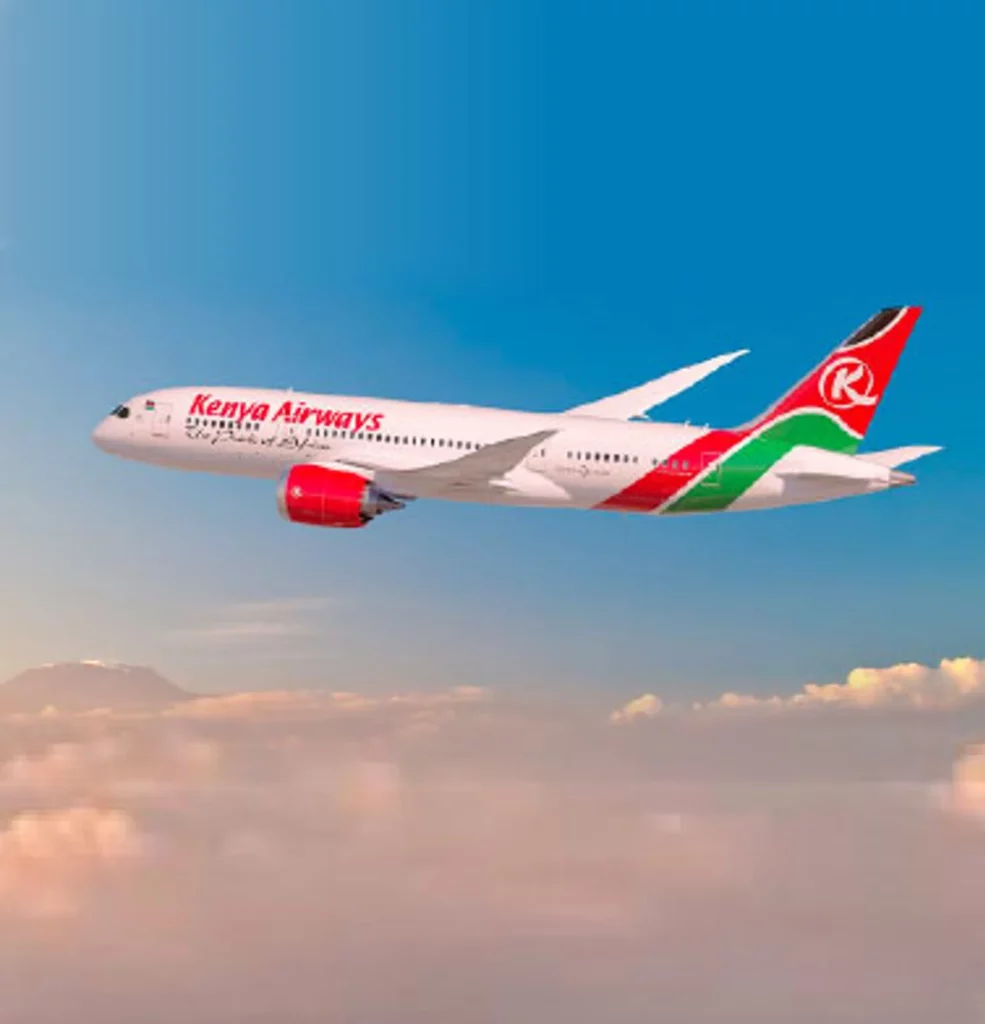
Why Kenya Airways’ Profits Have Crashed Back to Earth

Kenya Airways (KQ), long regarded as the Pride of Africa, has once again slipped into turbulence. After posting a promising profit in 2023—the first in more than a decade—the airline has now recorded a steep half-year loss. What went wrong, and can the flag carrier regain altitude?

From Profit to Loss in Just a Year

In the first half of 2025, Kenya Airways posted a net loss of KSh 12.15 billion, a sharp contrast to the KSh 513 million profit it made during the same period in 2024. The turnaround is especially disappointing given that the airline celebrated a full-year profit of KSh 5.4 billion in 2023, raising hopes of a sustainable recovery.

Aircraft Grounding Hits Operations

The main culprit behind KQ’s financial woes is aircraft unavailability. Three of its nine Boeing 787-8 Dreamliners were grounded due to engine shortages and global supply chain delays. With a third of its long-haul fleet stuck on the ground, the airline’s capacity to meet demand shrank dramatically.

This translated into a 19% revenue drop, from KSh 91.49 billion in 2024 to KSh 74.5 billion in 2025. While costs also fell by about 10.5%, the reduction was not enough to cushion the blow from lost revenue.

Passengers and Cargo Take a Hit

The grounding had a ripple effect on passengers and cargo alike.

  • Passenger numbers fell by 14%, leaving many routes under strain.
  • Cargo volumes declined by 8%, affecting the airline’s freight operations.

Customers felt the pinch through delays and cancellations. According to CEO Allan Kilavuka, the airline’s tight scheduling means that even a small disruption can snowball into wider operational headaches.

The Cost of Keeping Planes in the Sky

Behind the scenes, KQ is grappling with the rising cost of aircraft maintenance. An engine overhaul can now take over 120 days, up from a few weeks, thanks to supply chain bottlenecks and global demand pressures. Worse still, the cost of a single overhaul is about US $15 million (KSh 2 billion)—a bill the airline is struggling to meet consistently.

Looking Ahead: Recovery Plans

Not all is doom and gloom. In July 2025, one of the grounded Dreamliners returned to service, with the other two expected back by the end of the year. The airline is also working to raise at least US $500 million (KSh 64.5 billion) in fresh capital from shareholders to shore up its financial health.

Kilavuka insists the loss is temporary, pointing out that aviation is a cyclical industry. With African travel demand steadily rising, KQ hopes to ride the wave once its fleet is fully restored.

A Test of Resilience

Kenya Airways finds itself back on shaky ground, but this is not new territory for the airline. Its latest setback is a reminder that success in aviation depends not only on passenger numbers but also on operational efficiency and fleet readiness.

If KQ can get its grounded aircraft back in the skies and secure much-needed investment, the Pride of Africa may yet soar again. For now, however, the airline—and its loyal customers—must endure some turbulence before smoother skies return.

controversial religious leaders

Why Western Kenya Keeps Producing Unorthodox Prophets and “Weird” Churches

Bungoma has in recent years become a kind of epicenter for controversial religious leaders. From the late Jehovah Wanyonyi, who proclaimed himself God, to the current Yesu wa Tongaren, who claims to be Jesus Christ reincarnated, the region has a track record of producing religious figures who push theology into uncharted—and often unsettling—territory. But why here, and why now?

1. A Deep Tradition of Religious Experimentation

Western Kenya has long been fertile ground for alternative religious movements. Dini ya Musambwa, founded by Elijah Masinde in the 1940s in Bungoma, fused anti-colonial struggle with prophecy and traditional practices. It wasn’t just a religion but also a resistance movement against colonial and missionary control.

That legacy of blending faith with politics and culture created a precedent: new prophets could emerge, reinterpret Christianity, and win loyal followings by speaking directly to people’s lived struggles.

2. Economic Hardship Breeds Spiritual Hunger

Counties in Western Kenya consistently post poverty rates of 30–40% according to national surveys. Joblessness, land pressure, and the high cost of living make people vulnerable to leaders who promise miraculous solutions—whether instant wealth, healing, or divine protection.

For a struggling family, a prophet who claims to cure illness without expensive hospital bills or who promises “breakthroughs” feels more relevant than a traditional church sermon on abstract doctrine.

3. High Trust in Clergy vs. Distrust of Institutions

Kenya’s Afrobarometer survey shows that over 40% of Kenyans trust religious leaders “a lot”, more than they trust politicians or even local councils. That trust gives religious figures enormous influence. At the same time, disappointment with state services—poor healthcare, unemployment, corruption—creates a vacuum. Into that vacuum step prophets with big promises.

4. Bungoma’s Media Effect

What makes Bungoma stand out is not just that prophets emerge there—it’s that they go viral. The story of “Yesu wa Tongaren” became national news because of the spectacle and because social media amplified his claims. Smartphones are now in over 70% of Kenyan households, meaning a fringe preacher can reach a national audience overnight.

The more unusual the claim—calling oneself Jesus, claiming to heal HIV, predicting doomsday—the faster it spreads. In a media economy that rewards shock value, Bungoma’s prophets have learned how to capture attention.

5. Politics and Pulpits Intertwined

Western politics has long leaned on religious networks for mobilization. Leaders attend church fundraisers and court pastors for endorsements. That legitimizes even small or fringe groups: once politicians are photographed with a controversial prophet, the figure gains visibility and credibility among followers.

6. Cultural Resonance of Spirit Belief

Among Luhya communities in particular, belief in curses, witchcraft, and spiritual warfare remains influential. Prophets who dramatize healing, exorcism, or the power to neutralize curses speak to a very real cultural concern. That makes their message more compelling than structured denominations that avoid those themes.

7. Weak Regulation and Proliferation

Kenya currently has tens of thousands of registered religious societies, but oversight is minimal. Anyone can start a church with little more than paperwork. After the 2023 Shakahola tragedy, the state promised tighter regulation, but reforms remain slow and contested. In that gap, new outfits mushroom unchecked.

What This Means

The rise of unorthodox sects in Bungoma is not random. It reflects a perfect storm of poverty, cultural beliefs, weak regulation, political opportunism, and a long regional tradition of religious creativity.

But it also poses risks: exploitation of vulnerable people, discouragement from medical care, and potential for cult-like control. The challenge for both government and mainstream churches is not just to clamp down but to understand why these movements thrive—and to offer communities credible, practical alternatives.

Western Kenya isn’t simply producing “weird” prophets; it is producing answers—however questionable—to real spiritual and social needs that mainstream institutions have left unmet. Until poverty, trust deficits, and cultural disconnection are addressed, Bungoma will likely keep birthing the next controversial “messiah.”

🚨 JOB OPPORTUNITY – SPORTS EQUIPMENT SALES REPS WANTED!

Thrifty Innovations is hiring Countrywide Sales Representatives to market and sell trampolines (all sizes) and accessories.

💰 Earnings: Commission-based – Ksh 4,000 to Ksh 10,000 per sale!

Requirements:

  • Strong communication & networking skills
  • Passion for sales and meeting targets
  • Ability to work independently, anywhere in Kenya
  • Sales experience is an added advantage (but not required)

📞 How to Apply:
Call or WhatsApp 0723 773896 to book your interview today!

👉 Join a fast-growing company and earn big while promoting fun & fitness!

Heartbreak as Omanyala Withdraws from Diamond League Final

Africa’s fastest man, Ferdinand Omanyala, has withdrawn from the 2025 Wanda Diamond League Final scheduled for August 28 in Zurich, Switzerland. The announcement, made on Monday, came as a blow not only to Kenyan athletics but to fans worldwide who anticipated a compelling showdown.

In a statement, Omanyala cited persistent hip, iliopsoas, and gluteal pain over the past few weeks as the reason for his withdrawal, expressing his regrets but reaffirming his commitment to recovery.

A Season of Mixed Fortunes

This season has been a roller-coaster for the Kenyan sprint icon:

  • Diamond League Circuit: Strong performances included runner-up finishes in Xiamen, China, and Rabat, Morocco. However, he faltered in Shanghai, trailing the field, and placed third at the Kip Keino Classic.
  • Other Races: He kicked off the year with a third-place finish at the ASA Grand Prix I in Pretoria and followed it up with a win in Johannesburg, clocking 10.08 seconds.

Amid these ups and downs, concerns around his transition phase—a critical segment between the initial thrust and full acceleration—have been raised, potentially linked to his injury struggles.

Looking Ahead: Tokyo World Championships in Sight

With the 2025 World Athletics Championships in Tokyo slated to begin on September 13, Omanyala’s withdrawal seems a calculated move to prioritise recovery over immediate glory. Elite-level strains involving the hip and gluteal muscles typically heal within 1 to 3 weeks for mild injuries, and up to 6 weeks for moderate ones.

In his statement, Omanyala struck a hopeful note: “I am optimistic about my recovery and anticipate being fully fit for Tokyo.”

Context & Significance

At 29 years old, the sprinter is celebrated not just as Kenya’s premier short-distance athlete but also as the African record holder in the 100m, with a blazing 9.77-second run set in Nairobi in September 2021. His presence has been pivotal in Kenya’s sprinting ambitions, especially ahead of major international competitions.

Summary

FactorDetails
Injury ConcernHip, iliopsoas, and gluteal pain
WithdrawalDiamond League Final, Zurich – August 28
Season OverviewHighs in Xiamen and Rabat; lows in Shanghai and inconsistent form
Recovery OutlookOptimistic target for fitness before Tokyo World Championships
BackgroundAfrican 100m record holder—9.77s; Nairobi (2021)

This decision certainly dampens hopes of a clash with global sprint stars in Zurich—but may prove wise for his long-term performance, especially with the Tokyo championships just weeks away.

State Warns Kenyans Against Misusing Ozempic Again

The Pharmacy and Poisons Board (PPB) has once again raised the alarm over the misuse of Ozempic, a drug prescribed for type 2 diabetes, but increasingly sought after by Kenyans for off-label weight loss.

What Ozempic Is Meant For

Ozempic, the brand name for semaglutide, is a prescription drug used globally to help regulate blood sugar in adults with poorly controlled type 2 diabetes. When prescribed by a doctor, it lowers glucose levels and reduces risks associated with the disease.

However, its side effect of reducing appetite has made it popular among those seeking rapid weight loss. This trend, amplified by social media influencers and unregulated sellers, has triggered a wave of misuse in Kenya.

PPB’s Warning to the Public

In a statement, PPB Chief Executive Officer Fred Siyoi reminded Kenyans that Ozempic is strictly a Prescription-Only Medicine. He cautioned that using it without medical supervision is not only unlawful but could also expose users to severe health risks.

“The Board wishes to bring to the attention of the public that Semaglutide is a Prescription-Only Medicine, and its unsupervised or off-label use may result in serious health outcomes,” Siyoi said.

Read Also: Has Russia Discovered a Cancer Vaccine in 2025? Here’s What You Need to Know

Health Risks Linked to Misuse

The Board highlighted several dangers associated with unsupervised use of Ozempic:

  • Hypoglycemia (low blood sugar)
  • Eye complications
  • Gastroesophageal reflux (acid reflux)
  • Intestinal obstruction

Some of these conditions, such as intestinal blockage or dangerously low blood sugar, could be life-threatening if the drug is taken without medical monitoring.

Government’s Wider Crackdown

The Ministry of Health, through Principal Secretary Mary Muthoni, has also announced stronger regulatory measures to control misuse. These include stricter checks on importation, auditing pharmacies, and cracking down on unauthorized online sales of Ozempic.

The government has made it clear that only licensed medical practitioners are allowed to prescribe the drug, and that pharmacies should dispense it only upon a valid prescription.

How Kenyans Can Report Abuse

The PPB has set up channels for the public to report suspected misuse, counterfeit drugs, or adverse side effects linked to Ozempic and other medicines:

These platforms allow Kenyans to share concerns directly with regulators and help prevent further abuse.

Summary at a Glance

Key PointDetails
Approved useType 2 diabetes management only
Misuse trendOff-label use for weight loss, driven by social media and quick-fix appeal
Health risksHypoglycemia, acid reflux, eye issues, intestinal obstruction
Government stancePrescription-only, crackdown on unauthorized sales
Reporting channelsOnline system, hotline, email, USSD

The Takeaway

While Ozempic has proven life-changing for diabetes patients under proper medical supervision, its misuse as a weight-loss shortcut is dangerous. Kenyan health authorities are urging the public to seek professional advice before using prescription drugs and to report any suspicious sales or adverse reactions.

Newsly KE
Privacy Overview

This website uses cookies so that we can provide you with the best user experience possible. Cookie information is stored in your browser and performs functions such as recognising you when you return to our website and helping our team to understand which sections of the website you find most interesting and useful. View our privacy policy and terms & conditions here.

×