
What Makes Fasting So Special? Even Devil Worshipers Observe it

Post

What Makes Fasting So Special? Even Devil Worshipers Observe it

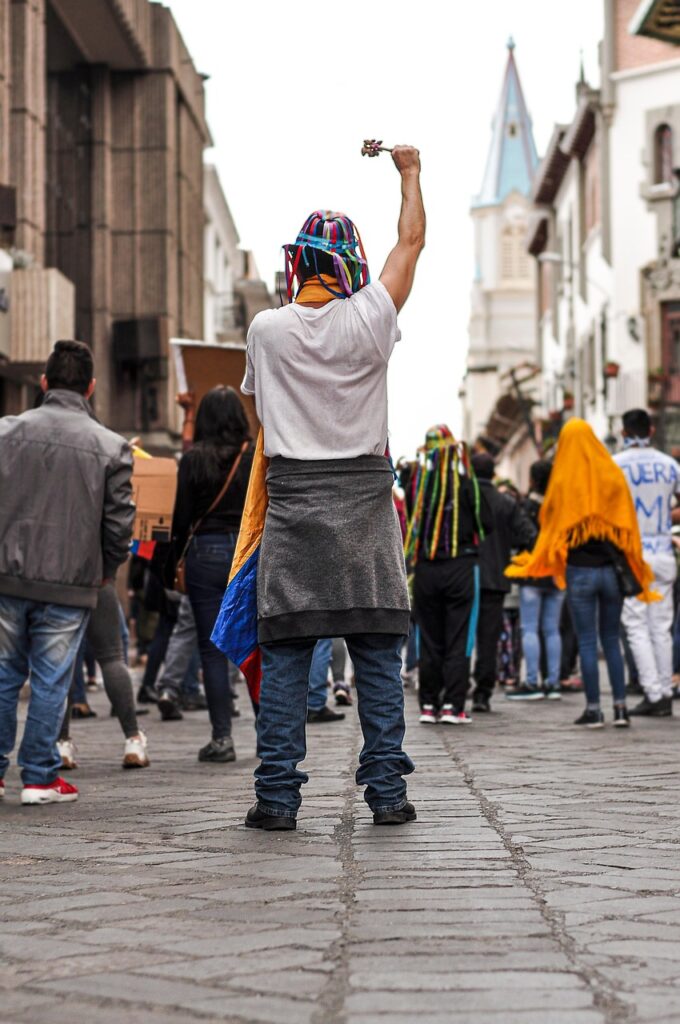
Fasting is one of humanity’s oldest practices. People have fasted for thousands of years—not just for religious reasons, but also for health, self-mastery, and even protest. You’ll find fasting in Christianity, Islam, Judaism, Buddhism, Hinduism, traditional African spirituality, and yes—even in darker or occult practices. That raises the question: what makes fasting so powerful that everyone, from saints to skeptics, embraces it in one way or another?

1. The Physical Power of Fasting

Modern science has confirmed what ancient traditions already intuited: the body responds in remarkable ways when we abstain from food.

  • Cellular repair: Short-term fasting triggers autophagy, a process where the body clears out damaged cells and regenerates healthier ones.
  • Metabolic reset: It improves insulin sensitivity, balances blood sugar, and can support weight management.
  • Longevity benefits: Research suggests intermittent fasting may help slow aging and reduce risk of chronic disease.

For many, the physical side is the starting point—but fasting has always been about more than biology.

2. The Mental Discipline

Going without food, even for a short while, is tough. Hunger is one of the most primal urges we have. Restraining it sharpens self-control.

  • Clarity: People often report heightened focus and mental sharpness during fasting.
  • Resilience: It trains the mind to push past immediate cravings and endure discomfort.
  • Simplicity: By cutting out constant eating, the mind is freed from distraction, opening space for reflection.

3. The Spiritual Meaning

Here is where fasting takes on its deepest significance. Across religions, fasting is a way of aligning body and soul with something greater.

  • Christianity: Fasting is tied to repentance, humility, and drawing closer to God. Jesus fasted for 40 days before beginning his ministry.
  • Islam: Ramadan is one of the Five Pillars—fasting as obedience, purification, and spiritual renewal.
  • Judaism: Yom Kippur includes fasting as a form of atonement and self-examination.
  • Hinduism & Buddhism: Fasting disciplines the body, reduces attachment to desire, and creates space for meditation.

The common thread? Detachment from the physical, to make room for the spiritual.

4. Why Even Dark Practices Use It

If fasting is so deeply tied to holiness, why do even harmful or occult traditions use it? The answer is simple: fasting is a neutral tool. It sharpens awareness, alters states of consciousness, and heightens sensitivity—effects that can be directed toward good or evil.

Think of fire: it can cook food or burn down a house. The tool itself isn’t moral; its purpose depends on the user.

5. The Core of It All: Intention

The difference between fasting as worship and fasting as manipulation comes down to intention.

  • Is it done to humble oneself, seek truth, and grow closer to God?
  • Or is it done to amplify ego, control, or power?

That’s why two people may fast in very different ways—one draws peace and wisdom, the other stirs fear and destruction.

Fasting is special because it operates on every level of human existence. It strengthens the body, disciplines the mind, and opens the spirit. That’s why it appears in every corner of human culture—from temples and churches to political protests to fringe occultism.

But fasting by itself isn’t “holy” or “evil.” Its power lies in purpose. In the hands of the faithful, it’s a pathway to humility, renewal, and connection with God. In other contexts, it can be bent toward selfish or darker ends.

In the end, fasting is like a mirror: it reflects the heart behind it.
Conservative Activist Charlie Kirk Shot Dead During Utah Speech

Conservative commentator and Turning Point USA founder Charlie Kirk was fatally shot Tuesday evening while addressing students at Utah Valley University, in what authorities are calling a targeted political assassination. He was 31.

Kirk had been speaking under a white tent during the first stop of his “American Comeback Tour,” a campus series designed to engage students in debates on free speech and politics. About 20 minutes into the event, as he responded to questions from the audience, a single shot rang out. Witnesses said Kirk collapsed after being struck in the neck, prompting panic as students ducked or fled.

Emergency responders rushed Kirk to a local hospital, where he was pronounced dead.

Law enforcement officials say the fatal shot was fired from the roof of a building roughly 200 yards away. A person of interest was briefly taken into custody but later released after investigators determined they were not involved. Authorities have not named a suspect, and the shooter remains at large.

Utah Governor Spencer Cox condemned the killing, describing it as “a political assassination” and calling for calm amid heightened national tensions.

Kirk, a close ally of President Donald Trump, built a large following through his media appearances, activism on college campuses, and social media presence. His death has drawn tributes from supporters across the country and renewed debate over the rise in political violence in the United States.

The investigation into the shooting is ongoing.

Israeli Airstrike on Hamas Leaders in Qatar

On September 9, 2025, Israel carried out a rare and highly controversial airstrike in Doha, Qatar, targeting a senior Hamas leadership meeting. The strike came at a critical moment, as Hamas leaders were engaged in ceasefire negotiations mediated by international actors, including the United States. While Israel claimed it was acting against high-value militant leaders, the attack has triggered a wave of diplomatic backlash, raising concerns about regional stability and the future of peace efforts.

The Attack

The strike hit a residential complex in Doha’s Leqtaifiya (West Bay Lagoon) district, where top Hamas officials had gathered. Among those reportedly present were Khalil al-Hayya, a key Hamas negotiator, and Zaher Jabarin, the group’s finance chief. Hamas later confirmed that its senior leaders survived, but the attack killed five individuals, including Humam al-Hayya (the son of Khalil al-Hayya), al-Hayya’s office director Jihad Abu Labal, three bodyguards, and a Qatari security officer.

Political and Diplomatic Fallout

The airstrike has been widely condemned. Qatar denounced it as a blatant violation of sovereignty, while the UK, EU, Iran, and multiple Gulf states labeled it a breach of international law. The United Nations warned that the attack risked undermining already fragile peace talks.

The United States, though informed shortly before the operation, denied involvement. President Trump called it an “unfortunate incident,” signaling Washington’s unease at the timing.

Impact on Ceasefire Negotiations

The attack threatens to derail months of delicate ceasefire discussions aimed at ending the war in Gaza. By striking during active talks, Israel may have jeopardized trust between mediators and Hamas. Analysts warn that Hamas could now harden its stance, while Arab states may reconsider their roles as neutral brokers.

The Israeli strike in Qatar marks an escalation beyond the Gaza battlefield, extending hostilities into one of the Gulf’s most diplomatically sensitive capitals. Though Israel failed to eliminate Hamas’s top leadership, the symbolic and political costs are significant. The attack has deepened regional divisions, weakened the credibility of peace negotiations, and raised the risk of further instability. Whether this strike deters Hamas or fuels wider conflict will depend on the choices made in the coming weeks by Israel, Hamas, and the international community.

Walmart

Walmart to Launch Its First Branded Stores in Africa

On September 9, 2025, Walmart confirmed plans to open its first-ever branded stores in South Africa — marking its first direct presence on the African continent under the “Walmart” name . Although Walmart already owns the local retail giant Massmart, which operates popular chains like Makro, Game, and Builders Warehouse, this move represents a strategic escalation into the African market with its own flagship brand

What’s in Store?

The new Walmart locations will offer a wide range of products — from fresh groceries and household essentials to apparel, electronics, and other merchandise The stores are designed to combine Walmart’s global standards with local flavor, featuring locally sourced products from small and medium-sized African suppliers

Read Also: Why Kenya Airways’ Profits Have Crashed Back to Earth

Competition & Market Strategy

Walmart’s branded presence will directly compete with well-established South African retailers — including Shoprite, Woolworths, and Pick n Pay — as well as on the e-commerce front against Amazon and local industry leader Takealot.com

Timeline & Expectations

  • Store development is already underway, with physical sites identified and infrastructure in progress
  • The company is expected to announce official opening dates in October 2025, with the first stores launching before year-end
  • Walmart’s announcement followed its first Growth Summit in Sub-Saharan Africa, held in April, where it engaged suppliers from 12 African countries and began lining up regional partnerships

Statements from Leadership

  • Kath McLay, President and CEO of Walmart International, emphasized the importance of affordability, quality, and cultural celebration: “By partnering with South African suppliers and entrepreneurs, we aim to bring our signature Every Day Low Prices and global standards to the market while celebrating the country’s rich culture.”
  • Miles van Rensburg, President and CEO of Massmart, added: “We’re thrilled to begin this journey introducing the iconic Walmart brand to South African associates, customers and communities… We aim to build lasting relationships and deliver a delightful shopping experience that reflects the needs and aspirations of South Africans.”

Bigger Picture

This expansion is noteworthy because, while Walmart has long held a stake in the African retail landscape through Massmart (fully acquired by Walmart by 2023), it has now chosen to invest in its own branded footprint on the continent. It signals a deepening commitment to combining global retail expertise with local sourcing and community engagement.

Gen Z-Led Uprising Over Corruption and Jobs Forces Nepal’s PM Oli to Resign

Kathmandu, September 9, 2025 – In a dramatic turn of events, Prime Minister K.P. Sharma Oli tendered his resignation on Tuesday following one of Nepal’s most intense youth-led uprisings in recent memory. The protests—predominantly driven by Gen Z activists—were sparked by deep-seated frustration over corruption, economic inequality, and youth unemployment, and were catalyzed by the government’s abrupt ban on major social media platforms.

Digital Suppression Meets Digital Resistance

When the Oli government blocked platforms like Facebook, X, and YouTube—allegedly for failing to register with authorities—activists turned to apps still accessible in Nepal such as TikTok and Viber to organize mass demonstrations. Despite curfews and social media restrictions, thousands rallied nationwide, demanding systemic change.

Protests Escalate—19 Lives Lost

The demonstrations turned deadly when security forces clashed with protesters. At least 19 people were killed and scores injured, marking the worst political violence in Nepal in decades. Protesters set fire to government infrastructure, including the Singha Durbar government complex, parliament, and several political leaders’ homes.

Youth Disillusionment Meets Political Fallout

Nepal faces stark social and economic disparities: over 20 % of its 30 million population lives under the poverty line, and youth unemployment exceeded 22 % in 2022–23. Moreover, the income gap between the richest and poorest segments of society continues to widen.

Activists like “Sandip,” a Lalitpur-based influencer, highlighted how the protest was both spontaneous and widespread. Likewise, Gaurav Nepune, 34, emphasized that protesters sought a government free from corruption and foreign influence, particularly from India and China.

A Symbol of Change Emerges

Balendra Shah, a 35-year-old rapper-turned-mayor of Kathmandu, became a prominent symbol of hope for many protesters. Rejecting traditional party politics, Shah called Prime Minister Oli a “terrorist” insensitive to the losses endured by citizens, while urging his young supporters to remain calm and prepare to lead the nation.

Sudan Gurung, president of the NGO Hami Nepal, played a pivotal role in mobilizing protesters. Transitioning from humanitarian work to civic activism, Gurung and his organization utilized platforms like Instagram and Discord to coordinate peaceful demonstrations—fueling the viral “Nepo Kid” movement targeting nepotism and corruption.

Nation in Turmoil: Security, Travel, and Governance

The crisis extended beyond protests. Authorities shut down Tribhuvan International Airport, diverting multiple flights to India, including those from FlyDubai, IndiGo, and Thai Lion Air. IndiGo later suspended all operations in Nepal indefinitely.

In a move to quell further unrest, military and police leadership appealed for calm, hinting at possible intervention if violence continued. Oli assured the formation of an investigative committee to look into the shootings and promised compensation for victims’ families, though protests persisted even after his resignation.

What This Means for Nepal

Oli’s resignation signals more than a regime change—it marks a significant moment in Nepal’s political journey. With Gen Z leading the charge, the public has made it clear that transparency, accountability, and economic opportunity are non-negotiable. Figures like Shah and Gurung may very well shape Nepal’s next chapter.

Stay tuned as the nation seeks a new path forward—one defined by the voices of its youngest and most determined citizens.

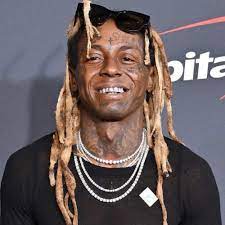
Lil Wayne: Tattoos, Health, and the Ongoing Legacy

Dwayne Michael Carter Jr., better known as Lil Wayne, is one of the most prolific and influential figures in modern hip-hop. Rising to stardom in the late 1990s, he has remained at the forefront of rap for over two decades, shaping culture through his music, lifestyle, and distinct image. Central to his public persona is his body art, with tattoos covering nearly every part of his skin. Beyond their symbolic meanings, these tattoos have also raised questions about their effect on his health. At the same time, Lil Wayne’s career continues to evolve, with recent music releases, health concerns, and personal controversies keeping him firmly in the public eye.

Lil Wayne’s Tattoos: Symbolism and Identity

Lil Wayne is widely recognized for his extensive collection of tattoos—well over 30 across his body. Each tattoo tells a story: tributes to his family, markers of his musical journey, or reflections of his personal philosophy. Among the most notable are the words “Fear God” inked on his eyelids, teardrops on his face symbolizing lost loved ones, the Louisiana map across his back paying homage to his roots, and his daughter’s nickname, “Nae Nae”, on his arms.

These tattoos have become part of his brand—instantly recognizable and deeply intertwined with his identity as “Weezy F. Baby.” Yet, Wayne himself once admitted regret, saying that covering his body entirely in tattoos may have been one of his worst decisions. This remark underscores the complicated relationship he has with his ink: while it elevated his image, it also permanently shaped how he is perceived both within and beyond hip-hop culture.

Tattoos and Health Concerns

Over the years, rumors have circulated that Lil Wayne’s tattoos contributed to serious health issues, including cancer. These claims have been thoroughly debunked. Medical experts note that while tattoos carry risks—such as allergic reactions, infections, and complications during MRI scans—there is no evidence that Wayne’s health struggles stem from his body art.

Instead, Lil Wayne’s more pressing health concern is his epilepsy. He has lived with the condition since childhood, and seizures have forced him to cancel performances and seek emergency treatment on multiple occasions. Stress, lack of rest, and alcohol consumption are known triggers for his condition. While tattoos may symbolize resilience and expression, epilepsy remains the real factor shaping the trajectory of his health and career.

Fact Table: Lil Wayne’s Tattoos and Health

TattooLocationMeaning/StoryPotential Health Consideration
Fear GodEyelidsReflection of faith; featured on Tha Carter IIITattoo near eyes: risk of swelling/infection
TeardropsFaceTribute to deceased family membersFacial skin is sensitive; higher pain & healing risk
Nae NaeArmsNickname of his daughterMinimal risk; standard arm tattoo
Louisiana MapBackPride in his rootsLarge surface area; longer healing time
I Am Music / I Am PimpTorsoIdentity and bravadoPossible irritation under clothing
W / WeezyNeckRepresents his nicknameNeck tattoos can complicate MRI scans
Barbed Wire & GunsTorso/ArmsSymbol of toughness and struggleCosmetic; no proven health impact
Angel WingsChestSymbolic protectionNo specific health link

Latest Developments in 2025

Lil Wayne continues to command attention in 2025, both musically and personally:

  • Music and Touring: In June 2025, he released Tha Carter VI and embarked on a U.S. and Canada tour that is scheduled to run until October. The album has produced several talked-about singles, including “Island Holiday” and “Welcome to Tha Carter.”
  • Health Concerns: In August, he postponed a concert in Toronto due to an “unforeseen illness,” reigniting worries about his health among fans and media.
  • Cultural Moments: At an August concert in Kansas City, Wayne paused mid-performance to celebrate Taylor Swift and Travis Kelce’s engagement—an unexpected but headline-making gesture.
  • Personal Life: His relationship with model Denise Bidot has come under scrutiny after allegations of emotional and physical abuse. This controversy remains unresolved, as Wayne’s camp has yet to issue a public response.

Lil Wayne’s story is one of triumphs, challenges, and reinvention. His tattoos reflect the journey of a man who wears his life history on his skin, even as he privately questions the permanence of those choices. While conspiracy theories about tattoos and illness persist, it is his battle with epilepsy—not his ink—that defines his health struggles. Today, Lil Wayne remains a commanding figure in hip-hop, navigating health concerns, personal controversies, and a relentless touring schedule. His resilience in the face of both personal and professional turbulence cements his legacy as one of rap’s most enduring icons.

Jubaland Forces in Mandera? Sorting Fact from Alarm

Reports that Jubaland forces have crossed into Mandera County, Kenya, have sparked alarm among residents and local leaders. Claims of troops camping in schools and disrupting daily life have fueled fears of insecurity along the fragile Kenya-Somalia border. But conflicting statements from local officials, the Jubaland administration, and Kenya’s Interior Ministry have left the truth shrouded in uncertainty.

The Allegations

Mandera Governor Mohamed Adan Khalif recently accused Jubaland soldiers of setting up camp at Border Point One Primary School, forcing its closure and disrupting national exams. Senator Ali Roba echoed this concern, stating that Jubaland fighters were visibly present inside Mandera town. According to him, the alleged presence has caused schools to shut down, businesses to grind to a halt, and families to flee in fear of stray bullets and unexploded ordnance.

Jubaland’s Response

Jubaland’s Vice President Mohamed Sayid firmly denied the allegations. Speaking to BBC Somali, he stressed that their troops are stationed near the border but have not crossed into Kenya. He called the claims misleading and urged residents not to panic, insisting that Jubaland respects Kenya’s sovereignty.

Read Also: Western Kenya’s Proliferation of Prophets: Why “Weird” Churches Thrive Where Old Ones Fade

Kenya’s Position

Kenya’s Interior Cabinet Secretary Kipchumba Murkomen dismissed the allegations of a foreign military presence. He explained that security assessments so far indicate that those crossing the porous border are civilians escaping conflict, not armed Jubaland soldiers. Murkomen emphasized that Kenya does not allow foreign military operations on its soil and that security agencies are continuing investigations to verify identities and motives of those who crossed.

Weighing the Truth

At present, the picture remains mixed. On one hand, local leaders are adamant that foreign troops have entered Mandera, disrupting life and creating fear. On the other, both the Jubaland and Kenyan governments deny the claims, with Kenya stressing that no evidence supports the allegations.

StakeholderClaimStatus
Mandera Governor & SenatorJubaland troops are inside Mandera, camped at a school and disrupting daily life.Unverified
Jubaland AdministrationTroops remain near the border but have not crossed into Kenya.Official denial
Kenyan GovernmentNo foreign military presence; only civilians may have crossed.Investigations ongoing

The situation in Mandera highlights the fragility of Kenya’s northeastern border and the deep mistrust that continues to surround Somalia’s internal conflicts. While residents’ fears are genuine, there is no verified evidence yet of a Jubaland incursion. For now, the truth lies in a tense middle ground: heightened suspicion, ongoing investigations, and a need for clear communication between Nairobi, Jubaland, and local leaders.

Marco Asensio Makes Permanent Move from PSG to Fenerbahçe

Spanish midfielder Marco Asensio has officially left Paris Saint-Germain to join Fenerbahçe on a permanent deal, the Turkish giants confirmed on Monday. The 29-year-old, who previously starred for Real Madrid, has signed a three-year contract with an option for a fourth, marking a fresh chapter in his career after a short but eventful spell in Ligue 1 and the Premier League.

Asensio’s move comes after a mixed stint at PSG, where he struggled for consistency but showed flashes of brilliance. Last season, he spent the second half on loan at Aston Villa, scoring eight goals in 21 matches, a return that reignited interest in his attacking qualities.

Before arriving in France, Asensio made his name at Real Madrid, where he lifted three Champions League trophies and three La Liga titles, cementing his reputation as a technically gifted playmaker. Internationally, he has 38 caps and two goals for Spain, though his last call-up came in 2023.

Read Also: Is Kylian Mbappé the Highest Paid Athlete in the World? A Look at 2025’s Top Sports Earners

For Fenerbahçe, the signing is both a statement of intent and a much-needed boost as the club looks to recover from a turbulent summer. The Istanbul side recently parted ways with José Mourinho after missing out on Champions League qualification, and reports suggest more marquee arrivals are imminent — including Manchester City’s goalkeeper Ederson.

Marco Asensio’s arrival signals Fenerbahçe’s ambition to reassert itself on both domestic and European fronts. With his pedigree, experience, and attacking flair, the Spaniard could become a central figure in reshaping the club’s identity. For Asensio, the move represents not just a fresh challenge but also an opportunity to revive his career at a club eager to return to the spotlight.

Newsly KE
Privacy Overview

This website uses cookies so that we can provide you with the best user experience possible. Cookie information is stored in your browser and performs functions such as recognising you when you return to our website and helping our team to understand which sections of the website you find most interesting and useful. View our privacy policy and terms & conditions here.

×