
STOP RAISING AN OVER-DEPENDENT GENERATION!!!

Post

STOP RAISING AN OVER-DEPENDENT GENERATION!!!

Across our society today, one painful reality is emerging—many modern parents are raising an over-dependent generation. It’s a silent crisis eating into the moral and emotional strength of our children. Out of a desire to protect, provide, and pamper, many parents have unknowingly weakened the very generation they hope to empower.

We live in times when children enjoy every comfort yet lack the resilience to face discomfort; they have knowledge but no wisdom, luxury but little discipline, and exposure without experience. Every parent wants the best for their child—but at what cost?

When Love Becomes Misguided Protection

It begins innocently. You cook their meals so they can “focus on school.” You tidy their rooms because “they’re too busy.” You drive them to school daily, do their assignments, and even lie on their behalf when they get into trouble. You defend them before teachers, fight for their rights before listening to their wrongs, and even help them cheat to pass exams “for their own good.”

You protect them from every hardship because you don’t want them to “suffer like you did.” But the truth is—you’re not protecting them; you’re crippling them.

In the name of love, many parents have replaced discipline with indulgence. We want our children to have everything we lacked, yet we forget that what we lacked made us strong, wise, and grateful. Today, our children have gadgets, tutors, drivers, and comfort—but lack self-discipline, patience, and survival instincts.

Helpless in the Real World

Sooner or later, life tests everyone. When parents are no longer there to make decisions, pay the bills, or smooth the path, an over-protected child suddenly faces a world they don’t know how to handle. The same child who was never allowed to make mistakes cannot manage failure. The one who never learned to solve small problems collapses under real pressure.

This generation risks becoming emotionally fragile—unable to cook, clean, budget, or endure delay. They grow up expecting the world to pamper them as their parents did. But the world is not a parent—it is a teacher, and it teaches through pain, responsibility, and experience.

The Cure: Raising Responsible Children

Parenting is not about making life easy for your child—it’s about preparing them to make life work. Raising responsible children is not accidental; it is intentional. Here are timeless principles every parent must revisit:

1. Give Them Domestic Responsibility

Let your children cook, sweep, wash, and clean—even if you have servants. Household tasks build discipline, teamwork, and humility. A child who can clean after themselves learns respect for others and the value of effort.

2. Teach Usefulness and Initiative

Children must learn to contribute positively wherever they go—at school, church, or another home. A responsible child doesn’t wait to be told what to do; they notice what’s needed and take initiative.

3. Groom Social Etiquette

Train your children to be polite, cheerful, and considerate. Let them understand the importance of gratitude, greetings, and good manners. In a world losing its social touch, courtesy remains a mark of good upbringing.

4. Teach Hygiene and Neatness

Personal hygiene is not optional—it is foundational. Teach your children to keep their rooms neat, make their beds daily, and maintain a clean body. Unkempt habits in youth often grow into carelessness in adulthood.

5. Train Them to Manage Belongings

Let them care for their clothes, shoes, and books. They should learn how to pack, fold, and organize their space. It teaches accountability and self-respect.

6. Instill Modesty and Safety Awareness

Decency is protection. Teach your children to dress appropriately, especially when visiting others. Innocence does not excuse ignorance—predators thrive on it.

7. Teach Proper Table Manners

True upbringing shows at the dining table. Show them how to chew quietly, wait for others to be served, and clean up after meals. These little habits often define character.

8. Train Them to Respect Boundaries

Children must know when to speak and when to listen. Interrupting adult conversations or arguing with elders reflects poor home training. Respect is a lifelong advantage.

9. Manage Digital Habits

Help them balance online life with real relationships. Discourage isolation behind screens. Encourage family conversations, outdoor play, and real friendships. Let technology serve them, not enslave them.

10. Instill Family Values and Faith

Values are the moral compass that guides them when no one is watching. Let your children understand honesty, humility, hard work, and empathy. Above all, teach them to know and honor God—not by inheritance but by conviction.

Tough Love Is True Love

Real love sometimes says no. It allows children to face consequences, learn lessons, and recover from failure. Shielding them from pain may feel right in the moment, but it denies them growth. When you let your child work for what they want, endure minor discomforts, and handle responsibility, you are not being harsh—you are being wise.

No child ever grows strong in constant comfort. Muscles only develop under pressure; character only grows through challenge. Every time you rescue your child from the results of their actions, you rob them of an education life itself was ready to give.

You Are Raising the Next Generation

Every generation is a reflection of the one before it. If today’s children are lazy, careless, and entitled, tomorrow’s society will be weak, chaotic, and dependent. The duty of shaping tomorrow begins in our homes today.

Let your children see you model diligence, humility, and honesty. Don’t just preach discipline—practice it. Don’t just demand responsibility—demonstrate it. Children learn more from what we do than what we say.

A Final Word to Parents

Dear parent, stop over-managing your children’s lives. Stop making excuses for their wrongs. Stop turning every discomfort into an emergency. Life will not always hand them comfort, but it will always reward responsibility.

Encourage your children to think, act, and work for themselves. Allow them to make choices and face consequences. Teach them to pray, to plan, to persevere. When you equip them to stand alone, they will never forget the wisdom that helped them rise.

Parenting is not about raising perfect children—it’s about raising prepared ones. The goal is not to remove all obstacles from their path but to strengthen them enough to climb any mountain.

May God help us raise a generation that is responsible, resilient, and righteous—a generation that can stand tall when we are gone.
The Awori Family

The Awori Family: Moody Awori and His Siblings — a Portrait of Service, Scholarship and Longevity

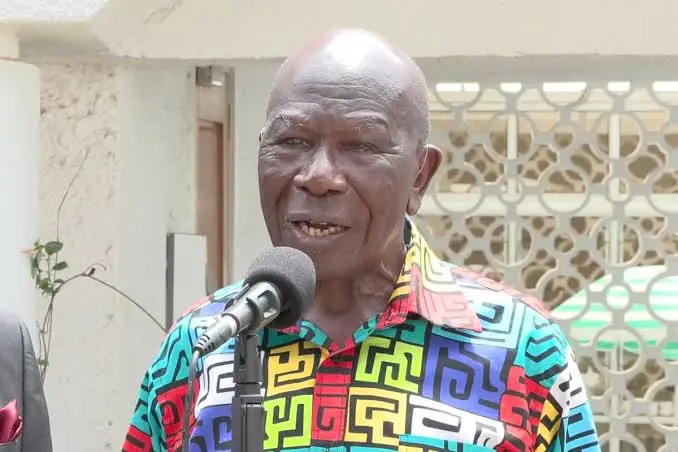
The name Awori carries weight in Kenya’s modern history: judges, legislators, doctors, ministers and activists spring from a single extended family rooted in western Kenya. At the center of public attention is Arthur Moody Awori — “Uncle Moody” — the soft-spoken former vice-president whose longevity and public service have made him a living link to Kenya’s early post-colonial decades. But Moody is only one of a remarkably accomplished cluster of siblings, the product of Rev. Canon Jeremiah Awori and Mariamu Odongo’s unusually large brood. This feature digs into that family story, outlines who the principal siblings are, and — where records allow — gives current ages or life dates, noting limits where details are private or inconsistent.

A family shaped by faith and education

The Awori family traces its public profile to Rev. Canon Jeremiah Musungu Awori, one of the first ordained Luhya Anglican priests in the region, and his wife Mariamu Olubo Odongo. The couple raised a very large family — often reported as 16 children — in Butere and Busia near Kenya’s border with Uganda. Their emphasis on education and public service produced an unusually high number of professionals and public servants across East Africa.

Moody Awori — the best known sibling

Arthur Moody Awori is the most publicly visible Awori internationally. He served as Kenya’s ninth vice-president from September 25, 2003, to January 9, 2008, and before that spent decades in Parliament and government roles. Sources give Moody’s year of birth as either 1927 or 1928; most contemporary profiles list his birth date as 5 December 1928, meaning he is 96 turning 97 in December 2025 (some records report 1927, which would make him a year older). Where precision matters, note that published sources disagree on the exact year.

Moody is widely remembered for prison-reform advocacy, a calm public persona, and a reputation as a political “old guard” who nevertheless engendered broad respect across partisan lines during his time in office.

The notable siblings — who they are (and what we know about their ages)

The full Awori sibling list is large; journalism and family biographies commonly cite the following names among the most public-facing siblings: Ellen, Joshua, W.W.W. (Wycliffe Wasya Work) Awori, Rhoda, Moody, Hannington, Winifred, Margaret, Nelson, Ernest, Aggrey Siryoyi Awori, Grace, Mary (often Mary Okelo), and others. Several of the siblings died decades ago; others are still living and active in public life.

Below are the principal siblings whose public records allow us to state life dates or approximate ages:

  • W.W.W. Awori (Wycliffe Wasya Work Awori)Born 2 August 1925, died 5 May 1978. A pioneering journalist, trade-unionist and legislator in the pre- and early post-independence era, W.W.W. was one of the family’s earliest national figures. (Died 1978; would have been 100 in 2025.)
  • Arthur Moody AworiBorn 5 December 1928 (commonly cited) — age ~96 in 2025. Former vice-president and long-time MP. (See note above about a small discrepancy in published birth years.) Wikipedia+1
  • Aggrey Siryoyi AworiBorn 1939. Aggrey became a notable figure in his own right, serving in Ugandan politics (including as minister) and building a cross-border profile. If born in 1939, Aggrey would be about 86 in 2025. (Some profiles give his birthplace as Budimo village.)
  • Other siblings (Ellen, Joshua, Rhoda, Hannington, Winifred, Margaret, Nelson, Ernest, Grace, Mary, etc.) — many of these names appear in family profiles and nation features on the Awori clan. National newspaper profiles describe several of the siblings as lawyers, doctors, educators and civil servants; but public birthdates for most of these siblings are not consistently available in open sources, or are recorded only in family memoirs and archived local records. Where siblings are deceased, the press sometimes lists their death but not always the birth year.

Why exact ages are hard to fix

Two issues make a precise table of ages difficult. First, public records from early 20th-century rural Kenya are incomplete and occasionally inconsistent (note the different birth years reported for Moody). Second, many siblings maintained professional careers without becoming constant national headlines, so their exact birthdates are not always public. For these reasons, this piece gives verified dates where they exist and otherwise summarizes roles and contributions.

A family of “firsts” and public servants

Multiple Awori siblings achieved pioneering positions: from W.W.W.’s role in the Legislative Council and the independence struggle to later siblings entering medicine, law, diplomacy and cross-border politics. One contemporary profile in the Daily Nation described the clan as “one famous family of scholars and top leaders,” noting the unusually high proportion of children who reached professional prominence. The family’s diverse roles — in journalism, politics, public administration and academia — helped shape regional leadership in Western Kenya and, through Aggrey, parts of Uganda too.

Portraits, tensions and legacy

The Awori family story is not only about individual success but about how a single household produced civic engagement across generations. Their father’s position in the Anglican church and local councils gave his children access to schooling and networks that were scarce in the colonial era. That foundation was a key factor in producing a cluster of professionals who left durable marks on Kenya’s public life.

At the same time, the family’s public visibility has occasionally invited political scrutiny and rumor — from mistaken obituaries to speculation about inheritance and influence. The siblings have weathered both praise and controversy, but their shared pattern remains clear: commitment to education and public service.

What we can say with confidence — and where to look next

Confident facts

  • The Awori siblings are the children of Rev. Canon Jeremiah Awori and Mariamu Odongo; the household produced a very large family (commonly reported as 16 children).
  • Moody Awori is the most famous sibling, served as vice-president (2003–2008) and was born on 5 December (sources list 1928 commonly).
  • W.W.W. Awori (1925–1978) and Aggrey Awori (born 1939) are among other siblings with verifiable public records.

Open items / caveats

  • Exact birth years for several siblings are not publicly documented in high-quality online sources; local civil-registration archives, family memoirs (for example Seizing the Moment, cited in earlier profiles), or church records in Butere would be the most reliable sources for a complete, date-accurate family table.

The Awori family is a striking example of how one household’s investment in education and civic life can ripple across generations and nations. Moody Awori’s longevity and public career make him the family’s most visible ambassador, but the deeper story is collective: siblings who became journalists, legislators, ministers, professionals and community leaders. For readers wanting a fully documented genealogy (birth dates for every sibling and their children), the next step would be targeted archival work — church records, colonial era civil registries and the family’s own memoirs and oral histories — sources that sit largely outside the public web.

Cameroon on Edge as Disputed Election Sparks Deadly Protests

Yaoundé, Cameroon — October 28, 2025

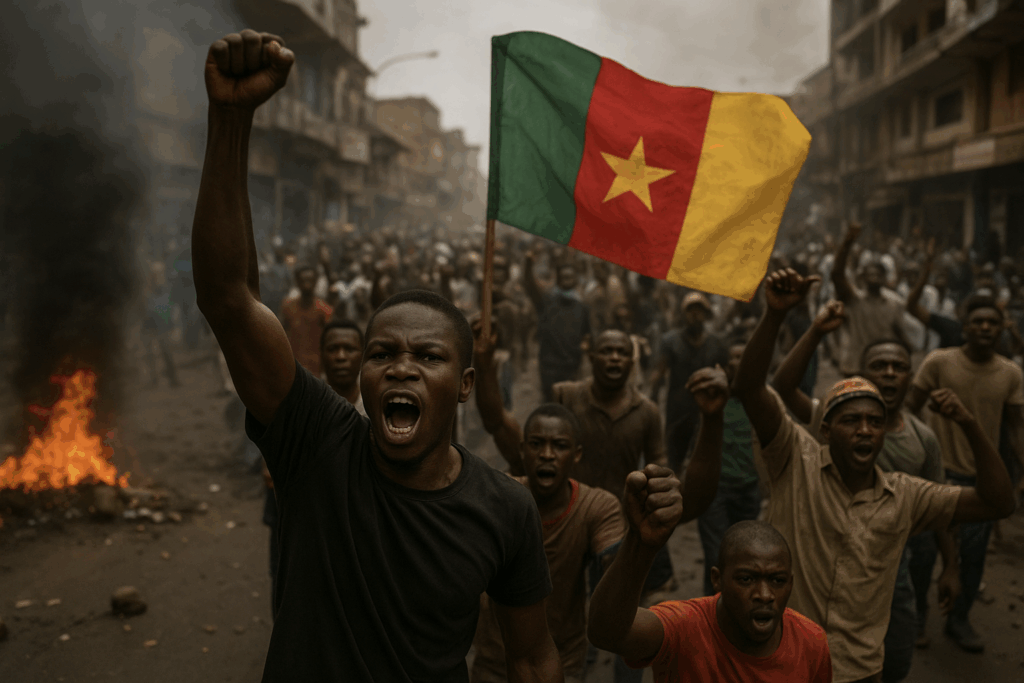
Cameroon is facing one of its most volatile moments in decades following the declaration of President Paul Biya’s victory in a fiercely contested election. The 92-year-old leader, who has ruled the Central African nation since 1982, was announced winner with 53.66% of the vote in the October 12 poll — a result immediately rejected by his main rival, Issa Tchiroma Bakary, who claims massive irregularities.

Protests erupted across major cities including Douala, Garoua, and Bamenda, leaving at least four people dead and dozens injured, according to rights monitors and local media. Security forces have deployed heavily, firing tear gas and live rounds in some areas to disperse crowds demanding Biya’s resignation and a re-run of the vote.

A Country Divided

The protests underscore deep divisions in a country already battered by years of conflict, corruption, and mistrust in public institutions. The opposition accuses the ruling Cameroon People’s Democratic Movement (CPDM) of vote rigging, intimidation, and blocking opposition observers from polling stations.

“We will not recognize a stolen victory,” Bakary told supporters at a press briefing in Douala, vowing to continue peaceful demonstrations despite a government ban on public gatherings.

The government, meanwhile, maintains that the election was “free and fair.” Communication Minister René Sadi dismissed the protests as “illegal acts of destabilization,” warning that security forces “will restore order by all necessary means.”

Echoes of the Past

Cameroon’s political landscape has been dominated by Paul Biya for over four decades — making him one of the world’s longest-serving leaders. Known for his reclusive style, Biya has managed to maintain power through a combination of patronage, tight control of the military, and a weakened opposition.

This year’s election, however, has tested his grip on power more than any other. With rising youth unemployment, inflation, and persistent insecurity, frustration among citizens has reached boiling point.

“Many young Cameroonians feel trapped — unable to find jobs, unable to express themselves politically, and disillusioned by decades of stagnation,” said political analyst Dr. Clarisse Ngassa of the University of Douala. “The protests are not just about the election results; they’re about the future of the country.”

Anglophone Crisis Shadows the Vote

The election took place against the backdrop of the long-running Anglophone conflict in Cameroon’s North-West and South-West regions. Since 2017, separatist fighters there have been battling government forces, seeking independence for what they call “Ambazonia.”

Despite government assurances of security, voting was severely restricted in several towns in the Anglophone regions. Many polling stations remained closed, and voter turnout was reported to be as low as 10% in some areas due to fear of attacks.

Human rights groups say both government forces and separatists committed abuses in the lead-up to the vote.

“The people of the North-West and South-West were effectively disenfranchised,” said a representative from Human Rights Watch. “It’s difficult to speak of a national mandate when millions could not safely participate.

Mounting Humanitarian Toll

The political turmoil comes on top of a humanitarian crisis that already affects millions. According to the UN, more than 2 million people are internally displaced, many living in precarious conditions without access to adequate food, healthcare, or education.

In the Far North, insurgent violence linked to Boko Haram continues to displace families, while climate change has worsened drought and food insecurity. Aid agencies warn that the recent unrest could further disrupt relief operations and deepen the crisis.

“Every flare-up in political violence makes it harder for us to reach those in need,” said a spokesperson for Médecins Sans Frontières (MSF). “Civilians are bearing the brunt of a political standoff they have little control over.”

International Reactions

International observers have called for restraint and dialogue. The African Union and the European Union have both urged the Cameroonian government to allow peaceful assembly and to investigate allegations of electoral irregularities.

The United States and France — both key partners of Cameroon — have expressed concern over reports of violence and internet shutdowns. Washington’s statement urged “an inclusive dialogue that respects the will of the people.”

However, Biya’s government has shown little sign of backing down. The Ministry of Territorial Administration has suspended several opposition-aligned civil society groups and threatened to revoke media licenses for “inciting unrest.”

A Tense Road Ahead

As night falls over Douala and Yaoundé, the streets remain tense. Police checkpoints dot the roads, and opposition figures are reportedly under surveillance. Many Cameroonians fear that a harsh crackdown could ignite wider violence, particularly in the already restive Anglophone regions.

“The government can no longer rely on the same old playbook,” said analyst Ngassa. “Cameroon’s young population is more connected, more vocal, and more determined than ever before.”

Whether the ruling elite chooses dialogue over repression will likely determine whether Cameroon enters a new phase of reform — or slides deeper into crisis.

At a Glance: Cameroon’s Crisis

IssueKey Details
Election date12 October 2025
Declared winnerPaul Biya (53.66%)
Main oppositionIssa Tchiroma Bakary (35.19%)
Protest deaths (so far)4 confirmed, dozens injured
Conflict zonesAnglophone North-West & South-West; Boko Haram in Far North
Internally displaced persons (IDPs)~2 million
President’s time in powerSince 1982 (8th term)

Cameroon now stands at a crossroads. The disputed election has peeled back layers of frustration that have long simmered beneath the surface — from political exclusion and corruption to regional inequality and economic hardship. While the immediate spark was the ballot box, the unrest speaks to a deeper crisis of governance and trust.

If President Biya’s government responds with repression instead of reform, the country risks descending into prolonged instability, with devastating consequences for ordinary citizens. But if both the ruling elite and opposition can commit to genuine dialogue, transparency, and decentralization, Cameroon still has a chance to restore its fragile unity and rebuild public confidence.

For now, the nation’s future hangs in the balance — between an aging political order struggling to maintain control and a new generation demanding change, accountability, and a voice in shaping tomorrow’s Cameroon.

How to Earn on TikTok from Kenya: A Complete Guide for Creators

TikTok has evolved from a fun lip-syncing app into one of the most powerful income platforms in the world. In Kenya, the platform has become a launchpad for comedians, educators, fashion influencers, and small business owners to turn creativity into cash. Whether you’re just starting out or already have a growing audience, this guide explains exactly how to earn on TikTok from Kenya — and what you’ll need to get started.

1. Join the TikTok Creativity Program

TikTok’s official monetization channel — the Creativity Program (Beta) — allows qualified creators to earn money directly from their video views.

To qualify, you need:

  • At least 10,000 followers
  • Over 100,000 video views in the last 30 days
  • Be 18 years or older
  • Post original, high-quality videos

While the program is still expanding across Africa, Kenya is gradually being included through TikTok’s regional partnerships. Creators who meet the criteria can apply through the TikTok Creator Center and track their earnings per video view.

If your account isn’t eligible yet, don’t worry — you can still earn through the other proven methods below.

2. Secure Brand Sponsorships and Influencer Deals

One of the most common ways Kenyans make money on TikTok is through brand sponsorships. Local and international companies are increasingly turning to micro-influencers to reach digital audiences.

If your videos align with a specific niche — fashion, beauty, tech, fitness, comedy, or real estate — you can attract paid collaborations.

To get noticed by brands:

  • Keep your content professional, creative, and consistent
  • Add your email or WhatsApp business contact in your bio
  • Sign up on the TikTok Creator Marketplace, where brands look for influencers by location and content type

Depending on your following, sponsored posts in Kenya can earn anywhere from KSh 5,000 to KSh 50,000 per campaign, with premium creators making much more.

3. Earn Through TikTok Live Gifts

Once your account hits 1,000 followers, you can go live and receive virtual gifts from fans. These gifts are purchased using TikTok coins and can be converted to real money (diamonds), which you withdraw through PayPal or other approved payout systems.

To maximize Live earnings:

  • Go live regularly and interact with your fans
  • Host Q&A sessions, sing, share motivational talks, or showcase talents
  • Acknowledge top gifters during your stream

It’s one of the most direct ways to earn from your Kenyan TikTok audience.

4. Try Affiliate Marketing

Affiliate marketing allows you to earn commissions by promoting other companies’ products. You simply share a link or showcase a product — and if your followers buy through your referral link, you get paid.

Kenyan creators often use affiliate programs from:

  • Jumia Kenya
  • Kilimall
  • Amazon Associates
  • Local niche brands with influencer programs

For example, a TikTok food content creator can earn by promoting cooking utensils or ingredients. Each sale tracked through your link earns you a percentage, typically 5–15% commission.

5. Sell Products Through TikTok Shop

TikTok Shop is rolling out across Africa, including Kenya. It allows creators to:

  • Sell their own products directly through videos
  • Earn affiliate commissions by promoting other sellers’ items

Even before full rollout, you can still use TikTok videos to promote your business and direct followers to Shopify, WhatsApp Business, or Instagram stores.

Many Kenyan entrepreneurs already use TikTok to sell fashion, shoes, snacks, and digital services, turning views into verified sales.

6. Offer Paid Training and Services

If you’re skilled in areas like music, make-up, fitness, farming, or digital marketing, you can monetize your expertise. Use TikTok videos to offer free tips and then promote your paid masterclasses or consultations.

For example, a Nairobi makeup artist can post short tutorials and link to a full course or one-on-one training. It’s a great way to build authority and income simultaneously.

7. Cross-Platform Earnings

TikTok can also help you grow on other platforms that pay directly, such as:

  • YouTube (for ad revenue)
  • Instagram and Facebook Reels (for brand deals)
  • Patreon or Buy Me a Coffee (for fan donations)

Think of TikTok as your audience magnet — the platform that attracts people who later convert to paying clients or followers elsewhere.

8. Payment Options for Kenyan Creators

Most TikTok earnings are paid through:

  • PayPal (linked to your TikTok or affiliate program)
  • Payoneer or Revolut accounts
  • M-Pesa withdrawals via PayPal Mobile Money service

Make sure to use verified platforms and official TikTok payout methods to avoid scams.

9. Pro Tips for Growing and Monetizing Faster

  • Post 3–5 videos a week to stay visible
  • Mix Swahili and English — relatable content performs best in Kenya
  • Keep videos under 30 seconds for higher engagement
  • Use local trends and hashtags to reach Kenyan audiences
  • Collaborate with other TikTokers in your niche

Earning on TikTok from Kenya is no longer a dream — it’s a real opportunity. Whether you’re building an entertainment channel or promoting a business, TikTok can generate consistent income through creativity, authenticity, and smart partnerships.

As TikTok’s monetization tools expand in Africa, Kenyan creators who start building their personal brands today will be the first to benefit tomorrow.

Why AI Literacy Is the New IT Literacy — And How to Get Ready

Technology has always reshaped the skills the world demands. In the early 2000s, computer literacy became the passport to job opportunities. Today, that transformation is happening again — but this time, it’s Artificial Intelligence leading the revolution. AI literacy is no longer a luxury or a skill reserved for engineers. It is becoming essential for everyone who wants to remain relevant in a digital-first economy.

The Shift: From Using Computers to Collaborating With Machines

Traditional IT skills taught people how to use devices, applications, and systems. AI literacy goes a step further — it focuses on how to work with intelligent systems that can learn, reason, and generate new content on their own.

AI is now embedded in everyday life:

  • Automatic email sorting
  • Smartphone facial recognition
  • Customer service bots
  • Personalized online experiences

And with the rise of generative AI tools like ChatGPT, Gemini, and Microsoft Copilot, employees and entrepreneurs are discovering new ways to think, create, and grow faster than ever before.

Why AI Literacy Matters for Every Professional

AI isn’t just transforming tech roles — it’s reshaping every industry:

SectorAI Impact
EducationPersonalized learning, automated grading
HealthDiagnose diseases earlier, reduce admin burden
MarketingSmarter targeting, instant content creation
FinanceFraud detection, automated customer support
Real EstateVirtual tours, property valuation models
ManufacturingPredictive maintenance, robotics integration

Professionals who understand how to apply AI become more efficient, more creative, and more valuable.

The Skills Behind AI Literacy

Becoming AI-literate doesn’t mean learning complex programming languages. Instead, it’s about mastering four pillars:

✅ 1. Conceptual Understanding

Know what AI can and cannot do. Understand terms like:

  • Machine learning
  • Algorithms
  • Training data
  • Bias and hallucinations

This helps you make informed decisions — not fear the unknown.

✅ 2. AI Tool Proficiency

From office automation to image generation, you should be comfortable using modern AI tools to:

  • Draft documents and marketing campaigns
  • Analyze data faster
  • Automate repetitive tasks

AI becomes a collaborator, not a threat.

✅ 3. Prompting Skills

Prompt engineering is the new communication skill:

  • Give clear context
  • Define the goal and constraints
  • Ask for structure and style

The better the prompt, the better the results.

✅ 4. Ethical and Responsible AI Use

With great power comes great responsibility. AI literacy includes:

  • Protecting privacy
  • Citing data sources
  • Understanding who is accountable for errors
  • Ensuring fairness and transparency

These principles separate leaders from careless adopters.

AI Literacy: A Competitive Advantage

Employers are already searching for talent who can bridge human expertise and intelligent tools. Businesses want staff who can:
✅ Reduce operational costs
✅ Innovate new solutions
✅ Improve customer experience
✅ Make data-driven decisions

Those who ignore AI risk falling behind — while AI-literate professionals leap ahead.

How to Get Ready Today

Here’s a simple roadmap to begin your AI journey:

1️⃣ Learn the basics through online courses and tutorials
2️⃣ Use AI tools every day for real tasks
3️⃣ Join AI communities and follow industry updates
4️⃣ Focus on applying AI to your field
5️⃣ Keep experimenting — the technology evolves quickly

You don’t need to wait — the tools are already in your hands.

A Future Built on Human + AI Collaboration

The rise of AI does not eliminate human value — it enhances it. Creativity, leadership, empathy, and strategic thinking remain uniquely human strengths. AI simply helps us do more in less time.

The future belongs to those who learn to collaborate with intelligent machines.
Just like IT defined the workplace for the last 25 years, AI will define the next 25 — starting now.

Turning Drought into Dollars: How Aloe Vera Farming is Profitable in Kenya

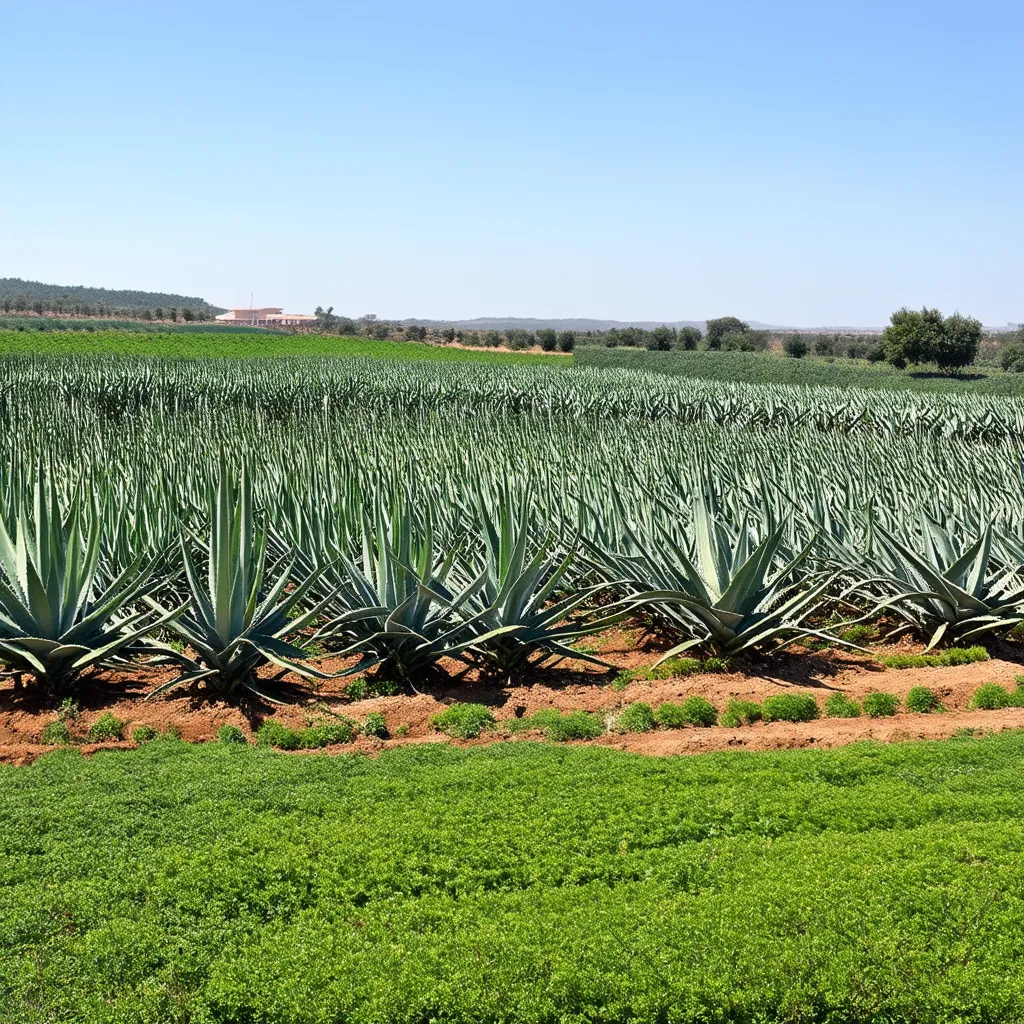
In parts of Kenya long hit by drought-and-low yields, a resilient plant has quietly become a cash-cow for farmers: aloe vera. With its low input costs, drought-tolerance and booming demand from the cosmetics, pharmaceutical and wellness industries, aloe vera farming is providing a pathway out of poverty for many rural households.

Why Aloe Vera?

Here are some of the factors making aloe vera especially attractive:

  • Drought-resilient & low-maintenance: The plant thrives in arid and semi-arid areas of Kenya where many other crops struggle. For example, in regions like Baringo County farmers have planted aloe vera in rangeland and dry soils.
  • Growing global demand: Aloe vera is used in skin-care, cosmetics, health/medicinal products, drinks, soaps, shampoos etc. This means there’s a strong market pull for raw leaves, gels, sap and processed derivatives.
  • Low competition & emerging supply: While demand is high, supply in Kenya remains lower than potential, giving farmers an advantage. For instance, one report noted “low supply, processors wooing farmers” in Kenya.
  • Multiple revenue streams: Beyond selling raw leaves, value-addition (gel, sap, processed products) can boost returns.
  • Good for marginal lands: Because aloe vera can be grown on poorer soils and doesn’t need to compete heavily with food crops, it’s ideal for marginal areas and helps diversify farm income.

How Much Money Are Farmers Making?

Here are some real-world figures from Kenya:

  • In Kenya, a kilogram of fresh aloe vera leaves recently retailed at around KSh 35 (up from KSh 25 two years earlier) in some processor deals.
  • One acre could hold ~4,000 plants. With good yields and multiple harvests per year, estimated earnings could reach KSh 840,000/acre up from ~KSh 600,000 in earlier years.
  • In Baringo County: It’s estimated that about 6,000 kg of aloe vera sap (per acre) are possible and the earnings could be about KSh 1.8 million monthly under ideal conditions (though this may reflect very optimistic scenarios).
  • One farm estimate: For established aloe plants, a harvest every 3-4 months, and over a year the potential of up to Sh3.35 million per acre was cited.
  • Basic business-plan estimates: On a smaller scale the profit per acre per year for aloe vera farming in Kenya was cited at around KSh 100,000-200,000 depending on costs.

So yes — the potential is significant. But as with all things agribusiness, actual results depend on many factors.

Key Steps to Making It Work

If you’re thinking of going into this business (or writing about one who is), here are the major steps:

  1. Select the right species & planting materials
    In Kenya, the species often cited are Aloe barbadensis (also called Aloe vera barbadensis) and some other aloe types. Use certified seedlings or cuttings from healthy plants. Avoid wild plants without permission (more on regulation later).
  2. Land preparation, spacing & planting
    • Choose well-drained, sandy or loamy soils; aloe does poorly in heavy water-logged soils.
    • Spacing can vary but dense enough to maximize yield (some reports: 4,000 plants per acre)
    • Because the plant is drought tolerant, irrigation can be minimal once established, but initial watering and care help.
  3. Maturation & harvesting
    • The plant typically takes 18-24 months (sometimes 2–3 years) to reach a good maturity for commercial harvesting.
    • Once mature, leaves can be harvested every few months (3-4 months or so) from each plant. Only the older outer leaves are often removed.
    • Typical yields cited: ~60,000 kg per acre per year in some Kenyan cases (this is high and assumes optimal conditions)
  4. Marketing & value-addition
    • Raw leaf sales are one option. For instance, local buyers in Kenya purchase leaves for KSh 30-35/kg in some cases.
    • Better value comes from extracting gel or sap, or processing into creams, soaps, juices, etc. This captures more of the value chain.
    • Establishing linkages with processors (domestic or export) is critical. Some counties in Kenya signed MOUs with firms for purchase agreements.
  5. Regulation, sustainability & good practice
    • Because many aloe species are regulated (especially wild harvested ones), you must check permissions/permits before large-scale harvesting of wild sources.
    • Good agricultural practices: clean planting material, pest/disease management, proper harvesting to avoid damaging plants, sustainable spacing & crop rotation.
    • Environmental benefits: aloe can contribute to land restoration in arid areas, soil moisture retention, and can be part of agro-forestry or land-degradation control.

Challenges & Things to Watch

  • Market risk & price fluctuation: While demand is strong, raw leaf prices can vary, and value-addition requires more investment and know-how. For example, some farmers stopped expanding because the price offered was too low (Sh300-400/kg vs ideal) in one region.
  • Initial maturity wait: It takes time — 18-24 months or more — before you get commercial yields, so farmers must plan for interim periods.
  • Access to planting material & quality: Good seedlings/cuttings cost more initially; poor quality can affect yields.
  • Logistics/processing infrastructure: For value addition, you need access to processors or the capacity to process yourself; otherwise you’re limited to selling raw leaves.
  • Regulation & wild harvesting limitations: Some aloe species are endangered or regulated for trade; ensure you are compliant.
  • Land tenure and scale: Some farmers in communal/rangeland settings face land-rights or scale limitations (though some successes exist among women’s groups)

Real-life Story: Women Farmers in Laikipia

In Ilpolei, Laikipia North, a women’s group (the Ilpolei Twala Cultural Manyatta Women group) took advantage of community land reforms to gain land rights and started growing aloe vera for export to the UK. They were selling raw leaves at around KSh 380-400 per kilogram in the UK market (two leaves equalled a kg).

The income has improved their livelihoods significantly: it gave them a means to generate cash, send girls to boarding school and feel less vulnerable to drought losses.

Why This is Big for Rural Kenya

  • Offers a viable income stream for semi-arid areas where other crops fail.
  • Helps diversify farm income and reduce reliance on livestock or rain-fed cereals.
  • Generates employment (planting, harvesting, processing, marketing) including among women and youth.
  • Encourages value-addition and export linkages, so more of the value stays in Kenya.
  • Aligns with climate resilience (low water requirement, hardy crop) which is increasingly important in a changing climate.

If well managed, aloe vera farming is not just a “side crop” but a serious business with potential for millions of Kenyan shillings in earnings per acre in good conditions. It’s proving especially meaningful in drylands where traditional farming is risky. That said, the success depends on good farming practice, market linkages, initial patience, and value-addition strategies.

Prophecies of leaders’ deaths in East Africa

When Prophets Predict Death: The Alarming Rise of Doomsday Declarations in East Africa

What Does God Say About Prophecy and Divination?

Before examining the growing prophecies of leaders’ deaths in East Africa, it’s crucial to return to the biblical foundation of prophecy itself.

In Scripture, prophecy is portrayed as a holy communication — a message inspired by the Spirit of God, meant to guide, correct, or edify (2 Peter 1:21, 1 Corinthians 14:3). True prophets in the Bible often spoke with humility, clarity, and accountability, warning people toward repentance rather than exploiting fear.

However, the Bible also repeatedly warns about false prophets and diviners. Deuteronomy 18:10-12 sharply condemns those who “practice divination, interpret omens, or consult the dead,” calling such practices detestable to the Lord. Likewise, in Jeremiah 23, God rebukes prophets who “prophesy lies in my name… saying, ‘I had a dream!’ when I did not send them.”

In essence:

  • God’s prophecy leads to repentance, restoration, and righteousness.
  • False or occult prophecy leads to fear, confusion, and manipulation.

That distinction is vital when judging whether a “prediction” — particularly about death — comes from divine revelation or from darker, deceptive influences.

A New Kind of Prophetic Politics

In recent years, prophecies of leaders’ deaths in East Africa have begun to dominate pulpits, social media timelines, and news bulletins. From Nairobi to Kampala, a new class of self-declared “prophets” has emerged—each claiming divine insight into the fate of presidents, opposition leaders, and influential figures.

The most sensational examples have involved Kenya’s late opposition icon Raila Odinga, who, months before his death in October 2025, was the subject of several circulating “prophecies.” A Nigerian cleric, Primate Elijah Ayodele, had earlier issued a broad warning that a “prominent Kenyan politician” would die and that the national flag would fly at half-mast. When Odinga eventually passed, social media lit up with claims that the prophecy had been “fulfilled.”

But beneath the spiritual theatrics lies a growing unease: Is this prophetic culture enriching faith—or weaponizing it for fear, fame, and influence?

The Prophecy Boom

Prophecies have deep roots in African spirituality. From pre-colonial seers to charismatic pastors of the Pentecostal age, foretelling events has always been part of the cultural landscape. What’s changed, however, is visibility and velocity.

Thanks to TikTok, YouTube, and WhatsApp, a “prophecy” can go viral within minutes. Some videos rack up millions of views, amplified by followers who interpret every sickness, flight delay, or rumor as proof of divine revelation.

In Kenya, Uganda, and Tanzania, these “prophetic” declarations are now routine—covering elections, weather, and increasingly, death. Politicians themselves sometimes attend such churches, blurring the line between faith and political theater.

When Faith Becomes Fear

At face value, a prophecy may seem harmless — an expression of personal belief. But predicting the death of a living person, especially a public leader, carries far-reaching psychological, social, and political risks that can destabilize communities and shake faith itself.

Fear and Anxiety

Such prophecies can induce mass panic, especially among followers who see their leaders as symbols of national stability. For instance, Raila Odinga’s supporters often took to social media to rebuke prophecies of his death, interpreting them as acts of spiritual warfare.

This kind of fear is not new. The Bible records a strikingly similar episode in the life of King Hezekiah (2 Kings 20:1–6). When the prophet Isaiah delivered a divine message — “Set your house in order, for you will die and not recover” — Hezekiah was overwhelmed with grief and fear. In desperation, he turned his face to the wall and prayed earnestly for mercy. Moved by his sincere repentance, God reversed the decree and granted him fifteen more years of life.

The story of Hezekiah reveals how deeply a prophetic message — even one from a true messenger of God — can affect the human heart. It shows that words spoken under divine authority carry immense emotional weight. In modern times, when “prophecies of death” circulate publicly without clear divine validation or pastoral sensitivity, they risk spreading anxiety rather than inspiring repentance or faith.

Political Exploitation

Death prophecies can easily become tools of manipulation. Rival politicians or power brokers might exploit them to discredit opponents or influence voter sentiment. In fragile democracies, even a rumor about a leader’s death can trigger succession anxiety, ethnic tension, or market instability — effectively weaponizing faith for political gain.

Erosion of Faith Credibility

When prophecies fail to come true, believers grow disillusioned — not only with the so-called prophets but also with religion itself. The cycle of manipulation, disappointment, and spiritual fatigue undermines genuine faith and erodes the moral authority of the church. Over time, society risks confusing theatrics with true spirituality.

Legal and Ethical Gray Zones

Most East African countries lack specific laws governing prophetic claims. While predicting someone’s death may not be explicitly illegal, it often borders on defamation, psychological abuse, or even incitement when done in public. The absence of regulation leaves room for spiritual exploitation and misinformation to flourish unchecked.

How to Tell True Prophecy from Occult Prediction

Discerning whether a message is from God or another source has always been part of the spiritual struggle. The Bible provides practical tests:

  • Test of Truth:
    1 John 4:1 instructs believers to “test the spirits whether they are from God.” A divine message aligns with Scripture and the character of Christ — it does not glorify the prophet or instill terror.
  • Test of Fulfilment and Fruit:
    Deuteronomy 18:21-22 teaches that if what a prophet proclaims does not happen, the message did not come from God. Even when it does “come to pass,” if the outcome leads people away from righteousness or peace, it still fails the divine test.
  • Test of Motive:
    True prophecy carries compassion and warning, not exploitation. Occult-inspired predictions, on the other hand, often seek attention, dominance, or material gain.

In essence, one can discern the spirit of a prophecy by its fruit — whether it edifies or destroys, enlightens or terrifies.

The Social Media Multiplier

Social media has supercharged the spread of prophetic sensationalism. Clips of “prophets” naming or hinting at a leader’s death are edited into dramatic reels—complete with music, captions, and millions of reactions.

Algorithms reward outrage and emotion, not truth. In this ecosystem, the more shocking the prophecy, the higher the reach. Some content creators even monetize the traffic, creating a dangerous feedback loop of fear and profit.

Platforms like Facebook and TikTok are now indirectly hosting what amounts to digital doomsday campaigns—unverified, emotionally charged, and potentially destabilizing.

Religious Authorities Push Back

Established religious bodies are increasingly alarmed. The Kenya Conference of Catholic Bishops and several Pentecostal umbrella organizations have warned believers against “false prophets” who trade in terror. Archbishop Anthony Muheria of Nyeri, for example, urged Christians to “reject sensationalism disguised as prophecy” and instead focus on faith rooted in Scripture.

Some theologians propose tighter oversight—requiring any preacher making public predictions about individuals or nations to submit them to doctrinal review. Others suggest a Prophetic Code of Conduct, much like medical or journalistic ethics, to protect the public from psychological harm.

When Prophecy Meets Politics

In East Africa, where politics often carries spiritual overtones, the intersection between prophecy and power is delicate. Politicians attend crusades and seek “anointing” from popular prophets, knowing it can sway public perception.

But when prophecies predict the death of a sitting or former leader, they don’t just affect individual reputations—they threaten national cohesion. In polarized societies, such claims can fuel conspiracy theories: “Was it a natural death or spiritual warfare?” “Did the prophecy cause it?” These questions sow distrust and division.

What’s at Stake

If left unchecked, the normalization of death prophecies could:

  • Undermine public trust in institutions, as people interpret national events through superstition rather than evidence.
  • Encourage opportunists to exploit grief or fear for financial and political gain.
  • Desensitize society to death itself, turning human mortality into entertainment content.

Over time, prophecy ceases to comfort the afflicted—it becomes a spectacle that afflicts the faithful.

A Call for Responsibility

Faith leaders, journalists, and governments must navigate this terrain carefully. Suppressing religious expression is not the goal—but protecting public welfare is.

There is room for responsible spirituality, where prophecy uplifts rather than terrifies, and where discernment replaces sensationalism.

As Kenya and its neighbors mourn leaders like Raila Odinga, the region faces a moral test:
Will prophecy remain a sacred voice for truth and moral renewal—or will it devolve into a spiritual circus that trades in fear, fame, and finality?

Raila Odinga: The Statesman Who Refused to Hate

A Legacy Forged in Fire, Defined by Grace

Few African politicians embody the tension between struggle and forgiveness as profoundly as Raila Amolo Odinga. For over six decades, his name has stirred passion, loyalty, and controversy in equal measure. From the cold cells of Moi’s detention chambers to the warm glow of the 2018 Handshake and finally, the surprising alliance with President William Ruto’s UDA Party in 2025, Raila’s story has evolved from defiance to reconciliation.

In a nation often fractured by ethnic rivalries and political vendettas, Raila Odinga’s enduring legacy is not merely one of opposition, but of grace under pressure. He has learned — and taught Kenya — that national healing sometimes requires shaking hands with one’s fiercest rivals.

Roots of a Revolutionary

Born on January 7, 1945, in Maseno, Nyanza, Raila Odinga grew up in a household that carried both privilege and burden. His father, Jaramogi Oginga Odinga, Kenya’s first Vice President, was a respected liberation hero and one of the earliest voices demanding political pluralism after independence.

From his father, Raila inherited a restless conscience — the conviction that freedom was meaningless without justice. His mother, Mary Juma Odinga, grounded him in faith and quiet resilience, values that would later serve as anchors through years of imprisonment and political exile.

After attending Maranda High School, Raila left for East Germany, where he studied mechanical engineering at the Technical University of Magdeburg, graduating in 1970. His German education shaped his analytical mind and deep respect for order — traits that would later define his political method.

The Engineer Who Tried to Rebuild a Nation

Raila’s return to Kenya in the early 1970s coincided with the rise of authoritarianism under President Daniel arap Moi. He began as a lecturer at the University of Nairobi and later served as Managing Director at the Kenya Bureau of Standards, where he demonstrated a meticulous, system-driven approach to governance.

But politics was his destiny. Influenced by his father’s reformist ideals, he joined the underground movement advocating for multi-party democracy. That choice would change — and nearly end — his life.

Detention and the Birth of Conviction

In 1982, following the failed coup attempt against Moi’s regime, Raila Odinga was arrested and detained without trial for nearly eight years. Solitary confinement became his crucible. Many expected him to emerge broken; instead, he came out tempered — his fire refined, his anger replaced with purpose.

From that darkness, Raila forged a lifelong belief that change cannot come through vengeance. His later life — marked by reconciliations with former adversaries — was born from this period of suffering.

Champion of Reform and Democracy

When the winds of democracy swept through Kenya in the early 1990s, Raila was among the torchbearers. Together with his father and other reformists, he helped form the Forum for the Restoration of Democracy (FORD), challenging Moi’s one-party state.

In 2002, Raila’s political influence was undeniable. His backing of Mwai Kibaki under the National Rainbow Coalition (NARC) helped end Moi’s 24-year rule. It was a moment of national triumph — one that crowned Raila as a master coalition builder and symbol of change.

But Kenya’s politics remained treacherous. The disputed 2007 elections led to post-election violence that left over 1,300 people dead. As the nation burned, Raila again faced a moral crossroad.

The Handshake with Kibaki — Reconciliation Over Revenge

In 2008, under international mediation, Raila Odinga and President Kibaki reached a power-sharing agreement that created the Grand Coalition Government, with Raila as Prime Minister. The handshake that sealed the deal was more than political — it was moral.

For many Kenyans, Raila’s decision symbolized forgiveness in action. He put aside personal grievance to restore peace. His leadership during that period brought stability and laid the groundwork for the 2010 Constitution, one of the most transformative legal documents in Kenya’s history.

The Handshake with Uhuru Kenyatta — A Statesman’s Second Act

Ten years later, in 2018, after another bitterly contested election, Raila surprised the nation once again by reconciling with President Uhuru Kenyatta. The handshake on March 9, 2018, dissolved years of hostility, cooled nationwide tensions, and ushered in the Building Bridges Initiative (BBI) — an ambitious, if controversial, attempt to reform Kenya’s political structure and promote inclusion.

This second handshake confirmed Raila’s metamorphosis — from radical reformer to elder statesman. He was no longer driven by the desire to win elections but by a deeper purpose: to leave Kenya better than he found it.

The Broad-Based Government with UDA — Reconciliation Redefined

In 2025, Raila’s capacity for reconciliation reached an unexpected crescendo. His ODM Party entered a broad-based government with President William Ruto’s UDA Party, following months of social unrest and political fatigue.

Initially, Raila resisted the idea. He feared it would dilute ODM’s independence and blur Kenya’s democratic lines. Yet the mounting youth protests, economic hardship, and widening national divisions compelled him to act.

In March 2025, at the Kenyatta International Convention Centre (KICC), Raila and Ruto signed a 10-point Memorandum of Understanding (MoU) — a pact to address Kenya’s pressing challenges: youth unemployment, debt transparency, devolution, gender equality, anti-corruption, and the implementation of the NADCO Report.

ODM’s Central Committee subsequently ratified the deal, forming a 10-member joint technical committee to work with UDA counterparts on executing the MoU. For Raila, it was another demonstration that peace sometimes demands compromise.

Critics saw betrayal. Supporters saw maturity. But to Raila, this was not capitulation — it was stewardship. “We must calm the waters,” he told his allies. “When the nation is bleeding, leadership must heal, not harden.”

Forgiveness as Strategy, Reconciliation as Philosophy

Raila’s long journey from prison to partnership reflects a profound inner evolution. His enemies often outnumbered his allies, yet he consistently refused to return hatred for hatred.

He learned that Kenya’s unity could not be legislated — it had to be lived. His handshakes, however politically calculated they appeared, carried a deeper theological rhythm: that reconciliation, not revenge, redeems the soul of a nation.

Behind his calm public persona stands Ida Odinga, his lifelong partner and confidante, whose steadiness through decades of detention, exile, and political warfare has anchored him. Their marriage — one of faith and endurance — mirrors the same patience Raila demands of Kenya itself.

Legacy: The Unfinished Revolution

Raila Odinga’s life is both triumph and tragedy. He may never have worn the crown of the presidency, but his moral authority outlasts political titles. His fingerprints are on Kenya’s greatest democratic milestones — multiparty democracy in 1991, the 2008 peace accord, the 2010 Constitution, and the 2025 broad-based government.

His political story is Kenya’s story — of wounds healed slowly, of democracy bought dearly, and of leaders who learn that forgiveness, not fury, builds nations.

As history judges his journey, Raila will likely be remembered as the statesman who refused to hate, the engineer who tried to rebuild not machines, but people — and the politician who believed that even in defeat, one can still serve.

Newsly KE
Privacy Overview

This website uses cookies so that we can provide you with the best user experience possible. Cookie information is stored in your browser and performs functions such as recognising you when you return to our website and helping our team to understand which sections of the website you find most interesting and useful. View our privacy policy and terms & conditions here.

×