
The Powerful Duo: Why Garlic and Pumpkin Seeds Are Becoming a Go-To Prostate Health Remedy for Men Over 40

Post

The Powerful Duo: Why Garlic and Pumpkin Seeds Are Becoming a Go-To Prostate Health Remedy for Men Over 40

As men cross into their 40s and 50s, prostate health becomes a growing concern. Issues like frequent urination, weak urine flow, night-time bathroom trips, low libido, and prostate enlargement (BPH) become increasingly common. While medical treatment is essential for serious conditions, nutrition is proving to be a powerful first line of defence.

Two simple foods — garlic and pumpkin seeds — are gaining global attention for their natural ability to support prostate health, boost immunity, and improve male vitality. When used together, they form one of the most effective natural wellness combinations for aging men.

Why Pumpkin Seeds Matter: A Prostate Superfood

Pumpkin seeds are among the richest natural sources of zinc, a mineral heavily concentrated in the prostate gland. Zinc levels naturally decline with age, and low levels are linked to:

  • Prostate enlargement
  • Decreased sperm quality
  • Low testosterone
  • Weakened immune function

Pumpkin seeds also contain phytosterols, plant compounds shown to reduce prostate swelling and improve urinary symptoms. These phytosterols work by slowing the conversion of testosterone into dihydrotestosterone (DHT), a hormone associated with prostate growth.

In addition:

  • Magnesium supports muscle function in the bladder
  • Omega-6 and omega-9 fats promote hormonal balance
  • Antioxidants protect prostate cells from damage

For men dealing with early BPH symptoms, few foods offer this mix of prostate-friendly nutrients in one package.

Why Garlic Complements This Perfectly
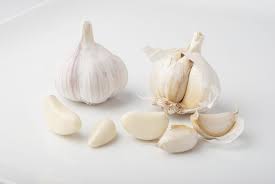
Garlic does what pumpkin seeds cannot:
it improves blood circulation, reduces inflammation, and promotes cellular repair.

Rich in allicin and other sulfur compounds, garlic helps the prostate in several ways:

1. Reduces inflammation

Chronic inflammation is a major driver of BPH and prostatitis. Garlic’s natural anti-inflammatory compounds calm this internal swelling.

2. Fights infection

Low-grade bacterial infections can worsen prostate pain. Garlic is a natural antibacterial and antifungal agent.

3. May reduce prostate cancer risk

Multiple studies link garlic consumption with a lower risk of prostate cancer due to its antioxidant and immune-boosting effects.

4. Improves male hormone balance

Garlic helps regulate cortisol (a stress hormone), allowing testosterone levels to stabilize—important for prostate function, libido, and overall vitality.

Why the Combination Works Better Than Each One Alone

When garlic and pumpkin seeds are consumed together, their benefits reinforce each other:

  • Pumpkin seeds supply zinc, vital for testosterone production and prostate repair.
  • Garlic enhances blood flow, helping nutrients like zinc reach the prostate more effectively.
  • Both foods fight inflammation, reducing the burden on the prostate.
  • Together, they support hormonal stability, immunity, and urinary function.

This synergy is why many herbalists, nutritionists, and men’s health experts recommend using them as a daily natural supplement.

How to Use the Combination (Simple Daily Routine)

Option 1: Morning Prostate Booster

  • 1–2 cloves of raw crushed garlic
  • 1–2 tablespoons of raw pumpkin seeds

Take with a glass of warm water or after breakfast.

Option 2: Smoothie Blend

Blend:

  • 1 tablespoon pumpkin seeds
  • 1 crushed garlic clove
  • Banana or apple
  • Water or milk of choice

Option 3: Cooking Method

Add garlic to your meals and snack on pumpkin seeds throughout the day. Consistency is more important than timing.

Are There Any Side Effects?

Most men tolerate this combination well. However:

  • Garlic may irritate a sensitive stomach if eaten raw.
  • Avoid excessive garlic if you take blood thinners.
  • Pumpkin seeds are calorie-dense—stick to 1–3 tablespoons daily.

Always consult your doctor if you have a pre-existing prostate condition or sudden, severe urinary symptoms.

The combination of garlic and pumpkin seeds offers a powerful, natural way to support prostate health, especially for men aged 40 and above. Their anti-inflammatory, immune-boosting, hormone-balancing, and nutrient-rich properties make them a smart addition to any long-term wellness plan.

They won’t replace medical treatment for serious conditions, but they can play a key role in prevention, symptom reduction, and overall male vitality.
War Over the Sea? Kenya Responds to Uganda’s Bold Claim on Indian Ocean Access

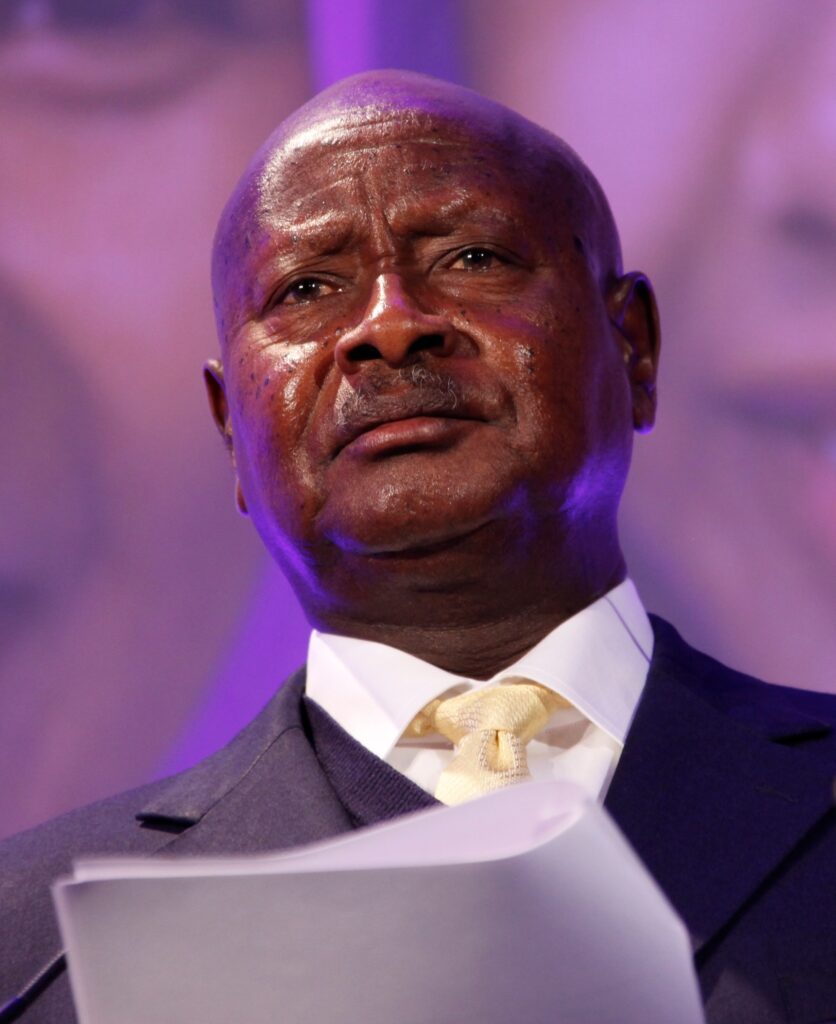
In a dramatic turn in East-African diplomacy, Yoweri Museveni — President of Uganda — has publicly asserted that his land-locked country is “entitled” to access the Indian Ocean, warning that “in the future we are going to have wars” if that access remains obstructed.

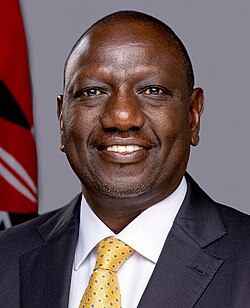
His remarks were met with a measured yet firm response from the government of William Ruto in Kenya, which underlined the need for diplomacy, adherence to sovereignty and international law — while sidestepping any escalation.

Museveni’s Claim: “That Ocean Belongs to Me”

In a recent radio broadcast from Mbale, Uganda, President Museveni deployed a striking metaphor: Africa as a multi-storey apartment block, with coastal states on the ground floor monopolising the “compound” (the ocean), while land-locked states like Uganda are on higher floors complaining of exclusion:

“How can you say that you are on a block of flats, that the compound belongs only to the flats on the ground floor? … That compound belongs to the whole block.”
“That ocean belongs to me… I am entitled to it. In future, we are going to have wars.” Daily Express+1

He couched the issue in both economic and defence terms: without direct sea access, Uganda is “stuck” when it comes to exporting products or forming a navy.

Analysts view the statements as reflecting deep-seated frustration by Uganda over perceived bottlenecks in its logistics and trade corridors — and perhaps also calculus ahead of its 2026 presidential cycle.

Kenya’s Response: Calm Over Confrontation

Nairobi did not respond with reciprocated threats. Instead, the Kenyan government through Foreign Affairs Principal Secretary Korir Sing’Oei reiterated Kenya’s commitment to cooperation and regional norms while emphasising its territorial integrity:

  • “I will not comment much on what President Museveni said with respect to our oceans… but I believe very much that he does have a fairly great understanding… of our rights with respect to our natural resources.”
  • Kenya reaffirmed that it operates under the framework of international law, and that its relationship with Uganda across trade, infrastructure and diplomacy remains intact.

The tone adopted points to a strategy of defusing rather than escalating — signalling that while Kenya takes the claim seriously, it rejects war-talk or unilateral threats.

Why This Matters: Trade, Sovereignty & Regional Integration

Economic stakes
Uganda’s export‐import chains rely heavily on Kenya’s maritime infrastructure (primarily the Port of Mombasa). Delays, high costs or perceived discrimination can aggravate Kampala’s frustration.

Sovereign and strategic dimension
Museveni’s linking of “navy formation” and “defence access” to the sea touches on deeper issues of state security and regional alignment. While primarily rhetorical, it does raise questions about how land-locked states navigate sovereignty in a regional environment.

Regional integration and EAC dynamics
Both countries are members of the East African Community (EAC). Cooperation on infrastructure—railways, pipelines, ports—has been promoted as key to deeper integration. Museveni’s statement may serve as a pressure point to accelerate commitments.

Risks and Road Ahead

  • While the term “war” is alarming, Kenya’s response suggests the rhetoric remains symbolic rather than immediate. That said, persistent unresolved access issues could spiral into diplomatic or infrastructure standoffs.
  • The matter could prompt fresh negotiations with clearly defined mechanisms for Uganda’s access rights, transit fees, or perhaps alternative corridor arrangements through neighbouring states like Tanzania.
  • Domestic political calendars may influence the tone on both sides: in Uganda, Uganda’s election year may encourage bold rhetoric; in Kenya, the government must balance regional stability with domestic perceptions.

President Museveni’s blunt assertion that “that ocean belongs to me” may serve less as a literal roadmap to war than as a rhetorical gambit signalling impatience with protracted negotiations and structural disadvantage. Kenya’s measured response under President William Ruto underscores a preference for diplomacy over confrontation.

The episode invites deeper reflection: while the geography of East Africa may be fixed, the political, legal and infrastructural frameworks that distribute access and opportunity are still evolving. How Kenya, Uganda and the broader EAC navigate this will shape not just bilateral ties, but the region’s economic and strategic trajectory.

For now, the war-warnings remain in the realm of bold talk — but the sub-text is unmistakable: land-locked or coastal, the quest for access, equity and infrastructure in East Africa remains unfinished.

Museveni Sparks Regional Storm After Warning of Future Wars Over Indian Ocean Access

Ugandan President Yoweri Museveni has stirred a wave of diplomatic tension in East Africa after declaring that Uganda is being unfairly denied access to the Indian Ocean—warning that such exclusion could spark future wars in the region.

Speaking during a live radio interview in Mbale City last weekend, the veteran leader said that although Uganda is landlocked, it has an inherent right to access the ocean, which he described as belonging “to all Africans.” His remarks have since triggered strong debate across Kenya, Tanzania, and the wider East African Community (EAC).

“That ocean belongs to me. I am entitled to that ocean,” Museveni said. “In the future, we’re going to have wars if people keep behaving as if they own it alone.”

Museveni likened Uganda’s position to that of a tenant living on an upper floor of a building, complaining that the “ground-floor neighbours” — in this case, coastal states such as Kenya and Tanzania — are hoarding shared facilities like the compound and gate.

Rhetoric Raises Diplomatic Questions

The statement has drawn concern from regional observers who fear the comments could strain long-standing trade and diplomatic relations between Uganda and its coastal neighbors.

Kenya, Uganda’s main trade corridor partner, has yet to issue an official response. However, senior diplomatic sources in Nairobi described the remarks as “unfortunate and unhelpful,” suggesting that Museveni’s words could undermine regional cooperation efforts under the East African Community framework.

“This is not the kind of language we expect from a founding member of the EAC,” one Kenyan official said on condition of anonymity. “We understand Uganda’s logistical frustrations, but threats of war are not a way to resolve them.”

Underlying Frustrations Over Trade Routes

Uganda, like other landlocked countries, relies heavily on Kenya’s Port of Mombasa for imports and exports. The country also uses the Northern Corridor, a transport route linking Mombasa to Kampala, Kigali, and beyond. Delays, congestion, and increasing logistical costs have long been sore points between the two nations.

Analysts believe Museveni’s statement reflects mounting frustration over infrastructure dependence rather than an actual threat of military conflict.

“Museveni is voicing a deeper issue—Uganda’s strategic vulnerability,” said Dr. Peter Mugisha, an economist at Makerere University. “When you depend on another country’s port for your survival, you lack leverage. His comments are symbolic, not literal, but they reveal a long-standing geopolitical anxiety.”

International Law and Access Rights

Under international law, particularly the United Nations Convention on the Law of the Sea (UNCLOS), landlocked states do not have direct maritime rights but are entitled to freedom of transit through coastal states for trade purposes. These arrangements are typically negotiated through bilateral or regional agreements.

Legal experts argue that Museveni’s assertion that the Indian Ocean “belongs” to Uganda stretches the limits of that framework.

“Access is one thing; sovereignty is another,” said Nairobi-based maritime lawyer Grace Njoroge. “Uganda’s right is to passage, not possession. The president’s comments may be politically charged rather than legally grounded.”

Regional Implications

Museveni’s words have sparked online debate, with some Ugandans defending his position as a call for “economic justice,” while others worry it could isolate the country diplomatically.

In Kenya, many social media users have dismissed the remarks as “political theatre,” with others warning that such rhetoric could undermine investor confidence and cross-border trade.

Meanwhile, Tanzanian commentators have reminded Uganda that it already has access to the Indian Ocean through the Central Corridor and the Port of Dar es Salaam, which has seen increased Ugandan traffic in recent years.

Domestic and Political Context

Museveni’s fiery rhetoric comes amid speculation that he is preparing for another election cycle. The long-serving leader, in power since 1986, has a history of blending nationalist and pan-African themes to rally domestic support.

Some observers see his Indian Ocean remarks as part of that strategy — casting Uganda as a victim of structural unfairness while projecting strength and defiance.

“Every time the political temperature rises at home, Museveni shifts the narrative to sovereignty and national pride,” noted political analyst Josephine Alupo. “This is a classic play from his script.”

Looking Ahead

The East African Community has not yet commented formally, though sources in Arusha indicate that the secretariat may convene a special consultation to defuse potential misunderstandings among member states.

Whether Museveni’s comments signal a serious policy shift or a moment of rhetorical provocation remains to be seen. But one thing is clear: the Ugandan leader has reignited a debate about how landlocked nations can claim a fair share of regional prosperity without destabilizing their neighbours.

As East Africa continues to push for economic integration through shared ports, pipelines, and railways, Museveni’s warning has thrown a new spotlight on an old question — who really owns the ocean?

Gospel Singer Betty Bayo Dies After Battle with Leukemia

Kenya’s gospel fraternity is in mourning following the death of renowned artist Beatrice Wairimu Mbugua, popularly known as Betty Bayo.

Bayo passed away on Monday, November 10, while receiving treatment at Kenyatta National Hospital in Nairobi. Her passing was confirmed by her former partner, Pastor Victor Kanyari, with whom she had two children.

In a heartfelt social media post, Kanyari wrote, “R.I.P Mama Sky. The mother to my kids.”

Further confirmation came from Bishop Muthee Kiengei, who revealed that the gospel star had been battling leukemia.

“Living a life of praising God and business, the mother of two has been a jovial artist until lately when she was diagnosed with blood cancer (leukemia) at an advanced stage,” Bishop Kiengei wrote.
“She leaves behind a legacy of great contribution in the growth of the gospel music industry, friendship, and a soul that maximised its full potential. She has rested after serving. My condolences to her mum, husband, siblings, friends, the music industry, and her beautiful children. Rest in peace, Betty Bayo — cancer will also die one day.”

Betty Bayo rose to fame through her hit song “Eleventh Hour,” which became an anthem of hope and perseverance across Kenya’s gospel circles. Her music — often filled with messages of redemption, grace, and encouragement — touched thousands of believers nationwide.

Beyond her artistry, Bayo was celebrated for her infectious joy, humility, and authenticity, qualities that endeared her to fans and fellow musicians alike.

As tributes continue to pour in, the gospel industry remembers her not just as a singer, but as a symbol of resilience and unwavering faith in the face of adversity.

Funeral arrangements are yet to be announced.

May her soul rest in eternal peace.

Economic habits of the rich

5 Economic Habits That Separate the Rich from the Broke

Money doesn’t just disappear — it flows, and the direction it flows often depends on habits. While luck and opportunity play their roles, financial outcomes are largely shaped by consistent patterns of behavior. Some people unconsciously sabotage their financial growth, while others make small, deliberate choices that compound into lasting wealth.

Here are five key economic habits that separate the rich from the broke — lessons that apply across Kenya, Africa, and the world at large.

1. The Rich Spend Intentionally — The Broke Spend Emotionally

Money has a powerful emotional charge. The broke spend money to feel good; the rich spend to get results. For the average broke person, payday feels like relief — and spending becomes a reward for enduring stress. That’s why emotional purchases like the latest phone, new clothes, or spontaneous outings feel irresistible.

The rich, however, see money as a tool — not a trophy. Before every purchase, they ask: Will this make me more money, or will it make me happy for only a moment? They separate needs from wants and build budgets around priorities, not moods.

Example:
In Kenya, many self-made millionaires began their journey by tracking daily spending — from matatu fare to lunch costs — and redirecting waste into savings or investments. It’s not about stinginess; it’s about discipline.

2. The Rich Invest in Assets — The Broke Collect Liabilities

This is perhaps the most misunderstood financial principle. Assets are things that put money in your pocket; liabilities take money out. The broke often mistake luxury for success — buying cars, electronics, or designer fashion that lose value the moment they’re purchased.

The rich, in contrast, look for income-generating assets:

  • Land or real estate that appreciates over time.
  • Businesses that create cash flow.
  • Stocks or unit trusts that compound returns.

Even small investments matter. The rich understand that it’s not about how much you earn, but how much of what you earn keeps working for you.

In short: Broke people buy things; rich people buy value.

3. The Rich Learn Continuously — The Broke Think They Know Enough

Financial ignorance is one of the biggest wealth killers. Many people fear money talk because they were never taught how money actually works. The rich make it their business to learn — reading, asking questions, attending seminars, and following economic trends.

Knowledge multiplies money. When you understand compound interest, inflation, taxation, and market shifts, you make smarter decisions. The broke avoid such topics, calling them “boring” or “complicated.” The rich stay curious, knowing that financial literacy is the true starting point of wealth.

Tip: Follow Kenyan financial thought leaders, read credible business columns, and take short online finance courses. Even one new concept can change how you handle your income.

4. The Rich Plan Long-Term — The Broke Think in Pay Cycles

Ask a broke person about their plans, and you’ll often hear: “I just need to survive this month.” Ask a wealthy person, and they’ll describe a 5-year or even 10-year roadmap.

This difference in time perspective shapes everything. The rich delay gratification. They endure short-term discomfort to reach long-term goals. They think in terms of legacy, not just lifestyle.

For example, a rich mindset sees buying land in a developing area like Joska or Ruai as a strategic move — not an inconvenience. A broke mindset might reject it, preferring the immediate comfort of renting a flashy apartment in the city.

Time, to the rich, is an asset — not an enemy. They understand that wealth builds quietly and steadily.

5. The Rich Multiply Income Streams — The Broke Depend on One

Relying on a single source of income is one of the most dangerous financial mistakes. The rich understand that no job or business is guaranteed forever. That’s why they diversify.

A rich individual might:

  • Run a business and invest in another person’s venture.
  • Earn salary but also have rental income.
  • Save dividends from a cooperative and reinvest profits.

The broke often rely solely on their job, waiting for promotions or government aid. When that one source collapses, their financial world crumbles. The rich design backup plans — multiple, scalable sources that grow with time.

As Warren Buffett famously said, “Never depend on a single income. Make investments to create a second source.”

The Bottom Line

The gap between the rich and the broke is not just about income — it’s about intentional habits. Wealth is not built in one bold move but in small, disciplined decisions repeated daily.

  • Spend intentionally.
  • Invest wisely.
  • Keep learning.
  • Think long-term.
  • Diversify relentlessly.

Anyone can start today — regardless of background or salary. The key is consistency. Even KSh 500 saved and invested each month can grow into something meaningful over time.

Because in the end, it’s not the size of your paycheck that makes you rich — it’s the strength of your habits.

Tanzanian Conflict: Where It’s Headed — A News Feature for the Curious Latecomer

The phrase Tanzanian conflict now shadows what looked, at first glance, like a standard election in East Africa’s stable mainland: the general poll held in Tanzania on 29 October 2025. But what erupted soon after was anything but routine. In this feature we dig into the arc of the conflict, the players, the turning-points, and ask—where might it go from here?

A Vote That Sparked Unrest

On 29 October, Tanzanians went to the polls. Samia Suluhu Hassan, the incumbent president since 2021, secured what the electoral commission recorded as roughly 97.6 % of the vote.
Yet this election saw the two major opposition candidates barred from standing, raising deep questions about fairness and competition.

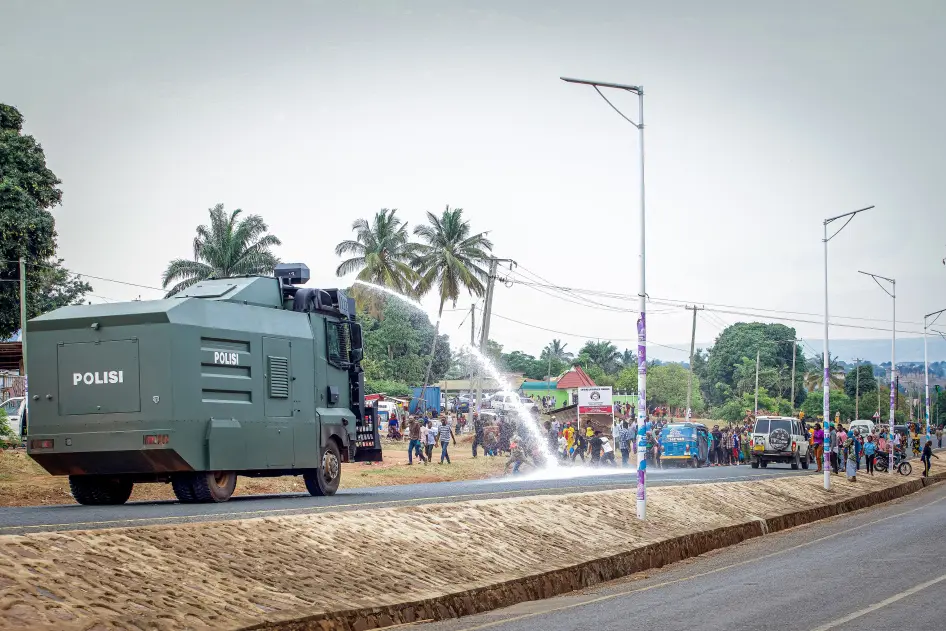
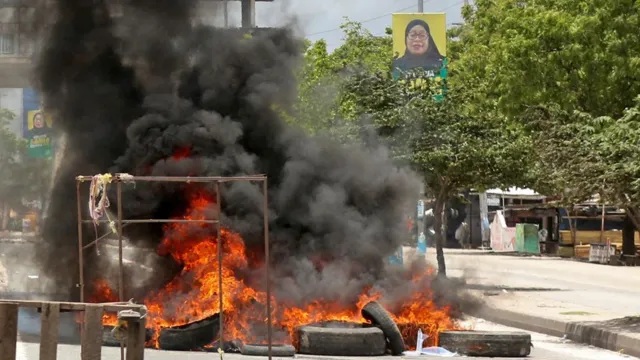
Protests erupted swiftly. In key cities—including Dar es Salaam—youth and urban residents marched, chanted, and confronted security forces, asserting that the poll was a “sham” or “coronation”.

Security forces answered with curfews, internet shutdowns, and military deployment. The commercial capital was under a 6 pm curfew.

Then came the contested claims of death tolls. The main opposition party, Chadema, alleged around 700-plus people killed nationwide. The United Nations’ human rights office put the confirmed number at “at least 10” but expressed alarm over missing verification.

Meanwhile, life in some parts of the country began returning to slow normalcy: internet access was restored; curfews lifted in Dar es Salaam.

So: what started as a highly-managed election turned quickly into the Tanzanian conflict.

Why This Matters

This is not just another electoral hiccup. The Tanzanian conflict carries broader significance.

1. A legitimacy crisis

When an overwhelming victory occurs alongside credible claims of opposition exclusion, public trust erodes. Many citizens no longer see the election as a genuine contest. One student said: “We didn’t vote because the election is a one-horse race.”

2. Youth and urban frustration

The protest waves surfaced from younger urban populations, often facing unemployment and fewer opportunities for political voice. That means the conflict is not just about this election—it signals wider social tension.

3. Information and connectivity control

Authorities’ use of internet shutdowns and curfews illustrate how modern social mobilisation can meet older methods of state response. The blackout itself became part of the conflict.

4. Regional ripple effects

Tanzania’s political stability has regional implications: trade corridors, East African integration, investor confidence. A protracted conflict threatens more than domestic politics; it could have cross-border spill-over.

Where It Might Head: Three Scenarios

Scenario A: The Consolidation Option

The most probable path is that the government re-establishes order, makes minimal concessions, and retains governing control. Protests dwindle under pressure; the opposition is suppressed; the government marches on. In this case the Tanzanian conflict is contained but unresolved.

What might happen:

  • Opposition leaders remain under pressure; limited reforms.
  • A return to normalcy in cities, though trust is low.
  • International donors or investors raise concerns but do not withdraw fully.

Scenario B: Negotiated Freeze

A second possibility is a “pause” rather than closure—a mediated freeze. Regional bodies or international actors push for a limited investigation or dialogue. The government grants some concessions (e.g., release of detainees, independent monitor) and the opposition accepts a “cool-down”. The conflict becomes dormant, not solved.

What might happen:

  • Some political detainees released; communications restored.
  • A framework for “future reform” is announced but not fully implemented.
  • Citizens stay alert – the next wave could come.

Scenario C: Escalation and Prolonged Unrest

The more dangerous route: the conflict deepens. If credible death tolls mount, if security forces splinter, or if the urban protest base escalates into sustained non-violent or even violent resistance, the Tanzanian conflict could tilt into prolonged instability.

What might happen:

  • Further casualties or disappearance reports intensify mobilisation.
  • The economy suffers: tourism dips, investor pull-out, supply chain disruptions.
  • Regional neighbours feel ripple effects (refugees, border unrest).
  • A heavy-handed response deepens alienation, possibly creating a cycle of protest and suppression.

Key Indicators to Watch

  • Security-force behaviour: Will the military/police continue to fire live ammunition? Are there reports of refusals or splits within the security apparatus?
  • Independent casualty verification: When credible casualty counts (from hospitals, NGOs, UN monitors) emerge, the risk of escalation rises.
  • Communication status: If internet/mobile disruptions recur or media is shut down again, the risk of misinformation and radicalisation increases.
  • Opposition strategy: Is the opposition calling for dialogue, electoral reform, or escalation? Are youth groups organising outside party structures?
  • Regional/international pressure: Are regional bodies (e.g., East African Community) or global actors imposing conditions, aid cuts, or sending observers?
  • Economic signs: Are trade/transport corridors disrupted? Are investors pulling out? Does the tourist sector show early signs of weakening?

What Happens Next?

For readers catching up now, the core narrative of the Tanzanian conflict is just beginning. Over the next weeks and months:

  • Watch for whether the government acknowledges any wrongdoing, launches investigations, or holds the line.
  • Note whether the protests peter out or regenerate with new energy (especially among urban youth).
  • Observe if the international community acts more forcefully: public statements alone aren’t enough; tangible pressure would shift incentives.
  • Follow the economic indicators: Tanzania has enjoyed relative stability; a shift there would broaden the stakes.
  • Monitor the region: Tanzania’s neighbours (Kenya, Uganda) may feel indirect effects—through refugees, trade bottlenecks or political contagion.

In short, the Tanzanian conflict is not merely about one election. It is about the legitimacy of governance in Tanzania, the voice of a younger generation, the cost of political exclusion, and the durability of coercive responses in modern states. How Tanzania navigates this moment will matter—for its citizens, for East Africa, and for how we understand elections in a changing era.

As you watch developments unfold, keep in mind that one day’s headline — “government declares landslide victory” — can live beside another: “protests erupt, dozens killed.” The conflict’s direction depends on whether the underlying grievances are addressed or suppressed. What happens next in Tanzania may well shape more than its own future.

Uhuru Kenyatta Health: Former President Opens Up After Losing Close Friend

Nairobi, Kenya – November 1, 2025:
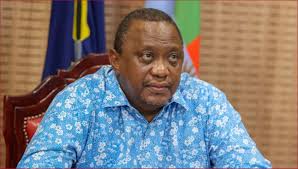
The topic of Uhuru Kenyatta health has sparked renewed public interest after the former president broke his silence about his own health struggles while mourning his close friend, Frank Ireri, the former Housing Finance managing director who passed away on October 28 at age 63.

Speaking at Ireri’s memorial service in Nairobi, Kenyatta revealed that he had been going through a challenging period health-wise, describing how Ireri offered him encouragement and guidance during tough times.

“In the last year — a good part of this year — whenever we met, he was very encouraging. He always guided us on how to face challenges in life, health, and otherwise,” Kenyatta said.

He went on to express that some of his close associates are still “fighting” their own health battles, adding reflectively, “When it is God’s time, we shall join him.” His words painted a picture of friendship, faith, and the shared human experience of vulnerability — topics rarely addressed publicly by Kenya’s political elite.

Kenyatta’s admission offered a rare glimpse into his personal life, breaking the traditional silence that often surrounds the wellbeing of high-ranking leaders. While he did not disclose the specific nature of his health condition, his statement resonated with many Kenyans who praised him for his honesty and humility.

Political observers say the former president’s remarks could help demystify public perceptions about ageing and illness among leaders. In Kenya, such issues are often treated with secrecy, making Kenyatta’s candor both refreshing and humanizing.

Ireri, remembered as a mentor and corporate trailblazer, had reportedly been battling illness for months before his passing. Kenyatta’s tribute not only honored their friendship but also underscored the importance of mutual support and faith during life’s most difficult moments.

A Deeper Message on Strength and Perspective

While the memorial was an occasion of grief, it also became a platform for introspection. The Uhuru Kenyatta health revelation served as a subtle reminder that even public figures — often seen as larger than life — face the same human fragility as anyone else. His remarks encourage open dialogue on health, resilience, and emotional support, especially in a society that often equates strength with silence.

In the end, Uhuru Kenyatta’s health story is less about illness and more about perspective — a reminder that courage is not the absence of struggle, but the grace with which one faces it.

Mayhem After The Tanzanian Elections 2025

The Tanzanian elections held on October 29, 2025, were marked by significant unrest and controversy. The incumbent President Samia Suluhu Hassan, representing the ruling Chama Cha Mapinduzi (CCM) party, was widely expected to win a second term, but the electoral process faced serious criticism and protests. The main opposition party CHADEMA was disqualified from participating, with its leader Tundu Lissu imprisoned on treason charges, which he denies. Another main opposition candidate, Luhaga Mpina, was also barred from running due to legal technicalities. This led to a largely uncompetitive election with only minor parties as opposition, intensifying tensions and allegations of government crackdown on dissent.

Election Context and Controversies

The 2025 elections came after new electoral laws were introduced in 2024 aimed at improving transparency and electoral procedures. However, critics argued these reforms maintained government control over the electoral commission, limiting a fair playing field. The exclusion of key opposition figures and parties, along with arrests and restrictions on political activities, raised concerns about democratic backsliding in Tanzania. Amnesty International and other human rights organizations reported violence during the election day, including fatalities, injuries, and internet shutdowns used to curb information flow.

Election Day and Aftermath

On election day, widespread protests erupted across the country, particularly in Dar es Salaam, where police used tear gas and gunfire to disperse crowds. Curfews were imposed, and civil servants were instructed to work remotely to reduce public gatherings. The unrest included demonstrations against the perceived erosion of democracy and calls for electoral reforms. Despite the chaos, the electoral commission streamed results, showing President Hassan taking an early lead, consistent with the expected outcome but amid a backdrop of serious political tension.

Political and Social Impact

The 2025 elections have sparked debates about Tanzania’s democratic trajectory, with some analysts warning about the quiet collapse of political competition and an increasingly managed democracy under the CCM’s dominance. The political crackdown and exclusion of opposition voices risk undermining public trust in electoral integrity and political freedoms. The government’s actions to suppress dissent also have implications for Tanzania’s international reputation and internal stability.

In summary, the 2025 Tanzanian elections resulted in the anticipated re-election of President Samia Suluhu Hassan amid protests, opposition suppression, legal exclusions, and violent clashes, reflecting deep political divisions and challenges to democratic norms in the country.

Newsly KE
Privacy Overview

This website uses cookies so that we can provide you with the best user experience possible. Cookie information is stored in your browser and performs functions such as recognising you when you return to our website and helping our team to understand which sections of the website you find most interesting and useful. View our privacy policy and terms & conditions here.

×