
Why Israel Recognised Somaliland: A Deep Geopolitical Analysis

Post

Why Israel Recognised Somaliland: A Deep Geopolitical Analysis

On 26 December 2025, Israel shocked the world by becoming the first United Nations member state to formally recognise Somaliland as an independent sovereign state — a status the breakaway region has claimed since 1991 without success from other countries.

The decision has triggered global controversy, sharp diplomatic pushback, and intense debate about the motives behind the move and its implications for the Horn of Africa’s fragile geopolitical balance.

What Happened

Israeli Foreign Minister Gideon Sa’ar announced the recognition in a joint declaration with Somaliland’s President Abdirahman Mohamed Abdullahi, with plans for full diplomatic relations, including embassies and ambassadors.

Netanyahu’s office framed the move as part of Israel’s broader Abraham Accords diplomatic strategy, linking it to efforts at regional cooperation beyond the Middle East.

But global reaction has been overwhelmingly negative:

Why Israel Did It: Strategic Rationales

1. Geostrategic Positioning Along Key Maritime Routes

Somaliland’s location on the Gulf of Aden and near the Bab el‑Mandeb Strait — a chokepoint through which nearly one‑third of global seaborne trade passes — gives it clear strategic appeal.

By recognising Somaliland, Israel gains potential strategic depth on the southern approach to the Red Sea, a maritime theatre increasingly central to global security and economic interests. This is particularly significant amid ongoing Houthi tensions along Yemen’s coast.

Somaliland’s coastline could offer Israel a forward presence to monitor maritime threats and project power, complementing its existing alliances — especially as Red Sea security challenges have grown in recent years.

2. Strategic Realignment Beyond the Middle East

Recognition fits into a broader Israeli push to build partnerships beyond its immediate neighbourhood. The Abraham Accords model — originally designed to normalise ties with Arab states — is being extended to new regional partners.

For Israel, Somaliland represents a rare stable, self‑governing polity in an otherwise fragmented region — a territory that effectively functions like a state. Some analysts argue that this makes Somaliland a more “recognisable” candidate for statehood than other contested areas, despite lack of international acceptance.

3. Countering Regional Adversaries

Some experts see the move as part of a broader strategy to counter groups and states aligned with Iranian interests. The Houthis in Yemen, for example, have been a focal point of recent Red Sea tensions, and Israel may be seeking allies closer to that theatre.

Recognition of Somaliland could be intended to create a security and diplomatic anchor in the Horn of Africa that complements existing efforts against groups like the Houthis and other non‑state actors.

4. Political Messaging and Diplomatic Symbolism

For some Israeli policymakers, the decision also carries symbolic weight — challenging longstanding international hesitancy around Somaliland’s status while positioning Israel as an actor willing to reshape diplomatic norms.

By pointing to Somaliland’s decades‑long self‑governance, Israel has framed recognition as acknowledging a durable political reality rather than creating one.

International Law and Controversy

Many UN member states argue Israel’s decision violates international principles of sovereignty and territorial integrity. Somaliland is still legally considered part of Somalia under the UN Charter, African Union norms, and most international frameworks.

Critics say the move sets a dangerous precedent for other separatist regions across Africa and challenges the outer limits of how statehood is recognised globally.

At an emergency UN Security Council meeting, Israel defended its move as a gateway to cooperation, not confrontation. But many countries remain unconvinced.

Regional and Global Implications

Horn of Africa Stability

Somalia, regional powers, and blocs like the Gulf Cooperation Council have warned that this recognition risks destabilising Horn of Africa politics.

Somalia’s government has pledged to contest the decision through diplomatic and legal avenues, underscoring the risk of escalating tensions.

African Union and Norms of Statehood

The controversy has re‑energised debates over African state boundaries and the late‑colonial “uti possidetis” rule, which holds existing borders inviolable to prevent fragmentation. Critics fear repercussions for other secessionist movements across the continent.

Potential Economic and Security Partnerships

Despite blowback, Somaliland welcomed the recognition as a milestone that may lead to economic development, foreign investment, and broader international partnerships.

Israel and Somaliland have signalled cooperation in areas such as technology, agriculture, health, and security, potentially laying groundwork for future strategic ties.

Israel’s recognition of Somaliland represents a bold but highly contentious diplomatic gamble. It blends geopolitical strategy — centred on maritime security, regional alliances, and broader foreign policy ambitions — with a willingness to challenge entrenched international norms. But the decision has drawn widespread diplomatic condemnations, raised questions about sovereignty and legal precedent, and added a new layer of complexity to both Middle East and African politics.

Whether other countries follow Israel’s lead or whether the move backfires diplomatically will be key in determining its long‑term impact on regional stability and global norms of state recognition.
High Court Petition Seeks Ban on Loud Music in Matatus

A case has been filed at the High Court seeking to bar public service vehicles from playing loud music, with the petitioner arguing that the trend infringes on the constitutional rights and wellbeing of commuters.

In the petition, advocate Samwel Barongo Nyamari accuses the Matatu Owners Association (MOA), the National Transport and Safety Authority (NTSA), the National Environment Management Authority (NEMA), and the Attorney General of failing to curb what he describes as “harsh, deafening and disruptive noise disguised as entertainment” inside matatus.

Nyamari says the loud music played in PSVs amounts to noise pollution and psychological distress, particularly affecting vulnerable passengers such as children, the elderly, the ill, and people with autism or sensory sensitivity.

He told the court that he has been a regular matatu commuter in Nairobi for more than six years and has repeatedly endured what he terms continuous and overwhelming noise levels whenever he boards public transport.

According to the petition, matatu crews allegedly blast music indiscriminately, without considering passengers who may be travelling with babies, older adults with hearing difficulties, exhausted workers, or commuters who may need to make phone calls during their journeys.

Nyamari further argues that commuters are not informed beforehand that they will be subjected to loud music, denying them the ability to make informed choices about the transport services they use.

The petition claims the practice violates several constitutional guarantees — including the right to a clean and healthy environment under Article 42 — on grounds that excessive noise constitutes environmental pollution.

It also cites the right to freedom and security of the person under Article 29, saying the loud music amounts to psychological harm and degrading treatment imposed by private operators.

Additionally, Nyamari argues that the trend breaches consumer rights under Article 46, noting that passengers are entitled to reasonable service standards and adequate information about the services they pay for.

He further links prolonged exposure to loud music to health risks, saying it undermines the right to the highest attainable standard of health — especially for children, the elderly, and persons with sensory or neurological conditions.

The petitioner is seeking court declarations that playing loud music in PSVs is unconstitutional, together with an order barring matatus from playing such music entirely. He also wants NTSA, NEMA, and the Attorney General compelled to enforce compliance should the court grant the orders.

Nyamari accuses regulators of turning a blind eye to a practice that has become widespread despite its potential harm to passengers.

The court is yet to issue directions on when the matter will be mentioned, heard, or determined.

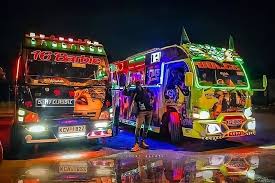
Loud music has become a hallmark of some modern PSVs — popularly known as “nganya” — which are popular among youth and are often fitted with powerful sound systems, flashing interior lights, digital screens, and other entertainment features.

16-Storey Building Under Construction Collapses in Nairobi’s South C

16-Storey Building Under Construction Collapses in Nairobi’s South C

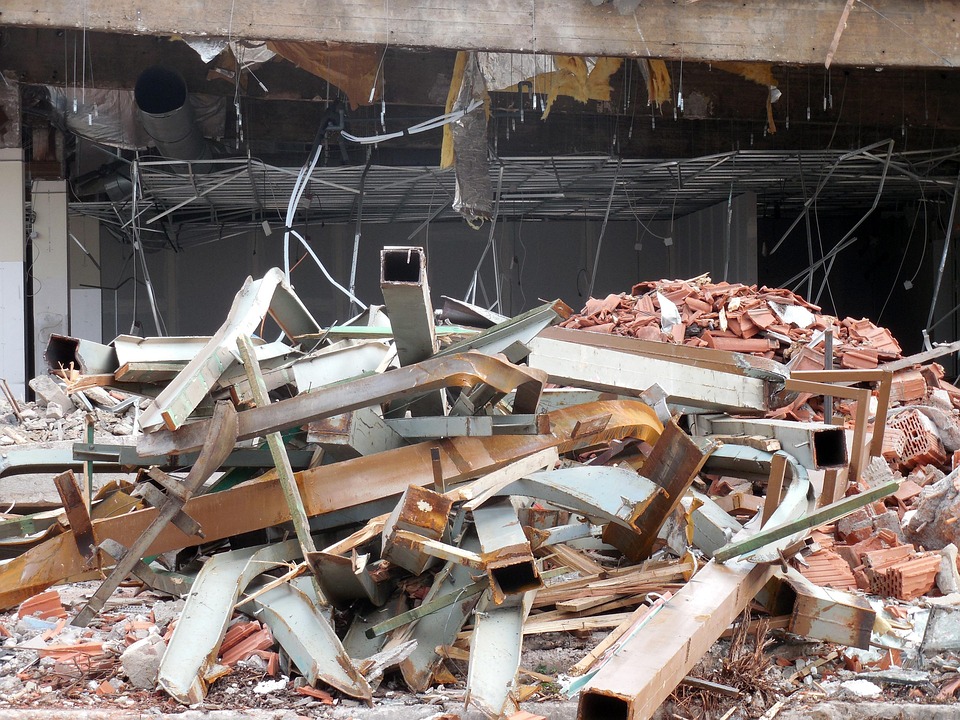
A multi-storey building under construction collapsed on Friday morning ( 2nd Jan 2026) in the Shopping Centre area of Nairobi’s South C estate, sending residents and passersby into panic as a huge cloud of dust and debris spread across the neighbourhood.

Emergency and disaster response teams were swiftly deployed to the scene, though authorities were yet to confirm whether any people had been trapped beneath the rubble or sustained injuries at the time of reporting.

Witnesses said the collapse occurred suddenly, forcing nearby residents, pedestrians, and business owners to flee as sections of concrete and metal came crashing down. Thick dust filled the surrounding streets, temporarily disrupting activity in the area.

The Kenya Red Cross confirmed that a multi-agency team had been mobilised to manage the crisis and undertake search-and-rescue operations.

“The area has been cordoned off as the National Disaster Management Unit, Nairobi City County, the National Police Service, and the Kenya Red Cross continue search and rescue operations,”
the humanitarian agency said in a statement.

The site remained sealed off as officials worked to secure the perimeter and assess the structural integrity of adjacent buildings.

As of publication time, neither the Nairobi City County Government, the National Government, nor the National Construction Authority (NCA) had released an official statement on the cause of the collapse or the status of investigations.

Recent Warnings Over Unsafe Structures

The incident comes less than a month after the NCA issued an alert to residents in Nairobi’s Westlands area following reports of visible cracks in a 13-storey building along Peponi Road. The authority warned that the structure — which was still under construction — was at risk of collapse due to suspected structural failures and dispatched a quality-assurance team to conduct compliance checks.

Cases of building collapses and construction-site safety breaches have been on the rise in parts of Nairobi, particularly in Westlands and its environs.

On July 31 last year, several workers were injured after a wall collapsed at a construction site on 147 Rhapta Road. Reports indicated that the site — allegedly managed by a foreign contractor — had multiple safety violations, including lack of a signboard and inadequate safety-compliance measures.

Earlier in February, one person died after a three-storey building under construction collapsed on Third Avenue in Parklands. Witnesses said the building came down after most workers had left for the day. The deceased, who had remained behind to monitor CCTV equipment, was later found trapped in the debris.

Authorities are expected to release further updates as investigations into the South C collapse continue.

U.S. Attacks ISIS in Nigeria — Comprehensive Analysis


Location: Sokoto State, Northwest Nigeria

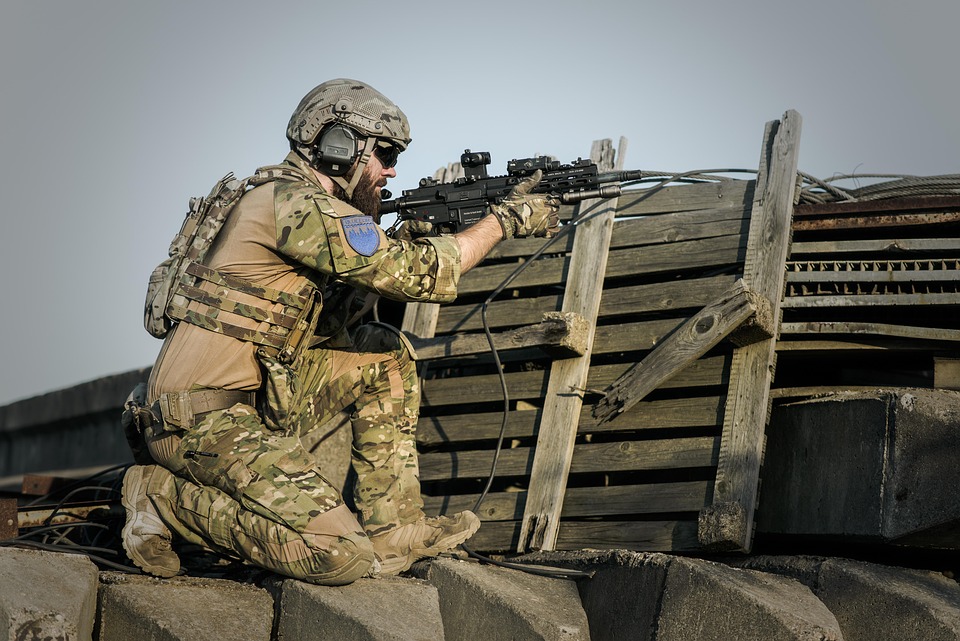
The United States military has launched airstrikes against Islamic State (ISIS) militants in northwest Nigeria, marking a significant escalation in Washington’s counter-terrorism involvement in West Africa. U.S. President Donald Trump announced the strikes, saying they were directed at ISIS forces accused of targeting and killing Christians. The operation was coordinated with Nigerian authorities and focused on militant camps in Sokoto State.

What Happened?

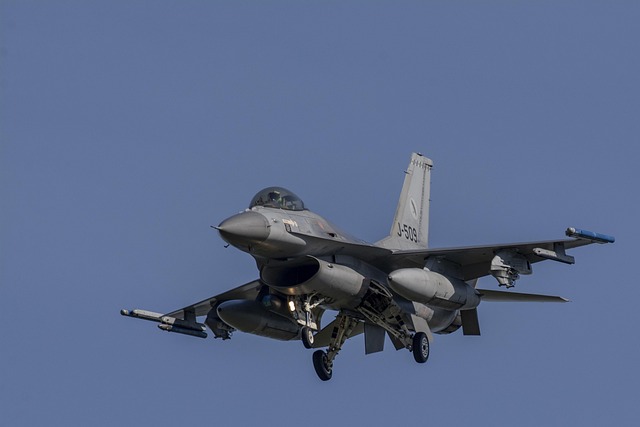
On Christmas Night (Dec. 25, 2025), U.S. Africa Command (AFRICOM) conducted precision strikes against ISIS targets in northwest Nigeria. The exact number of militants killed has not been independently confirmed, but U.S. officials reported multiple fighters were killed, and the operation was executed with Nigerian government approval and intelligence cooperation.

Explosions were reported near villages like Jabo, where residents described the night sky lighting up as missiles hit suspected militant hideouts — though some locals questioned whether ISIS was present in the areas struck.

Why Now?

The immediate justification for the strikes, according to President Trump, was to respond to violent attacks on Christians in Nigeria — framing the mission as retaliation for what he described as “vicious killings… at levels not seen for many years, and even centuries.”

However, security experts and Nigerian officials caution that the violence in Nigeria is far more complex, with militant groups like Islamic State West Africa Province (ISWAP) and criminal gangs targeting both Muslims and Christians amid broader insecurity in the Sahel and Lake Chad Basin. Nigeria’s government has stressed that terrorism affects all communities and that the U.S. strikes are part of a broader security partnership — not solely a religiously motivated intervention.

U.S.–Nigeria Cooperation and Intelligence Sharing

Nigeria’s Ministry of Foreign Affairs confirmed ongoing structured security cooperation with the United States, involving:

  • Strategic intelligence sharing
  • Precision targeting coordination
  • Airpower support to degrade militant networks

The joint effort is framed as mutually beneficial in confronting transnational terrorism and violent extremism under international law and respect for sovereignty.

Groups Involved: ISWAP, Lakurawa, and Regional Threats

The specific militant targets are believed to be associated with the Islamic State’s Sahel-linked factions, including groups like Lakurawa — fighters who have operated across borders with Mali and Burkina Faso — and smaller ISIS-linked cells exploiting insecurity in northwest Nigeria.

These groups have capitalized on porous borders, weak state presence, and competition over land and resources to expand their foothold, making them targets for coordinated counter-terrorism operations.

Domestic and Regional Reactions

Responses to the U.S. action are mixed:

  • Supporters of the strikes argue that international intervention was necessary after years of high casualty rates and ineffective local responses to terrorism. Groups like Afenifere publicly backed the action and urged unity against armed extremism.
  • Critics and some analysts point out that labeling the violence as primarily Christian persecution oversimplifies Nigeria’s complex conflict dynamics and risks alienating parts of the population.

Geopolitical Implications

The strikes signify a renewed U.S. military engagement in Africa under the Trump administration, following other recent interventions in the Middle East and East Africa. For Washington, targeting ISIS affiliates in Nigeria aligns with broader efforts to counter extremist networks globally — yet it also risks deeper entanglement in regional conflicts.

Nigeria, Africa’s most populous nation and a key U.S. partner in regional security, faces persistent threats from multiple armed groups. Collaboration with the U.S. could bolster counter-insurgency efforts but also raises questions about sovereignty, local governance capacity, and long-term stability.

What Happens Next?

U.S. officials have warned of additional strikes if militant violence continues, and Nigeria reiterated its commitment to joint operations while insisting that counter-terrorism efforts protect all citizens regardless of faith.

As details continue to emerge, the full impact of the December strikes — both on militant capabilities and on Nigerian communities — remains under close observation by international security analysts.

The United States military has launched airstrikes against Islamic State (ISIS) militants in northwest Nigeria, marking a significant escalation in Washington’s counter-terrorism involvement in West Africa. U.S. President Donald Trump announced the strikes, saying they were directed at ISIS forces accused of targeting and killing Christians. The operation was coordinated with Nigerian authorities and focused on militant camps in Sokoto State.

What Happened?

On Christmas Night (Dec. 25, 2025), U.S. Africa Command (AFRICOM) conducted precision strikes against ISIS targets in northwest Nigeria. The exact number of militants killed has not been independently confirmed, but U.S. officials reported multiple fighters were killed, and the operation was executed with Nigerian government approval and intelligence cooperation.

Explosions were reported near villages like Jabo, where residents described the night sky lighting up as missiles hit suspected militant hideouts — though some locals questioned whether ISIS was present in the areas struck.

Why Now?

The immediate justification for the strikes, according to President Trump, was to respond to violent attacks on Christians in Nigeria — framing the mission as retaliation for what he described as “vicious killings… at levels not seen for many years, and even centuries.”

However, security experts and Nigerian officials caution that the violence in Nigeria is far more complex, with militant groups like Islamic State West Africa Province (ISWAP) and criminal gangs targeting both Muslims and Christians amid broader insecurity in the Sahel and Lake Chad Basin. Nigeria’s government has stressed that terrorism affects all communities and that the U.S. strikes are part of a broader security partnership — not solely a religiously motivated intervention.

U.S.–Nigeria Cooperation and Intelligence Sharing

Nigeria’s Ministry of Foreign Affairs confirmed ongoing structured security cooperation with the United States, involving:

  • Strategic intelligence sharing
  • Precision targeting coordination
  • Airpower support to degrade militant networks

The joint effort is framed as mutually beneficial in confronting transnational terrorism and violent extremism under international law and respect for sovereignty.

Groups Involved: ISWAP, Lakurawa, and Regional Threats

The specific militant targets are believed to be associated with the Islamic State’s Sahel-linked factions, including groups like Lakurawa — fighters who have operated across borders with Mali and Burkina Faso — and smaller ISIS-linked cells exploiting insecurity in northwest Nigeria.

These groups have capitalized on porous borders, weak state presence, and competition over land and resources to expand their foothold, making them targets for coordinated counter-terrorism operations.

Domestic and Regional Reactions

Responses to the U.S. action are mixed:

  • Supporters of the strikes argue that international intervention was necessary after years of high casualty rates and ineffective local responses to terrorism. Groups like Afenifere publicly backed the action and urged unity against armed extremism.
  • Critics and some analysts point out that labeling the violence as primarily Christian persecution oversimplifies Nigeria’s complex conflict dynamics and risks alienating parts of the population.

Geopolitical Implications

The strikes signify a renewed U.S. military engagement in Africa under the Trump administration, following other recent interventions in the Middle East and East Africa. For Washington, targeting ISIS affiliates in Nigeria aligns with broader efforts to counter extremist networks globally — yet it also risks deeper entanglement in regional conflicts.

Nigeria, Africa’s most populous nation and a key U.S. partner in regional security, faces persistent threats from multiple armed groups. Collaboration with the U.S. could bolster counter-insurgency efforts but also raises questions about sovereignty, local governance capacity, and long-term stability.

What Happens Next?

U.S. officials have warned of additional strikes if militant violence continues, and Nigeria reiterated its commitment to joint operations while insisting that counter-terrorism efforts protect all citizens regardless of faith.

As details continue to emerge, the full impact of the December strikes — both on militant capabilities and on Nigerian communities — remains under close observation by international security analysts.

Germany’s Empty Churches

Germany’s Empty Churches Repurposed as Congregations Shrink

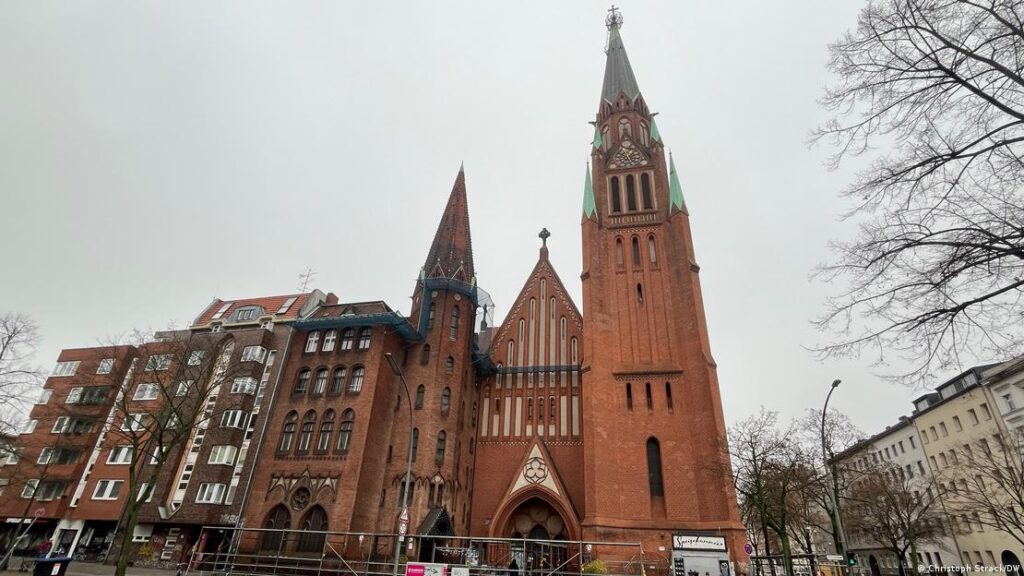
Across Germany, once‑bustling church buildings are falling silent as congregations shrink rapidly due to declining membership. In many communities, centuries‑old houses of worship are being deconsecrated and given new life with entirely different functions — from homes to shops, sports halls to hotels.

Last Service and Emotional Goodbyes

In Gildehaus, near the Dutch border, the small Catholic church of St. Anna’s was filled one last time for its final mass. Choirs and organ music accompanied a congregation saying goodbye. Afterward, parishioners removed sacred relics — tiny fragments of saints traditionally embedded in the altar — making the closure poignantly real. Catholic pastor Hubertus Goldbeck described the moment as deeply emotional for his small parish.

This poignant scene reflects a broader trend across Germany: church communities are shrinking and can no longer sustain the large number of church buildings they once had.

A Rapid Decline in Church Membership

Church membership in Germany has fallen dramatically in recent decades. In 2024 alone, the two major Christian churches — Protestant and Catholic — lost over a million members as people formally left the church or passed away. Today, just over 45% of Germans belong to one of these churches, a steep decline from nearly 69% thirty years ago.

As a result, many churches are being deconsecrated or desacralised — formally taken out of religious use so the buildings can be reused or sold. According to the German Bishops’ Conference, 611 Catholic churches have been closed and decommissioned since 2000, while Protestant authorities estimate another 300–350 closures in the same period.

New Lives for Old Buildings

Once deconsecrated, these church buildings often find unconventional second lives:

  • In Jülich, the former Catholic Church
  • In Wettringen, an abbey has been transformed into a “soccer church,” where people play football inside.
  • In Kleve, a former Protestant church now hosts a boxing arena.
  • Former church buildings across the country are also being used as pubs, libraries, bookstores and even hotels — such as a former convent in Düsseldorf converted into a four‑star hotel while keeping a nod to its religious past.

With housing shortages in many German cities, architects are increasingly converting old churches into apartments. Examples include projects in Berlin, Rostock, Trier, Cologne and Wuppertal. One of the earliest large residential conversions was St. Luke’s Church in Essen, deconsecrated in 2008 and later turned into apartments, with the original abstract stained‑glass windows still visible.

Residents and tenants often value the unique spaces. Alexandra Schröder, who lives in the converted St. Luke’s Church, says the location and practicality convinced her to move in. A physiotherapy practice in the building also now serves the neighbourhood, with its director praising the calm feeling inside the former sacred space.

Mixed Feelings in the Community

Not all reactions to these transformations are positive. Long‑time neighbours sometimes lament the absence of church bells or the stopped clocks on former towers.

Church authorities and researchers are studying how former church buildings can continue to serve communities in meaningful ways. For example, art historian Klaus‑Martin Bresgott and architecture students explored how large unused churches could become valuable public spaces in urban neighbourhoods lacking places to gather, play sports or host cultural activities.

Bresgott notes that the role of church buildings has shifted over time: historically they have served secular functions too — even as stables during the Napoleonic Wars — and should not be written off simply because they’re no longer used for worship.

Kenya’s David Munyua Stuns Darts Fans on Historic World Championship Debut

Kenyan darts player David Munyua has written his name into World Darts Championship history after producing a dramatic first-round victory on his tournament debut at Alexandra Palace in London.

The unseeded Munyua came from two sets down to defeat 18th seed Mike De Decker of Belgium 3–2, becoming the first Kenyan ever to win a match at the prestigious PDC World Darts Championship.

The contest, played on Thursday night, was packed with drama and quality. Munyua overcame early setbacks, including two costly miscounts, and maintained his composure in one of the sport’s most pressurised arenas. In an unusual moment, a wasp landed on his face mid-match — an incident later confirmed by the PDC, which said Munyua calmly removed the insect and placed it in his pocket before resuming play.

Adding to the fairytale, Munyua achieved the milestone using borrowed, budget-friendly darts from fellow professional Cam Crabtree, who had been eliminated earlier. Reacting on social media, Crabtree wrote: “David Munyua has done better than me with my own darts.”

Speaking after the match, Munyua admitted he had not anticipated such an outcome.

“It is amazing. I didn’t expect it, but now it has happened and I’m happy,” he told Sky Sports.
“I’m glad the miscount didn’t affect me. I stayed focused, concentrated and kept the momentum.”

By advancing to the second round, Munyua has secured a minimum of £25,000 in prize money, a remarkable achievement for a player who reportedly had never travelled outside Africa prior to the tournament and had appealed for sponsorship to cover travel and accommodation costs.

The match itself was of exceptional quality. Munyua, who only began playing darts three years ago, survived match darts from De Decker and at one point was six darts into a perfect nine-dart leg. De Decker also flirted with perfection, landing seven flawless darts before narrowly missing treble 19.

The Belgian’s defeat made him the fifth seeded player eliminated in the opening round, joining Ross Smith and Dimitri Van den Bergh among early exits.

Munyua, who qualified through the African Darts Group, will next face either Kevin Doets or Matthew Dennant, with a potential third-round clash against former World Matchplay champion Nathan Aspinall looming if his run continues.

Speaking to BBC Radio 5 Live, Munyua said the reaction back home had been overwhelming.

“It’s going crazy back in my country — everybody is saying, ‘we did it’. It’s a great feeling,” he said.
“Darts is a simple game. You don’t need acres of land — just a room, a board and darts. I hope it grows in Africa the way it has here.”

He also paid tribute to his colleagues at work for supporting his sporting ambitions alongside his professional career.

Reflecting on the winning moment, Munyua added:

“I couldn’t feel my hands. The crowd was going crazy. I had to calm myself because it was do-or-die — Mike is a top player.”

While congratulating Munyua, De Decker later criticised the Alexandra Palace crowd for booing and whistling during the match, calling the behaviour inconsistent with complaints made when UK players face similar treatment abroad.

Munyua’s historic achievement has sparked nationwide celebration in Kenya. President William Ruto joined Kenyans in congratulating the darts star, praising his fearless comeback and describing the victory as one of the tournament’s most memorable moments.

With his debut triumph, David Munyua has not only announced himself on the global stage but has also opened a new chapter for Kenyan and African darts.

Diageo EABL Sale

Diageo Sells Majority Stake in East African Breweries to Asahi for $2.3 Billion

— Diageo, the world’s largest spirits producer, has agreed to sell its 65% stake in East African Breweries Limited (EABL) to Japan’s Asahi Holdings for $2.3 billion, marking its exit from direct ownership of African beer assets.

The transaction values EABL, a Nairobi Securities Exchange blue-chip stock and one of East Africa’s most valuable companies by market capitalisation, at approximately $4.8 billion. The companies said the deal is expected to close in the second half of 2026, subject to regulatory approvals.

The sale represents the largest investment by a Japanese brewer in an African alcohol business to date. EABL operates across Kenya, Tanzania, and Uganda and is best known for its flagship Tusker beer brand, which traces its origins to 1923.

Under the agreement, EABL will retain ownership of Tusker and its other local brands, while entering into new production and distribution arrangements with Diageo for Guinness and selected spirits. Some Diageo products will continue to be imported and distributed by EABL.

London-listed Diageo, maker of Johnnie Walker whisky and Captain Morgan rum, has been under pressure from rising debt levels, shifting consumer preferences—particularly among younger drinkers—and potential tariff increases in its key U.S. market, including proposed measures affecting tequila imports from Mexico.

The company has committed to divesting non-core assets as part of a broader strategy to strengthen its balance sheet and reduce costs. Diageo said the EABL sale aligns with this objective.

“This transaction delivers significant value for Diageo shareholders and accelerates our commitment to strengthening the balance sheet,” said interim Chief Executive Officer Nick Jhangiani.

Following the announcement, Diageo shares rose nearly 2%, while EABL shares gained close to 4%.

Jhangiani is expected to revert to his role as chief financial officer in January, when former Tesco CEO Dave Lewis assumes leadership of Diageo, tasked with revitalising growth at the spirits giant.

For Asahi, the acquisition supports its strategy of expanding beyond mature markets in Europe and Japan into higher-growth regions, including Africa and South America. Asahi President and CEO Atsushi Katsuki said EABL brings a strong portfolio of brands, established marketing capabilities, and robust production infrastructure.

Is a Regional War Brewing in the Larger East African Region?

East Africa’s security landscape is becoming increasingly fraught. The long‑running conflict in eastern Democratic Republic of Congo (DRC)—particularly the resurgence of the M23 rebel group—has escalated sharply, raising concerns about broader regional instability. In late 2025, M23, widely accused of being backed by Rwanda, seized strategic territory including the border city of Uvira, displacing hundreds of thousands and alarming neighbouring states.

The Central Flashpoint: Eastern DRC

Since 2022, M23 has been one of the strongest armed actors in eastern DRC, capturing key cities such as Goma and Bukavu with alleged Rwandan military support. These advances have exacerbated humanitarian suffering and revived fears of a spillover into the wider Great Lakes region. Burundi has publicly warned that continued fighting risks pulling it and other neighbours into conflict. Is a Regional War Brewing in the Larger East African Region?

East Africa’s security landscape is becoming increasingly fraught. The long‑running conflict in eastern Democratic Republic of Congo (DRC)—particularly the resurgence of the M23 rebel group—has escalated sharply, raising concerns about broader regional instability. In late 2025, M23, widely accused of being backed by Rwanda, seized strategic territory including the border city of Uvira, displacing hundreds of thousands and alarming neighbouring states.

The Central Flashpoint: Eastern DRC

Since 2022, M23 has been one of the strongest armed actors in eastern DRC, capturing key cities such as Goma and Bukavu with alleged Rwandan military support. These advances have exacerbated humanitarian suffering and revived fears of a spillover into the wider Great Lakes region. Burundi has publicly warned that continued fighting risks pulling it and other neighbours into conflict.

Although the United States and the European Union helped broker peace agreements between DRC and Rwanda in 2025, these accords have largely fallen apart amid ongoing clashes and mutual accusations of violations.

U.S. Involvement and the Proxy War Narrative

Some analysts and commentators speculate about U.S. intentions in the region, including theories about proxy conflict dynamics. In reality, while Washington has increasingly criticised Rwanda for allegedly fueling unrest at the United Nations, its approach appears rooted in diplomatic pressure and sanctions threats rather than open military confrontation.

There’s no clear evidence that the U.S. is actively arming Burundi as part of a proxy strategy. Instead, U.S. policy has urged restraint and compliance with peace accords. The U.S. has strategic interests in stabilising the Great Lakes region—both humanitarian and geopolitical—but direct military intervention is unlikely absent a dramatic shift in interests or threats to U.S. personnel.

Regional Relationships: Rwanda and Its Neighbours

Claims of Rwanda attacking countries like Uganda or Tanzania are far‑fetched given historical ties, particularly between Rwanda and Uganda. Their leaderships have a long history of cooperation, even if relations have occasionally been tense—making large‑scale conflict between them less probable.

Rwanda’s primary security focus seems anchored on managing what it perceives as threats emanating from eastern DRC. Kigali contends that armed groups like those linked to the 1994 genocide continue operating in eastern Congo, justifying its involvement there.

Kagame’s Strategic Options

President Paul Kagame faces a complex set of choices:

  1. Diplomacy and De‑escalation: Honour peace agreements and negotiate with Kinshasa and international mediators. This reduces the risk of sanctions and isolates the conflict from the region at large.
  2. Containment in Eastern DRC: Maintain a defensive posture focusing solely on threats directly tied to Rwanda’s security narrative, avoiding actions perceived as expansionist.
  3. Escalation Risk: Continued support (direct or indirect) for rebels like M23 might secure tactical gains in eastern DRC but also fuels international criticism and risks retaliation, economic sanctions, or isolation.
  4. Regional Cooperation: Rwanda could work more closely with the East African Community and African Union to build confidence and mitigate fears among neighbours.

Beyond Borders: Broader Regional Dynamics

The conflict in eastern DRC has already drawn in neighbouring states through troop deployments and peacekeeping efforts (e.g., the EAC Regional Force), illustrating how local violence can entangle multiple capitals.

Moreover, economic interdependence—such as Kenya’s role as a trade gateway for landlocked neighbours—means that instability in one state quickly affects others. While this dynamic raises the stakes, it also incentivises cooperation to prevent full‑scale war.

Yes, the risk of broader regional conflict in East Africa has grown due to the complex crisis in eastern DRC. But rather than a straightforward march toward war engulfing the entire region, what’s unfolding is a multi‑layered geopolitical struggle shaped by rebel dynamics, state interests, international diplomacy, and economic interdependence. The U.S. is more likely to remain a diplomatic actor than a combatant, and Rwanda’s leadership must balance security concerns with international norms if it wants to avoid deeper isolation or extended conflict.

Although the United States and the European Union helped broker peace agreements between DRC and Rwanda in 2025, these accords have largely fallen apart amid ongoing clashes and mutual accusations of violations.

U.S. Involvement and the Proxy War Narrative

Some analysts and commentators speculate about U.S. intentions in the region, including theories about proxy conflict dynamics. In reality, while Washington has increasingly criticised Rwanda for allegedly fueling unrest at the United Nations, its approach appears rooted in diplomatic pressure and sanctions threats rather than open military confrontation.

There’s no clear evidence that the U.S. is actively arming Burundi as part of a proxy strategy. Instead, U.S. policy has urged restraint and compliance with peace accords. The U.S. has strategic interests in stabilising the Great Lakes region—both humanitarian and geopolitical—but direct military intervention is unlikely absent a dramatic shift in interests or threats to U.S. personnel.

Regional Relationships: Rwanda and Its Neighbours

Claims of Rwanda attacking countries like Uganda or Tanzania are far‑fetched given historical ties, particularly between Rwanda and Uganda. Their leaderships have a long history of cooperation, even if relations have occasionally been tense—making large‑scale conflict between them less probable.

Rwanda’s primary security focus seems anchored on managing what it perceives as threats emanating from eastern DRC. Kigali contends that armed groups like those linked to the 1994 genocide continue operating in eastern Congo, justifying its involvement there.

Kagame’s Strategic Options

President Paul Kagame faces a complex set of choices:

  1. Diplomacy and De‑escalation: Honour peace agreements and negotiate with Kinshasa and international mediators. This reduces the risk of sanctions and isolates the conflict from the region at large.
  2. Containment in Eastern DRC: Maintain a defensive posture focusing solely on threats directly tied to Rwanda’s security narrative, avoiding actions perceived as expansionist.
  3. Escalation Risk: Continued support (direct or indirect) for rebels like M23 might secure tactical gains in eastern DRC but also fuels international criticism and risks retaliation, economic sanctions, or isolation.
  4. Regional Cooperation: Rwanda could work more closely with the East African Community and African Union to build confidence and mitigate fears among neighbours. ACCORD

Beyond Borders: Broader Regional Dynamics

The conflict in eastern DRC has already drawn in neighbouring states through troop deployments and peacekeeping efforts (e.g., the EAC Regional Force), illustrating how local violence can entangle multiple capitals.

Moreover, economic interdependence—such as Kenya’s role as a trade gateway for landlocked neighbours—means that instability in one state quickly affects others. While this dynamic raises the stakes, it also incentivises cooperation to prevent full‑scale war

Yes, the risk of broader regional conflict in East Africa has grown due to the complex crisis in eastern DRC. But rather than a straightforward march toward war engulfing the entire region, what’s unfolding is a multi‑layered geopolitical struggle shaped by rebel dynamics, state interests, international diplomacy, and economic interdependence. The U.S. is more likely to remain a diplomatic actor than a combatant, and Rwanda’s leadership must balance security concerns with international norms if it wants to avoid deeper isolation or extended conflic

Newsly KE
Privacy Overview

This website uses cookies so that we can provide you with the best user experience possible. Cookie information is stored in your browser and performs functions such as recognising you when you return to our website and helping our team to understand which sections of the website you find most interesting and useful. View our privacy policy and terms & conditions here.

×