Trump’s Iran Attacks Speech

Post

Trump’s Iran Attacks Speech

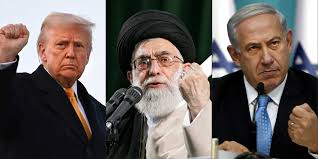
On Saturday, U.S. President Donald Trump delivered a landmark speech announcing major military operations in Iran. The address, released via social media, was a declaration of force against Iranian Supreme Leader Ayatollah Ali Khamenei and the regime, citing imminent threats to the United States and its allies. Trump’s speech outlined the rationale for the strikes, while his remarks were accompanied by claims, historical references, and warnings that require contextual examination.

1. Framing the Threat

Trump described Iran as an “imminent threat” to the U.S., its troops, and allies. He portrayed Iranian leaders as dangerous and aggressive, responsible for decades of violence targeting Americans and regional actors.

Contextual Notes:

  • While Iran does have nuclear capabilities, Trump’s claim of an immediate threat is contested by intelligence assessments, which indicate Iran’s intercontinental ballistic missile capability could be achieved by 2035 if pursued.
  • By labeling the threat as “imminent,” Trump justified unilateral military action under emergency powers without congressional authorization, a move critics argue violates international law.

2. Historical Grievances

Trump referenced the 1979 U.S. Embassy hostage crisis and attacks by Iranian proxies, including the 1983 Beirut Marine barracks bombing and the USS Cole incident, emphasizing Iran’s long-standing hostility toward the U.S.

Contextual Notes:

  • Trump did not mention the 1953 U.S.-backed coup in Iran, which contributed to anti-American sentiment.
  • Historical attacks cited by Trump include over 240 U.S. Marines killed in Beirut (1983) and 17 sailors on the USS Cole (2000), demonstrating the history of proxy and direct attacks.

3. Terrorism and Regional Influence

Trump highlighted Iran’s support for terrorist organizations, including Hamas and Hezbollah, and linked these groups to mass casualties in the Middle East.

Contextual Notes:

  • Iran has provided financial and military support to regional actors, though Tehran denies direct involvement in certain attacks, including the October 7, 2023, Hamas assault on Israel.
  • The speech tied Iran’s regional influence to threats against U.S. forces and allies.

4. Domestic Repression in Iran

Trump condemned the Iranian regime for killing tens of thousands of its own citizens during protests in late 2025 and early 2026, highlighting the regime’s use of force and an internet shutdown to suppress dissent.

Contextual Notes:

  • Death toll estimates vary: government figures (~3,117), human rights organizations (>7,000 verified), UN estimates (20,000+), and some independent sources suggesting up to 43,000 casualties.
  • The crackdown intensified international scrutiny and likely informed U.S. messaging to justify military intervention.

5. Nuclear and Missile Concerns

Trump reiterated his administration’s stance against Iran obtaining nuclear weapons. He cited Operation Midnight Hammer (June 2025) targeting Fordow, Natanz, and Isfahan nuclear sites as prior actions to destroy Iran’s nuclear capabilities.

Contextual Notes:

  • Iran maintains it seeks nuclear material for energy, in compliance with the Nuclear Nonproliferation Treaty.
  • Intelligence assessments dispute Trump’s claims regarding long-range missile development, but his speech emphasized urgency and threat to U.S. security.

6. Military Strategy and Warnings

Trump’s speech emphasized the ongoing, massive nature of the operation, aiming to neutralize Iranian missiles, navy, and proxy capabilities. He warned Iranian forces to lay down arms or face certain death.

Contextual Notes:

  • Trump highlighted U.S. military preparedness, noting prior investments and modernization.
  • He acknowledged the possibility of American casualties, framing them as a sacrifice for long-term national security.

7. Messages to the Iranian People

Trump addressed Iranians directly, urging them to seize control of their government once U.S. operations have neutralized leadership. He framed this as a historic opportunity for freedom and prosperity.

Contextual Notes:

  • Unlike prior U.S. interventions, Trump did not explicitly call for uprising but emphasized regime removal by external force.
  • Historical comparisons suggest such interventions carry risks of instability post-regime change.

Trump’s speech presents a combination of historical grievances, security threats, nuclear concerns, human rights abuses, and regional influence as justification for the U.S.-led military operations in Iran. While the speech uses strong rhetoric and frames the operation as defensive and noble, contextual analysis shows contested claims regarding immediacy of threats, nuclear intentions, and historical causality. The address is a key example of using public communication to frame military action and set both domestic and international narratives.
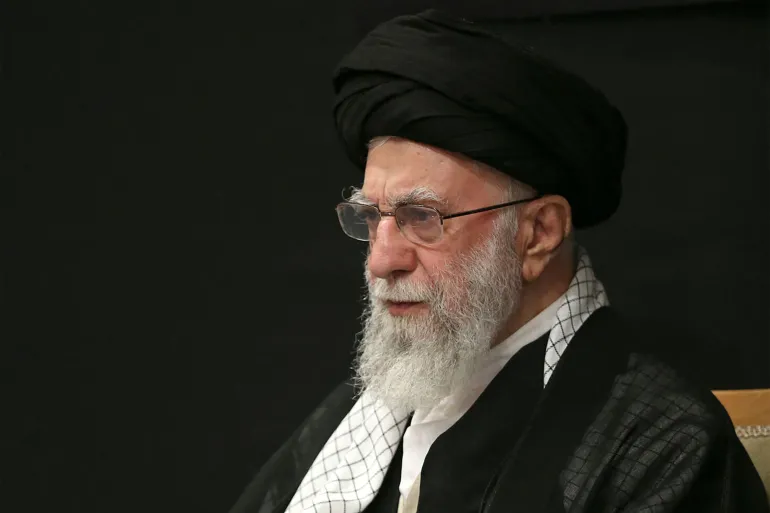
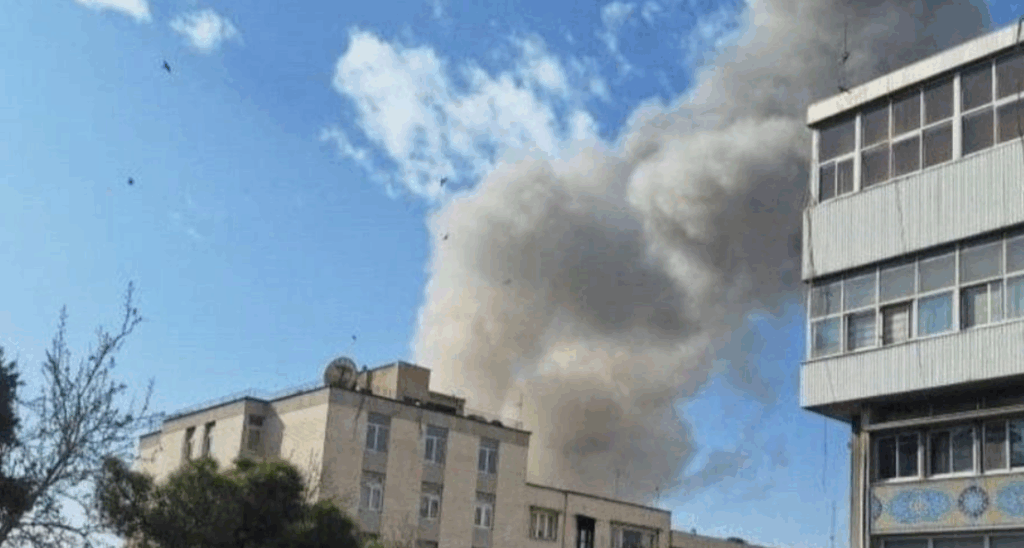
Why Trump Targeted Ayatollah Ali Khamenei: Understanding the 2026 Strikes

In February 2026, international headlines were dominated by one of the most dramatic events in U.S.–Iran relations in recent decades: a military strike that targeted Iran’s Supreme Leader, Ayatollah Seyyed Ali Hosseini Khamenei. The strike marked the culmination of escalating tensions, but its underlying causes are complex, rooted in decades of political, ideological, and regional dynamics. Understanding why former President Donald Trump took this unprecedented step requires a deep look into Iran’s internal situation, its regional influence, and U.S. strategic objectives.

1. Strategic Goals and National Security Concerns

A central rationale cited by the Trump administration was the need to degrade Iran’s military capabilities, particularly its nuclear and missile programs. Iran’s pursuit of nuclear technology, coupled with its expanding missile capabilities, was framed as a direct threat to the U.S., its deployed troops, and regional allies such as Israel and Saudi Arabia.

According to U.S. officials, the operation aimed to reduce Tehran’s ability to project power regionally and to prevent the possibility of Iran obtaining a nuclear weapon. By targeting key figures and military infrastructure, the administration intended to cripple the leadership hierarchy and limit decision-making capacity.

2. Decapitation for Potential Regime Change

Beyond immediate military concerns, analysts and former officials emphasized the goal of political disruption. Trump and his advisers discussed the possibility of a leadership vacuum weakening the Iranian regime’s control. The concept of a “decapitation strike” — removing a top political figure — was intended to destabilize the regime and potentially accelerate internal change.

Khamenei, as Supreme Leader, wielded near-absolute authority over Iran’s government, security forces, and regional operations. Eliminating or neutralizing him was viewed as a way to create uncertainty and disrupt Iran’s command structures, offering the population and reformist elements an opportunity to assert influence.

3. Internal Unrest: The 2025–2026 Protests

One of the most significant contextual factors was the massive wave of protests that swept Iran in late 2025 and early 2026. Triggered by economic hardships, inflation, and long-standing grievances with the Islamic Republic’s governance, demonstrations spread across multiple cities, capturing international attention.

In an effort to control the narrative and hinder mobilization, Iranian authorities imposed a near-total internet blackout starting January 8, 2026. This shutdown severely limited independent reporting and communication, making it difficult for the world to accurately assess events in real time.

The security response was extraordinarily violent. Estimates of deaths vary widely due to restricted information, but multiple sources report staggering figures:

  • Official Iranian numbers: ~3,117 killed.
  • Human rights organizations: over 7,000 verified deaths.
  • UN special rapporteur estimates: potentially over 20,000 fatalities.
  • Independent media and health system data: tens of thousands, with some estimates exceeding 36,000.
  • Extreme assessments: up to 43,000 killed during the crackdown.

This mass killing, coupled with the suppression of communications, represented one of the deadliest internal crackdowns in Iran’s modern history. Analysts suggest that this brutality and systemic repression factored into U.S. decisions, as the international community increasingly condemned Tehran’s human rights violations.

4. Failed Diplomacy and Escalating Tensions

In the months preceding the strike, diplomatic efforts between the U.S. and Iran regarding nuclear negotiations had repeatedly stalled. Officials expressed frustration with perceived Iranian intransigence and delays, leading to a strategic shift from negotiation to military pressure.

Trump framed the military option as a necessary response after diplomacy failed. The combination of stalled talks and visible human rights abuses created a scenario where the administration considered decisive action necessary to protect U.S. interests and deter further destabilizing activity.

5. Regional Alliances and Coordination

The U.S. did not act in isolation. Israel, sharing long-standing concerns about Iran’s regional influence and its support for proxy groups such as Hezbollah, Hamas, and the Houthis, was closely aligned in the strategy. The coordination reflects a broader shared agenda in curbing Iran’s power, though ultimate operational decisions rested with U.S. leadership.

6. Domestic Political Calculations

While strategic and humanitarian justifications were emphasized, some analysts note that domestic politics likely influenced decision-making. For Trump, framing the strike as a strong, decisive action against a historic adversary reinforced his image as a resolute leader on national security. The rhetoric around empowering the Iranian people and condemning regime violence fit into broader political messaging patterns.

A Convergence of Factors

The strike against Ayatollah Khamenei was the result of multiple converging factors:

  • Strategic imperatives to weaken Iran’s military and nuclear capabilities.
  • Desire to destabilize the Iranian leadership through decapitation targeting.
  • Massive internal unrest and human rights violations, including the 2025–2026 protests and internet shutdown.
  • Frustration over failed diplomatic negotiations.
  • Regional coordination with allies like Israel.
  • Domestic political considerations within the U.S.

Understanding these factors helps contextualize the decision beyond headlines and speculation. It reflects a combination of long-term U.S. security concerns, immediate humanitarian and political crises, and a complex geopolitical environment where leadership decisions carry global consequences.

Ayatollah Seyyed Ali Hosseini Khamenei — Full Life Story

Early Life & Family Background

Birth & Origins
Ayatollah Ali Hosseini Khamenei was born on April 19, 1939 in the northeastern Iranian city of Mashhad, one of the holiest cities in Shia Islam as the burial place of Imam Reza.

Family

  • He was the second of eight children born to Javad Khamenei, a well‑known Shia religious scholar (ulema), and Khadijeh Mirdamadi, whose father was also from a religious family.
  • His family lived relatively modestly; they sometimes relied on charity to get by.

Religious Upbringing

  • From a young age, Ali was raised in a deeply religious environment with strong ties to clerical learning and traditional Islamic values.
  • His early exposure to religious teachers and mosque life influenced his lifelong involvement in Islamic scholarship and politics.

Education & Religious Training

Seminary Studies

  • Khamenei began formal religious education at the Hojjatieh School in Mashhad and later the seminary in Qom, Iran’s foremost center for Shia Islamic studies.
  • In Qom, he studied under prominent clerics including Ayatollah Borujerdi and Ayatollah Ruhollah Khomeini, the future leader of the 1979 Islamic Revolution.

Political Awakening

  • While a teenager in the 1950s, he became influenced by anti‑monarchy religious activists and began developing critical views of the Shah’s regime, especially after speeches by militant clerics.
  • By the early 1960s, he joined Khomeini’s clerical opposition and became actively involved in protests and underground movements against the monarchy.

Political Career & Rise to Power

Role Before the 1979 Revolution

  • Khamenei participated in anti‑Shah activism and faced arrest several times for his involvement with the revolutionary clerical movement.
  • He also spent time organizing religious students and spreading Khomeini’s message across Iran.

After the Revolution (1979)

When the Shah was overthrown in 1979 and the Islamic Republic established:

  • Khamenei was named to the Revolutionary Council, a powerful body shaping the new state.
  • He served in several key early Islamic Republic roles, including deputy defense minister and member of the Supreme Defense Council during the Iran–Iraq War (1980–88).

Presidency (1981–1989)

  • In October 1981 Khamenei was elected President of Iran, a position he held for two terms (1981–1989) — one of the earliest major political roles in the post‑revolution government.
  • His presidency was shaped by the context of the Iran–Iraq War and internal political struggles between factions within the Islamic Republic.
  • Khamenei also survived a bombing attack in 1981 that left one of his hands partially paralyzed — a noteworthy moment in his early leadership.

Becoming Supreme Leader (1989)

Context

  • After Ayatollah Ruhollah Khomeini’s death in 1989, Iran’s Assembly of Experts selected Khamenei as Supreme Leader — the highest authority in the Islamic Republic — despite him not being a Grand Ayatollah (the usual highest clerical rank).

Role & Powers

  • As Supreme Leader, Khamenei had ultimate authority over Iran’s executive branch, military, judiciary, and foreign policy.
  • He also controlled the Islamic Revolutionary Guard Corps (IRGC) and shaped Iran’s approach to the wider Middle East and nuclear program.

Ideology & Influence

Religious & Political Views

  • Khamenei was a fervent supporter of the doctrine of Velayat‑e Faqih (Guardianship of the Islamic Jurist), which positions a senior religious leader as both head of state and guide to society.
  • His worldview emphasized resistance to Western influence, especially from the United States and Israel, and strong support for allied Islamist groups regionally.

Writings & Thought

  • He authored religious works and lectures, such as An Outline of Islamic Thought in the Quran (1974), exploring Islamic principles and society from a Shia clerical perspective.

Domestic Leadership & Controversies

  • Khamenei’s rule was marked by strict control over political dissent, media, and civil liberties.
  • Major protests — such as the Green Movement in 2009 and the Woman, Life, Freedom uprising in **2022 after the death of Mahsa Amini — were met with force.
  • His government was criticized internationally and by human rights groups for alleged human rights abuses — including executions of political prisoners and suppression of minorities.

Foreign Policy & Regional Role

Khamenei’s leadership significantly shaped Iran’s role in the Middle East:

  • He supported militant groups aligned against U.S. and Israeli interests, including Hezbollah and the Houthis.
  • Iran’s nuclear program and tensions with Western powers grew notably under his guidance, especially after the U.S. withdrawal from the 2015 nuclear deal.
  • He issued a religious ruling (fatwa) against nuclear weapons production, though Western officials questioned Iran’s nuclear intentions.

Death & Aftermath (2026)

  • According to multiple reports, Ali Khamenei died at age 86 on February 28, 2026, in a joint U.S.–Israeli airstrike on Tehran.
  • His death marked a historic turning point in Iran’s political system and raised immediate questions about succession and domestic political stability.
  • A 40‑day national mourning period was declared, and reactions varied widely within Iran and across the region.

Personal Life & Family

  • Khamenei was from a religious clerical family and maintained private family life compared to his public political role.
  • Details of his spouse and children are generally less publicized in Western media, though Iranian profiles note he had a family and children involved in various professional and political circles.

Legacy

Polarizing Figure

  • Revered by Iranian hard‑liners and supporters of the Islamic Republic’s ideology, but criticized by reformers, dissidents, and many international observers for authoritarian policies and human rights abuses.

Shaped Modern Iran

  • Few figures in recent Iranian history have had as lasting an influence on Iran’s political system, society, and foreign policy as Ali Khamenei — from the revolutionary era through decades of leadership.

BREAKING: Israel Launches Daylight Strikes on Tehran with U.S. Support

Tehran, Iran / Dubai, UAE – February 28, 2026 – Israel has launched a daylight military strike on Iran’s capital, with multiple explosions reported across Tehran, including near the offices of Supreme Leader Ayatollah Ali Khamenei. Smoke rose over downtown Tehran as roads leading to Khamenei’s compound were shut down.

The United States is participating in the operation, according to a U.S. official who spoke on condition of anonymity due to the sensitive nature of the military action. The exact scope of U.S. involvement has not been publicly confirmed. The White House declined to comment immediately.

Targets and Objectives

Israeli officials say the strikes were intended “to remove threats”, focusing on Iran’s military installations, intelligence assets, and government symbols. Israeli Defense Minister Israel Katz did not elaborate further.

The attacks coincide with heightened tensions over Iran’s nuclear program. President Donald Trump and his administration had been pressuring Iran into a deal while Tehran struggles with growing domestic dissent. Iran has repeatedly stated its right to enrich uranium and refused to discuss long-range missile programs or its support for groups like Hamas and Hezbollah.

Immediate Impacts

  • Explosions were first reported near Khamenei’s office; it is unclear whether he was present. He has not appeared publicly in days.
  • Iranian authorities shut down roads and airspace, and mobile phone services were cut across the country.
  • Sirens sounded across Israel as the country issued alerts about potential Iranian missile retaliation. Several hospitals activated emergency protocols, moving patients and surgeries to underground facilities.
  • Iran has warned that American military personnel and bases across the region could be targets for retaliation.

Context

This marks a significant escalation in Israel-Iran tensions today, with potential regional consequences. While casualties have not been reported, multiple explosions continue to rock Tehran. Observers warn of possible retaliatory strikes, raising concerns about wider conflict in the Middle East.

Situation Ongoing

Officials continue to monitor events, and updates are expected as more information emerges from both Tehran and Tel Aviv.

When Greetings Speak Louder Than Words

Small gestures and simple words carry more meaning than we often realize. Whether it’s a high-five across the room, a front hug, or the first line of an email, the way we greet others sets the tone — sometimes in surprising ways.

The High-Five Dilemma

High-fives are supposed to be fun, quick, and neutral. But add a twist — like locking fingers — and suddenly the gesture feels intimate, personal, even confusing.

A casual high-five is safe for friends, teammates, or colleagues. Locking fingers, however, can cross subtle personal boundaries. And it’s not just about the people involved. Many would feel uneasy seeing their spouse or partner engage in such a gesture with someone else. It’s not about jealousy — it’s about the level of closeness that certain gestures imply.

The Front Hug Factor

The front hug is another example of a gesture that communicates intimacy. Unlike a side hug, which is lighter and more casual, a front hug involves full chest-to-chest contact and typically lasts longer.

It’s usually reserved for close friends, family, or romantic partners, and giving one to someone outside that circle can feel too personal or invasive. Observers may also interpret it differently — a front hug can signal emotional closeness or protectiveness, even if that’s not the intent.

So, like locked-finger high-fives, front hugs demand awareness of context, relationship, and social norms.

From “Dear” to “Hi”

If gestures are evolving, words are too. For decades, letters and emails opened with “Dear [Name],” were the gold standard. Formal, polite, and professional — and still perfectly correct.

Yet in modern workplaces, “Dear” can feel stiff, distant, or emotionally heavy. People now prefer “Hi [Name],” or “Hello [Name],” — professional, but warmer and more conversational.

The shift isn’t about correctness; it’s about context and comfort. Use “Dear” when writing to someone new, communicating with institutions, or handling formal requests. Use “Hi” when the conversation is routine, ongoing, or internal.

What It All Means

Whether in body language or written words, awareness of social context matters. Neutral high-fives, thoughtful email greetings, and understanding when a hug is appropriate help interactions land the way you intend.

Small gestures are powerful signals. A high-five, a front hug, or a “Dear” in an email isn’t just tradition — it’s about respect, clarity, and emotional intelligence. Knowing when to be formal, playful, or affectionate keeps your interactions smooth, thoughtful, and comfortable for everyone.

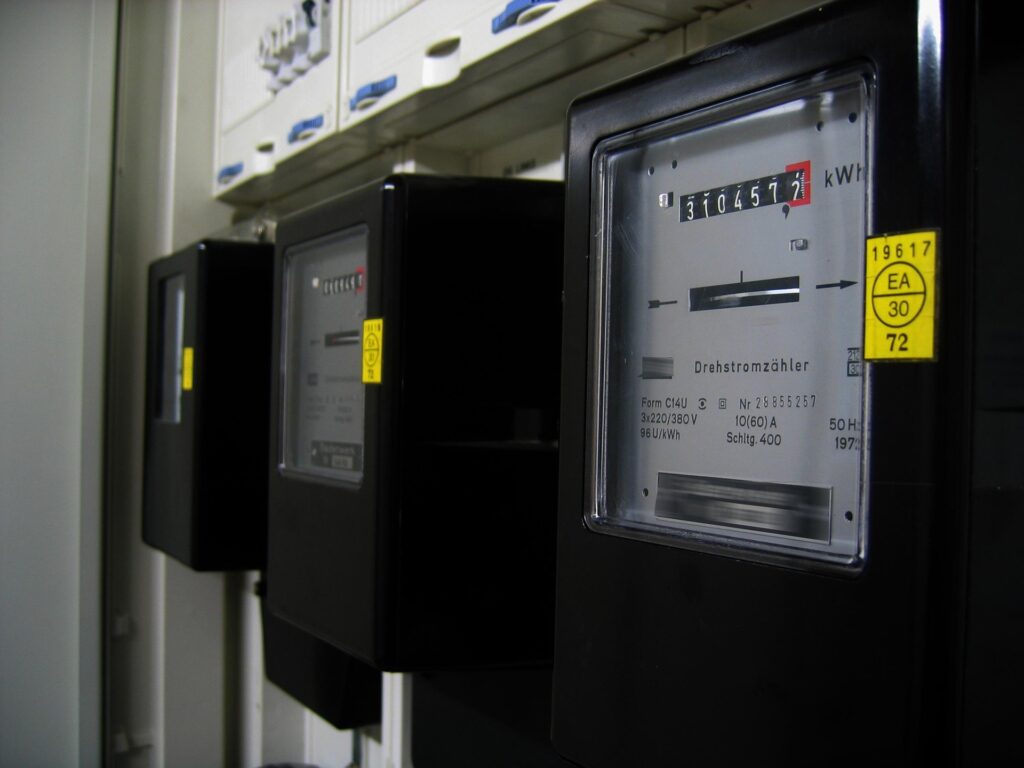
Kenya Power Explains Why Customers Are Getting Fewer Units Despite Same Token Purchases

Kenya Power has clarified why some customers are now receiving fewer electricity units for the same token value, amid complaints from users across the country.

The issue came to light after a customer questioned why Ksh 3,000 that previously bought over 115 units now only purchases about 94 units — a difference of more than 20 units within just a month.

“Hey, Kenya Power, please explain to me like I am a 3-year-old. How come the same amount of money could buy 115 units just 30 days ago, but now buys only 94 units? A difference of 20 units!” an online user asked.

Outstanding Debt Recovery

In response on Wednesday, 25 February, Kenya Power explained that part of the reduction is due to automatic debt recovery.

The company noted that 20% of a customer’s token purchase may be deducted to clear any pending bills, with the remaining balance converted into electricity units.

For example, if a customer purchases tokens worth Ksh 3,000, about Ksh 600 could go toward clearing arrears, leaving a smaller amount to purchase actual units.

Tariff Structure Also Plays a Role

Kenya Power further explained that the reduction is influenced by the electricity tariff structure, which is based on a household’s average monthly consumption.

  • Households consuming less than 100 units per month fall under the Domestic Lifeline Tariff, which is subsidized and cheaper.
  • Customers whose average usage exceeds 100 units are moved to the Domestic Ordinary Tariff, where electricity costs more per unit.

“Consumption below 100 units falls under the Domestic Lifeline tariff. If your average usage exceeds 100 units, you are charged under the Domestic Ordinary tariff,” the company said.

Kenya Power also emphasized the importance of monitoring electricity usage to avoid crossing into a higher tariff band unknowingly.

Age 40 Is the New Starting Line: Why Life Milestones Are Happening Later — and What It Means for You

Across the globe — and in Kenya — people are reaching what used to be early adult milestones much later than in past generations. From long-term careers and home ownership to marriage and family, the traditional timeline (finish school → job → marry → kids → house) has stretched into someone’s 30s, 40s, or even beyond.

This isn’t just a “Gen Z laziness” myth — demographers, economists, and global research show broad structural changes behind the shift. What’s more, it’s affecting life choices, family dynamics, economies, and even population patterns in significant ways.

How Traditional Milestones Have Shifted

Here’s what data tells us about delays in life events:

Global and U.S. Trends

MilestoneTypical Age ~1980sTypical Age ~2020s
First marriage (men)~25~30
First marriage (women)~22~29
First child (U.S. average)~24.9~27.5
Living independently (25-year-olds)~84%~68%

Sources: U.S. Census Bureau, Pew Research Center

These aren’t minor shifts. In the U.S., fewer 21-year-olds are working full-time or financially independent compared with 40 years ago — and the pattern holds for marriage, leaving the parental home, and having children.

A Pew global survey also shows wide variation but a general trend of later milestones: while many people still think parenthood is best in the mid-20s, more adults in several countries think major markers like marriage or home-buying can be at 30 or older.

Why Life Milestones Are Happening Later

1. Economic Pressures

  • Higher housing costs and student debt make early financial independence tougher.
  • Young adults delay marriage and home-buying until they feel economically secure.
  • Deferring parenthood or marriage is often linked to career and earnings stability.

These pressures aren’t limited to high-income countries — urban youth in Africa and Asia also feel job scarcity and housing challenges.

2. Extended Education and Career Building

More people pursue longer education, including postgraduate and professional training. While this boosts skills and future earnings, it also pushes back major life decisions into the 30s or 40s.

3. Changing Social Norms

Marriage and family aren’t the only markers of adulthood anymore. Many define adulthood by financial independence, emotional readiness, or career fulfillment rather than early marriage or children.

The sociological capstone model of marriage explains this shift: marriage today is seen less as a foundation and more as a marker of success after other milestones have been achieved.

What’s Happening in Kenya?

Kenya has not yet moved extremely late in terms of some key life markers — but the trends are shifting:

Median age at first marriage (2022):

  • Women: 21.0 years
  • Men: 25.8 years

Note: Urban and wealthy groups tend to marry later than rural and lower-income groups.

Unlike the U.S. or Europe, where age 30+ is common for first marriage, Kenyan adulthood milestones are still earlier — but later than they used to be. Urbanization, education, and employment challenges are pushing milestones further back, especially for people with more schooling.

Are There Side Effects?

Delaying milestones brings both advantages and challenges.

Positive Outcomes

✔️ More personal and financial readiness before marriage or children
✔️ Higher education and career achievement earlier in life
✔️ Greater focus on personal fulfillment and mental well-being

Studies suggest that older parents may have emotional and financial advantages — and that delaying parenthood can empower people to choose stability over rushed decisions.

Potential Downsides of Late Parenthood

While many people intentionally delay having children for education, career, financial stability, or personal readiness, there are complex challenges associated with becoming a first-time parent later in life — especially in the late 40s or beyond.

1. Biological and Medical Risks (Beyond Fertility)

It’s true that fertility declines with age, but the implications go deeper:

  • Increased pregnancy complications: Older mothers face higher risks of gestational diabetes, high blood pressure, preeclampsia, and complications during labor.
  • Genetic risk increases: The risk of chromosomal disorders (like Down syndrome) rises with maternal age and, to a lesser extent, paternal age.
  • Healing and recovery take longer: Post-partum recovery can be slower as the body ages, increasing the need for medical monitoring and support.

In short: the medical journey of pregnancy and childbirth is typically more complicated and demanding for older parents.

2. Life Expectancy and Child-Raising Years

When someone has their first child at, say, 48:

  • They may be in their 60s or 70s during their child’s adolescence or early adulthood.
  • Less physical stamina: Parenting very young children — diapers, sleepless nights, chasing toddlers — can be more physically demanding for older adults.
  • Caregiving later in life: Older parents may face health challenges while still raising dependent children.
  • Grandparent energy gap: Older parents may be less able to play, travel, or participate actively in school events compared to younger peers.

While older parents can be excellent caregivers, the time horizon for active parenting tends to shrink, requiring foresight and support.

3. Emotional and Social Differences Between Generations

Large age gaps between parents and children can create generational mismatches:

  • Technology gap: Older parents may find social media, online learning, and digital trends unfamiliar or overwhelming.
  • Worldview clashes: Values and cultural expectations differ sharply. What felt normal in a parent’s youth may be foreign to today’s teens.
  • Social isolation: Older parents may have fewer peers who are actively parenting, reducing natural support networks.

These differences demand conscious effort and empathy to bridge generational gaps.

4. Dating and Partnership Dynamics

For older adults planning parenthood, finding a partner within reproductive age can introduce unique pressures:

  • Age-disparate relationships: A 50-year-old man may pursue a much younger partner, creating mismatched expectations or life goals.
  • Power and life experience gap: Younger partners may still be exploring careers and identity, while older partners are in different life phases.
  • Pressure on the younger partner: Biological timing, career, and relationship pace may create stress.

These dynamics are real and widespread, introducing both opportunity and friction.

5. Economic and Retirement Considerations

Raising children later intersects with financial planning and retirement:

  • Shorter earning horizon: Older parents may have fewer working years to balance child-rearing with retirement savings.
  • Increased financial pressure: Costs of healthcare, education, and daily living can overlap with retirement planning.
  • Legacy and inheritance planning complications: Children may still be financially dependent when parents retire.

Older parents must carefully juggle current family demands with long-term financial security.

6. Peer and Social Support Dynamics

Parenting later can alter social networks:

  • Fewer parenting peers: Social groups for playdates, school activities, and shared responsibilities may be smaller.
  • Less shared experience: Talking with peers actively parenting provides emotional and practical support — often reduced for older parents.
  • Community rhythm misalignment: School calendars, weekend activities, and parent groups may feel geared toward younger parents.

Parenting remains possible — but social support often requires extra effort.

Summary: A Balanced View

Becoming a parent later in life is increasingly common and often deeply fulfilling, but it comes with real trade-offs. Biological, emotional, social, and economic challenges are meaningful and should be part of any thoughtful discussion.

Rather than framing late parenthood as simply good or bad, it’s best viewed as a complex life choice — one with both advantages and costs, requiring planning, support, and empathy.

Is This Trend Likely to Continue?

Yes. Economic pressures, shifting values, education priorities, and rising life expectancy make later milestones structural rather than temporary. Younger generations increasingly view adulthood as a flexible journey, not a rigid timeline.

Unless societal conditions — like job markets, housing affordability, and supportive family policies — change dramatically, this trend is poised to grow.

Conclusion — Good or Bad?

It’s both.

Starting life at 40 or later allows emotional growth, financial stability, and more mindful decisions. For others, it introduces biological, social, and economic challenges. The traditional life timeline — once rigidly set in the 20s — no longer fits most people in Kenya or around the world. Understanding why this is happening helps individuals and societies navigate a future where life’s milestones are more fluid and personal.

How Much Money Do You Need to Start Forex Trading in Kenya?

One of the most common questions new traders in Kenya ask is simple on the surface: how much money do I need to start trading forex?

The short answer is—less than most people expect.
The more useful answer, however, lies in understanding the difference between starting and sustaining a trading journey.

Forex trading has grown rapidly in Kenya largely because entry appears easy. With a smartphone, internet access and a trading application, market access feels instant. Yet the amount of capital you begin with has a direct impact on how you manage pressure, how you handle losses and, ultimately, how long you remain in the market.

The minimum-deposit reality

Forex trading involves speculating on movements between global currencies with the aim of making a profit. Many brokers serving Kenyan traders advertise extremely low minimum deposits, often presenting this as proof that forex is accessible to everyone.

Technically, that is true.
Practically, very small deposits should be treated as learning capital rather than income-generating capital.

With a tiny account, position sizes must remain very small and potential profits are limited. While this can feel discouraging, it plays an important role in developing discipline and reducing the temptation to gamble. At this stage, the goal should be skill development—not financial returns.

What beginners should realistically aim for

For most new traders, a starting balance of between KES 5,000 and KES 20,000 provides a far healthier foundation.

This range allows you to:

  • open small but meaningful positions,
  • apply proper stop-loss levels without feeling constrained,
  • test different trading setups, and
  • absorb losses without emotional panic.

More importantly, this level of funding supports good habits. You learn to protect capital, build consistency and develop confidence—rather than chasing unrealistic returns. In forex, discipline and patience matter far more than bravado.

Understanding leverage and its hidden cost

Leverage is one of the main reasons expectations around starting capital become distorted.

By using leverage, traders can control positions that are much larger than their actual account balance. While this can amplify profits, it magnifies losses at the same speed.

A trader starting with KES 3,000 and using high leverage may appear active and busy in the market—yet remain only one poor trade away from losing the entire account.
By contrast, a trader starting with KES 15,000 and using modest leverage enjoys greater flexibility, reduced emotional pressure and more room to recover from mistakes.

Leverage does not create opportunity. It only increases risk.

Costs beyond the initial deposit

Starting forex trading also comes with indirect costs that are often overlooked.

Reliable internet access is critical, especially during volatile market periods. Disconnections at the wrong time can be expensive. Education is another long-term investment—whether through books, structured courses or advanced charting tools.

Above all, there is the unavoidable cost of mistakes. Every trader pays a form of “tuition” to the market. Beginning with money you can genuinely afford to lose keeps that learning process constructive rather than destructive.

Matching your capital to your goals

If your main objective is to learn market behaviour, test strategies and understand your own trading psychology, a smaller starting balance is sufficient.

If your goal is to grow steadily over time and treat trading as a serious side pursuit, a slightly higher starting balance offers structure, realism and better risk control.

Ultimately, the right starting amount is not defined by what brokers advertise. It is the amount that protects your mindset, supports disciplined decision-making and allows you to remain active in the market long enough to develop real skill.

Newsly KE
Privacy Overview

This website uses cookies so that we can provide you with the best user experience possible. Cookie information is stored in your browser and performs functions such as recognising you when you return to our website and helping our team to understand which sections of the website you find most interesting and useful. View our privacy policy and terms & conditions here.

×