
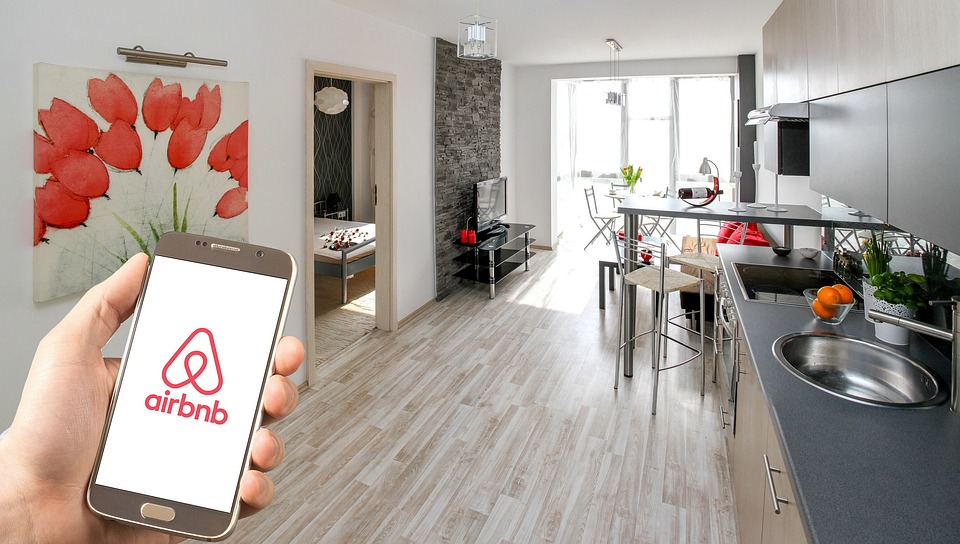
Airbnb and Marital Infidelity: Since its launch in 2008, Airbnb has revolutionized global hospitality. What began as a platform for budget travelers looking to rent a room for the night has now grown into a $100+ billion-dollar tech giant offering everything from rustic countryside retreats to penthouse getaways. For millions, Airbnb is a blessing—providing affordable lodging, cultural immersion, and a sustainable income stream for hosts. It has empowered homeowners, disrupted the hotel industry, and redefined how we travel.
But like many innovations that champion privacy and decentralization, Airbnb has also brought unintended consequences—one of which is its increasing use as a hideout for marital and relational infidelity.
The Upside: Privacy, Accessibility, and Disruption of Old Models
Before diving into its moral complications, it’s important to understand why Airbnb became such an attractive option—even for those with dishonest motives.
1. Convenience and Anonymity
Unlike hotels, Airbnb allows guests to choose properties without interacting with a front desk, bellboys, or CCTV-monitored hallways. Check-ins are often self-service via key boxes or smart locks. This offers discretion unmatched by traditional accommodation.
2. Flexibility and Seclusion
Cheating partners often seek isolation. Airbnb listings span private apartments, cottages, villas, and even off-grid cabins—locations not easily monitored by urban surveillance or nosy neighbors. This is a stark contrast to old “short-time joints” or hotels located in city centers where walk-ins raised eyebrows.
3. Digital Shielding
With encrypted messaging between hosts and guests, instant booking, and online payment systems, Airbnb transactions leave little physical trail. Unlike the old era of “book and pay at the counter,” Airbnb stays often bypass third-party scrutiny, especially if booked using aliases or burner accounts—a tactic seen in a few widely publicized divorce court cases.
Read Also: Are Partnership Agreements Taking Over Marriage? Why and How This Shift May Reshape Society
Airbnb vs. Old “Short-Time” Joints
Prior to Airbnb, cheaters often relied on roadside motels, lodging-only hotels, or even day-use guest houses (commonly called “lodging joints” in parts of Africa or “love hotels” in Japan). These had major drawbacks:
- Limited privacy: Staff knew the clientele and gossip often spread in close-knit areas.
- CCTV coverage: Hotels installed more cameras for security, which ironically increased traceability.
- Embarrassment and social risk: In smaller towns, one risked being seen by someone they knew.
- Time constraints: Many joints operated under hourly bookings, adding pressure.
Airbnb changed this entire script. One can now book a full house with a private driveway for a day or two, completely out of sight—just like booking a vacation. That’s part of the danger.
Real-World Red Flags and Recent Cases
1. Infidelity & Airbnb in Divorce Proceedings
There has been a marked uptick in the use of Airbnb receipts, reviews, and host testimonies in divorce court cases, particularly in the U.S., Canada, and Kenya. Forensic tech experts note that metadata from synced devices (like Google Maps, Airbnb apps, and Uber rides) has been used to track and expose hidden affairs. Yet many cheaters are oblivious to how their digital footprints betray them.
2. Nairobi, Lagos, Joburg: Urban Airbnb Abuse
In African cities like Nairobi, Lagos, and Johannesburg, Airbnb is being unofficially branded as “the new mpango wa kando (side-chick) hub.” With apartments readily available in middle-income estates and minimal checks, cheating has become far easier and more normalized.
In Nairobi’s Kilimani, for instance, there’s a noticeable spike in Airbnb bookings on weekends—linked not to tourism, but to local, covert meetups. Investigative reports have shown some listings being repeatedly booked for single nights by male guests using female accounts—flagging potential misuse.
Negative Spillovers
1. Moral Erosion and Family Breakdown
While Airbnb itself is neutral, its misappropriation contributes to the moral weakening of relationships. Trust is more difficult to preserve when technology facilitates secrecy. The normalizing of discreet “getaways” has emboldened people to cheat without fear of exposure.
2. Security and Human Trafficking
In extreme cases, misuse of Airbnb properties has crossed into darker territories—hosting underage liaisons, sex work, and even trafficking. In 2022, the U.S. Department of Homeland Security flagged over 1,200 Airbnb listings suspected of being used for exploitation or illegal escort services. Some cases have implicated hosts unaware of their guests’ real intentions.
3. Public Health and Spread of STIs
Unregulated, discreet hookups at Airbnb locations also raise concerns around public health, especially the transmission of sexually transmitted infections. Unlike hotels, where IDs are required and hygiene inspections occur regularly, Airbnb hosts may overlook basic cleanliness or even know nothing about their guests’ identities.
Read Also: Why Many Men Are Refusing to Marry: The Silent Rebellion Against Feminine Rebellion
Societal Reflection: Why Is This Happening?
Airbnb didn’t create cheaters. It simply offered a modern, more convenient tool. The root issue lies in the shifting moral and relational landscape:
- Emotional Detachment: Relationships today are more transactional. People stay for convenience, not necessarily commitment.
- Hyper-connectivity: Social media, dating apps, and the ease of online flirtation contribute to a “try-before-you-commit” culture.
- Weakened family structures: As marriage becomes less sacred and more optional, so does fidelity.
- Male and female empowerment without responsibility: With both genders now financially and socially independent, the fear of being caught or shamed carries less weight.
Can Anything Be Done? Solutions and Way Forward
While banning Airbnb is neither realistic nor justified, several approaches can be taken to reduce misuse:
1. Better Host Verification Tools
Hosts should be encouraged to vet guests thoroughly—using platforms like VerifyMyGuest or Smartbnb—especially for one-night bookings in city apartments.
2. Mandatory ID Uploads
Airbnb could enforce ID matching for both the account owner and all guests, much like hotels require at check-in. This makes tracking easier and discourages misuse.
3. Awareness Campaigns
Churches, relationship counselors, and educators should update fidelity conversations to reflect modern threats like Airbnb misuse, digital deceit, and covert meetups.
4. Redesigning Airbnb Laws in Urban Centers
Cities experiencing high rates of Airbnb abuse can implement special urban zoning policies or restrict single-night bookings in residential areas without proof of travel.
Privacy vs. Morality in the Tech Age
Airbnb is not the villain—it is a mirror, reflecting the values, desires, and behaviors of the society that uses it. The real challenge lies not in the technology itself, but in how we navigate relationships in an era of on-demand privacy and instant gratification. When secrecy is normalized over accountability, even the most benign tools can be weaponized against trust, loyalty, and commitment. Critics rightly argue that Airbnb doesn’t create infidelity; it merely amplifies it—adding scale, speed, and anonymity to age-old human behavior. As sociologist Zygmunt Bauman observed in Liquid Love, modern relationships are increasingly fragile and transactional, prioritizing experience over permanence. In this context, platforms like Airbnb simply facilitate the logistics of emotional detachment. If fidelity is to survive the digital age, our emotional intelligence and moral compass must evolve as rapidly as our technology does.
Read Also: Transactional Relationships in Kenya: Are Modern Urban Romances Losing Their Soul?
Never Miss a Story: Join Our Newsletter