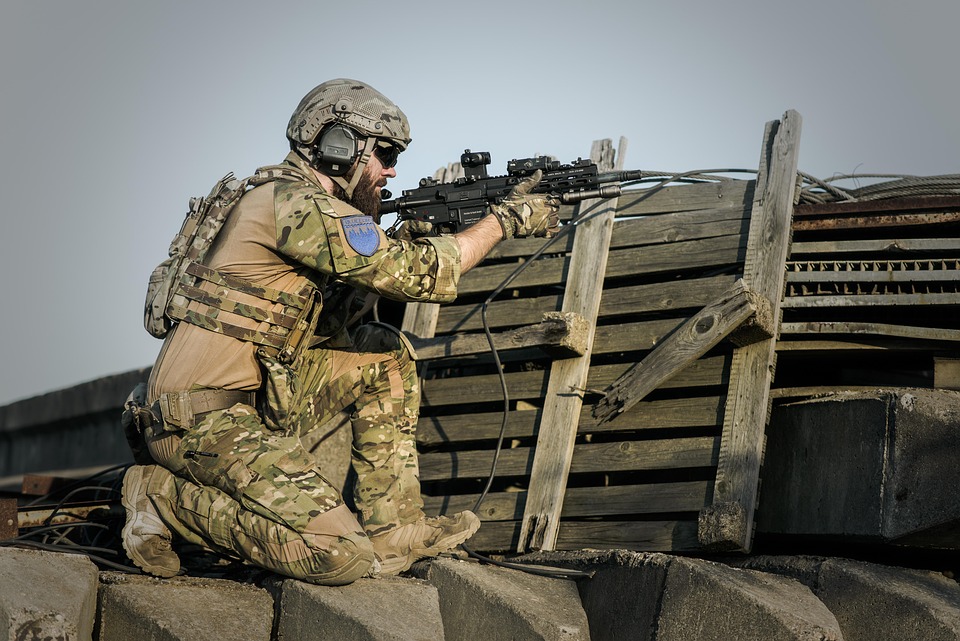
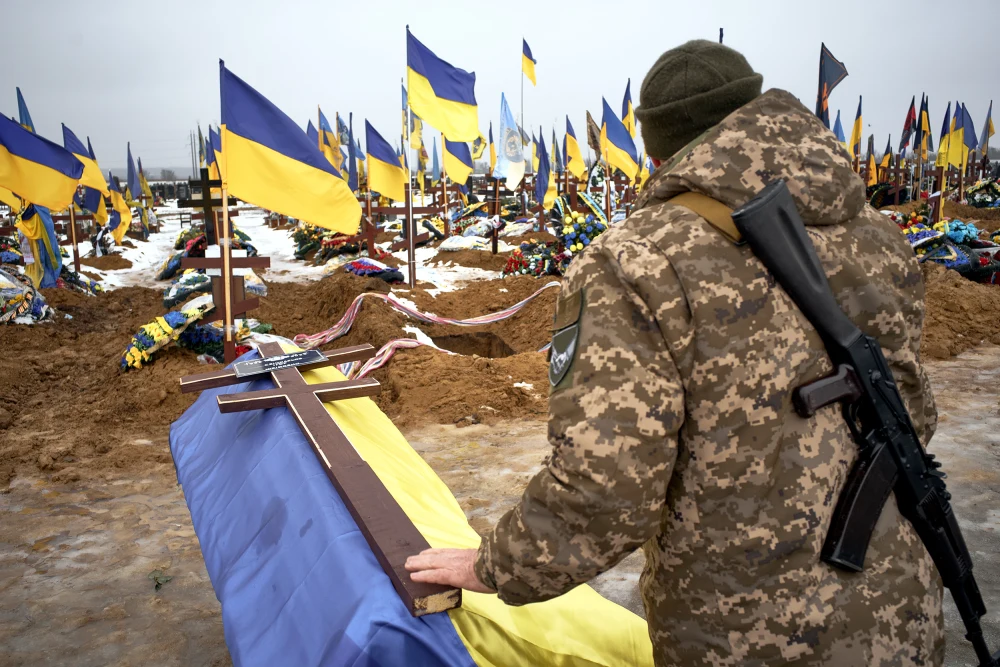
The growing presence of Africans in the Russia Ukraine War has exposed a troubling pattern of deception, broken promises and cross-border exploitation. Across several African countries, job seekers have reported being recruited through what appeared to be legitimate employment offers in Russia, only to later discover that their contracts tied them to military service or war-related duties. As investigations continue, the issue has raised urgent questions about illegal recruitment networks, weak labour migration safeguards, and the responsibility of governments to protect citizens seeking opportunities abroad.
False Job Promises Lead to Frontline Combat
Investigations by The Washington Post and The Guardian found that hundreds of people from Kenya and other African nations were contacted through job adverts and recruitment agencies that offered attractive employment opportunities in Russia. Many recruits believed they were headed for civilian work or training programs when they signed contracts, often without full understanding of the language or terms.
Once in Russia, many discovered that the paperwork they signed was actually a military enlistment contract. Several recruits reported receiving only very basic training before being deployed toward the front lines of the Ukraine war, where injuries and deaths have occurred.
Eyewitness Accounts Highlight Danger
Survivors and captured fighters have described being thrust into frontline positions with minimal preparation. One young Kenyan reportedly signed up expecting to work as a driver or technician, only to be issued military fatigues and sent into combat zones.
Such stories echo across countries: reports also mention South Africans who ended up in trenches under fire and who say they were recruited under false pretenses.
Kenya Raises the Alarm
The Kenyan government has publicly acknowledged the issue. Officials estimate that over 200 Kenyans have already joined the Russian side in the Ukraine conflict after being recruited through misleading methods.
Security forces in Kenya have also taken action against alleged recruitment networks. In a raid near Nairobi, police rescued about 21 people who were about to be processed for travel to Russia under promises of work, only for authorities to realise they were being trafficked toward military enlistment. A suspected recruiter was arrested in connection with the scheme.
Recruitment Tactics and Misleading Contracts
Many of the schemes operate through social media job adverts, unofficial employment agencies, and promises of high pay. Some supposed employment offers included contracts written in Russian — a language recipients could not understand — meaning victims unwittingly agreed to military service or other roles tied to the war.
Reports indicate that some job seekers were asked to pay substantial fees for visas and travel arrangements that never delivered the work they expected, leaving them trapped in dangerous situations abroad.
Broader Regional Impact
While Kenya has been one of the most discussed cases, similar reports have appeared in other countries. Governments in parts of Africa — and beyond — are investigating cases of citizens trafficked under fake job offers. For example, a Ugandan man recently appealed for help to return home after being misled about employment in Russia and ending up in its armed forces.
Elsewhere, reports about Bangladeshis and other foreign workers also show a pattern of being lured into Russia under false civilian job promises and then being pushed into positions connected to the war.
International Concerns and Government Responses
Ukraine’s authorities have suggested that more than 1,400 people from about three dozen African countries may be fighting for Russia, including many who were allegedly recruited through deceptive methods.
In response, some African governments are now issuing warnings to citizens about employment offers in Russia and urging caution when considering overseas job placements. Diplomatic efforts to track and protect nationals abroad are ongoing.
The unfolding stories of Africans in the Russia Ukraine War are not just about a distant conflict — they reveal how economic vulnerability, online recruitment scams and poorly regulated labour channels can place ordinary people in life-threatening situations. As African governments strengthen investigations and issue public warnings, the wider challenge remains clear: protecting job seekers from deceptive international recruiters and ensuring that migration for work does not become a hidden pathway into war.
Never Miss a Story: Join Our Newsletter